
Are you ready to take your upper body strength to the next level? The dumbbell bench press is a powerful exercise that can help you build impressive chest, shoulder, and tricep muscles.
But, if you’re not doing it correctly, you might not be getting the full benefits—or worse, risking injury. By mastering the dumbbell bench press, you can transform your workout routine and reach your fitness goals faster. Imagine feeling more confident in your strength and seeing noticeable gains each time you look in the mirror.
This guide will walk you through everything you need to know—from the correct form to tips that maximize results. Stick around to uncover the secrets of a perfect dumbbell bench press and unlock your true potential.
Credit: greensafaris.com
Benefits Of Dumbbell Bench Press
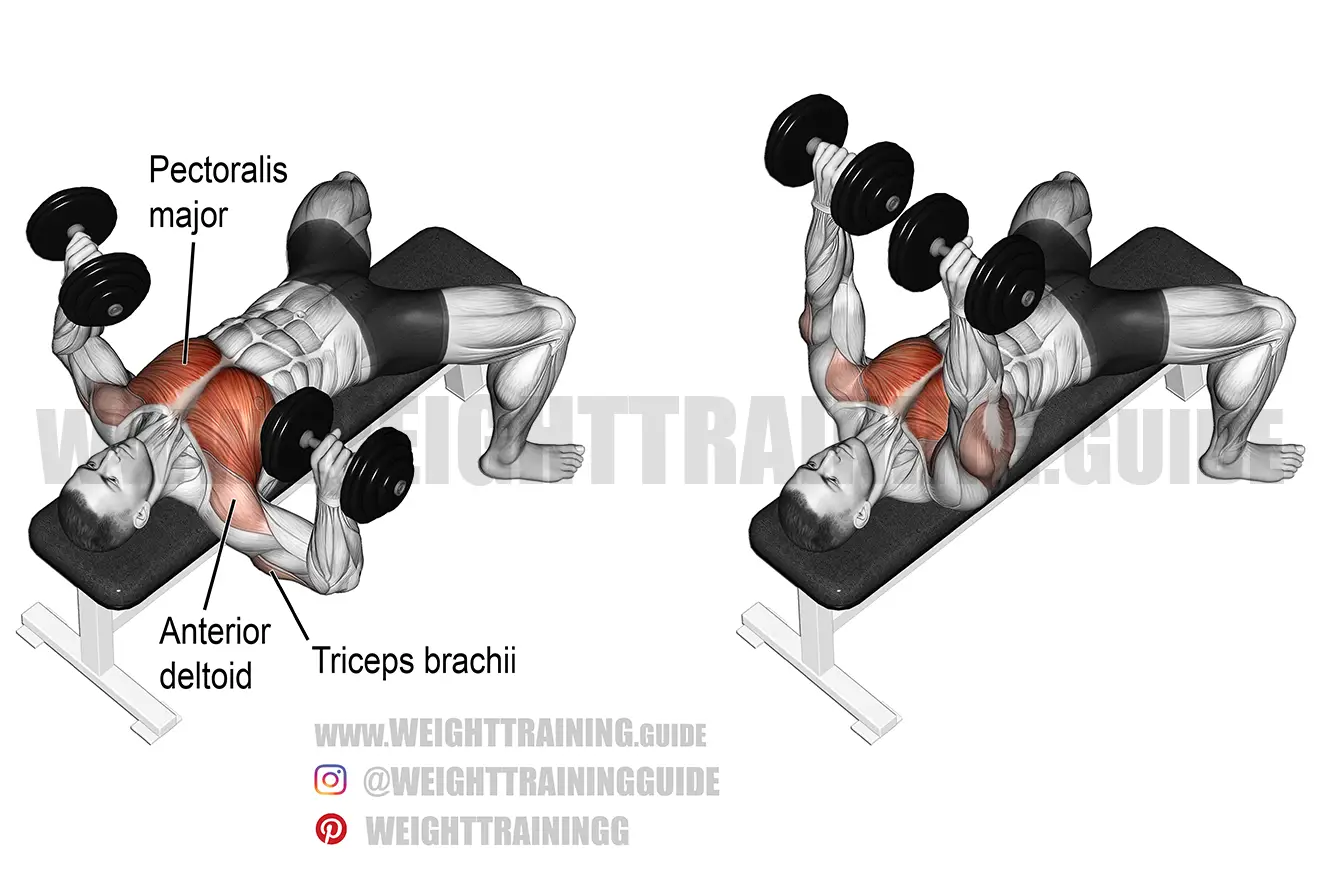
Performing the dumbbell bench press enhances upper body strength and muscle balance. It targets the chest, shoulders, and triceps effectively. This exercise also improves stability and coordination by engaging core muscles.
Adding the dumbbell bench press to your workout routine can be a game-changer. This exercise offers a range of benefits, from muscle development to improving balance and stability. Whether you’re new to strength training or looking to maximize your gains, understanding the advantages of the dumbbell bench press can enhance your fitness journey.Builds Upper Body Strength
The dumbbell bench press targets major upper body muscles, including the chest, shoulders, and triceps. By using dumbbells, you’re also engaging stabilizer muscles, which can lead to more balanced muscle growth. Imagine how this added strength can improve your daily activities, from lifting groceries to playing sports.Enhances Muscle Symmetry
Dumbbells require each side of your body to work independently, promoting muscle symmetry. This can help address any muscle imbalances you might have, leading to a more symmetrical physique. Next time you look in the mirror, notice the difference in muscle balance and proportion.Improves Range Of Motion
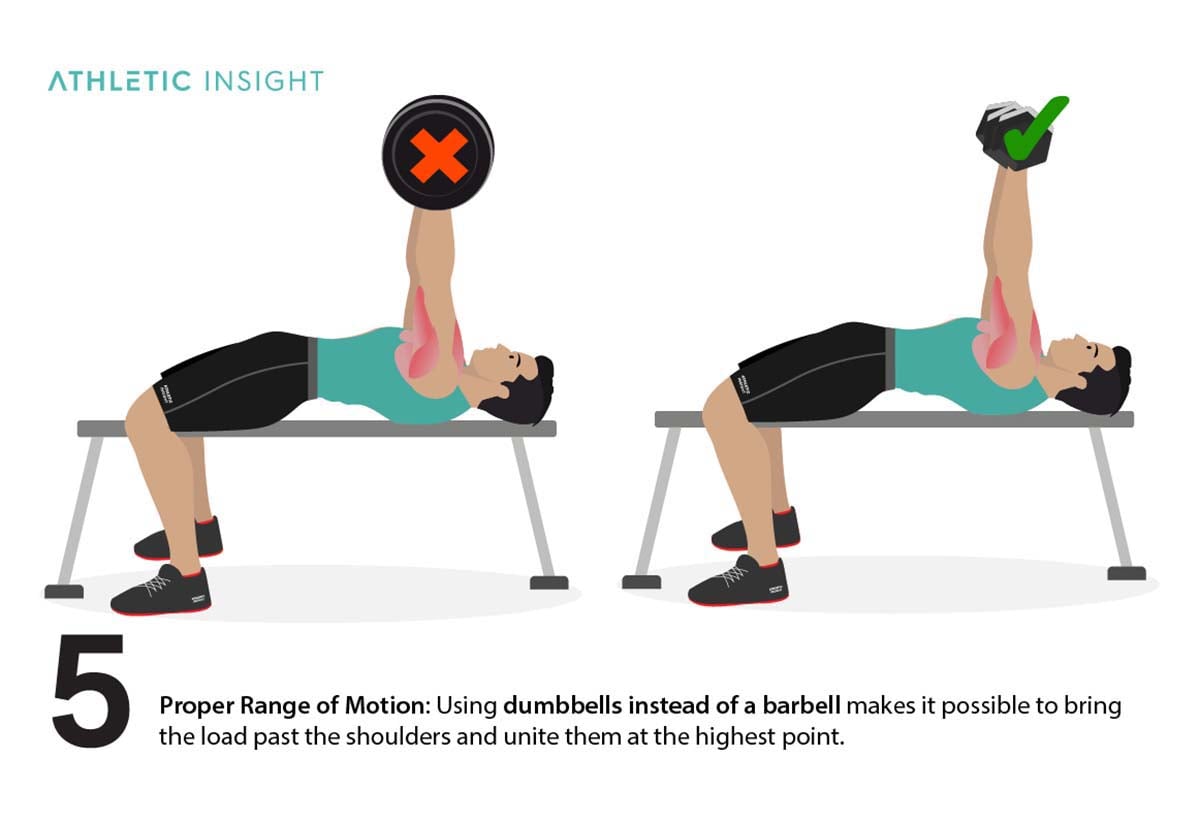
Using dumbbells allows for a greater range of motion compared to a barbell. This increased range can lead to improved flexibility and joint health over time. Try lowering the dumbbells slightly below chest level to feel the full stretch and contraction.Boosts Core Stability
Balancing dumbbells involves engaging your core muscles more than a barbell bench press would. This engagement strengthens your core, which is crucial for maintaining posture and stability. Feel how your core tightens and supports your body during each rep.Offers Versatility In Training
With dumbbells, you can easily adjust the exercise to target different muscle groups. Changing the angle of the bench or your grip can focus on various parts of your chest or shoulders. Experiment with different variations to keep your workouts fresh and challenging.Accessible For All Fitness Levels
Dumbbells come in a wide range of weights, making the bench press accessible for beginners and advanced lifters alike. You can start with lighter weights and gradually increase as you build strength. Set a personal goal for weight progression and witness your improvement over time. Incorporating the dumbbell bench press into your routine can transform your upper body training. Have you tried it yet? What differences have you noticed in your strength and physique? Share your experiences or any questions you might have in the comments below!Choosing The Right Equipment
Choosing the right equipment is crucial when you’re gearing up for a successful dumbbell bench press session. The right tools not only enhance your performance but also ensure safety and efficiency. Let’s dive into what you should consider to make informed choices.
Selecting Dumbbells
Choosing dumbbells can feel overwhelming with the variety available. Start by assessing your strength level. Beginners might opt for lighter weights, around 5-10 lbs, to focus on form.
Consider adjustable dumbbells. They save space and offer flexibility. With a twist, you can increase or decrease the weight without needing multiple sets.
Don’t overlook the grip. A comfortable, non-slip grip is essential for maintaining control and reducing the risk of injury. Test different handles to find what feels best for your hands.
Finding A Suitable Bench
Your bench is the foundation of your workout. Look for one that provides stability. A wobbly bench can impact your balance and lead to accidents.
Adjustability matters. A bench with incline and decline options allows you to target different muscle groups effectively. This versatility keeps your routine dynamic.
Space is a factor. Ensure the bench fits comfortably in your workout area without restricting movement. A compact design can be beneficial if you’re working out at home.
Have you ever tried working out on a bench that felt unstable? It can be nerve-wracking. That’s why ensuring your bench is sturdy and secure is non-negotiable.
Is your current setup helping you reach your fitness goals, or holding you back? Reflecting on this might lead you to make necessary adjustments for optimal results.
Setting Up For Success
Setting up for success in the dumbbell bench press is crucial. It lays the foundation for effective workouts and prevents injuries. Correct setup ensures maximum muscle engagement. It also helps in achieving your fitness goals faster. Let’s delve into the essentials of proper setup.
Proper Body Position
Lie flat on the bench, keeping your head aligned with your spine. Feet should be firmly planted on the ground. Keep your shoulder blades squeezed together. This stabilizes your upper body. Hold the dumbbells at shoulder width. Ensure your wrists are straight. A neutral grip prevents strain.
Maintaining Balance
Balance is key during the dumbbell bench press. Distribute your weight evenly across your body. Engage your core muscles for stability. This helps maintain control. Avoid arching your back. Keep it pressed against the bench. A steady grip on the dumbbells is essential.
Credit: www.greensafaris.com
Step-by-step Technique
Mastering the dumbbell bench press boosts your upper body strength. A clear technique ensures safety and effectiveness. Follow these easy steps for best results.
Starting Position
Sit on a flat bench with a dumbbell in each hand. Rest the dumbbells on your thighs. Lie back carefully, keeping the weights close to your chest. Plant your feet firmly on the ground.
Executing The Lift
Press the dumbbells upward until your arms are straight. Keep your wrists aligned with your shoulders. Ensure your palms face forward. Squeeze your chest at the top of the movement.
Lowering The Dumbbells
Slowly lower the dumbbells to chest level. Maintain control and avoid dropping them quickly. Keep your elbows at a 45-degree angle. Breathe in as you lower the weights.
Common Mistakes To Avoid
Performing a dumbbell bench press can improve your chest strength. Yet, many people make common mistakes. These errors can hinder progress and cause injuries. Knowing what to avoid helps you perform this exercise safely and effectively.
Incorrect Grip
One major mistake is using the wrong grip. Holding the dumbbells too tightly can strain your wrists. A loose grip can cause the weights to slip. Keep your grip firm but not tense. Align your hands with your forearms. This provides better control. It also ensures balance during the lift.
Improper Breathing
Breathing plays a crucial role in lifting weights. Many people forget to breathe correctly. Holding your breath can decrease power and increase tension. Exhale as you lift the dumbbells. Inhale as you lower them. This pattern helps maintain rhythm. It also prevents fatigue and dizziness.
Tips For Improvement
Enhance your dumbbell bench press technique by focusing on form. Keep your feet flat on the ground. Lower the weights slowly. Aim for a controlled motion to target chest muscles effectively.
Improving your dumbbell bench press can be a game-changer for your fitness routine. Whether you’re looking to build muscle or increase strength, understanding key tips for improvement can make a significant difference. Progressing safely and effectively is essential to maximizing your workout benefits. Let’s dive into some practical advice that can help you push your limits confidently.Increasing Weight Safely
Gradually increasing weight is crucial to avoid injury and ensure steady progress. It’s tempting to lift heavier weights immediately, but patience is key. Start by adding small increments, such as 2.5 or 5 pounds. This approach lets your body adapt to new challenges without overwhelming it. Feel the difference as your muscles adjust to the increased load. Your body gives you cues; listen to them. If you feel strain or discomfort, it might be a sign to take a step back or maintain your current weight for a while. Safety should always be your priority. How do you know when it’s time to increase? Consistent reps with ease indicate readiness for a higher weight. Challenge yourself, but within your limits.Incorporating Variations
Adding variations to your dumbbell bench press can enhance muscle engagement and prevent workout monotony. Try alternating arms or changing the angle of your bench. Each variation targets different muscle groups, promoting balanced development. Consider incorporating incline or decline bench presses. These variations shift the focus to upper or lower chest muscles respectively. Switching up your routine keeps your muscles guessing, stimulating growth and improvement. How often do you mix things up? Regularly changing your workout can boost motivation and results. Keeping your workout fresh not only benefits your body but also keeps you mentally engaged. Embrace the variety and watch your progress soar. — Remember, improvement is a journey, not a race. Each tip adds value to your routine, helping you achieve your fitness goals effectively and safely.Safety Precautions
Ensure a secure grip on dumbbells to prevent slipping. Keep feet flat for stable support. Avoid arching your back excessively.
Safety Precautions When performing a dumbbell bench press, safety should be your top priority. Injuries can occur if you’re not careful, and they can set back your fitness goals. By taking the right precautions, you can perform this exercise with confidence and reduce the risk of harm.Using A Spotter
A spotter can be your safety net during a dumbbell bench press. They can help you lift the weights back onto the rack if you struggle. This is especially important when pushing your limits with heavier weights. Imagine this: you’re midway through your set, and your arms start to tremble. A spotter can step in, ensuring the weights don’t come crashing down. This added layer of safety can boost your confidence to challenge yourself. Do you often skip using a spotter because it seems unnecessary? Consider how much more you could achieve knowing there’s someone ready to assist.Listening To Your Body
Your body sends signals when something’s amiss. Ignoring these can lead to injuries that keep you away from the gym. Pay close attention to any unusual pain or discomfort during your sets. A slight tweak in your shoulder or a sharp pain in your chest isn’t something to push through. These are signs that you might need to adjust your form or reduce the weight. Remember, the goal is to get stronger, not to end up sidelined. If you’re ever in doubt, ask yourself: is this pain worth the risk? Adjustments now can save you from bigger issues later.
Credit: www.youtube.com
Incorporating Into A Workout Routine
Incorporating the dumbbell bench press into your workout routine brings numerous benefits. This exercise targets your chest, shoulders, and triceps, offering a comprehensive upper-body workout. Whether you aim for muscle growth or strength enhancement, the dumbbell bench press is versatile. To maximize results, include it in a balanced routine.
Balancing With Other Exercises
A balanced workout routine includes various exercises. Pair the dumbbell bench press with exercises targeting other muscle groups. Include squats, deadlifts, and pull-ups for a full-body approach. This balance prevents overworking specific muscles while promoting overall fitness. Each session should challenge multiple muscle groups.
Frequency And Repetitions
Determining the right frequency is crucial for progress. Perform the dumbbell bench press two to three times a week. Varying repetitions helps achieve different goals. For muscle growth, aim for 8-12 reps per set. For strength, opt for 4-6 reps with heavier weights. Listen to your body and adjust accordingly.
Frequently Asked Questions
What Muscles Do Dumbbell Bench Press Target?
The dumbbell bench press primarily targets the pectoral muscles. It also engages the triceps and deltoids. This exercise helps build upper body strength. Additionally, it enhances muscle endurance and balance.
How To Properly Perform Dumbbell Bench Press?
Start by lying flat on a bench with a dumbbell in each hand. Keep your feet flat on the ground. Push the dumbbells upward, extending your arms. Ensure your elbows are slightly bent. Lower the weights slowly, maintaining control throughout.
Can Beginners Do Dumbbell Bench Press?
Yes, beginners can perform the dumbbell bench press. Start with lighter weights to master form. Gradually increase weight as strength builds. Focus on controlled movements and proper technique to avoid injury. Consult a trainer if unsure about form.
How Often Should I Do Dumbbell Bench Press?
Perform the dumbbell bench press 2-3 times weekly for optimal results. Allow rest days between sessions for recovery. Incorporate it into a balanced workout routine. Adjust frequency based on individual fitness goals and recovery needs.
Conclusion
Mastering the dumbbell bench press boosts strength and muscle growth. Start with lighter weights to ensure proper form. Gradually increase the weight as you gain confidence. Always keep your core tight for stability. Focus on breathing—inhale when lowering, exhale when pressing.
Remember to rest between sets for muscle recovery. Consistency in practice leads to better results. Safety first—always have a spotter if lifting heavy. With patience and practice, you’ll see improvements. Keep challenging yourself and track your progress. Enjoy the journey to stronger chest muscles.