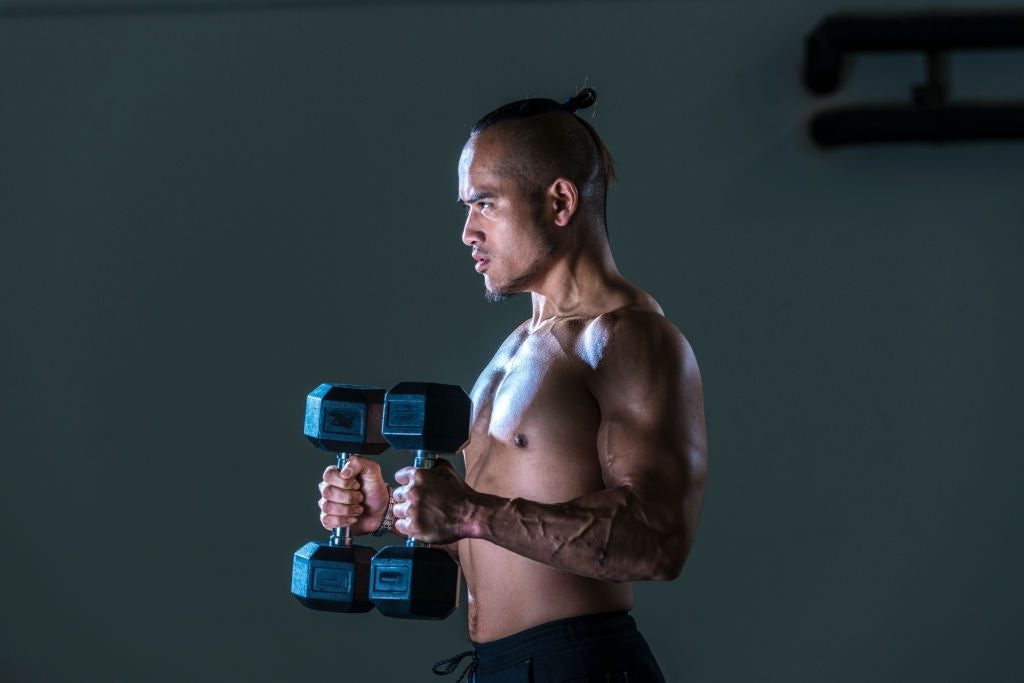

Choosing the right weight dumbbells can feel overwhelming, especially when you’re aiming for effective workouts and noticeable results. You might be wondering, “What weight dumbbells should I use as a male in kilograms?”
This is a crucial question that can significantly impact your fitness journey. Whether you’re a beginner just starting out or someone looking to refine your routine, selecting the right weight is key to maximizing muscle growth and avoiding injury. Imagine hitting the gym confidently, knowing exactly what weights to pick up to achieve your goals.
This article will guide you through the process, helping you make informed decisions that align with your fitness level and aspirations. Keep reading to discover the secrets to choosing the perfect dumbbells and empower your workouts like never before.
Factors Influencing Dumbbell Weight Choice
Choosing the right dumbbell weight depends on fitness goals, strength level, and exercise type. Start with lighter weights to learn proper form and gradually increase as strength improves. Most males find 5-10 kg suitable for beginners, but adjust according to personal comfort and progress.
Choosing the right dumbbell weight is crucial to achieving your fitness goals. Yet, many men struggle with this decision. It’s not just about picking a weight that feels heavy. It’s about understanding the factors that influence what’s best for you. Here’s a breakdown of key considerations that can guide your choice.Fitness Level
Your current fitness level plays a significant role in determining the right dumbbell weight. Beginners might start with lighter weights, like 5-10 kg, to focus on form and technique. If you’re more experienced, you might opt for heavier weights, say 15-20 kg, to challenge your muscles further. It’s essential to assess your strength honestly. Remember when you first started lifting? The weights felt heavy, but with persistence, they became manageable. How has your strength changed over time?Training Goals
What are you aiming for with your workout? If you’re looking to build muscle mass, heavier weights might be your friend. Consider weights around 20 kg or more. On the other hand, if your goal is endurance or toning, lighter weights with higher repetitions might suit you better. Think about the last time you set a new goal. Did you adjust your weights accordingly? Your goals should guide your choices.Exercise Type
Different exercises require different weights. For compound exercises like squats or deadlifts, heavier dumbbells might be suitable. But when doing isolated exercises like bicep curls, lighter weights can be more effective. Consider the time you tried a new exercise. Did you find yourself switching weights to accommodate it? The type of exercise is a key factor in your weight choice. Choosing the right dumbbell weight isn’t a one-size-fits-all decision. It involves understanding your fitness level, training goals, and exercise type. Each of these factors can influence your choice significantly. Next time you pick up a dumbbell, think about these elements. Are you making the best choice for your workout?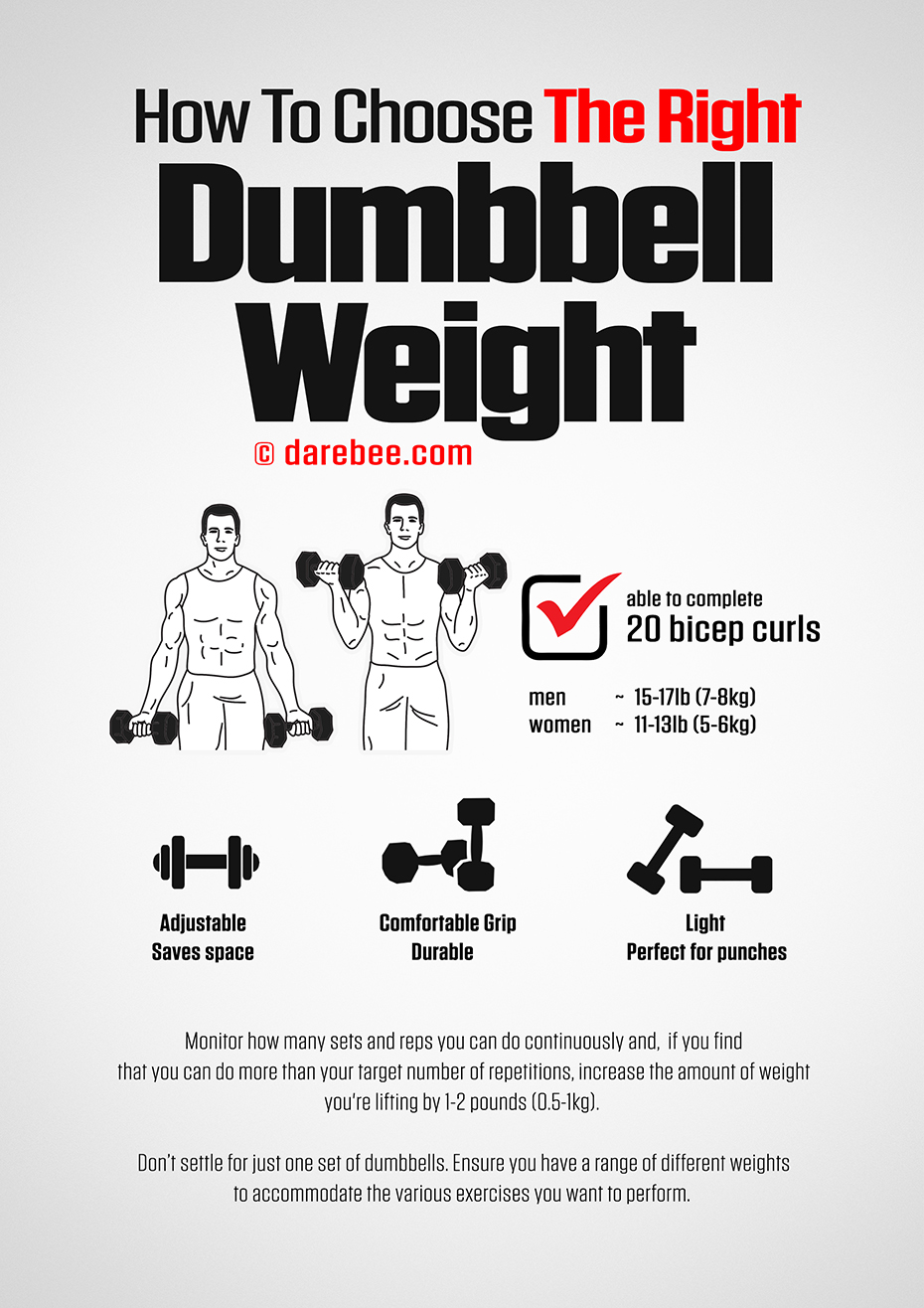
Credit: darebee.com
Beginner Dumbbell Recommendations
Choosing the right dumbbells is crucial for beginners. It sets the foundation for your fitness journey. Starting with appropriate weights ensures effective workouts and minimizes injury risk.
Starting Weights
Begin with lighter weights to learn proper form. Typically, 5 kg dumbbells suit most male beginners. These weights help build strength without overwhelming your muscles. Focus on controlled movements.
Incremental Progression
Gradually increase dumbbell weight as you gain strength. Move up by 2 kg once you master the current weight. This ensures steady progress and prevents plateaus. Listen to your body and adjust as needed.
Intermediate Weight Guidelines
Finding the right dumbbell weight is crucial for effective workouts. Men generally start with 5-10 kg dumbbells, depending on strength. Gradually increase weight as muscles adapt and grow stronger.
Embarking on your fitness journey can be thrilling, especially when you reach the intermediate level in weight training. At this stage, selecting the right dumbbell weight can be crucial for achieving your goals. Whether you’re aiming to build strength or increase endurance, knowing the appropriate weight guidelines can make all the difference in your progress.Building Strength
When aiming to build strength, you’ll want to challenge your muscles with heavier weights. Consider starting with dumbbells weighing between 10 to 20 kg. This range allows you to perform exercises like bench presses and squats effectively. Remember, the goal is to perform fewer reps with more weight. Can you push through that last rep? That’s where true strength lies.Increasing Endurance
Increasing endurance involves lighter weights and higher repetitions. Opt for dumbbells in the 5 to 10 kg range. This weight is ideal for exercises like shoulder presses and lunges. Focus on completing 12 to 15 reps per set. Your muscles should feel a burn, but not exhaustion. Are you ready to increase your stamina and keep going longer? Choosing the right dumbbell weight can transform your workout experience. Always listen to your body and adjust as needed. Are you ready to elevate your training to the next level?Advanced Weight Selection
Advanced weight selection is crucial for maximizing muscle growth in men. It involves choosing the right dumbbells to push your limits safely. Selecting the right weight can enhance your workout efficiency. It helps in achieving your fitness goals faster.
Maximizing Muscle Growth
Muscle growth depends on challenging your muscles consistently. For advanced lifters, heavier dumbbells are essential. Choose weights that allow 6-8 reps with difficulty. This range stimulates muscle fibers effectively. It encourages growth and strength development.
Listening to your body is key. If your form suffers, reduce the weight. Proper form ensures muscle engagement and reduces injury risk. Incrementally increase weight as your strength improves. This keeps your muscles under constant tension.
Avoiding Plateaus
Plateaus occur when progress stalls. Avoid them by varying your routine and weights. Change dumbbell weights every few weeks. This keeps your muscles guessing and adapting. Adjust weights based on your performance and goals.
Incorporate different exercises targeting various muscle groups. This avoids overworking certain muscles and promotes balanced growth. Consistency and variety are crucial to breaking through plateaus. Stay motivated and track your progress regularly.
Common Exercises And Suggested Weights
Choosing the right dumbbell weight is important for your workout. It helps you gain strength and avoid injury. Different exercises need different weights. Knowing the right weight helps you work out better. This guide will help you find the right weight for common exercises.
Upper Body Workouts
Upper body exercises build strength in arms, shoulders, and chest. For bicep curls, start with 5 to 10 kg dumbbells. Increase weight as you get stronger. For shoulder presses, use 7 to 12 kg dumbbells. Adjust weight based on your comfort and strength level. Chest presses often require 10 to 15 kg dumbbells. Ensure you can lift without straining.
Lower Body Workouts
Lower body exercises target legs and glutes. Squats are common for leg strength. Begin with 8 to 15 kg dumbbells. Lunges also help build leg muscles. Use 8 to 12 kg dumbbells for lunges. Deadlifts engage multiple muscles. Consider 12 to 20 kg dumbbells for deadlifts. Gradually increase weight to challenge yourself.
Core Exercises
Core exercises strengthen your abs and back. Russian twists are popular for core strength. Start with 5 kg dumbbells. Increase weight as your core strengthens. For dumbbell sit-ups, use 2 to 5 kg dumbbells. Ensure your movements are controlled. Planks with dumbbells require stability. Try 2 to 4 kg dumbbells when doing planks. Focus on maintaining form.

Credit: www.wikihow.com
Safety Tips For Dumbbell Training
Choosing the right dumbbell weight for men is crucial for safety and effectiveness. Beginners often start with 5-10 kg, focusing on form. Increase gradually to prevent injury and build strength efficiently. Proper technique and listening to your body are key to successful dumbbell training.
When starting your dumbbell training journey, safety should be your top priority. Whether you’re a beginner or an experienced lifter, ensuring you train safely can prevent injuries and help you achieve your fitness goals more effectively. Understanding how to handle dumbbells correctly can make all the difference in your workout experience.Proper Form
Maintaining proper form is crucial when using dumbbells. It helps you target the right muscles and minimizes the risk of injury. Stand with your feet shoulder-width apart and keep your back straight. Avoid swinging the weights or using momentum, as this can lead to poor form. Instead, focus on controlled, steady movements. If you find yourself struggling to maintain form, consider using lighter weights.Injury Prevention
Preventing injury is not just about lifting the right weight; it’s also about listening to your body. If you feel pain or discomfort, stop immediately. It’s better to take a step back than to push through potential harm. Before starting your workout, warm up your muscles with light cardio or dynamic stretches. This increases blood flow and prepares your body for the workout. After your session, cool down with static stretches to aid recovery. Always start with weights you can handle. Gradually increase the weight as you build strength and confidence. Remember, consistency is key, not how heavy you lift. Have you ever picked up a dumbbell and felt unsure about your technique? Many have been there, myself included. Practicing in front of a mirror or asking a trainer for feedback can be incredibly helpful. How do you ensure your safety during workouts? Share your thoughts and tips in the comments below!Adjusting Weights For Different Goals
Selecting the right dumbbell weight depends on your fitness goals. For strength, men might start with 10-15 kg. For endurance or toning, lighter weights around 5-10 kg could be better. Adjust as needed to match your progress and objectives.
Adjusting weights to match your fitness goals is crucial. Whether you’re aiming to build muscle, increase strength, or improve endurance, the dumbbells you choose will play a significant role. Many people wonder what weight dumbbells they should use, especially males who often focus on specific fitness objectives. Understanding how to adjust weights can help you achieve your desired results efficiently.Strength Vs. Hypertrophy
Strength and hypertrophy are two primary goals in weight training. If you’re targeting strength, opt for heavier weights. You should aim for a weight where you can perform 4-6 reps per set. For hypertrophy, which is muscle growth, use moderate weights. The sweet spot is usually around 8-12 reps per set. This range allows the muscles to work hard enough to grow without overstraining.Endurance Vs. Power
Endurance and power require different approaches. For endurance, lighter weights with higher reps (15-20) are ideal. This builds stamina and muscle endurance, perfect for long-distance runners or cyclists. Power, on the other hand, involves explosive movements. Use heavier weights but perform fewer reps (1-5) with maximum effort. This trains your muscles to generate force quickly. If you’ve ever struggled to find the right dumbbell weight, remember: it’s all about your goals. What do you want to achieve? Tailor your weights to match those objectives. Experiment with different weights and track your progress. Adjust as needed. Your body will thank you for it.
Credit: www.lifespanfitness.com.au
Consulting A Fitness Professional
Choosing the right dumbbell weight is crucial for effective workouts. Consulting a fitness professional can help make informed decisions. They offer guidance based on your goals and fitness levels. Expert advice ensures you choose weights that match your strength and abilities. This section explores how professionals can assist in selecting appropriate dumbbells.
Personalized Advice
Fitness professionals tailor advice to your individual needs. They assess your current fitness level. Recommendations are based on your goals. Whether you’re building muscle or maintaining fitness, they provide guidance. Professionals understand the balance between challenge and safety. Their insight helps prevent injuries. Personalized advice ensures a productive workout.
Regular Assessments
Regular assessments by professionals track progress. They adjust weight recommendations as you improve. This ensures continuous development without plateaus. Assessments identify areas needing improvement. They help refine techniques and enhance performance. Regular check-ins keep your workouts effective. Professionals offer feedback to boost confidence and motivation.
Frequently Asked Questions
What Dumbbell Weight Should I Start With?
Starting with 5-10 kg dumbbells is ideal for beginners. This weight allows you to focus on form. Gradually increase the weight as your strength improves to ensure continued progress.
How Do I Choose The Right Dumbbell Weight?
Choose a weight that challenges you but doesn’t compromise your form. Aim for 8-12 reps per set comfortably. If you struggle to complete reps, decrease the weight slightly.
Is Heavier Always Better For Muscle Growth?
Not necessarily. Proper form and consistent reps are key for muscle growth. Gradually increasing weight as your strength improves is beneficial for muscle development.
Can I Use Different Weights For Different Exercises?
Yes, different exercises require different weights. Compound exercises may need heavier weights, while isolation exercises may need lighter ones. Adjust weights based on exercise type and difficulty.
Conclusion
Choosing the right dumbbell weight is crucial. Start with lighter weights. Focus on proper form first. Gradually increase as strength builds. Listen to your body. Avoid strain or injury. Consistency is key to progress. Remember, everyone’s journey is unique. What works for one may not work for another.
Experiment to find your perfect fit. Track your progress regularly. Stay motivated and patient. Strength comes with time and effort. Always prioritize safety in your workouts. Enjoy the process of getting stronger. Fitness is a lifelong journey. Stay committed and enjoy the rewards.