

Imagine setting off on a hiking adventure, surrounded by the soothing sounds of nature and the promise of breathtaking views. But before you take that first step, ask yourself: are you prepared?
Having the right gear can turn a challenging hike into a memorable experience. Whether you’re a seasoned hiker or just starting out, knowing which items to pack is crucial for your safety and enjoyment. In this guide, we’ll reveal the must-have hiking items that will elevate your outdoor escapades.
Keep reading to ensure every hike is not just a journey, but an unforgettable adventure.
Essential Clothing
When you’re planning a hiking adventure, choosing the right clothing is crucial for comfort, safety, and overall enjoyment. The wrong attire can turn a beautiful day into a challenging experience. Let’s dive into the essential clothing items that will make your hike more comfortable and enjoyable.
Layering For Comfort
Layering is key to staying comfortable while hiking. Start with a moisture-wicking base layer to keep sweat off your skin. Add an insulating layer, like a fleece jacket, to keep you warm. Finally, a breathable and waterproof outer layer will protect you from wind and rain. This way, you can adjust your clothing according to the weather and your body temperature. Have you ever been on a hike and wished you could easily add or remove a layer? Proper layering lets you do just that.
Weather-appropriate Attire
Check the weather forecast before heading out. Sunny days call for lightweight, UV-protective shirts and hats. For colder climates, thermal layers are essential. Don’t forget gloves and hats to protect extremities. Is the hike through a rainy forest trail? Waterproof gear is a must. Being prepared for the elements ensures you stay comfortable and safe.
Footwear Considerations
Your choice of footwear can make or break your hiking experience. Opt for hiking boots with good ankle support for rocky terrains. Trail running shoes might be preferable for well-maintained paths. Consider the hike’s length and difficulty when choosing footwear. Have you ever had to cut a hike short because of sore feet? The right footwear prevents blisters and discomfort, letting you focus on the beauty around you.

Credit: www.thepackablelife.com
Navigation Tools
Exploring the great outdoors requires the right gear. Navigation tools top that list. They ensure you stay on track and avoid getting lost. With diverse terrains and weather, a reliable navigation system is crucial.
Maps And Compasses
Maps and compasses are timeless tools. They don’t need batteries or signals. A detailed map shows trails, elevations, and landmarks. Compasses point you in the right direction. Together, they help you navigate any path. Learning to use them is essential for every hiker.
Gps Devices
GPS devices offer precision and reliability. They provide real-time location data. With them, you can track your route and distance. Many devices are rugged and weather-resistant. They are ideal for long hikes in remote areas. Always carry extra batteries to ensure continuous use.
Trail Apps
Trail apps are becoming popular among hikers. They provide detailed trail maps and user reviews. Apps often include offline maps for areas without signal. They can alert you to trail hazards or changes. Easy to use, they enhance your hiking experience.
Safety Gear
Safety gear is crucial for hiking adventures. Essential items include a sturdy helmet, reliable gloves, and protective footwear. These ensure your safety while exploring nature.
Safety on the trail is crucial. Every hiker should prioritize safety gear. It ensures a secure and enjoyable experience. Packing the right items can make all the difference. Let’s delve into essential safety gear you must carry.First Aid Kit
A first aid kit is a must-have. It can handle minor injuries and prevent complications. Pack bandages, antiseptic wipes, and pain relievers. Include tweezers for splinters and a small pair of scissors. Customize your kit based on your hiking environment. A well-stocked kit can save the day.Emergency Shelter
Weather can be unpredictable. Carry a lightweight emergency shelter. It protects against rain, wind, and cold. Options include a bivvy bag or a small tarp. They are compact and easy to pack. Setting it up takes minimal time. This shelter can be a lifesaver during sudden storms.Multi-tool Uses
A multi-tool is versatile and handy. It combines several tools in one. Use the knife for cutting ropes or food. The screwdriver can fix gear issues. Pliers are useful for gripping objects. Choose a multi-tool that fits your needs. Its compact size makes it easy to carry.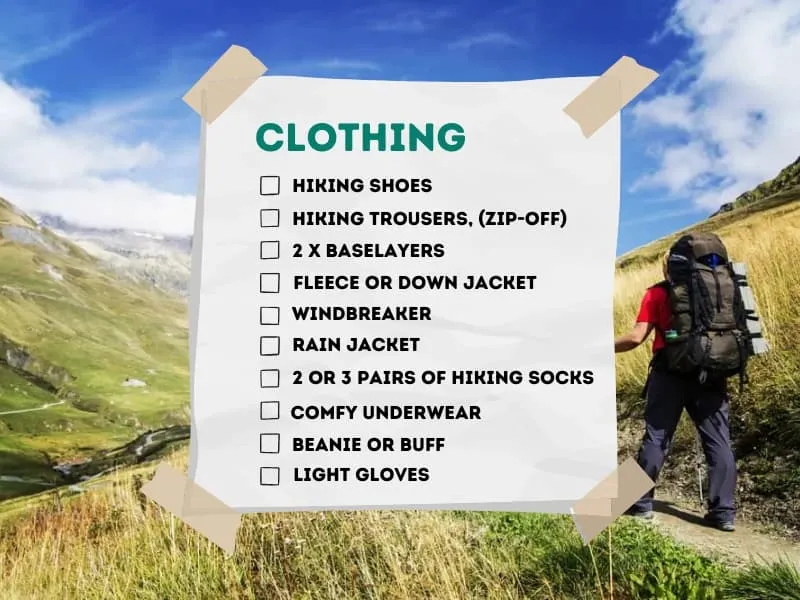
Credit: bookatrekking.com
Hydration Solutions
Hydration solutions are essential hiking items. They ensure you stay refreshed and energized on the trail. Lightweight water bottles or hydration packs make excellent choices for maintaining stamina.
When you’re out on the trail, staying hydrated is crucial. Dehydration can sneak up on you, draining your energy and making every step feel like a chore. Having the right hydration solutions is essential for a safe and enjoyable hiking experience. Let’s dive into some must-have items to keep your thirst at bay and your spirits high.Water Bottles
A reliable water bottle is a hiking staple. Whether you prefer lightweight plastic, durable stainless steel, or eco-friendly glass, choose a bottle that suits your needs. A good rule of thumb is to carry enough water to last the entire hike, but also consider the weight you’ll be carrying. Insulated bottles keep your water cool, which can be a refreshing treat on a hot day. If you’re like me, you might appreciate the motivational boost of sipping chilled water while tackling a tough incline.Filtration Systems
Access to clean water is not always guaranteed on the trail. Portable filtration systems are a game-changer for longer hikes. These compact devices allow you to drink safely from natural sources like streams and lakes, reducing the amount you need to carry. There are various options, from straw-style filters to pump systems and gravity-fed filters. Each has its pros and cons, so think about what fits best with your hiking style.Hydration Packs
For hands-free hydration, nothing beats a hydration pack. These backpacks come with a built-in water reservoir and a convenient drinking tube. Sipping water without stopping keeps your momentum going, especially during challenging sections of the trail. Hydration packs also offer additional storage space for snacks and gear, making them a practical choice for longer adventures. Do you find it easier to stay hydrated when you don’t have to pause to drink? This might be the perfect solution for you. By having the right hydration tools, you can focus more on the stunning views and less on your thirst. What’s your go-to hydration strategy on the trail?Food Supplies
Pack lightweight, nutritious food like energy bars and dried fruits for hiking. These items provide essential energy and are easy to carry. Hydration is crucial, so bring a reliable water bottle or hydration system.
Embarking on a hiking adventure is thrilling, but ensuring you have the right food supplies is crucial to keep your energy up and spirits high. Packing wisely can make a significant difference in your overall experience, keeping you fueled and ready for every challenge the trail throws at you. Let’s dive into the essentials you shouldn’t leave behind on your next journey.Energy Bars And Snacks
Energy bars and snacks are your go-to companions on the trail. They are compact, lightweight, and packed with nutrients. Look for bars high in protein and carbohydrates to give you a quick energy boost. Trail mix is another excellent option—combine nuts, seeds, dried fruits, and a hint of chocolate. It’s a crunchy, satisfying snack that provides a mix of healthy fats and sugars to keep you going. Think about what you enjoy eating. A snack you love can be a morale booster when your energy dips.Meal Planning
Planning your meals can prevent the common pitfall of overpacking or forgetting something crucial. Start by mapping out how many meals you’ll need based on the length of your hike. Consider meals that are easy to prepare and require minimal ingredients. Instant oatmeal for breakfast, pre-packed sandwiches for lunch, and dehydrated meals for dinner are popular choices. Remember portion sizes—it’s easy to overestimate how much you’ll eat. Packing just enough ensures you carry a lighter load.Portable Cooking Gear
If you’re planning on preparing meals, investing in portable cooking gear is a must. A lightweight stove and a compact pot can transform your meal options significantly. Look for gear that’s easy to set up and clean. Some stoves come with self-igniting features, which can be a lifesaver in windy conditions. Don’t forget the utensils! A spork and a lightweight cup can be incredibly useful. Consider how each piece of gear fits into your pack to maximize space. What gear have you found indispensable on your hikes? Sharing tips with fellow hikers can lead to discovering new, efficient tools!Lighting Equipment
Reliable lighting equipment is essential for safe hiking. Headlamps and flashlights help navigate trails after dark. Spare batteries ensure your light source lasts throughout your adventure.
Lighting Equipment is crucial for safe hiking. Without proper lighting, the trail can become dangerous. It’s important to pack reliable lighting tools. These ensure visibility and help you navigate easily. They also signal others in emergencies.Headlamps
Headlamps are hands-free and practical. They provide bright light and allow free movement. Adjustable straps make them comfortable. You can choose models with different beam settings. Waterproof options are great for rainy hikes. Long battery life ensures they last during night hikes. Lightweight designs reduce strain on your head.Flashlights
Flashlights are another essential. They offer focused light and are easy to carry. Compact models fit in pockets or backpacks. Some have wrist straps for secure holding. Bright LED bulbs help you see far ahead. Rechargeable flashlights save money on batteries. Durable bodies withstand rough terrains.Backup Batteries
Backup batteries are lifesavers in emergencies. They keep your devices running smoothly. You need them for headlamps and flashlights. Choose high-capacity batteries for longer hikes. Portable chargers are convenient options. Solar chargers use sunlight, saving energy. Always pack extras for peace of mind.Backpack Essentials
Preparing for a hike involves more than just choosing a trail. Having the right backpack essentials can make or break your experience. A well-packed backpack ensures comfort and readiness for any adventure. Let’s explore how to choose the right backpack and pack effectively.
Choosing The Right Backpack
Selecting the perfect backpack is crucial. Consider the duration of your hike. For day trips, a smaller backpack suffices. Overnight hikes need larger packs. Look for adjustable straps for comfort. Check for multiple compartments to organize items. Waterproof materials protect gear from unexpected rain.
Packing Techniques
Proper packing is an art. Balance is key. Place heavy items close to your back. This prevents strain. Use packing cubes for clothes. Roll clothes to save space. Keep essentials like water and snacks accessible. Distribute weight evenly to avoid discomfort.
Organizational Tips
An organized backpack saves time. Use ziplock bags for small items. Label them for easy access. Pack similar items together. Create a checklist before packing. This ensures nothing is forgotten. Keep emergency gear at the top for quick reach.

Credit: www.thepackablelife.com
Weather Protection
When heading out on a hiking adventure, protecting yourself from the elements is crucial. Weather can be unpredictable, and being prepared ensures a safe and enjoyable experience. Let’s explore the essential items you need for weather protection on your hikes.
Rain Gear
Being caught in a downpour without the right gear can dampen your spirits and your health. A lightweight, waterproof jacket should be at the top of your list. Look for jackets with breathable fabric to stay dry and comfortable. Additionally, pack a pair of rain pants to keep your legs dry during unexpected showers.
Don’t forget a waterproof cover for your backpack to protect your belongings. Remember that wet gear can be heavy, so invest in quality items that are both functional and lightweight.
Sun Protection
Even on cloudy days, UV rays can be harmful. Ensure you have a wide-brimmed hat to shield your face and neck. Sunglasses with UV protection are essential to safeguard your eyes from the sun’s glare.
Apply a broad-spectrum sunscreen with at least SPF 30 before you start your hike. Reapply every two hours, especially if you’re sweating. Consider packing a lightweight, long-sleeve shirt for additional protection without overheating.
Cold Weather Apparel
Cold temperatures can catch you off guard, especially at higher altitudes. Layering is key to staying warm. Start with a moisture-wicking base layer to keep sweat away from your skin. Add an insulating layer, like a fleece or down jacket, for warmth.
Top it off with a windproof and waterproof outer layer to protect against harsh winds and precipitation. Don’t underestimate the importance of a good pair of gloves and a warm hat. Keeping your extremities warm can make a big difference in your overall comfort.
Preparedness is your best friend on the trail. What’s the one item you never leave behind when you hike? Share your must-have gear in the comments!
Communication Devices
Reliable communication devices are essential for hiking safety. They help in emergencies and staying connected with others. Carrying a GPS device or a satellite phone ensures you can signal for help if needed.
Venturing into the wilderness for a hiking adventure brings a sense of freedom and exploration. Yet, ensuring you have reliable communication devices is crucial for safety and peace of mind. Whether you are a beginner or an experienced hiker, having the right tools to stay connected can make a world of difference.Two-way Radios
Two-way radios are a classic choice for hikers wanting to stay in touch with their group. They are lightweight, easy to use, and work well in areas where cell service is unreliable. Picture this: you’re on a trail with friends, and someone decides to take a different path. With two-way radios, you can effortlessly check in and ensure everyone is safe. The range varies depending on the terrain, so choose a model that suits your hiking environment. For instance, radios with a longer range are ideal for mountainous areas. Don’t forget to pack extra batteries to avoid a communication blackout.Satellite Phones
Satellite phones are the go-to option when hiking in extremely remote areas. Unlike cell phones, they don’t rely on local networks and can connect from almost anywhere on the planet. Imagine being in a dense forest or a secluded canyon, and you need to make an emergency call. A satellite phone ensures your call goes through, providing reassurance and access to help if needed. While they can be pricey, renting one for your trip is a cost-effective option. Ensure you understand how to operate it before setting out, so it’s ready when you need it most.Emergency Beacons
Emergency beacons are lifesavers in dire situations. These devices send out distress signals that alert rescue teams to your location. Consider the scenario where you’re injured and unable to move. Activating an emergency beacon can be a critical step in getting timely assistance. Personal Locator Beacons (PLBs) and Satellite Messengers are popular choices. They are compact, easy to activate, and designed specifically for emergencies. Register your device before your hike to ensure your information is up-to-date with rescue services. Choosing the right communication device can significantly enhance your hiking experience. Which one will you pack for your next adventure?Frequently Asked Questions
What Are The 10 Essential Items For Hiking?
Pack a map, compass, water, food, rain gear, first-aid kit, knife, flashlight, sunscreen, and extra clothing for hiking.
What Is The 20% Rule For Backpacking?
The 20% rule for backpacking suggests carrying a backpack that is no more than 20% of your body weight. This helps maintain comfort and prevent strain during hikes. Prioritize essentials and pack light to adhere to this guideline.
What Do All Hikers Need?
Hikers need sturdy boots, a map, a compass, plenty of water, snacks, a first-aid kit, and weather-appropriate clothing. Don’t forget a reliable backpack to carry essentials. It’s important to have a flashlight, multi-tool, and a whistle for emergencies. Always inform someone about your hiking route and estimated return time.
What Are The 10 Essential Survival Items?
The 10 essential survival items include a first-aid kit, water filter, fire starter, knife, flashlight, rope, emergency blanket, whistle, compass, and multi-tool. These items help ensure safety and preparedness in outdoor survival situations.
Conclusion
Packing the right hiking gear ensures safety and comfort outdoors. Essentials like sturdy boots and a reliable backpack make the journey enjoyable. Remember to carry enough water and snacks for energy. Don’t forget a map or GPS for navigation. A first aid kit is crucial for emergencies.
Dress in layers to adapt to weather changes. Flashlights are vital for late hikes. Sunscreen protects against harmful rays. Each item supports a successful hike. Planning well keeps adventures stress-free and memorable. Prepare wisely and enjoy nature’s beauty safely. Gear up and explore with confidence!





