
Are you ready to take your workout to the next level? Knowing how to hold dumbbells correctly can make all the difference in achieving your fitness goals.
Imagine transforming your body, gaining strength, and avoiding injuries, all by mastering a simple technique. Whether you’re a beginner or a seasoned gym-goer, understanding the right way to grip these weights is crucial. It’s not just about lifting; it’s about lifting smart.
You deserve to see results and feel confident in your routine. Dive into the secrets of proper dumbbell handling and unlock the full potential of your workouts. Your path to better fitness starts here, and you won’t want to miss a single tip.

Credit: www.tiktok.com
Choosing The Right Dumbbells
Choosing the right dumbbells is crucial for optimizing your workout routine and achieving your fitness goals. Whether you’re a beginner or a seasoned lifter, the type of dumbbells you use can make a significant difference in your performance and safety. But how do you make the right choice? Let’s break it down into manageable parts.
Weight Selection
Picking the correct weight is a balancing act between challenge and capability. Are you looking to build muscle mass or improve endurance? If you’re just starting out, lighter weights may help you learn the proper form without straining your muscles. Advanced lifters might aim for heavier weights to push their limits and foster growth. You might find that a set of adjustable dumbbells caters to both your progression and space constraints. What weight can you manage without compromising form?
Material And Design
The material and design of your dumbbells are more than just aesthetic choices. They affect grip, safety, and comfort during your workouts. Rubber-coated dumbbells are softer on your floors and quieter when placed down. Steel or iron dumbbells offer durability but might be less forgiving if dropped. Consider how the dumbbells feel in your hand. Are they ergonomically designed for comfort during longer sessions? A good grip can prevent slips and potential injuries. Which material and design resonate with your needs?
Choosing the right dumbbells isn’t just a matter of picking up the heaviest pair you can find. It’s about understanding your own abilities and the specifics of your workout goals. The right choice will empower you to lift with confidence, safety, and effectiveness. As you select your dumbbells, remember to align them with your personal fitness journey. What will your choice say about your dedication and progress?

Credit: www.wikihow.com
Grip Techniques
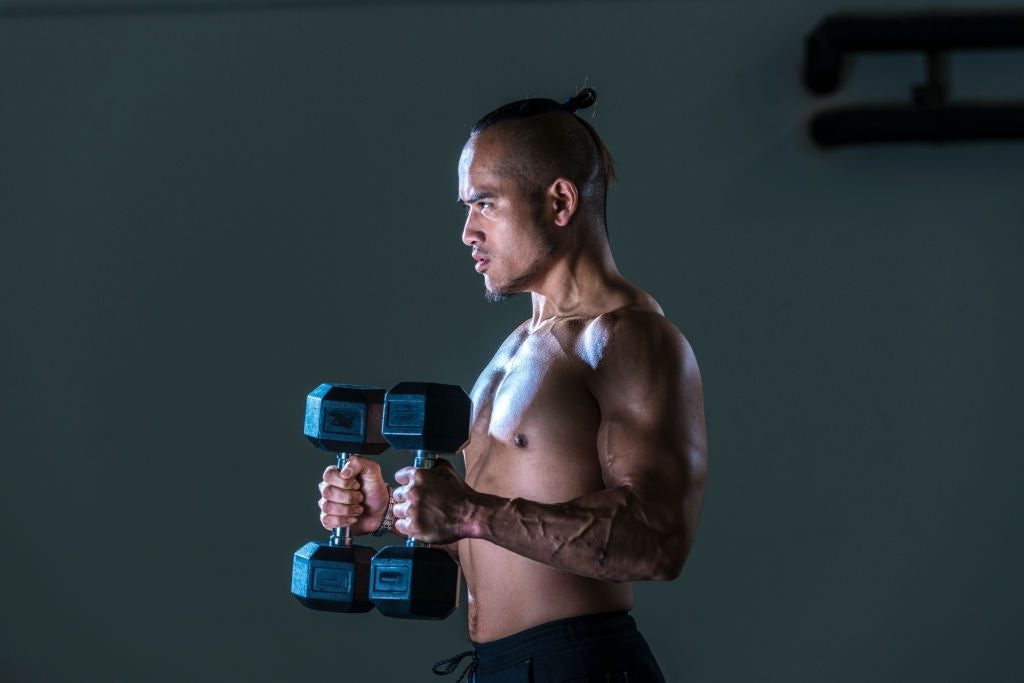
Proper grip on dumbbells is essential for safe and effective workouts. Keep your wrists straight and palms facing forward. Ensure fingers wrap comfortably around the handle for stability and control.
Grip Techniques Mastering how to hold dumbbells is essential for maximizing your workout and preventing injury. The way you grip the dumbbells can change the entire focus of an exercise. It can target different muscles, enhance your stability, and even increase your strength. Let’s dive into the different grip techniques that can transform your training sessions.Neutral Grip
Using a neutral grip means your palms face each other while holding the dumbbells. This grip is particularly beneficial for exercises like hammer curls and tricep extensions. It can reduce the strain on your wrists and shoulders, making your workout more comfortable. A neutral grip often feels more natural. You might notice improved control during your lifts. Have you ever tried this grip for exercises like shoulder presses? If not, give it a shot and see the difference in stability.Overhand Grip
An overhand grip, where your palms face down, is common in exercises like bent-over rows and shoulder raises. This grip engages the back and shoulder muscles more effectively. It can be a bit challenging but rewarding for muscle development. If you find your grip strength lacking, you might want to practice this grip more often. It’s an excellent way to strengthen your forearm muscles. Next time you do rows, pay attention to how this grip affects your muscle activation.Underhand Grip
With an underhand grip, your palms face up. This is frequently used in bicep curls and can shift the focus onto the biceps more directly. It also allows for a greater range of motion in certain exercises. Have you ever felt your biceps burn more intensely during curls? That’s the underhand grip at work. It’s also easier on the wrists for many people. Try alternating between overhand and underhand grips to see which one feels better and delivers the results you want. Experiment with these grip techniques next time you’re at the gym. Notice how each one feels and how it affects your performance. Which grip challenges you the most? Understanding these differences can help tailor your workout to your specific goals and needs.Hand Positioning
Correct hand positioning is crucial for effective dumbbell workouts. It enhances control and prevents injuries. Proper hand placement ensures stability and maximizes strength. Let’s explore how to grip dumbbells correctly.
Placement For Stability
Stability starts with correct hand placement. Position the dumbbell handle in the center of your palm. This balanced grip helps avoid strain. Keep your fingers wrapped securely around the handle. Ensure your wrists are straight to maintain control. A firm grip stabilizes the weight during movement.
Thumb Position
The thumb plays a key role in grip strength. Wrap your thumb around the handle opposite your fingers. This grip is called the “hook grip.” It enhances control and prevents slipping. Avoid placing your thumb parallel to your fingers. This position weakens grip security. A secure thumb positioning aids in maintaining balance and control.

Credit: www.instagram.com
Body Alignment
Holding dumbbells with proper body alignment is key to effective workouts. Keep wrists straight and grip firm. Align shoulders, hips, and feet to prevent injury and ensure balance.
When you’re working with dumbbells, body alignment is crucial for safety and effectiveness. Proper alignment not only prevents injuries but also maximizes the benefits of your workout. Let’s delve into the essential components of body alignment: posture importance and core engagement.Posture Importance
Your posture sets the foundation for every exercise. Standing tall with your shoulders back and chest open not only looks confident but also supports your back. Imagine you’re balancing a book on your head. This simple visualization helps you maintain a straight spine. Incorrect posture can lead to strains and reduce the efficiency of your workout. A slight forward tilt can put stress on your lower back. Always check yourself in a mirror or ask a friend to observe your form.Core Engagement
Engaging your core is like activating your body’s internal belt. It stabilizes you and helps in maintaining balance. Whether you’re lifting, curling, or pressing, a tight core supports your spine and enhances control. Try this: before lifting, take a deep breath and tighten your abdominal muscles. This doesn’t mean holding your breath, just a firm contraction. Notice how this small action provides more stability? Have you ever felt wobbly during a lift? That’s often due to a disengaged core. Keep your core engaged throughout each set to avoid unnecessary sway and improve your form. Proper body alignment with dumbbells isn’t just about avoiding injury—it’s about making every rep count. When you focus on posture and core engagement, you set the stage for a more effective workout. Why not give it a try and feel the difference for yourself?Common Mistakes
When you’re working out with dumbbells, holding them correctly is crucial for safety and effectiveness. But many people make common mistakes that can lead to injuries or diminish workout results. Whether you’re a beginner or have been lifting for years, understanding these errors can help you improve your technique and get the most out of your workouts.
Grip Errors
One frequent mistake is not gripping the dumbbells tightly enough. A loose grip can cause the weights to slip, risking injury. Imagine you’re holding onto a fragile item; you want a firm grip but not so tight that you squeeze the life out of it.
Another error is using your fingers to hold the dumbbells instead of your whole hand. This can strain your fingers and forearms. Make sure your palm is fully engaged, wrapping around the handle completely.
Consider the pressure you’re applying. If you’re gripping too tight, you may feel unnecessary tension in your arms. Have you noticed your forearms burning after a workout? Adjust your grip to relieve that tension.
Wrist Positioning
Keeping your wrists straight is essential. Bent wrists can lead to discomfort or even injury. Imagine balancing a tray; you want your wrists stable, not wobbling.
Many lifters tilt their wrists upwards or downwards while lifting, which is a common mistake. This misalignment can lead to wrist strain. Check your wrist position before each set; it should be neutral, like shaking someone’s hand.
Think about your wrist during each rep. Is it straight and aligned with your forearm? If you find your wrists bending, consciously adjust them. This simple action can prevent long-term injuries.
Have you ever considered how these mistakes could be affecting your workout results? By addressing grip and wrist positioning, you might find your strength improving and your workouts becoming more efficient. Reflect on your technique next time you pick up those dumbbells. What adjustments can you make for a safer and more effective session?
Safety Tips
Safety is crucial when holding dumbbells during workouts. Proper technique prevents injuries and boosts effectiveness. Ignoring safety can lead to strains or more serious issues. Let’s explore some key safety tips for holding dumbbells correctly.
Warm-up Routines
Warming up prepares your body for exercise. It increases blood flow to muscles. Spend at least five minutes warming up. Focus on large muscle groups. Perform dynamic stretches and light cardio. Arm circles and leg swings work well. They activate muscles and improve flexibility. Warm muscles are less prone to injury.
Avoiding Overexertion
Overexertion can lead to fatigue or injury. Listen to your body. Start with lighter weights. Gradually increase the weight as you progress. Pay attention to your form. A correct form reduces the risk of injury. Rest between sets is important. Allow muscles time to recover. Stay hydrated throughout your workout. Dehydration increases the risk of injury.
Progression Strategies
Progression in strength training requires a strategic approach. Holding dumbbells with precision is only the beginning. To achieve your fitness goals, incorporate effective progression strategies. These techniques ensure continuous improvement, avoiding plateaus. Let’s explore key methods to enhance your dumbbell workouts.
Increasing Weight
Gradually increasing weight is crucial for muscle growth. Start with a manageable weight. Ensure correct form before adding more pounds. Increase the dumbbell weight by 5% to 10%. Monitor your form to avoid injury. Adjust the weight according to your comfort and strength. Consistent weight increase challenges your muscles, promoting growth.
Varying Exercises
Different exercises target various muscle groups. Incorporate a mix of exercises in your routine. Try bicep curls, tricep extensions, and shoulder presses. Switch between compound and isolation movements. This variety prevents boredom and challenges your muscles differently. Change your routine every few weeks for optimal results.
Frequently Asked Questions
How Do I Grip Dumbbells Correctly?
To grip dumbbells correctly, wrap your fingers around the handle firmly. Ensure your thumb is opposite to your fingers, creating a secure hold. Keep your wrists straight to prevent strain. A proper grip ensures safety and effective exercise performance.
What Is The Best Dumbbell Position For Curls?
For curls, hold the dumbbells with your palms facing forward. Keep your elbows close to your body. This position engages your biceps effectively. Start with light weights to maintain proper form and gradually increase as you build strength.
How Should Beginners Hold Dumbbells?
Beginners should start with a neutral grip, palms facing each other. This grip reduces wrist strain and is more comfortable. Focus on maintaining balance and control. Begin with lighter weights to ensure proper form and gradually progress.
Can Improper Dumbbell Holding Cause Injury?
Yes, improper holding can lead to wrist and shoulder injuries. A loose grip or bent wrists increase risk. Always use a secure grip and maintain proper form. Start with manageable weights to avoid strain and injury.
Conclusion
Holding dumbbells correctly boosts your workout efficiency. Proper grip ensures safety and maximizes muscle engagement. Practice different grips for varied exercises. Comfortable hold prevents injuries and enhances strength training. Always focus on form, not just weight. Consistent practice builds confidence and skill.
Adjust grip based on exercise type. Listen to your body and avoid straining. Grip strength improves over time with regular training. Stay committed to learning and improving technique. Your progress depends on dedication and safe practices. Remember, the key is consistency and proper form.
Aim for steady improvement and enjoy your fitness journey.