
Are you ready to hit the water and explore the thrill of kayaking? Before you embark on your next adventure, there’s one critical question you need to consider: Do I need a PFD on a kayak?
This is a question that many paddlers overlook, yet it could be the difference between a fun day out and a potential disaster. A PFD, or Personal Flotation Device, is more than just a lifejacket—it’s your lifeline on the water.
But do you really need one? Let’s dive into the facts and explore why wearing a PFD is not just a smart choice but an essential one. Whether you’re a seasoned pro or a kayaking newbie, understanding the importance of a PFD could save your life. Read on to discover why this piece of equipment should be a non-negotiable part of your kayaking gear.
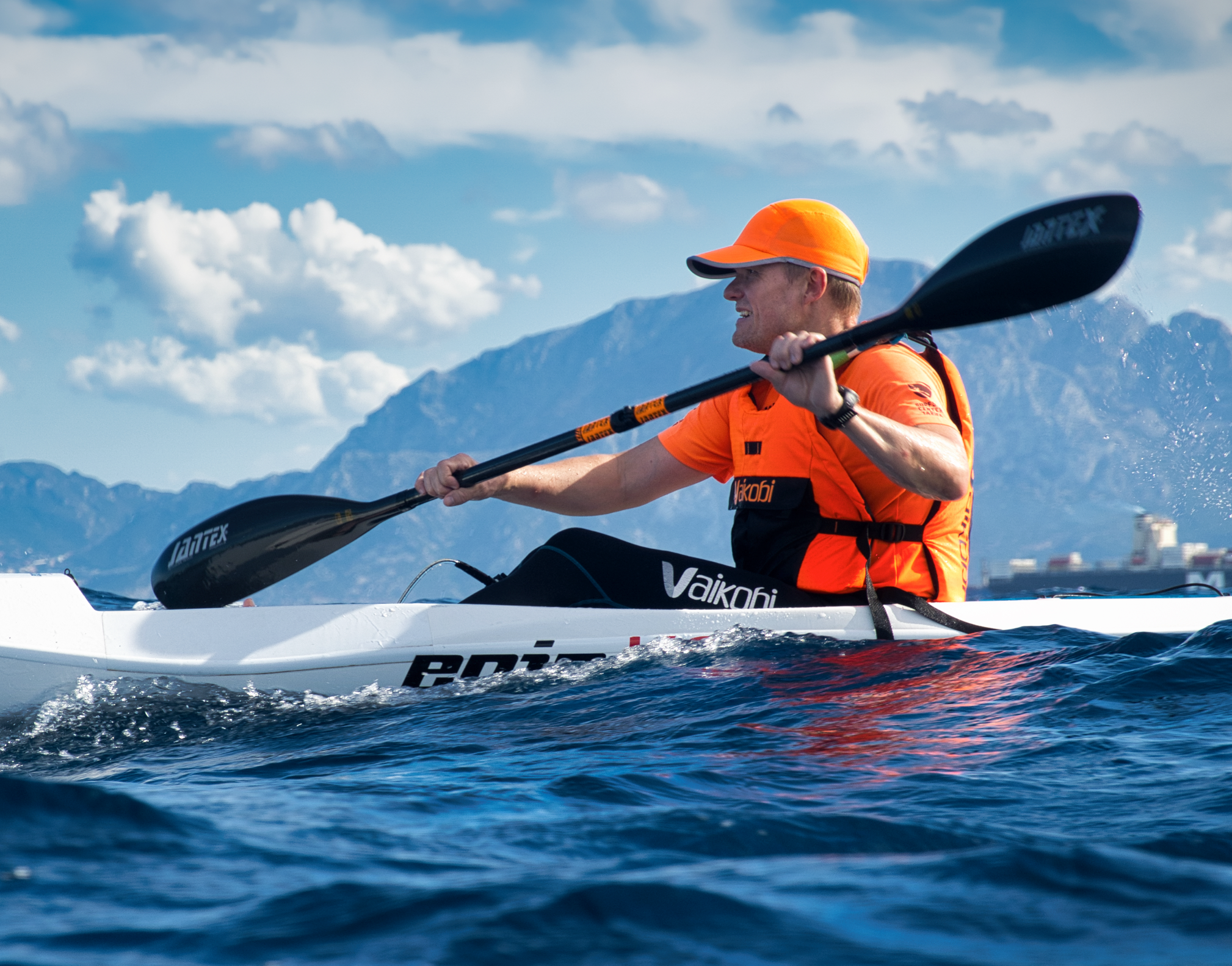
Credit: www.vaikobi.com
Importance Of Pfds
PFDs, or personal flotation devices, are essential for safety on a kayak. They help prevent drowning in emergencies. Wearing a PFD ensures compliance with safety regulations and protects you during unexpected situations on the water.
The Importance of PFDs on a kayak cannot be overstated. Personal Flotation Devices (PFDs) are essential for safety. They are life-saving tools in water activities. Kayaking can be unpredictable. Waves and currents might catch you off guard. Wearing a PFD ensures your safety. It keeps you afloat if you fall into the water. PFDs are designed to save lives. They provide buoyancy and prevent drowning. Many kayaking accidents happen unexpectedly. Having a PFD reduces risks significantly.The Basics Of Pfds
PFDs come in different styles and types. Each type serves a specific purpose. Kayak-specific PFDs are made for comfort. They allow freedom of movement. This is crucial for paddling efficiently. Some PFDs have pockets for gear. Others have reflective strips for visibility. Choosing the right PFD is important. It ensures comfort and safety on the water. In many regions, wearing a PFD is mandatory. Laws require PFDs for safety reasons. Fines may be imposed for non-compliance. Authorities enforce these rules strictly. Following the law keeps you safe. It also avoids unnecessary penalties. Always check local regulations before kayaking. This ensures you’re prepared and compliant.Enhanced Safety Measures
PFDs offer more than buoyancy. They enhance safety in various ways. Some come with whistles for signaling. Others have straps for secure fit. High-quality PFDs resist water absorption. This keeps them lightweight and effective. Invest in a reliable PFD for peace of mind. It’s a small price for safety assurance. Selecting the right PFD is crucial. Consider the fit and comfort first. Test the PFD before buying it. Ensure it fits snugly but not tightly. Look for adjustable straps for a custom fit. Check the material for durability. A good PFD lasts through many adventures. Choose one with features that suit your needs.
Credit: m.facebook.com
Types Of Pfds
Choosing the right Personal Flotation Device (PFD) for your kayaking adventure is crucial. Not all PFDs are created equal, and understanding the different types can make a big difference in your safety and comfort on the water. Let’s explore the various options available to you.
Inflatable Pfds
Inflatable PFDs are lightweight and less bulky, making them a popular choice for many kayakers. They offer excellent buoyancy and are easy to store. However, they require manual or automatic inflation, which means you must be prepared to activate them in an emergency.
I once wore an inflatable PFD during a long paddling session. Its compact design allowed me to move freely without feeling restricted. But remember, they are not always the best option for whitewater kayaking or situations where you might frequently get wet.
Foam Pfds
Foam PFDs are reliable and provide constant buoyancy without needing any activation. They are ideal for beginners and offer peace of mind as they always stay afloat, even if you end up in the water unexpectedly.
During a kayaking trip with friends, I noticed how foam PFDs kept everyone at ease, especially in rapid waters. They are slightly bulkier but provide a sense of security that can be comforting when navigating challenging environments.
Hybrid Pfds
Hybrid PFDs combine the best features of inflatable and foam PFDs. They offer constant buoyancy with added inflation for extra lift when needed. These are versatile and can adapt to various kayaking conditions.
Imagine having a PFD that adjusts to your needs as you switch from calm lakes to more turbulent waters. Hybrid PFDs offer that flexibility, ensuring you are well-equipped for different scenarios.
So, which PFD suits your kayaking style? Think about your usual paddling conditions and personal preferences. Prioritize safety and comfort, and you’ll enjoy your time on the water with peace of mind.
Choosing The Right Pfd
PFDs are essential for kayak safety, keeping you afloat in emergencies. Proper fit ensures comfort and effectiveness. Always choose a PFD designed specifically for kayaking to ensure both safety and ease of movement.
Choosing the right PFD for kayaking is crucial for safety and comfort. A Personal Flotation Device (PFD) is not just mandatory; it’s your lifeline on water. It must fit well, be durable, and have essential safety features. This guide will help you select the best PFD for kayaking adventures.Fit And Comfort
A PFD should snugly fit your body without being too tight. Adjustable straps allow for a tailored fit. Check the armholes; they should offer free movement. Comfort is key, especially on long trips. Try it on before buying. Ensure it doesn’t ride up when seated.Material And Durability
Choose PFDs made from strong materials. Look for rip-resistant fabrics. Nylon is popular for its durability. Inspect stitching quality. A well-sewn PFD lasts longer. Avoid cheap options. Quality materials withstand wear and tear.Safety Features
Safety features are vital. Reflective tapes enhance visibility in low light. Consider PFDs with whistles for emergency signaling. Pockets for small gear are handy. Check buoyancy levels suitable for your weight. Ensure it meets safety standards. Trustworthy PFDs offer peace of mind.Legal Requirements
Understanding legal requirements for kayaking safety is essential. Most places mandate wearing a Personal Flotation Device (PFD) on a kayak. Always check local regulations to ensure compliance and safety on the water.
Navigating the legal requirements for wearing a Personal Flotation Device (PFD) while kayaking can feel like a daunting task. Rules vary not only from country to country but also between states and local jurisdictions. It’s crucial to understand these requirements to ensure your safety and compliance.Understanding Federal Regulations
Federal laws, especially in places like the United States, often set a baseline for water safety. The U.S. Coast Guard mandates that each kayaker must have a U.S. Coast Guard-approved PFD on board. This applies whether you’re paddling on a peaceful lake or navigating through turbulent rivers.State-specific Laws
State laws may impose additional stipulations, making it essential to check the rules in your area. Some states require wearing a PFD at all times, especially for children under a certain age. Even if you’re an experienced kayaker, ignorance of these laws can lead to hefty fines.Age And Pfd Requirements
Age is a significant factor in PFD regulations. For instance, many states enforce stricter rules for children, mandating that they wear a PFD at all times while on the water. This is not just a legal necessity but also a critical safety measure for young paddlers.Local Ordinances And Exceptions
Local ordinances can add another layer of regulation. In some areas, exceptions might exist for certain water conditions or types of kayaking activities. It’s wise to consult local authorities or check official websites to gain clarity on any specific exemptions or additional requirements.Consequences Of Non-compliance
Failing to adhere to legal requirements can have serious consequences. Besides potential fines, not wearing a PFD can endanger your life. Imagine a sudden capsize in frigid waters without a PFD—it’s a risk not worth taking. Always ensure you’re legally and safely equipped for every adventure. Understanding these legal requirements not only keeps you compliant but also enhances your safety on the water. So, next time you head out with your kayak, will you be prepared?Common Misconceptions
When it comes to kayaking, the debate about whether a Personal Flotation Device (PFD) is necessary often leads to misunderstandings. Many assume that kayaking on calm waters or being an experienced swimmer negates the need for a PFD. Let’s tackle these common misconceptions and clarify why a PFD is crucial.
Misconception 1: Experienced Swimmers Don’t Need Pfds
Being a strong swimmer might give you confidence, but it doesn’t guarantee safety. Water conditions can change rapidly, and unexpected situations like equipment failure or sudden weather changes can occur. A PFD provides an extra layer of safety, ensuring you’re prepared for any eventuality.
Misconception 2: Calm Waters Are Safe Without A Pfd
Calm waters can be deceptive. Hidden currents and underwater obstacles can pose risks even when the surface seems tranquil. Wearing a PFD ensures you’re ready for surprises beneath the surface, giving you peace of mind as you paddle.
Misconception 3: Pfds Are Uncomfortable And Restrictive
Modern PFDs are designed with comfort in mind. They are lightweight and adjustable, ensuring they don’t hinder movement. Investing in a quality PFD can make all the difference in your kayaking experience, offering both safety and comfort.
So, what do you think? Would you rather have the assurance of safety with a PFD, or risk facing unforeseen challenges without one? Making the right choice can enhance your kayaking adventure, ensuring you’re equipped for whatever the waters may bring.
Additional Safety Gear
When you’re out on the water, a PFD is essential, but it’s not the only gear you should consider. Equipping yourself with additional safety gear can enhance your protection and preparedness in unexpected situations. Let’s dive into some essential items that can make your kayaking adventure safer and more enjoyable.
Whistle
A whistle is a small but powerful tool, capable of cutting through the noise of the water and alerting others to your presence. It can be your voice when you need help or want to signal to fellow kayakers. Keep it attached to your PFD for easy access. Imagine being caught in a strong current; a whistle can be your lifeline to attract attention and get assistance quickly.
Helmet
While kayaking on calm waters may not necessitate a helmet, if you’re navigating rapids or areas with potential obstacles like rocks, wearing one is prudent. A helmet protects your head from unexpected impacts. Think of it as an insurance policy for your brain, crucial for those thrilling but risky adventures. You wouldn’t ride a bike without a helmet, so why kayak without one in challenging conditions?
First Aid Kit
A compact first aid kit can be invaluable in treating minor injuries on the spot. Whether it’s a cut from a sharp rock or a blister from paddling, having basic medical supplies at hand can prevent small issues from becoming big problems. Customize your kit to include items specific to your needs. Would you rather paddle back to shore for a band-aid, or have one ready when you need it most?
Safety Tips For Kayaking
Wearing a PFD is crucial for kayaking safety. It keeps you afloat in emergencies and is often legally required. Always ensure your PFD fits snugly for maximum protection.
Kayaking is an exciting adventure but requires careful planning for safety. Wearing a Personal Flotation Device (PFD) is crucial. It can save your life if you fall into the water. To ensure a safe experience, follow these essential safety tips.Weather Awareness
Check the weather forecast before heading out. Windy conditions can create large waves. Storms can come suddenly, making the water dangerous. Always be prepared for changes in weather. Dress appropriately and pack rain gear if needed.Communication Plans
Tell someone your kayaking plans. Share your route and expected return time. Bring a mobile phone in a waterproof case. Consider using walkie-talkies for group trips. These devices keep you connected if you lose sight of each other.Skill Assessment
Understand your kayaking skill level. Choose routes that match your experience. Beginners should avoid rough waters. Take lessons to improve your skills. Practice different techniques regularly. This builds confidence and improves your safety on the water.
Credit: stohlquist.com
Pfd Maintenance
A personal flotation device (PFD) is essential for kayaking safety. It helps prevent drowning and ensures peace of mind. Even experienced kayakers should wear a PFD to stay safe on the water.
Maintaining your Personal Flotation Device (PFD) is crucial to ensure it functions properly when you need it most. A well-maintained PFD can be the difference between safety and danger on the water. Proper care not only extends the life of your equipment but also ensures your safety is never compromised. Let’s dive into how you can keep your PFD in top condition.Cleaning And Storage
Keeping your PFD clean is essential. After each use, rinse it with fresh water to remove salt, sand, or dirt. Avoid using harsh detergents; a mild soap will suffice if needed. After cleaning, let it dry thoroughly before storage. Hang it in a well-ventilated area away from direct sunlight. UV rays can deteriorate the materials over time, reducing the PFD’s effectiveness. Store your PFD in a cool, dry place. Avoid compressing it under heavy objects. Compression can damage the foam inside, affecting buoyancy.Regular Inspections
Regular inspections are vital. Check your PFD before each trip for visible damage such as tears, punctures, or worn straps. Pay attention to the buckles and zippers as they need to function correctly in an emergency. Ensure the reflective tape is intact and visible. This can be crucial in low-light rescue situations. Test the buoyancy periodically. You can do this in a pool or shallow water. If the PFD doesn’t keep you afloat as it should, it might be time for a replacement. By investing time in PFD maintenance, you ensure safety on your kayaking adventures. Ask yourself, when was the last time you inspected your PFD? Regular upkeep helps you stay prepared and confident on the water.Frequently Asked Questions
Do You Need A Pfd On A Kayak?
Yes, wearing a PFD (Personal Flotation Device) is essential for safety while kayaking. It helps prevent drowning and meets legal requirements. Always ensure your PFD is properly fitted and approved by relevant authorities. Prioritize safety by wearing a PFD, especially in unpredictable water conditions.
Do I Need A Life Jacket On A Kayak?
Yes, wearing a life jacket is crucial for safety on a kayak. It helps in case of accidents or emergencies, ensuring buoyancy and protection. Even experienced kayakers should wear them, as unpredictable water conditions can arise at any time.
Can I Kayak Without A Pfd?
It’s not recommended to kayak without a PFD. Most regions have legal requirements for wearing life jackets. They are essential for safety in emergencies, even if you’re a strong swimmer. It’s better to be safe and comply with regulations.
What Type Of Pfd Is Best For Kayaking?
Choose a PFD designed for kayaking that offers freedom of movement. Look for features like adjustable straps and pockets. Ensure it fits snugly but comfortably. Check its buoyancy rating to ensure adequate safety in the water.
Conclusion
Wearing a PFD on a kayak keeps you safe. It’s not just a suggestion; it’s smart. The water can be unpredictable. A PFD helps you stay afloat if you fall in. Many places require it by law. But even if they don’t, it’s wise to wear one.
Think of it as a simple safety step. Prioritize your life and peace of mind. Enjoy your kayaking adventures with confidence. Stay safe, stay prepared, and have fun!