Choosing the right trolling motor for your kayak can feel a bit overwhelming. You might be wondering, “What size trolling motor do I need for my kayak?”
You’re not alone. Many kayak enthusiasts, whether beginners or seasoned paddlers, find themselves in the same boat—literally and figuratively. Getting the perfect motor size is crucial. It can transform your kayaking experience from a tiring paddle to a smooth, enjoyable ride.
Imagine gliding effortlessly across the water, exploring hidden coves and reaching your favorite fishing spots with ease. The right trolling motor can make that dream a reality. But how do you know which size is perfect for you? In this guide, we’ll unravel the mystery behind choosing the ideal trolling motor size, ensuring your kayak adventures are nothing short of extraordinary. Stick around to discover how to maximize your kayak’s potential and enjoy every moment on the water.
Choosing The Right Trolling Motor
Choosing the right trolling motor for your kayak can significantly enhance your fishing or leisure experience. Imagine gliding effortlessly across the water, with just the right amount of power to navigate through your favorite spots. But what factors should guide your decision? How can you avoid common pitfalls? Let’s dive into these considerations.
Factors To Consider
When selecting a trolling motor, think about the size and weight of your kayak. A larger kayak may require more thrust to move efficiently. Consider the type of water you often paddle in. Calm lakes require less power compared to rivers with strong currents.
Battery life is crucial. You’ll want a motor that lasts throughout your trip without needing frequent recharges. Opt for a motor with adjustable speed settings. This flexibility can help you conserve battery life while tailoring your speed to different conditions.
Mounting options matter too. Ensure the trolling motor you choose can be securely attached to your kayak without causing damage. Check compatibility with your kayak model for a seamless fit.
Common Mistakes
One common mistake is choosing a motor that’s too powerful or too weak for your kayak’s size. This can lead to inefficient movement or unnecessary strain on your kayak. Always match the motor’s thrust to your kayak’s specifications.
Overlooking battery capacity is another frequent error. Many assume any battery will suffice, but without adequate capacity, you risk cutting your adventure short. Invest in a high-quality battery that complements your motor’s needs.
Failing to consider the environment where you paddle can also lead to poor motor choices. A motor suited for calm waters might underperform in windy or choppy conditions. Assess the typical weather and water conditions you face before making a decision.
What experiences have you had with trolling motors? Have you ever found yourself struggling against strong currents or faced battery issues? Reflect on these scenarios to guide your purchase.
Power Requirements
Choosing the right trolling motor for your kayak depends on power needs. Consider the kayak’s size and weight. A motor with adequate thrust ensures smooth navigation in various water conditions.
Understanding the power requirements for your kayak’s trolling motor is crucial for a smooth and enjoyable paddling experience. Whether you’re exploring serene lakes or battling river currents, the right power setup ensures efficiency and reliability. Let’s dive into the essential elements of power requirements to help you make an informed decision.Thrust Levels
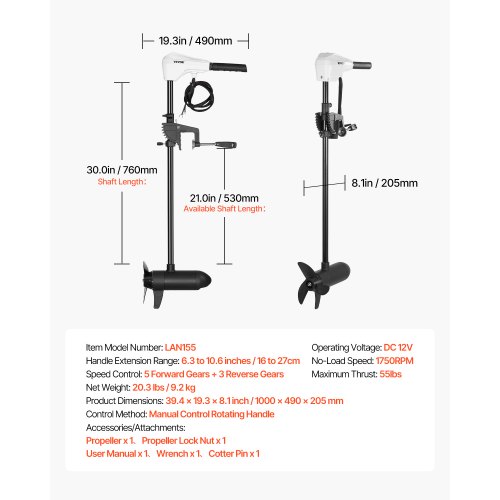
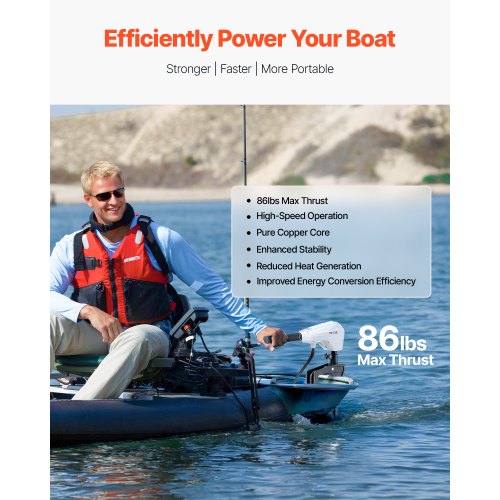
The thrust level of a trolling motor is a measure of its power output. For kayaks, a motor with a thrust level of 30 to 55 pounds is generally sufficient. Selecting the right thrust depends on factors like the weight of your kayak, the water conditions, and how fast you want to go. If you’re navigating against strong currents or carrying a lot of gear, opting for a motor on the higher end of the thrust spectrum can be beneficial. Remember, more thrust doesn’t necessarily mean more speed. Instead, it provides better handling and control, especially in challenging conditions.Battery Capacity
Your trolling motor’s battery capacity is crucial for determining how long you can stay on the water. Battery capacity is measured in amp hours (Ah), and higher Ah ratings mean longer run times. Consider the duration of your trips to choose the right battery. If you’re planning a full day of fishing, a battery with at least 100 Ah might be necessary. It’s also wise to think about the type of battery. Deep cycle batteries are often recommended for trolling motors due to their ability to deliver consistent power over extended periods. Investing in a quality battery can make the difference between a relaxing day on the water and an unexpected return to shore.Shaft Length Considerations
Choosing the right shaft length for your kayak’s trolling motor is crucial. It ensures efficiency and comfort during your water adventures. A well-suited shaft length keeps the motor submerged, enhancing performance. Let’s explore the factors to consider.
Importance Of Shaft Length
Shaft length impacts your kayak’s performance significantly. Too short, and the motor may not stay submerged. This can lead to inefficient movement and noisy rides. A longer shaft helps maintain consistent motor depth, offering better control.
Consider the water conditions you often encounter. In choppy waters, a longer shaft prevents the propeller from surfacing. This ensures smooth and uninterrupted propulsion. Thus, understanding the importance of shaft length aids in making informed decisions.
Adjusting For Kayak Type
Different kayaks require different shaft lengths. Sit-on-top kayaks often sit higher on the water. They may need a longer shaft to reach optimal depth. Sit-in kayaks sit lower, possibly requiring a shorter shaft.
Measure the distance from the mounting point to the waterline. Add an extra length to ensure the motor stays submerged. This adjustment varies depending on your kayak’s design and your personal preference.
Consider your kayaking style too. If you enjoy fishing, a longer shaft allows better maneuverability. It ensures the propeller stays well below the surface, even with gear weight. Choose wisely based on your kayak type and usage needs.
Credit: brooklynkayakcompany.com
Mounting Options
Choosing the right size trolling motor for your kayak depends on the kayak’s weight and water conditions. A motor with 30-55 pounds of thrust is generally suitable for most kayaks. Consider the mounting options to ensure easy installation and optimal performance on your adventures.
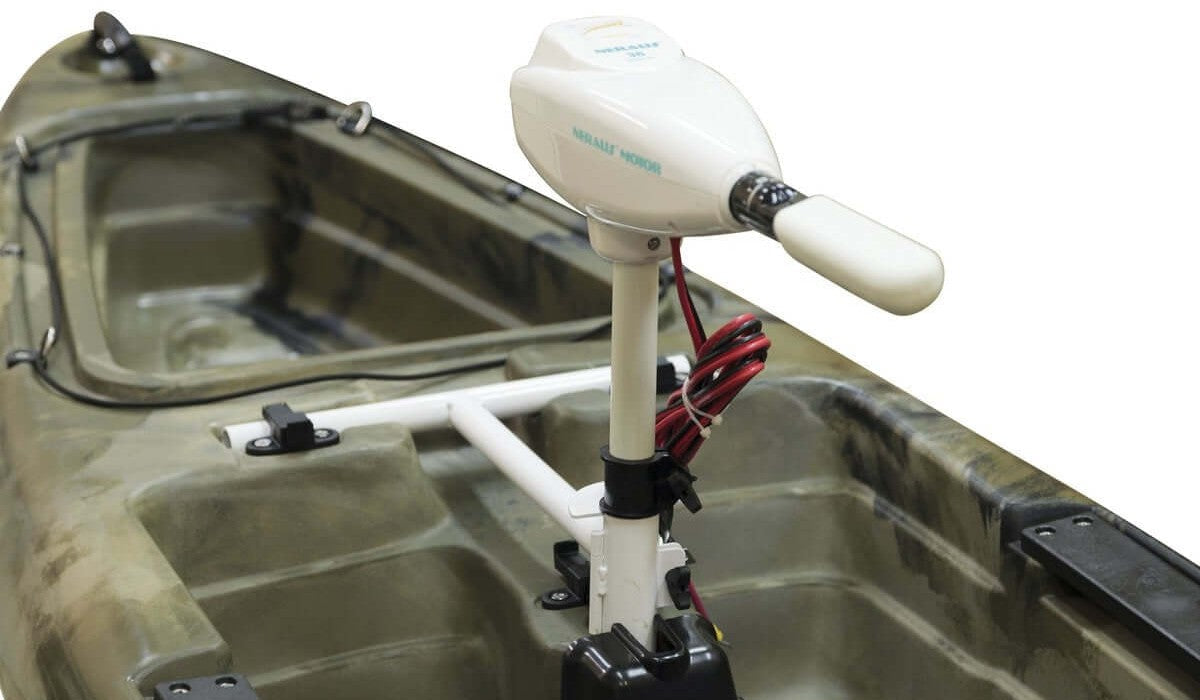
Mounting a trolling motor on your kayak can transform your fishing experience, offering more speed and control. But how do you decide where to mount it? There are two primary options: transom mounts and bow mounts. Each has its unique benefits and considerations. Let’s dive into these mounting options to help you make the best choice for your kayaking adventure.Transom Mounts
Transom mounts are popular for their simplicity and ease of installation. They attach to the rear of your kayak, providing straightforward access and control. Imagine a scenario where you’re paddling along a serene lake, and suddenly you spot a prime fishing spot. With a transom mount, you can swiftly engage your trolling motor without needing to turn your kayak around. Consider the accessibility. You can reach the motor controls easily, making quick adjustments without leaving your seat. This mount type is ideal for kayakers who prefer a relaxed, sit-back experience as they navigate through various water bodies. Yet, think about your kayak’s balance. A transom-mounted motor might affect steering slightly, especially in strong currents or windy conditions. However, if your kayak is stable and designed for such setups, this can be a minor issue.Bow Mounts
Bow mounts offer a different set of advantages, often favored by those seeking precise control and maneuverability. When mounted on the front, the motor pulls your kayak rather than pushing it, offering improved steering and directionality. Picture yourself gliding effortlessly through winding river paths, where every turn is navigated smoothly. This mount is perfect for those who enjoy technical fishing, where positioning is key. You can efficiently maintain your spot, even against currents, making it a favorite among seasoned anglers. However, accessibility can be a challenge. You might have to stretch or move slightly to adjust settings, which can be inconvenient in rough waters. Consider the space on your kayak; ensure there’s enough room to accommodate the motor without cluttering your gear. Which mounting option seems more suitable for your kayaking needs? Whether it’s the simplicity of a transom mount or the precision of a bow mount, each choice offers unique advantages that can enhance your time on the water.Control Systems
Choosing the right control system for your kayak’s trolling motor enhances your experience. It affects your ability to navigate through waters efficiently. You want a control system that matches your comfort and needs. Let’s explore the three main types of control systems.
Hand-controlled Motors
Hand-controlled motors offer direct control. They are simple and easy to use. You grasp the tiller to steer and adjust speed. These motors are ideal for small kayaks. They provide immediate response and are straightforward. You feel more connected to the motor’s operation.
Foot-controlled Motors
Foot-controlled motors free your hands. They allow you to focus on fishing or paddling. You operate these motors using pedals. They are convenient for anglers who need both hands available. Some kayaks have built-in pedal systems. This control system enhances multitasking.
Remote-controlled Motors
Remote-controlled motors offer flexibility and ease. You control them with a handheld device. This system is beneficial for larger kayaks. It allows you to operate the motor from different positions. You can adjust speed and direction without needing direct contact. This type of control system is perfect for tech-savvy users.
Budget And Cost Factors
Determining the right trolling motor size for a kayak involves evaluating budget and cost factors. Consider battery requirements and power efficiency to balance cost and performance effectively.
Choosing the right trolling motor for your kayak involves considering budget and cost factors. Balancing cost with performance ensures you get the best value. Let’s explore key aspects of budgeting for a trolling motor.Price Range
Trolling motors for kayaks vary in price. Entry-level models start around $100. These are basic and suitable for casual use. Mid-range options cost between $200 and $500. They offer better performance and durability. High-end motors exceed $500. They include advanced features and greater power.Long-term Investment
Investing in a quality trolling motor can pay off. Higher-end models often last longer. They require less maintenance, saving money over time. Consider the motor’s warranty. A longer warranty can indicate reliability. Think about future needs. A more powerful motor might be worth the upfront cost. Budget carefully and prioritize key features for your kayaking adventures.Expert Recommendations
Choosing the right trolling motor size for a kayak ensures smooth navigation and efficiency. Experts suggest considering kayak weight and water conditions. A motor with 30-55 pounds of thrust suits most kayaks, balancing power and battery life effectively.
Choosing the right size trolling motor for your kayak is crucial. You want something powerful enough to glide through the water effortlessly but not so heavy that it sinks your adventure. Expert recommendations can help you find that perfect balance. Let’s explore some of the top brands and models that experts swear by.Popular Brands
When it comes to trolling motors, certain brands have established themselves as leaders. Minn Kota is often a favorite among kayaking enthusiasts. Their models are known for durability and reliability. Newport Vessels also offers a wide range of trolling motors that are praised for their quiet operation and efficiency. Watersnake is another brand that stands out, especially for those looking for budget-friendly options without compromising on quality. Each brand brings unique features to the table, so consider what matters most to you in a motor—be it noise level, battery life, or ease of installation.Top Models
Among the models, Minn Kota Endura C2 is a classic choice. Its thrust options cater to different kayak sizes and water conditions. The Newport Vessels NV-Series is celebrated for its versatility, allowing you to maneuver effortlessly whether you’re fishing or cruising. For those who value portability, the Watersnake T18 ASP is lightweight yet powerful, making it a fantastic choice for casual outings. Each of these models has been vetted by experts and users alike, ensuring that you’re investing in quality. Would you prefer a model that’s easy to install or one that offers superior control? Your answer could guide you to the perfect trolling motor for your kayak.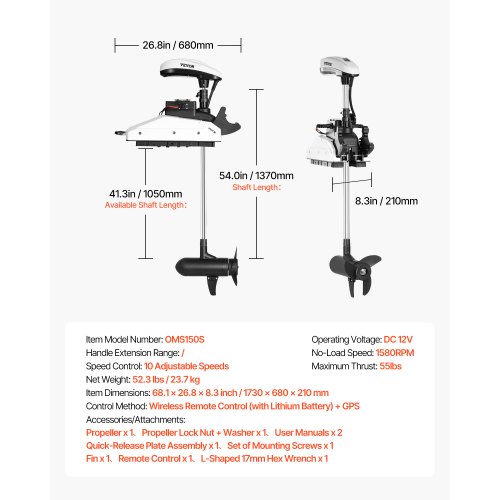
Credit: www.vevor.com
Credit: www.vevor.com
Frequently Asked Questions
How Big Of A Trolling Motor Do You Need For A Kayak?
Choose a trolling motor with at least 30 pounds of thrust for your kayak. This ensures adequate power and control. Opt for a lightweight, compact model to avoid unnecessary bulk. Consider battery life and kayak weight for optimal performance.
How Fast Will A 55lb Trolling Motor Push A Kayak?
A 55lb trolling motor can push a kayak at speeds of 4 to 6 mph. Factors like kayak weight, water conditions, and battery life can affect speed. It’s ideal for calm waters and offers efficient, smooth navigation for fishing or leisurely trips.
How Long Will A 100ah Battery Last With A 55 Lb Thrust Trolling Motor?
A 100Ah battery can last around 2-4 hours with a 55 lb thrust trolling motor. Battery duration varies based on speed settings and conditions. To maximize runtime, use lower speeds and ensure the battery is fully charged before use.
Do I Need A 12v Or 24v Trolling Motor?
Choose a 12V trolling motor for smaller boats or light fishing. Opt for a 24V motor for larger boats or heavy-duty fishing. Ensure compatibility with your boat’s size and battery capacity for optimal performance.
Conclusion
Choosing the right trolling motor is crucial for your kayak adventures. Consider your kayak size and water conditions. A well-matched motor enhances your experience. It provides smooth and efficient movement. Remember, more power isn’t always better. Balance speed with control and battery life.
Test different motors if possible. Talk to fellow kayakers for advice. They can share valuable insights. Make an informed decision. Enjoy longer trips with less effort. The right motor makes kayaking more fun. Explore new waters confidently. Happy kayaking!