When you think of kayaking, you might imagine peaceful waters and stunning scenery. But have you ever wondered about the risks involved?
Kayaking offers thrilling adventures and a chance to connect with nature, yet it’s crucial to understand the potential dangers before you grab that paddle. Are you curious about how safe your next kayaking trip might be? Or perhaps you’re concerned about unexpected challenges that could arise on the water?
By diving into the real risks associated with kayaking, you can better prepare yourself and ensure a safe, enjoyable experience. Keep reading to discover the hidden dangers and learn how to protect yourself while still savoring the thrill of kayaking.
Risks In Kayaking
Kayaking offers thrilling adventures and breathtaking views, but it also comes with its share of risks. As you paddle through serene waters or navigate challenging rapids, it’s crucial to be aware of potential dangers. Whether you’re a seasoned kayaker or a beginner, understanding the risks involved can help you enjoy this sport safely.
Common Hazards
Kayakers often face obstacles such as rocks, fallen trees, and other debris. These can damage your kayak and pose a threat to your safety. Imagine paddling down a river and suddenly hitting a submerged rock—your kayak might tip over, plunging you into cold water.
Capsizing is another hazard, especially for those new to kayaking. It’s essential to practice self-rescue techniques and wear a life jacket to stay safe. Ask yourself, are you prepared to handle an unexpected flip?
Environmental Challenges
Weather conditions can change rapidly, transforming a peaceful trip into a dangerous ordeal. Strong winds and heavy rain can make paddling difficult and increase the risk of capsizing.
Cold water temperatures pose additional risks, leading to hypothermia if you’re not properly dressed. Consider the weather forecast before heading out, and always have a plan for sudden changes.
Physical Strain
Kayaking can be physically demanding, especially if you’re paddling for long distances. It requires strength, endurance, and proper technique to avoid injuries.
Overexertion can lead to muscle fatigue and cramps, making it difficult to control your kayak. Reflect on your physical condition—are you fit enough for the challenge?
Proper training and conditioning are key to enjoying kayaking safely. Make sure to stretch and warm up before hitting the water to minimize the risk of strain.
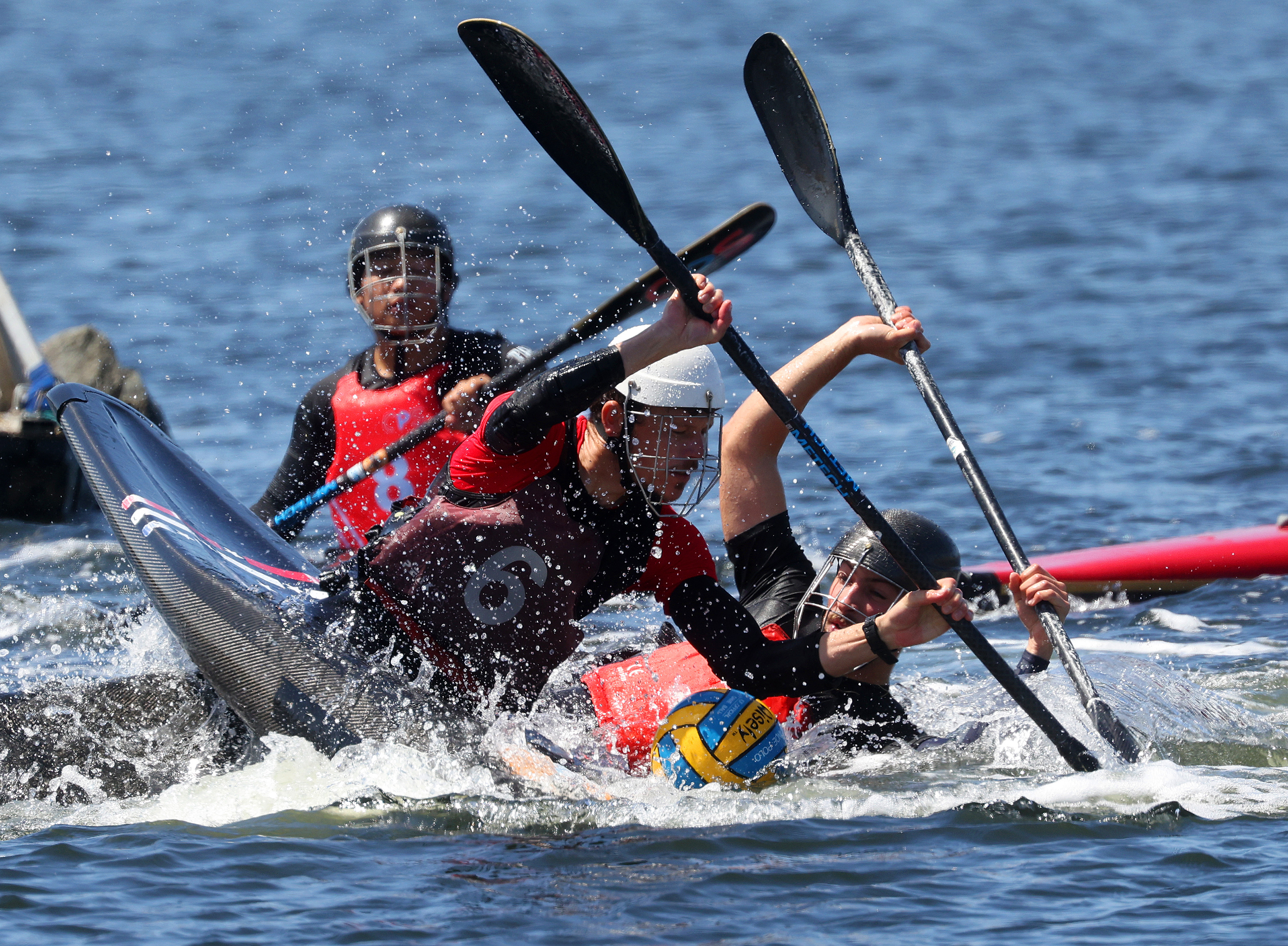
Credit: www.lmtribune.com
Safety Gear Essentials
Kayaking can be risky without proper safety gear. Strong currents and unpredictable weather increase the danger. Essential gear like life vests and helmets protect against potential accidents, ensuring a safer adventure.
Safety gear is crucial for kayaking. It ensures a secure and enjoyable experience. Understanding the essentials can prevent accidents. Let’s explore the key safety gear you need.Life Jackets And Pfds
Life jackets are vital for every kayaker. They keep you afloat in the water. Personal Flotation Devices (PFDs) are designed for comfort and safety. Choose a PFD that fits well and allows easy movement. Always check if it’s Coast Guard approved. A well-fitted life jacket can save your life in emergencies.Helmets And Protective Gear
Helmets are essential in rocky waters. They protect your head from injuries. Choose a helmet that fits snugly and covers your forehead. Look for helmets with adjustable straps for better security. Protective gear, like knee and elbow pads, can prevent bruises and scrapes. These are crucial in rough water conditions.Emergency Equipment
Emergency equipment is a must-have on any kayaking trip. A whistle can help signal for help. Carry a waterproof flashlight for visibility at night. A first aid kit is essential for treating minor injuries. Include a rescue throw rope for assisting others in trouble. These tools can make a difference in critical situations.Skill Development
Skill development in kayaking includes understanding potential dangers like strong currents and unpredictable weather. Learning proper techniques ensures safety on water and enhances overall experience.
Skill development plays a crucial role in ensuring safety while kayaking. As you enhance your skills, you become more confident and capable on the water. This reduces the risks associated with kayaking adventures. Developing skills involves learning basic techniques, mastering advanced maneuvers, and understanding how to navigate different water conditions.Basic Techniques
Mastering basic techniques is essential for all kayakers. Learn how to paddle efficiently. This involves holding the paddle correctly and using the right strokes. Practice your balance in the kayak. A stable posture helps prevent tipping over. Understand how to enter and exit the kayak safely. This ensures you start and finish your journey without incidents.Advanced Maneuvers
Advanced maneuvers add to your kayaking skills. These include the Eskimo roll and bracing techniques. The Eskimo roll helps you right your kayak if overturned. Bracing techniques help stabilize the kayak in rough waters. Practice these in controlled environments first. They are vital for tackling challenging conditions.Navigating Water Conditions
Navigating different water conditions is key to safe kayaking. Learn to read the water. Understand currents, tides, and weather patterns. This helps you anticipate changes and react swiftly. Know your limits and choose routes that match your skill level. Always prioritize safety over adventure.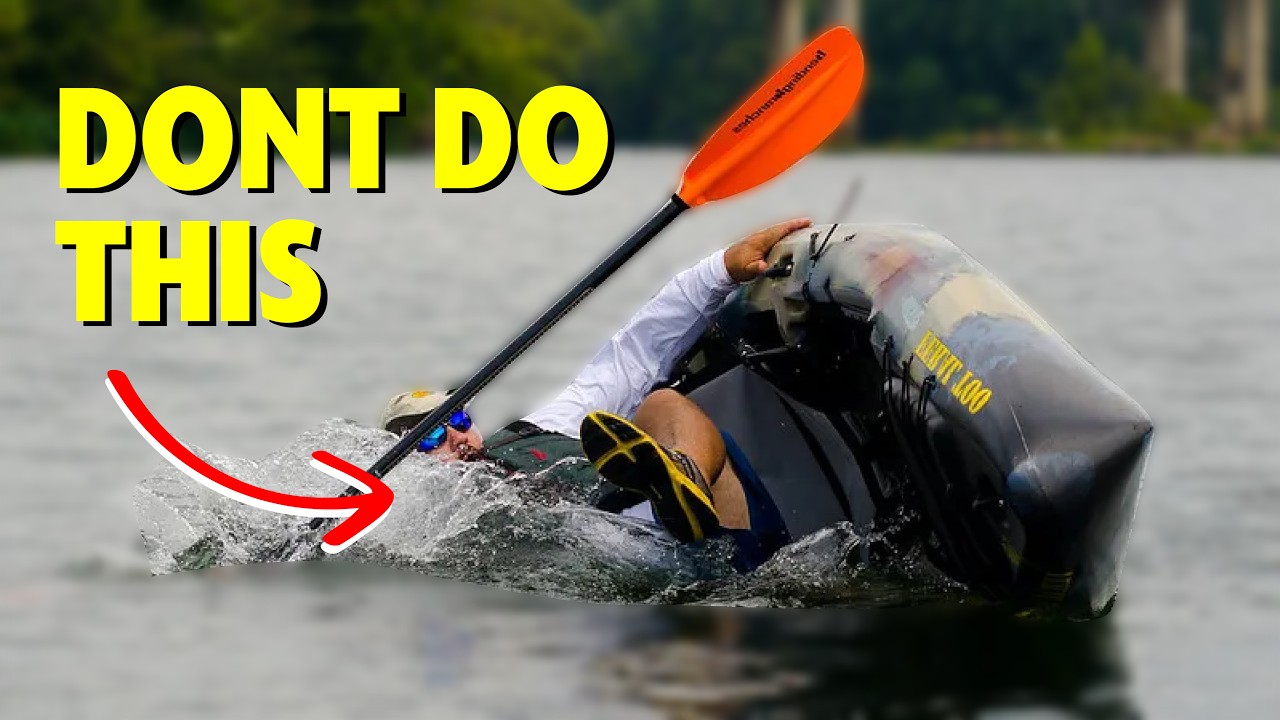
Credit: www.youtube.com
Weather Considerations
Weather plays a crucial role in kayaking safety. Sudden storms or strong winds can turn a peaceful outing dangerous. Always check forecasts before heading out to ensure a safe adventure.
Weather can be a kayaker’s greatest ally or most formidable foe. Understanding its implications can make the difference between a serene paddle and a perilous adventure. As you prepare for a kayaking trip, paying attention to weather conditions is not just a suggestion—it’s essential for your safety.Impact Of Weather On Safety
Weather dramatically influences your kayaking experience. High winds can generate rough waters, making it difficult to maintain control of your kayak. Even experienced paddlers can find themselves in tricky situations with unexpected gusts. Rain might seem like a minor inconvenience, but it can significantly reduce visibility, making navigation challenging. Fog can obscure landmarks, leading to disorientation and increased risk of accidents. You must respect these elements—they are unpredictable and can change rapidly. Cold temperatures increase the risk of hypothermia, especially if you capsize. Your body loses heat much faster in cold water, and without proper gear, this can become dangerous quickly. Always dress appropriately, even if the day starts warm.Forecasting And Preparation
Before heading out, check the weather forecast. Look for updates from reliable sources like local weather stations or online meteorological sites. Don’t just skim—pay attention to details such as wind speed, temperature changes, and potential storms. Consider how weather changes throughout the day. Morning conditions might be calm, but afternoon storms are common in many areas. Planning your trip around the most stable weather window can prevent unpleasant surprises. Equip yourself with the right gear. A weatherproof jacket, a reliable waterproof bag for your essentials, and a personal flotation device are non-negotiables. A compact weather radio can also be a valuable addition, keeping you informed of any sudden changes. Have you ever been caught off guard by a sudden weather shift while kayaking? How did you handle it? Share your experiences and learn from others to ensure your next trip is both safe and enjoyable.Choosing The Right Kayak
Choosing the right kayak is crucial for a safe kayaking experience. Different kayaks suit different environments and skill levels. Understanding the options helps ensure your safety on the water.
Types Of Kayaks
There are several types of kayaks available. Each serves a specific purpose. The most common are:
- Recreational Kayaks:Ideal for beginners, they offer stability.
- Touring Kayaks:Designed for long distances and open water.
- Whitewater Kayaks:Built for maneuverability in fast-moving rivers.
- Inflatable Kayaks:Lightweight and portable, great for travel.
Suitability For Different Waters
Not all kayaks perform well in every type of water. Matching your kayak to the water conditions enhances safety.
- Calm Lakes:Recreational kayaks offer stability and ease.
- Open Sea:Touring kayaks handle waves and long distances.
- Fast Rivers:Whitewater kayaks provide quick turns and safety.
- Small Ponds:Inflatable kayaks work well due to their versatility.
Expert Tips For Safe Kayaking
Kayaking offers thrilling adventures on water. But safety is crucial. Experts recommend following specific tips to ensure a safe kayaking experience. These tips cover essential areas such as planning, group safety, and emergency strategies. Understanding these can help reduce risks and enhance enjoyment.
Pre-trip Planning
Proper planning is vital for safe kayaking. Check the weather forecast before heading out. Avoid trips during storms or high winds. Choose a suitable location based on your skill level. Beginners should pick calm waters. Experienced kayakers may opt for challenging routes. Ensure your kayak and equipment are in good condition. Carry a map or GPS device to navigate easily. Pack essential items like water, food, and a first-aid kit. Wear a life jacket and appropriate clothing. Communicate your plans to someone on land.
Group Safety Protocols
Kayaking in groups enhances safety. Establish communication methods among group members. Use whistles or hand signals to convey messages. Assign roles within the group. Have a leader and a safety officer. Stick together during the trip. Avoid separating from the group. Regularly check on each other. Ensure everyone understands basic kayaking techniques. Beginners should pair with experienced kayakers. Share emergency contact information. Agree on a meeting point in case of separation.
Emergency Response Strategies
Knowing how to respond in emergencies is crucial. Stay calm and assess the situation. Signal for help using whistles or flares. If someone capsizes, help them right the kayak. Provide warmth and dry clothing if needed. Call emergency services if necessary. Know the location of nearby medical facilities. Familiarize yourself with local rescue services. Practice self-rescue techniques regularly. Carry a waterproof phone or communication device. Have a contingency plan for severe weather. Communicate with your group and follow the agreed-upon strategies.
Training And Certification
Kayaking can be an exhilarating adventure, but it does come with its risks. To ensure safety, acquiring proper training and certification is crucial. Whether you’re a beginner or looking to enhance your skills, understanding the importance of formal training and the available courses is vital. Let’s dive into why you should consider formal training and what options are available to you.
Importance Of Formal Training
Formal training is your first step towards mastering kayaking safely. It equips you with essential skills like handling unexpected currents and performing self-rescue techniques. A friend of mine once underestimated the power of formal training, and it almost cost him dearly when he faced an unexpected storm. Training prepares you for such unforeseen challenges.
Have you ever wondered how experienced kayakers make it look so effortless? It’s not just their skill but their preparation. Training helps you build confidence and competence, ensuring your adventures are enjoyable and safe.
Available Courses And Certifications
Many organizations offer courses that cater to different skill levels. The American Canoe Association (ACA) provides comprehensive programs, ranging from beginner to advanced levels. You can start with basic paddling techniques and progress to more complex maneuvers.
Consider certifications like the ACA’s Level 1 Kayak Touring, which covers essential safety practices. These certifications not only enhance your skill set but also make you a more responsible paddler. Some courses even offer specialized training for sea kayaking or whitewater scenarios.
Why not take a look at the options available in your area? Investing in your training can transform your kayaking experience from daunting to delightful. Wouldn’t it be rewarding to paddle confidently knowing you’re well-prepared for any situation?

Credit: www.mirror.co.uk
Case Studies And Personal Stories
Kayaking offers thrilling adventures but carries risks. Exploring real-life stories reveals the potential dangers. Stories from kayakers provide valuable lessons and insights into safety measures. Discover how personal experiences shape the understanding of kayaking’s risks.
Lessons From Experienced Kayakers
Experienced kayakers often face unpredictable challenges. Sarah, a seasoned kayaker, recalls a close encounter with a strong current. Her story highlights the importance of respecting nature’s power. She advises always checking weather conditions and wearing a life jacket.
Tom shares his experience of capsizing in cold water. His quick thinking and prior training saved him. He emphasizes the value of practicing self-rescue techniques. These real-life stories underline the necessity of preparation and awareness.
Real-life Incidents And Safety Outcomes
Some kayaking incidents end tragically. In 2018, a kayaker in Canada lost his life due to hypothermia. He underestimated the water temperature and paddled without protective gear. This incident highlights the dangers of cold water immersion.
In another case, a group of friends went kayaking on a calm lake. Unexpectedly, a storm developed, and they struggled to reach safety. They learned the hard way to always respect weather forecasts. These incidents remind us to prioritize safety above all.
Frequently Asked Questions
What Is The Leading Cause Of Death For Kayakers?
Drowning is the leading cause of death for kayakers. Lack of life jackets often contributes to fatalities. Weather conditions and inexperienced paddling also increase risk. Always prioritize safety and wear protective gear to prevent accidents.
Do Kayaks Flip Over Easily?
Kayaks are generally stable and designed not to flip easily. Proper technique and balance reduce the risk further. Choose wider kayaks for better stability. Beginners should practice in calm waters. Always wear a life jacket for safety.
What Is The 120 Rule In Kayaking?
The 120 rule in kayaking ensures safety by combining air and water temperatures. If their sum is below 120°F, wear a wetsuit or drysuit to prevent hypothermia. This rule helps kayakers determine appropriate gear for different conditions, ensuring a safer and more enjoyable experience on the water.
Are Alligators Dangerous To Kayakers?
Alligators can be dangerous to kayakers if disturbed or threatened. Always maintain a safe distance from them. Kayakers should stay calm and avoid rapid movements. Respect their habitat and avoid areas known for aggressive alligator behavior. Educate yourself about local alligator activity for a safe kayaking experience.
Conclusion
Kayaking can be thrilling, but safety is key. Always wear a life jacket. Understand weather conditions before heading out. Stick to known routes. Practice your paddling skills regularly. Stay alert to your surroundings. Know the water currents and tides. Communicate your plans with friends.
Bring a whistle for emergencies. Respect nature and wildlife. Balance adventure with caution. Kayaking isn’t just about fun. It’s about responsibility, too. Enjoy the ride, but stay safe. Safety transforms challenges into memorable experiences. Paddle wisely and embrace the journey.
With care, kayaking becomes a joyful, safe sport.