
Imagine gliding over crystal-clear waters, the sun warming your skin, and the sound of waves gently lapping against your kayak. Ocean kayaking offers an incredible sense of freedom and adventure, but it’s important to know the ins and outs before you dive in.
Are you ready to discover the thrill of ocean kayaking? In this guide, you’ll learn essential tips and techniques to confidently navigate the vast and stunning marine world. Whether you’re a complete beginner or have some paddling experience, this article is designed to equip you with the knowledge you need to make your ocean kayaking experience unforgettable.
So, grab your paddle, and let’s explore the wonders of the ocean together. Keep reading to unlock the secrets of kayaking in the ocean and transform your sea-bound dreams into reality.
Credit: liquidfusionkayak.com
Choosing The Right Kayak
Choosing the right kayak for ocean adventures can make all the difference between an unforgettable experience and a challenging one. The vast ocean demands specific features from a kayak, ensuring safety, stability, and ease of navigation. It’s not just about what looks good or is popular; it’s about matching your skills and expectations with the perfect vessel. Have you ever found yourself wondering which kayak suits your ocean escapade? Let’s dive into the details.
Types Of Ocean Kayaks
- Touring Kayaks:These are built for long journeys and are ideal if you plan to explore expansive coastlines. They usually have a longer length, providing excellent speed and efficiency.
- Sea Kayaks:Specifically designed for ocean use, these kayaks offer stability and control in rough waters. Their design includes a sealed cockpit to keep water out.
- Sit-On-Top Kayaks:Perfect for beginners, these are user-friendly and offer easy re-entry if you fall into the water. They are wider, providing more stability.
Features To Consider
- Stability:Consider a kayak with a wider base for better stability in ocean currents. You don’t want to fight against the waves constantly.
- Durability:Ocean kayaks should withstand saltwater and sun exposure. Look for materials like polyethylene or fiberglass.
- Storage:Ample storage compartments are crucial for long trips, allowing you to carry essentials without overloading.
- Comfort:Adjustable seats and footrests can make hours on the water more enjoyable. Don’t overlook comfort, as it influences your overall experience.
Choosing the right kayak isn’t just about the technical specs; it’s about envisioning your adventure and finding the match that feels right. Have you considered how your choice might affect your experience? The right kayak can turn your ocean journey into a seamless, exhilarating ride. Are you ready to make that choice?
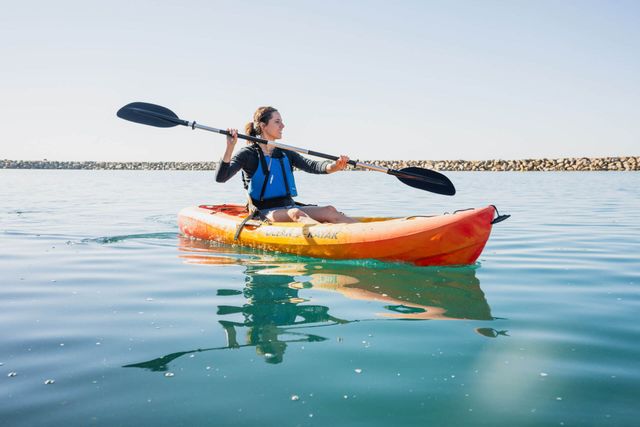
Credit: www.gulfshoresnews.com
Essential Gear And Equipment
Kayaking in the ocean is an exhilarating experience. But it requires the right gear. The ocean can be unpredictable. So, preparation is key. Equip yourself with essential gear for a safe adventure. Let’s explore the must-have equipment for your ocean kayaking trip.
Safety Gear
Safety gear is crucial for any ocean kayak trip. A life jacket is essential. It keeps you afloat if you fall in. Choose one that fits well and is comfortable. A whistle is another important safety item. It helps you signal for help. Attach it to your life jacket for easy access.
Bring a waterproof first aid kit. It should include bandages, antiseptic wipes, and any personal medications. A bilge pump helps remove water from your kayak. This is important in rough waters. Consider a GPS or a marine radio. These devices can guide you or help in emergencies.
Paddling Accessories
Paddling accessories enhance your kayaking experience. A sturdy paddle is a must. Choose one that suits your height and paddling style. Paddle leashes keep your paddle secured to the kayak. They prevent loss if you drop it.
A kayak seat cushion adds comfort. It supports your back during long trips. Kayak gloves protect your hands. They reduce blisters and improve grip. A dry bag keeps your belongings safe and dry. Store your phone, wallet, and snacks in it.
Consider a spray skirt for your kayak. It helps keep water out. This is useful in choppy waters. A paddle float aids in self-rescue. It helps you re-enter the kayak if you capsize.
Understanding Ocean Conditions
Before you embark on your ocean kayaking adventure, it’s crucial to understand the unique conditions you’ll face on the open water. The ocean is a dynamic environment, constantly changing with tides, currents, and weather patterns. By grasping these elements, you can ensure a safer and more enjoyable experience.
Tides And Currents
Tides are the rhythmic rise and fall of ocean levels, influenced by the gravitational pull of the moon and sun. These changes can significantly impact your kayaking route. A high tide might allow passage over rocks that would be exposed at low tide. Conversely, low tide can reveal hidden sandbanks, affecting your navigation.
Currents, often invisible, can be powerful and unpredictable. They can push you off course or help you move faster with less effort. Familiarize yourself with local tide charts and current maps before heading out. Apps and websites offer real-time updates, which can be crucial for safe travel. Have you ever found yourself struggling against a strong current, only to realize you could use it to propel forward?
Weather Patterns
Weather can change swiftly on the ocean, influencing your kayaking experience. Clear skies might suddenly give way to fog, reducing visibility and complicating navigation. Strong winds can create choppy waters, challenging your balance and control.
Before setting out, check the weather forecast for wind speeds and direction, temperature changes, and potential storms. Consider your skills and experience level—are you comfortable kayaking in windy conditions, or should you wait for calmer weather? A personal experience taught me the importance of double-checking forecasts; a sudden storm turned a peaceful trip into a race against time.
Understanding these ocean conditions can transform your kayaking journey. With knowledge and preparation, you can embrace the unpredictability of the sea while ensuring your safety. Isn’t it empowering to know you’re prepared for whatever the ocean throws your way?
Basic Kayaking Techniques
Ocean kayaking requires learning essential techniques. Paddle with a steady rhythm and maintain balance against waves. Always keep an eye on the horizon for stability.
Understanding basic kayaking techniques is essential for a safe ocean adventure. These skills help you handle your kayak and navigate the waves with ease. Let’s explore some key techniques that will make your ocean kayaking experience enjoyable and secure.Paddle Strokes
The paddle stroke is the core of kayaking. A good forward stroke moves your kayak smoothly. Hold the paddle with both hands, slightly wider than shoulder-width. Dip one blade into the water near your feet. Pull it back alongside the kayak. Lift the blade out, and repeat on the other side. Practice this rhythm for efficient movement. The reverse stroke helps you slow down or stop. Place the paddle in the water behind you. Push the water forward to reverse the kayak. For turns, use the sweep stroke. Keep the paddle low and in a wide arc. This turns the kayak in the direction of the stroke.Balance And Stability
Balancing a kayak is crucial, especially in ocean waves. Sit upright and keep your weight centered. Your hips should remain loose to adjust with the waves. Use your core muscles to maintain stability. Look ahead and not down at the water. When the waves rise, lean into them slightly. This technique helps prevent capsizing. Practice makes perfect. Over time, you will develop a natural feel for balance in different water conditions. Remember, staying relaxed is key to keeping your kayak stable.Advanced Ocean Kayaking Skills
Advanced ocean kayaking demands skill and confidence. The ocean’s vastness brings unique challenges. Mastering these skills enhances safety and enjoyment. Focus on navigating waves and handling rough waters.
Navigating Waves
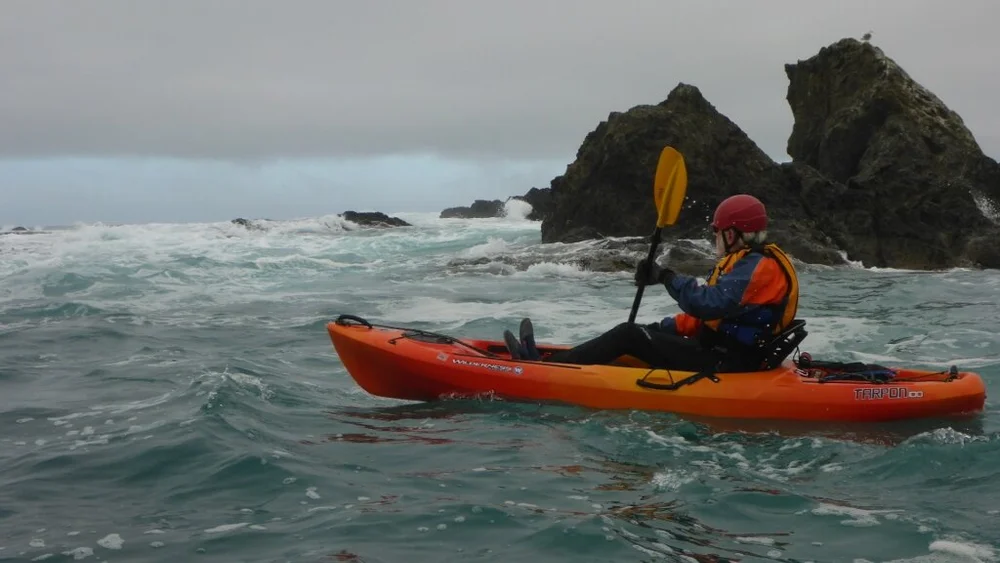
Waves are part of ocean kayaking. Learn to read them. Approach waves at a slight angle. This reduces the impact. Paddle steadily to maintain balance. Timing is crucial. Wait for the right moment. A wave can boost your speed. Use it to your advantage.
Handling Rough Waters
Rough waters require extra care. Stay calm and focused. Keep your kayak stable. Use a wider grip on your paddle. This gives more control. Short, firm strokes help maintain direction. Adjust your body weight to balance. Practice makes perfect. Gain confidence with experience.

Credit: kayakwaveology.com
Safety Tips For Ocean Kayaking
Choose a calm day for ocean kayaking to ensure safety. Always wear a life jacket and check weather conditions. Carry essential gear like a whistle, and stay aware of your surroundings.
Kayaking in the ocean is an exhilarating adventure that offers a unique way to explore the vastness of the sea. However, safety should always be your top priority. Understanding the potential risks and knowing how to handle emergencies can make your experience both enjoyable and secure. Below are some safety tips that will help you navigate the ocean safely and confidently.Avoiding Common Hazards
The ocean is unpredictable, with its own set of challenges. One common hazard is strong currents, which can easily carry you away from the shore. Always check the tide and current forecasts before heading out. Another risk is marine life. While encounters with wildlife can be thrilling, they can also be dangerous. Keep a safe distance and avoid areas known for jellyfish or sharks. Weather changes can happen quickly, turning a calm sea into a treacherous one. Equip yourself with a weather app to stay updated on sudden changes. If conditions look questionable, it’s better to postpone your adventure.Emergency Procedures
Preparation can make all the difference in an emergency. Always wear a life jacket, as it can be a lifesaver in rough waters. Ensure your kayak is equipped with a whistle and a waterproof flashlight. Communication is key. Carry a fully charged mobile phone in a waterproof case or a marine radio to call for help if needed. Share your kayaking plan with someone onshore, including your expected return time. If you capsize, remain calm. Practice re-entering your kayak in calm waters before attempting an ocean adventure. This skill is crucial and can prevent panic if your kayak tips over. Are you prepared for the unexpected? Taking these precautions can help ensure your safety while allowing you to enjoy the serenity and thrill of ocean kayaking.Planning Your Ocean Kayaking Trip
Planning Your Ocean Kayaking Trip Discover the thrill of ocean kayaking with essential tips on navigation and safety. Learn about necessary gear and weather considerations to ensure a smooth and enjoyable experience. Explore diverse marine life and breathtaking seascapes while mastering paddling techniques for an unforgettable adventure.
Planning Your Ocean Kayaking Trip Venturing into the ocean on a kayak is an exhilarating experience that requires thoughtful preparation. Whether you’re a seasoned kayaker or a beginner eager to explore the vast blue, planning is crucial for a safe and enjoyable adventure. From selecting the right route to ensuring you have all the essentials, each aspect of your trip plays a vital role in crafting unforgettable memories.Route Selection
Choosing the right route can make or break your kayaking journey. Consider your skill level and the ocean’s behavior at different times of the day. Are you looking for a calm, scenic paddle or a challenging ride through waves? Study maps, consult local experts, and check tidal patterns. A personal tip: I once chose a route based on a friend’s recommendation without checking the tide schedule. The current was stronger than expected, turning my peaceful paddle into a workout. Learn from my oversight—always verify conditions before setting off.Packing Essentials
Packing the right gear is as important as the paddle itself. Essentials include a life jacket, waterproof bags, and a first-aid kit. You might also want a GPS device for navigation and a whistle for emergencies. Think about what you’ll need for sustenance—a few energy bars and plenty of water can keep your spirits high even when the sun is relentless. It’s easy to forget sunscreen or a hat, but these can be game-changers when you’re exposed for hours. What would you regret leaving behind once you’re miles from shore? Make a checklist and double-check it before heading out.Environmental Considerations
Kayaking in the ocean requires awareness of marine wildlife and ecosystem protection. Respect natural habitats by avoiding sensitive areas. Keep your distance from animals and adhere to local environmental regulations for a safe and responsible adventure.
Kayaking in the ocean is a thrilling adventure that brings you closer to nature. However, it’s vital to consider the environment to ensure that your adventures are sustainable and respectful. By being mindful of your surroundings, you not only protect marine ecosystems but also enrich your kayaking experience. Let’s explore some essential environmental considerations that every ocean kayaker should keep in mind.Respecting Wildlife
While kayaking, you may encounter various marine animals like dolphins, sea turtles, and seabirds. It’s important to maintain a safe distance to avoid disturbing them. Sudden movements or loud noises can stress wildlife, affecting their natural behavior. Think of your kayak as an unobtrusive observer in their habitat. Use binoculars if you want a closer look. This not only respects their space but also enhances your experience by observing them in their natural state.Leave No Trace Principles
Practicing Leave No Trace principles is crucial to preserving the ocean’s beauty. Carry out everything you bring in, including trash and personal belongings. Even biodegradable waste can disrupt the ecosystem. When taking breaks on beaches or rocky outcrops, ensure you leave the area as you found it. This simple act helps maintain the pristine condition of coastal environments for future kayakers. Reflect on how your actions impact the ocean, and take pride in being a responsible kayaker. Are there small steps you can take to reduce your impact even further?Frequently Asked Questions
Is It Hard To Kayak In The Ocean?
Kayaking in the ocean can be challenging due to waves, currents, and wind. Beginners should start with calm waters. Proper training and safety gear are essential for a safe experience. Choose the right kayak and always check weather conditions before heading out.
What Is The 50-90 Rule In Sea Kayaking?
The 50-90 rule in sea kayaking states that 50% of your energy goes to forward motion, while 90% is used for stability and control. This ensures efficient paddling and safety in challenging conditions. Balancing these energy allocations is crucial for effective sea kayaking.
Can You Ride A Kayak In The Ocean?
Yes, you can ride a kayak in the ocean. Choose a sea kayak for stability and safety. Always check weather conditions and wear safety gear. Paddling in the ocean offers unique experiences, but requires awareness of tides and currents. Beginners should take lessons to enhance skills and confidence.
What Are The Three Golden Rules Of Kayaking?
The three golden rules of kayaking are: maintain a proper posture, use effective paddling techniques, and always prioritize safety. Keep your back straight, utilize torso rotation for efficient paddling, and wear a life jacket. Stay aware of weather conditions and water currents for a safe kayaking experience.
Conclusion
Kayaking in the ocean can be an exciting adventure. Always prioritize safety first. Check the weather before heading out. Wear a life jacket at all times. Understand the ocean currents and tides. Keep an eye on your surroundings. Practice makes perfect; paddle regularly to improve skills.
Choose the right kayak for ocean conditions. Connect with other kayakers for shared experiences. Respect marine life and preserve the environment. With preparation and care, ocean kayaking is thrilling and enjoyable. Enjoy the beauty and freedom the ocean offers. Remember, adventure awaits every paddler willing to explore.