
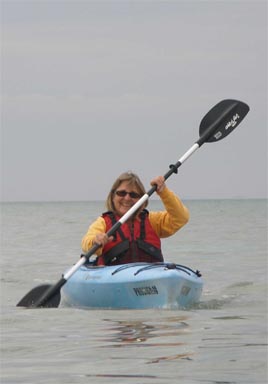
Are you curious about taking up kayaking but concerned about the risks? It’s natural to wonder, “Is kayaking dangerous?” when you’re thinking about gliding across serene waters or tackling thrilling rapids.
Your safety is crucial, and understanding the potential risks can make all the difference in your kayaking experience. We’ll explore the realities of kayaking safety, breaking down the myths and uncovering the truths. You’ll discover how to enjoy this exciting activity while keeping safe, ensuring that your adventure is both exhilarating and secure.
Read on to learn everything you need to know about kayaking safety and how you can confidently embark on your next water adventure.
Risks In Kayaking
Kayaking offers a thrilling adventure on water. Yet, it comes with risks. Understanding these risks helps ensure safety and enjoyment. Kayakers face various natural and environmental challenges. Being aware of these can make your experience safer.
Weather Conditions
Weather can change rapidly on the water. Sudden storms or winds pose danger. Calm days can quickly turn turbulent. Always check forecasts before you paddle out. Dress appropriately for the weather and pack extra gear. Cold water and air can lead to hypothermia. Staying prepared helps in managing weather risks effectively.
Water Currents
Water currents are a major concern for kayakers. Fast-moving currents can be unpredictable. They can pull a kayak off course. Understanding local water conditions is crucial. Some areas have strong tidal currents. These can surprise even experienced paddlers. Study the water before starting your trip. Pay attention to posted warnings or advice from local authorities.
Wildlife Encounters
Kayaking brings you close to wildlife. This can be both exciting and risky. Animals may react unpredictably to human presence. In some regions, alligators or sharks might be present. Always keep a safe distance from wildlife. Respect their habitat and avoid feeding them. Knowing about local wildlife helps in preventing dangerous encounters.

Credit: www.youtube.com
Safety Equipment
Kayaking can be risky without proper safety gear. Wearing a life jacket is essential to stay safe on water. Helmets and whistles also help protect and alert in emergencies.
Kayaking offers a thrilling adventure across serene waters, but safety is crucial. Ensuring you have the right safety equipment can prevent accidents and enhance your experience. This section highlights essential safety gear every kayaker should consider.Life Jackets
Life jackets are a must-have for every kayaker. They provide buoyancy, keeping you afloat in case of a capsize. Choose a jacket that fits well and is comfortable. Look for jackets with adjustable straps for a snug fit. Always check for wear and tear before heading out. A well-maintained life jacket can be a lifesaver.Helmets
Helmets protect your head from injuries caused by rocks or sudden falls. They are particularly important in white-water kayaking. Ensure your helmet fits securely and covers the entire head. Lightweight helmets offer comfort during long kayaking trips. Pick helmets with ventilation to stay cool under the sun.Emergency Kits
Emergency kits are vital for unexpected situations. They typically include a whistle, flashlight, and first aid supplies. Keep a dry bag handy to store your emergency kit. Check the contents regularly to ensure everything is functional. A well-prepared kit can turn a mishap into a manageable situation.Skill Levels
Kayaking offers diverse experiences based on skill levels. Beginners face unique challenges, while advanced paddlers explore complex techniques. Understanding these skill levels helps in assessing the risks and rewards of kayaking.
Beginner Challenges
Beginners often struggle with balance and coordination. Staying upright in a kayak can be tricky. New paddlers might feel unsteady. Learning to paddle efficiently is another hurdle. Incorrect strokes can lead to fatigue.
Beginners must also learn to navigate waters safely. Reading currents and avoiding obstacles require practice. Understanding weather conditions is crucial too. Sudden changes can pose dangers.
Wearing proper safety gear is vital for beginners. Life jackets and helmets provide protection. Beginners should also take a basic kayaking course. Professional guidance builds confidence and skill.
Advanced Techniques
Advanced kayakers master complex maneuvers. They learn to roll their kayak upright. This skill is crucial in rough waters. Expert paddlers also refine their stroke techniques. Efficient strokes conserve energy and increase speed.
Advanced techniques include navigating challenging rapids. Paddlers learn to read whitewater patterns. This skill helps in avoiding hazards. They also practice swift water rescues. Safety remains a priority at all skill levels.
Advanced kayakers often explore remote locations. They carry essential gear for long trips. Understanding navigation and survival skills is key. These skills ensure safe and enjoyable adventures.
Proper Training
Proper training is crucial for safe kayaking. It helps beginners learn essential skills and techniques. With guidance, kayaking becomes less risky and more enjoyable.
Proper training is your key to unlocking a safe and enjoyable kayaking experience. It not only equips you with necessary skills but also boosts your confidence on the water. Whether you are a newbie or a seasoned paddler, investing time in training will pay off in terms of safety and fun.Professional Courses
Enrolling in professional kayaking courses provides structured learning. These courses are often led by certified instructors who tailor sessions to your skill level. They offer hands-on training in techniques like paddling strokes, rescue methods, and navigating different water conditions. Professional courses often come with the added benefit of peer learning. Being surrounded by fellow learners can enhance your experience, as you share insights and tips. You might even make new kayaking buddies! Consider your local kayaking clubs or adventure centers as they frequently offer these courses. Many clubs provide beginner to advanced level classes, ensuring there’s always room for growth.Self-learning Resources
If attending a formal course doesn’t fit into your schedule, self-learning is a viable alternative. The internet is a treasure trove of kayaking resources. You’ll find countless videos, articles, and forums dedicated to teaching kayaking techniques. Books and e-guides also provide valuable insights into kayaking. They often cover safety tips, equipment advice, and detailed technique breakdowns. Having such resources at your fingertips allows you to learn at your own pace. However, self-learning requires discipline. Regular practice and a commitment to improving your skills are crucial. Remember, while self-learning is convenient, nothing replaces the feedback and guidance of an experienced instructor.Environmental Awareness
Kayaking offers a thrilling way to explore water bodies. But environmental awareness is crucial for safety. Understanding nature and regulations can enhance your kayaking experience. Let’s delve into these aspects to ensure you’re prepared and respectful of the environment.
Local Regulations
Each region has specific rules for kayaking. These rules protect the environment and ensure safety. Before you hit the water, research the local guidelines. Often, these regulations include permit requirements. Some areas may limit access due to wildlife protection. Knowing these rules helps avoid fines and ensures a safe adventure.
Respecting Nature
Kayaking allows close interaction with nature. It’s vital to leave no trace and protect habitats. Avoid disturbing wildlife and refrain from littering. Use eco-friendly gear and follow designated paths. Respecting nature preserves the beauty of kayaking locations. This ensures they remain accessible for future generations. By honoring these practices, you contribute to environmental conservation.
Credit: www.lmtribune.com
Common Injuries
Kayaking can pose risks like shoulder strains and wrist injuries due to repetitive motions. Capsizing may also lead to bruises or cuts. Proper training and safety gear can reduce these common injuries.
Kayaking is an exhilarating sport that offers a unique way to explore the beauty of nature. However, it’s not without its risks, and common injuries can occur if you’re not prepared. Understanding these potential injuries can help you take proactive steps to keep your kayaking adventures safe and enjoyable.Muscle Strains
Muscle strains are a frequent issue for kayakers. The repetitive motion of paddling can put a lot of stress on your shoulders, arms, and back. To minimize this risk, ensure you warm up properly before hitting the water and maintain good posture while paddling. Strengthening exercises can also be beneficial. Focus on building your core and upper body strength to better support your paddling technique. Have you ever felt that post-kayak burn in your shoulders? That’s your cue to pay attention to your form and conditioning.Hypothermia Risks
Kayaking often involves exposure to cold water and weather conditions. Hypothermia can set in faster than you might expect, especially if you capsize or get soaked. Wearing a wetsuit or drysuit provides essential insulation against the cold. Always check the weather conditions before heading out and dress accordingly. Keeping an emergency thermal blanket in your kayak can be a lifesaver. Have you thought about how quickly temperatures can drop on the water? A little preparation can make all the difference. Stay alert to the signs of hypothermia, such as uncontrollable shivering or confusion, and act swiftly if they occur. Always kayaking with a buddy ensures you have immediate help if needed.Safety Tips
Kayaking can be safe with the right precautions. Always wear a life jacket and check weather conditions. Ensure your kayak is in good condition before heading out.
Kayaking offers an exhilarating way to connect with nature, but safety should always be a top priority. Whether you’re gliding through calm waters or tackling challenging rapids, being prepared can make all the difference. Safety tips are essential to ensure your adventure is both fun and secure.Pre-trip Planning
Taking time to plan before your trip can prevent unexpected mishaps. Check the weather forecast to avoid dangerous conditions, such as high winds or thunderstorms. Make sure your kayak and gear are in good condition—inspect them for any signs of wear and tear. Create a checklist of essential items, like a life jacket, whistle, and first aid kit. Pack snacks and water to stay energized and hydrated. If you’re new to kayaking, consider taking a lesson from a certified instructor.Communicating Plans
Let someone know your kayaking plans, including your intended route and expected return time. This simple step could be crucial if something goes wrong. Share your location with a friend or family member via a GPS app for extra security. Kayaking with a buddy is always safer than going solo. If that’s not possible, stay in areas where other kayakers or boats are present. Reflect on this: how would you get help if you needed it? Being proactive about communication is a key aspect of staying safe on the water.
Credit: www.facebook.com
Community Support
Kayaking can be a thrilling activity, but it involves risks like rough waters and unpredictable weather. Proper training and gear enhance safety, helping enthusiasts enjoy the sport responsibly. Community support plays a vital role in sharing safety tips and ensuring a safer experience for all.
Community support plays a crucial role in making kayaking a safer and more enjoyable experience. Connecting with fellow enthusiasts can provide you with valuable insights, shared experiences, and practical tips. Whether you’re new to the sport or an experienced paddler, tapping into community resources can enhance your skills and confidence on the water.Kayaking Clubs
Joining a kayaking club is a fantastic way to immerse yourself in a supportive community. These clubs offer opportunities for group paddling sessions, safety workshops, and skill-building courses. You can learn from seasoned kayakers and gain firsthand experience in handling various water conditions. Many clubs organize regular outings, allowing you to explore new waterways with knowledgeable guides. This not only boosts your confidence but also expands your network of fellow kayaking enthusiasts.Online Forums
Online forums are a treasure trove of information for kayakers of all levels. Engaging with communities on platforms like Reddit or specialized kayaking websites can provide answers to your burning questions. Whether you need advice on gear, recommendations for kayak-friendly locations, or safety tips, online forums are a great place to start. These platforms allow you to share your experiences, ask for help, and learn from the mistakes and triumphs of others. Have you ever considered how these digital communities can connect you with paddlers worldwide, offering diverse perspectives and advice?Frequently Asked Questions
What Are The Risks Of Kayaking?
Kayaking risks include capsizing, drowning, hypothermia, and collisions. Strong currents and bad weather increase danger. Wear safety gear and stay alert.
How Likely Is It To Flip A Kayak?
Flipping a kayak is unlikely if you maintain balance and proper technique. Beginners may flip more often. Choose calm waters for stability. Practicing can significantly reduce the risk of flipping. Wearing safety gear is essential. The likelihood decreases with experience and understanding of water conditions.
Is Kayaking Dangerous For Beginners?
Kayaking can be dangerous for beginners if safety precautions aren’t followed. Beginners should start in calm waters, wear life jackets, and take lessons. Always check weather conditions and avoid kayaking alone. With proper guidance and preparation, kayaking can be a safe and enjoyable activity.
What Are The Three Golden Rules Of Kayaking?
Always wear a life jacket while kayaking. Check weather conditions and water currents before setting out. Respect nature and other water users to ensure a safe kayaking experience.
Conclusion
Kayaking can be safe with the right precautions. Always wear a life jacket. Check weather conditions before heading out. Stick to familiar waters if you’re a beginner. Take lessons to learn proper techniques. Stay alert and aware of your surroundings.
Paddle with a buddy for added safety. Remember, preparation is key to a fun experience. Respect nature and water currents. Enjoy the serenity and adventure kayaking offers. With care, kayaking becomes a rewarding sport.





