
Are you tired of your kayak taking up too much space or worried about damage during the off-season? Proper storage is key to maintaining your kayak’s longevity and ensuring it’s ready for your next adventure.
Imagine walking into your garage or storage area and seeing your kayak neatly and safely tucked away, without any hassle. In this guide, we’ll reveal simple yet effective techniques to store your kayak, keeping it in top-notch condition. Whether you’re a seasoned paddler or a weekend enthusiast, these tips are designed to save you time, space, and money.
Ready to transform the way you store your kayak? Dive into our expert advice and give your kayak the care it deserves.
Credit: storeyourboard.com
Choose The Right Location
Store your kayak indoors in a dry, cool spot to prevent damage. Avoid direct sunlight and extreme temperatures. Use wall mounts or ceiling racks to save space and ensure stability.
Choosing the right location for storing your kayak is crucial. It affects the kayak’s longevity and condition. The ideal spot shields it from harm and maintains its quality. Consider the following factors before settling on a storage location.Indoor Vs Outdoor
Storing a kayak indoors is often preferred. It provides a controlled environment, reducing exposure to elements. Indoor storage keeps your kayak safe from theft and vandalism. An unused garage or basement works well. Outdoor storage is another option. It requires more protection measures. Use a tarp or kayak cover to shield it from weather. A shaded spot in your yard can also help.Temperature Considerations
Temperature plays a role in kayak storage. Extreme temperatures can warp and crack the material. Aim for a stable temperature range. Avoid placing your kayak near heaters or radiators. Cold garages may need insulation for protection.Avoiding Direct Sunlight
Direct sunlight is harmful to kayaks. UV rays can fade and weaken the material. Always store your kayak in a shaded area. If outdoor storage is your only option, use a UV-resistant cover. This extra layer helps maintain your kayak’s condition.Proper Positioning
Proper positioning ensures your kayak stays in top condition. Store it on its side or upside down to prevent warping. Use padded supports to avoid pressure points and damage.
Proper positioning of your kayak during storage is crucial to maintaining its shape and longevity. It can be tempting to just lean it against a wall or leave it on the ground, but these methods can cause significant damage over time. Ensuring your kayak is stored correctly will keep it ready for your next adventure without any unwanted surprises.Horizontal Storage
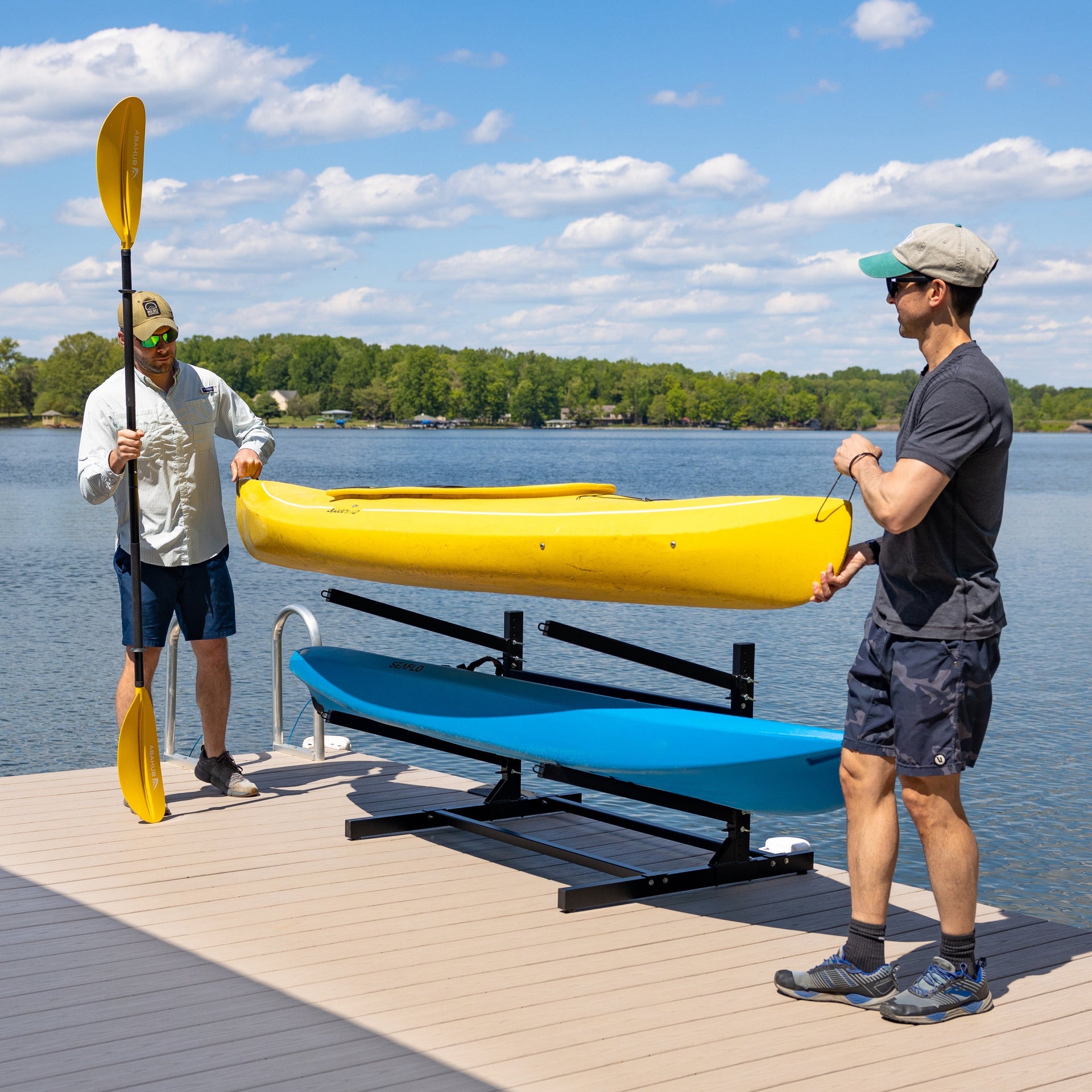
Storing your kayak horizontally is one of the most common methods. This involves placing the kayak on its hull on a flat surface or using specially designed racks. Using padded or sling-style racks can help distribute the weight evenly. This prevents any warping or dents that could compromise the kayak’s performance. If space allows, consider hanging the kayak from the ceiling with straps. Just make sure they’re wide enough to avoid pressure points and that the kayak is balanced.Vertical Storage
If floor space is limited, vertical storage is an excellent alternative. Stand your kayak upright on its stern, ensuring it’s stable against a wall or in a corner. Use a padded base to protect the stern from damage. You don’t want the bottom of your kayak to bear all the weight over time. Ensure that the kayak is secured with a strap or bungee to prevent it from tipping over. This method is particularly useful for shorter kayaks.Avoid Pressure Points
Pressure points are a kayak’s worst enemy during storage. They can cause permanent dents that affect both the look and performance of your vessel. When storing, make sure the weight is evenly distributed. This might mean adjusting straps or repositioning the kayak occasionally. Consider using foam blocks or padding to support the kayak at multiple points. This will help in maintaining its natural shape and prevent any unexpected deformations. Have you ever noticed how a poorly stored kayak can turn into a costly mistake? Taking a few extra minutes to position it properly will save you time and money in the long run.Use Of Racks And Supports
Storing a kayak on racks and supports keeps it safe and saves space. Ensure the kayak is evenly supported to prevent damage. Use padded racks or supports to protect the kayak’s hull from scratches.
Storing your kayak properly is essential to maintain its shape and longevity. Using racks and supports can be a game-changer in this process. Not only do they help in saving space, but they also ensure your kayak is protected from potential damage. Let’s dive into some practical solutions that can keep your kayak in top condition.Wall-mounted Racks
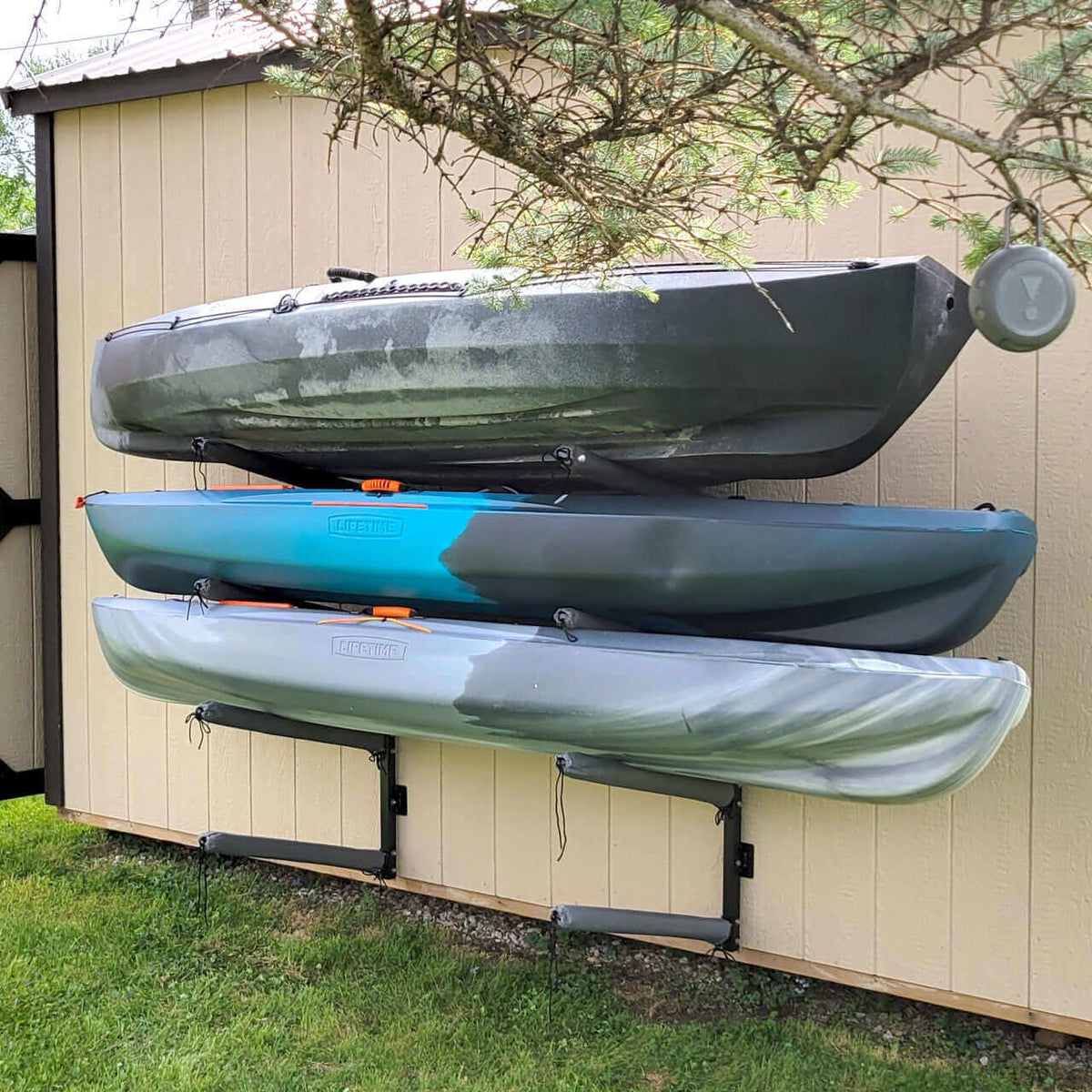
Wall-mounted racks are perfect for saving floor space. They allow you to hang your kayak along the wall, freeing up valuable real estate in your garage or storage area. Installing a wall-mounted rack is straightforward. Most come with easy-to-follow instructions, and you can have them up in no time. Consider the weight capacity of the rack. A sturdy option ensures your kayak stays secure, especially during off-seasons when it’s not in use.Freestanding Racks
Freestanding racks are ideal if wall space is limited. These racks provide flexibility, allowing you to move them around as needed. They are particularly useful for those who might want to store multiple kayaks. A freestanding rack can often accommodate two or more kayaks, making it a versatile option for families or kayaking enthusiasts. Ensure the rack is stable. The last thing you want is a toppled kayak, so check the base and overall design for stability.Diy Solutions
Feeling crafty? A DIY solution might be just what you need. Building your own rack can be both a cost-effective and rewarding project. You can repurpose materials like PVC pipes or wooden beams to create a custom fit for your kayak. This allows you to tailor the design to your specific storage space. DIY solutions also offer a sense of accomplishment. Plus, you can modify and adapt your setup as your storage needs change. Have you ever tried building something from scratch? It might just be the perfect weekend project.Protection From Elements
Store your kayak in a shaded area to protect it from sun damage. Use a waterproof cover to shield it from rain and snow. Elevate the kayak off the ground to prevent moisture buildup and pests.
Storing your kayak properly is crucial to ensure its longevity and maintain its performance. Protecting your kayak from the elements is essential in preventing damage and preserving its condition. Extreme weather, UV rays, and pests can all pose threats. How can you safeguard your kayak and enjoy seamless adventures for years to come? Let’s delve into the specifics.Waterproof Covers
Using a waterproof cover is a simple yet effective way to shield your kayak from rain and moisture. A high-quality cover can prevent water accumulation that might lead to mold or material degradation. Choose a cover that fits snugly and is easy to secure. Remember, not all covers are created equal. Opt for ones made from durable materials that can withstand harsh weather conditions. Wouldn’t it be great to know your kayak is protected, even during unexpected downpours?Uv Protection
The sun can be a formidable enemy to your kayak, causing fading and weakening of materials. Investing in UV protection is essential. Some covers come with UV-resistant features, but you can also apply specialized sprays to safeguard the kayak’s surface. Consider storing your kayak in shaded areas or under a canopy. This simple adjustment can significantly reduce sun exposure. Have you ever noticed how prolonged sun exposure affects the color of fabrics? The same principle applies here.Pest Prevention
Pests can be a surprising threat to your kayak. Small animals may find cozy spots to nest, leading to potential damage. Use barriers or repellents to deter pests from making your kayak their home. A clean storage area is crucial. Regular inspections can help spot any signs of pest activity early. Wouldn’t it be frustrating to discover damage after weeks of neglect? By taking proactive steps, you can avoid such surprises. Protecting your kayak from elements is more than just storage—it’s about preserving your adventure companion. Implement these strategies and enjoy worry-free paddling.Regular Maintenance
Maintaining your kayak regularly ensures it remains in top condition and ready for your next adventure. Proper care extends its lifespan and enhances your experience on the water. Here’s how you can keep your kayak in great shape, focusing on essential maintenance tasks.
Cleaning Before Storage
Before you store your kayak, give it a thorough cleaning. Use freshwater to rinse off salt, sand, and debris. A mild soap can help remove stubborn grime.
This prevents mold and mildew, which can damage your kayak. It’s a simple step that makes a big difference.
Consider this: a clean kayak not only looks better but performs better. So, take the time to clean it well.
Inspecting For Damage
Regular inspections are crucial. Check for cracks, dents, and any signs of wear. Pay attention to the hull and the cockpit area.
Small damages can worsen over time. Address them promptly to avoid costly repairs later. A quick fix now saves you a headache down the line.
Have you ever found a small crack and thought it was nothing? Inspecting regularly ensures you catch these issues early.
Seasonal Checks
Seasonal checks are about preparing your kayak for the changes in weather. In colder months, make sure it’s stored in a dry, protected area.
During warmer months, check for UV damage or fading. These checks are vital to maintaining your kayak’s quality.
Ask yourself: Is your kayak ready for the next season? Taking proactive steps ensures it is.
Regular maintenance is the key to a reliable kayak. By following these simple steps, you’re investing in countless future adventures. How do you maintain your kayak? Share your insights and tips below!
Security Measures
Store your kayak indoors or in a shaded area to protect it from sun damage. Use a kayak cover to keep dust and moisture away. Secure it with locks or cables to prevent theft.
Security measures are crucial for storing a kayak safely. Protecting your kayak prevents theft and damage. This section explores effective security practices for kayak storage. Implementing these measures ensures peace of mind.Locking Systems
Invest in a robust kayak lock. A cable lock is versatile and easy to use. Thread it through the kayak’s scupper holes. Secure the cable to a fixed object. D-locks offer strong resistance against cutting. Choose locks with weather-resistant materials. Regularly inspect locks for wear and tear.Secure Anchoring
Anchor your kayak to a fixed structure. Use a secure post or a wall anchor. Install the anchor in a concrete surface. This adds stability and security. Chains or cables can connect to the anchor. Ensure the anchoring setup resists tampering. Regularly check for any weaknesses.Insurance Options
Consider insuring your kayak. Some homeowners’ policies cover kayaks. Verify coverage details with your insurer. Specialized kayak insurance offers tailored protection. It covers theft, damage, and accidents. Compare policies to find the best fit. Insurance adds an extra layer of security.Transport Considerations
Keeping your kayak protected during transport is essential. Secure it using sturdy straps or a specialized rack system to prevent damage. Position the kayak so it doesn’t obstruct your view and ensure it’s tightly fastened to avoid movement.
Transporting your kayak safely is crucial for maintaining its condition. Proper methods can prevent damage and ensure your kayak lasts for years. Understanding how to load and transport your kayak can make your trips smoother and more enjoyable.Safe Transport Methods
Using a roof rack is popular for transporting kayaks. It provides stability and is designed to hold kayaks securely. Ensure the rack is compatible with your vehicle. Trailers are another option, especially for larger kayaks or multiple units. They offer more space and are easier to load and unload. Always check local regulations when using a trailer.Loading Techniques
Position the kayak carefully when loading onto a rack. Place it with the cockpit facing up to prevent damage. Strap it down tightly to avoid movement during transit. Use foam pads or cradles to cushion the kayak. This prevents scratches and helps distribute weight evenly. With trailers, use tie-down straps to secure the kayak firmly.Avoiding Damage During Transport
Inspect straps and racks before each trip for wear. Replace any damaged parts immediately to avoid mishaps. Avoid over-tightening straps as it can warp the kayak. Check the kayak’s position frequently during long drives. Make adjustments if necessary to keep it secure. Keep the kayak clean to prevent dirt and debris from causing damage.
Credit: www.amazon.com
Credit: vibekayaks.com
Frequently Asked Questions
Is It Better To Store A Kayak Vertically Or Horizontally?
Store kayaks horizontally on padded supports to prevent warping. Vertical storage can stress the hull and cause damage. Ensure even weight distribution and protect from direct sunlight. Regularly check for any signs of wear or damage. This method extends the kayak’s lifespan and maintains its shape effectively.
Can You Store A Kayak On Its Bottom?
Storing a kayak on its bottom can cause deformation over time. It’s better to store it on its side or hang it. Proper storage maintains the kayak’s shape and extends its lifespan. Use padded racks or straps for support. Always keep the kayak clean and dry before storage.
Can You Store A Kayak On Sawhorses?
Yes, you can store a kayak on sawhorses. Ensure they are padded to prevent damage. Position the kayak upside down or on its side for optimal support. This method helps maintain the kayak’s shape and prolongs its lifespan.
How To Store A Kayak When Living In An Apartment?
Store a kayak vertically in a corner using wall-mounted racks. Consider using a ceiling hoist system for limited space. Use a kayak cover to protect from dust and damage. Ensure proper security with locks or straps to prevent theft. Regularly check for any wear or damage.
Conclusion
Storing a kayak properly keeps it safe and ready for adventure. Find a spot with no direct sunlight. Use a rack or wall mount for support. Cover it to protect from dust and dirt. Avoid hanging by the handles; it might warp.
Keep it dry to prevent mold. Regular checks ensure everything stays in top shape. Follow these simple steps for a kayak that lasts. Enjoy your time on the water knowing it’s well cared for. Proper storage means more fun paddling days ahead.
Your kayak deserves it!