
Strapping your kayak securely to your roof rack is crucial for a safe and stress-free trip to the water. Imagine cruising down the highway with peace of mind, knowing your kayak is secured properly.
Whether you’re a seasoned paddler or a weekend adventurer, learning how to tie a kayak to a roof rack effectively can make all the difference. You might be wondering, “What’s the best way to do it without damaging my car or the kayak?
” Don’t worry, you’re not alone. Many kayak enthusiasts have faced this challenge and come out victorious. You’ll discover simple, step-by-step instructions that will make you confident in your tying skills. Ready to hit the road with your kayak safely in tow? Let’s dive in!
Choosing The Right Roof Rack
Properly tying a kayak to a roof rack ensures safety during transport. Use straps to secure the kayak firmly, preventing movement. Always check the tightness and stability of the kayak before driving.
Choosing the right roof rack is crucial for safely transporting your kayak. A good roof rack ensures your kayak is secure during travel. It also protects your vehicle from damage. Selecting the right one involves understanding different types and their compatibility with your car. Here’s what you need to know.Types Of Roof Racks
Several roof rack options are available for your vehicle. Crossbars are a popular choice, offering stability and strength. They are ideal for carrying kayaks over long distances. Another option is a J-cradle. It holds the kayak on its side, saving space for more gear. Foam pads are the simplest type, useful for short trips. They are affordable and easy to install. Each type of roof rack has its unique benefits.Compatibility With Vehicle
Ensure the roof rack matches your vehicle’s make and model. Check the manufacturer’s specifications for your car. Some vehicles come with pre-installed roof rails, making it easier to add a rack. If your car lacks them, consider racks that clamp onto the roof. Always verify weight limits. Your roof and rack must support the kayak’s weight. Compatibility ensures a secure fit, preventing accidents and damage.Preparing The Kayak
Securely fasten your kayak to a roof rack by using sturdy straps. Position the kayak evenly and tighten the straps across the hull. Ensure that the kayak is stable and won’t shift during travel. Properly tying your kayak guarantees a safe journey to your paddling destination.
Preparing a kayak for transport is crucial. A well-prepared kayak ensures safe travel. Start with a thorough inspection and cleaning. This helps maintain the kayak’s condition and ensures a secure fit on the roof rack.Inspecting The Kayak
Check the kayak for cracks or damage. Look at the hull and seams closely. Ensure all parts are secure, including handles and straps. Loose parts can cause trouble during transport. A well-inspected kayak is safer to tie down.Cleaning And Drying
Wash the kayak to remove dirt and debris. Use water and mild soap. Clean kayaks reduce the risk of scratches on the car. Dry the kayak completely before loading. A wet kayak can slip more easily. Use a towel or let it air dry. This simple step keeps the process smooth and safe.Positioning The Kayak
Place the kayak centrally on the roof rack to ensure balance. Align it with the vehicle for stability. This positioning reduces wind resistance and keeps the kayak secure during transport.
Positioning the kayak on a roof rack is crucial for safe transport. Getting this right ensures balance and prevents damage during travel. Begin by placing the kayak on the vehicle roof gently. Make sure it sits evenly on the rack before securing it. This helps distribute weight properly and avoid mishaps.Balancing The Load
Balance is key when positioning your kayak. Place it in the center of the roof rack. This keeps the weight evenly distributed. Avoid placing it too far forward or backward. Ensuring balance prevents the kayak from tilting. It also helps reduce wind resistance while driving.Aligning With The Roof Rack
Align the kayak parallel to the roof rack bars. This alignment enhances stability during transport. Check if the kayak edges line up with the rack’s crossbars. Misalignment can cause the kayak to shift while driving. Proper alignment ensures a smoother ride and less strain on straps.
Credit: www.ascentforums.com
Securing With Straps
Securing a kayak with straps to a roof rack ensures safe transportation. Position the kayak evenly, then loop the straps over it. Tighten securely to prevent movement during travel.
Securing your kayak with straps is essential for safe transportation. Properly securing your kayak can prevent it from shifting or falling off, ensuring both your safety and that of other road users. Let’s dive into the specifics of using straps effectively.Choosing The Right Straps
Before heading out, ensure you have the right straps for the job. Opt for cam buckle straps over ratchet straps; they offer a simpler, more secure way to fasten your kayak without overtightening. A strap length of at least 12 feet is ideal for most vehicles. Ensure the straps are in good condition. Look for signs of wear, like fraying or tears, as these could compromise their effectiveness. If you notice any damage, replace them immediately. Consider investing in straps with a protective sleeve. This can prevent scratches on your kayak and car, keeping both in top shape.Using Bow And Stern Lines
Bow and stern lines provide extra security by anchoring the kayak at its ends. This reduces the risk of it lifting due to wind forces during transit. Attach these lines to the front and rear of your vehicle for added stability. When using bow and stern lines, ensure they are taut but not overly tight. Over-tightening can stress the kayak and your car’s attachment points. Always double-check knots or fastenings before setting off. A quick tug can assure you everything is secure. Have you ever considered how the peace of mind from knowing your kayak is secure can enhance your journey? Adding these lines might take a few extra minutes, but the security they provide is worth the effort. As you gain more experience, you’ll find this step becomes second nature. Taking the time to secure your kayak properly ensures a smooth, worry-free trip, allowing you to focus on the adventure ahead.Ensuring Stability
Transporting a kayak securely on your vehicle’s roof rack is crucial to ensure both safety and peace of mind during your journey. A well-fastened kayak not only prevents damage to your vehicle and the kayak but also keeps the road safe for others. Let’s dive into essential tips for ensuring stability when tying your kayak to a roof rack.
Checking Strap Tension
Strap tension is key to keeping your kayak stable. After securing the straps, give them a firm tug to assess their tightness. You should feel resistance, but the straps shouldn’t be so tight that they damage the kayak.
As you check tension, look for any loose ends that may flap in the wind. Tuck or tie these away to prevent distractions while driving.
Regularly inspect the straps during long trips. Environmental factors like rain or heat can alter tension, so make adjustments as needed.
Preventing Movement
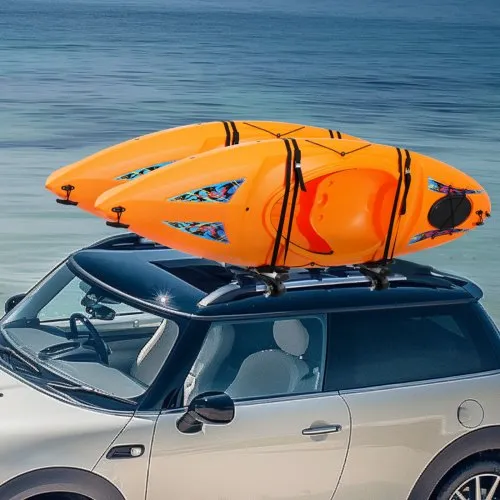
Movement prevention starts with strategic placement. Position your kayak evenly on the roof rack to distribute weight and reduce the chance of shifting.
Use bow and stern lines for added security. These lines anchor the kayak at both ends, minimizing forward and backward motion.
Consider adding padding between the kayak and the roof rack. This not only protects the kayak’s surface but also provides grip, reducing side-to-side movement.
Have you ever driven with a kayak that seemed to dance on your roof with every turn? It’s unsettling, right? A stable kayak should feel like an extension of your vehicle, not an unpredictable passenger.
By taking these steps, you ensure that your kayak stays put, giving you the confidence to enjoy the journey as much as the destination.
Credit: smilessalam.sg
Safety Checks Before Driving
Before hitting the road with your kayak securely fastened to the roof rack, it’s crucial to perform a few safety checks. These checks ensure not only the safety of your kayak but also your peace of mind during transit. Imagine cruising down the highway without a worry in the world, knowing you’ve taken all the necessary precautions. Here’s how you can achieve that:
Inspecting Strap Condition
Begin by examining the condition of the straps. Are they frayed or worn out? It’s a simple check that can make a huge difference. Replacing damaged straps can prevent unforeseen accidents.
Consider the last time you replaced them. Regular use can weaken their integrity. If they’ve been sitting in your garage for months, a quick inspection could save you trouble down the road.
Confirming Kayak Position
Ensure that the kayak is correctly positioned on the roof rack. A slight shift during transport can lead to disastrous consequences. Double-check its alignment and stability.
Ask yourself: Does it look centered and secure? A misaligned kayak can affect your vehicle’s aerodynamics, leading to increased fuel consumption. Take a moment to adjust and re-secure if needed.
Drive confidently knowing that your kayak is safely tied down and ready for the journey ahead. Following these safety checks can transform a potentially stressful drive into a relaxed adventure.
Tips For Long-distance Travel
Long-distance travel with a kayak on your roof rack requires careful planning. Ensuring your kayak stays secure and damage-free during your journey is crucial. Here are some essential tips to help you travel smoothly and safely.
Monitoring During Stops
Regular checks at rest stops can prevent mishaps. Inspect the kayak’s position and straps. Look for signs of loosening or shifting. A quick glance can save you from potential issues. Examine the roof rack for any signs of damage. Ensure all bolts and fixtures remain tight.
Adjusting As Needed
Adjustments may be necessary as you travel. Temperature changes can affect strap tension. Tighten or loosen straps to maintain security. Check the kayak’s alignment after each adjustment. Make sure it remains centered on the rack. A balanced load is key for stability.
Keep tools handy for any necessary fixes. A small toolkit can be a lifesaver. Be prepared to re-secure if needed. Having extra straps is always a good idea. Quick adjustments can keep your journey stress-free.

Credit: www.facebook.com
Frequently Asked Questions
How To Properly Secure A Kayak On A Roof Rack?
Place the kayak upside down on the roof rack. Use strong straps to secure it tightly. Ensure straps are evenly spaced and not twisted. Double-check the kayak’s stability by shaking it. Avoid over-tightening to prevent damage.
What Straps Are Best For Tying Down A Kayak?
Use heavy-duty ratchet straps or cam straps for tying down a kayak securely. These straps provide strong hold and adjustability. Ensure they are weather-resistant and at least 12 feet long. Avoid using bungee cords, as they don’t offer enough stability for safe transportation.
How Fast Can You Drive With A Kayak On The Roof?
Drive within speed limits with a kayak on the roof. Generally, keep speeds under 65 mph for safety. Check straps regularly to ensure the kayak is secure. High speeds can increase wind resistance and affect vehicle stability. Follow local regulations and manufacturer’s guidelines for safe transportation.
What Is The Best Knot To Tie Down A Kayak?
The best knot for tying down a kayak is the bowline knot. It is secure and easy to untie. The bowline knot creates a fixed loop, which helps anchor the kayak firmly during transport. Ensure the knot is tight and check for any movement before driving.
Conclusion
Securing your kayak on a roof rack is crucial. Safety comes first. Remember to check all straps. Ensure they’re tight and secure. Double-check your setup before driving. This prevents accidents and damage. Practice makes perfect. With time, you’ll tie it quickly and confidently.
Enjoy the adventure ahead. Relax, knowing your kayak is safe. Now hit the road. Explore new waters with ease. Your journey awaits. Happy kayaking!