Are you ready to hit the water and explore the world from the seat of your kayak? Before you set off on your adventure, there’s one crucial detail to get right: the paddle.
Choosing the correct size paddle can transform your kayaking experience, making it smoother and more enjoyable. But how do you measure for a kayak paddle that’s just right for you? This guide will walk you through the process step-by-step. Imagine gliding effortlessly through the water, each stroke precise and comfortable.
Sounds ideal, right? Keep reading, and you’ll discover the simple secrets to finding your perfect paddle match, ensuring every kayaking trip is a breeze.
Choosing The Right Paddle Length
Measure for a kayak paddle by standing and reaching over your head. Hold the paddle vertically. Fingers should curl over the blade’s edge. Paddle length affects comfort and efficiency on the water.
Choosing the right paddle length is crucial for a comfortable and efficient kayaking experience. A paddle that’s too long can be cumbersome, while one that’s too short may not provide the right leverage. Let’s explore how different factors like kayak type and paddling style influence the ideal paddle length for you.Kayak Type Considerations
The type of kayak you use plays a significant role in determining the right paddle length. For instance, recreational kayaks, which are typically wider, often require a longer paddle. This extra length helps you reach the water comfortably without straining your shoulders. On the other hand, narrower kayaks, like those used for touring, may need shorter paddles. A shorter paddle offers better control and reduces fatigue over long distances. Consider measuring the width of your kayak to get a better idea of the paddle length you may need.Paddling Style Impact
Your paddling style also affects the paddle length you should choose. If you prefer a high-angle paddling style, which is more aggressive and powerful, a shorter paddle might suit you better. It allows for quicker strokes and greater speed. Conversely, a low-angle paddling style, which is more relaxed, typically pairs well with a longer paddle. This style is ideal for leisurely trips and helps conserve energy. Reflect on your usual paddling style to make a more informed decision about paddle length. Have you ever noticed how a slight change in paddle length can transform your kayaking experience? An adjustment of just a few centimeters can either enhance your adventure or leave you feeling exhausted. Choose wisely to make the most out of every paddling trip.Understanding Paddle Blade Shape
Understanding the shape of a paddle blade is crucial when measuring for a kayak paddle. Blade shape affects the paddle’s efficiency and comfort. Consider blade width and length to find the right fit for your kayaking style.
Understanding the right paddle blade shape can enhance your kayaking experience. Different shapes cater to unique paddling styles. This affects your speed and efficiency on the water.High-angle Vs Low-angle Blades
High-angle blades are wider and shorter. They suit a more aggressive paddling style. This means faster strokes and higher speeds. High-angle paddles are ideal for racing or white-water kayaking. Low-angle blades are longer and narrower. They are for a more relaxed paddling style. This style is energy-efficient and great for long-distance touring. It helps reduce strain on your arms and shoulders.Materials And Durability
Paddle blades come in various materials. Plastic blades are affordable and sturdy. They are great for beginners. Fiberglass blades are lightweight and durable. They offer better performance and efficiency. Carbon fiber blades are the lightest and strongest. These are preferred by experienced kayakers. They provide excellent performance but are more expensive. Choose a blade material based on your needs and budget.Grip And Shaft Diameter
Grip and shaft diameter are vital for kayak paddle comfort. Measure the shaft’s width and your hand’s grip size. Select a paddle that matches both for optimal handling and efficiency.
Choosing the right kayak paddle is crucial for comfort and efficiency on the water. One often overlooked aspect is the grip and shaft diameter. This choice can significantly impact your paddling experience, affecting both control and fatigue. A paddle that fits well in your hands can make your kayaking adventures more enjoyable and less tiring.Personal Comfort Preferences
Your hands are unique, and so should be your paddle’s grip. If you have smaller hands, a thinner shaft might feel more comfortable and provide better control. Conversely, larger hands may find a thicker shaft more suitable. Consider how your grip feels after long paddling sessions. Do you often experience fatigue or discomfort? This might indicate a mismatch in your grip or shaft diameter. Experimenting with different sizes can help you find the perfect fit.Adjustable Vs Fixed Options
Adjustable paddles offer flexibility, allowing you to tweak the shaft diameter and grip. They are ideal for those who share paddles with others or paddle in varying conditions. You can adjust them to suit different hand sizes or layer thicknesses if you paddle in colder climates. Fixed paddles, on the other hand, provide a consistent feel with no moving parts. They might be more durable and often lighter, making them a favorite for seasoned paddlers. Consider your paddling habits and decide whether flexibility or consistency is more important for you. Choosing between adjustable and fixed can also depend on your kayaking style. Are you paddling for leisure or competitive purposes? Your decision could shape your entire experience on the water.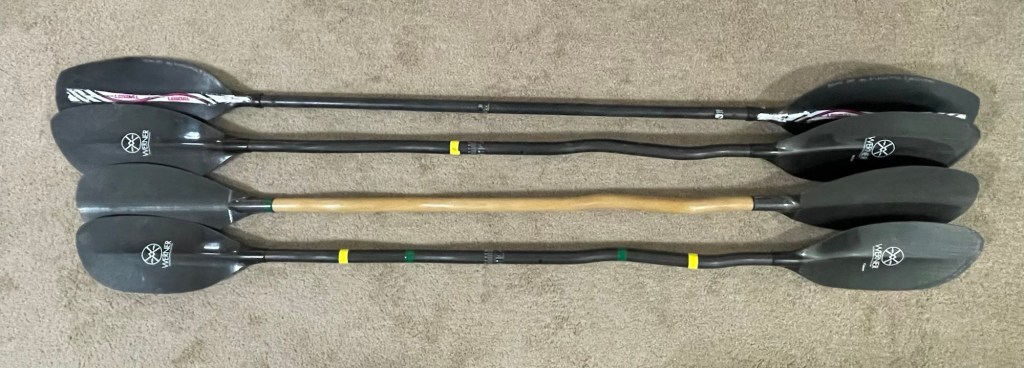
Credit: kitchi-gami.com
Testing Paddle Fit
Testing paddle fit ensures comfort and efficiency on the water. It’s crucial for a seamless kayaking experience. A well-fitted paddle reduces strain and enhances control. Let’s explore how to test your paddle fit effectively.
On-water Trials
Take your paddle to the water for real testing. Observe your hand position and grip. Ensure your hands feel comfortable during strokes. Check the paddle’s reach and effectiveness. Watch for any discomfort or awkward movements. Paddle in different conditions for varied feedback.
Feedback And Adjustments
Gather feedback from your on-water trials. Note any discomfort or inefficiency. Adjust the paddle length if necessary. Consider changing the blade angle or shape. Ensure your adjustments improve comfort and performance. Repeat trials to confirm the ideal fit. Proper adjustments lead to a better kayaking experience.
Expert Recommendations
Choosing the right kayak paddle size can make your paddling more enjoyable. Experts offer valuable tips to help you select the perfect paddle. By following their advice, you can avoid discomfort and improve your kayaking experience.
Common Mistakes To Avoid
Many kayakers choose paddles that are too long or short. This can lead to inefficient strokes and fatigue. Some people overlook the importance of paddle width and blade shape. These factors can affect your paddling speed and control. It’s also common to ignore personal factors like height and arm length. Customized paddle sizing can enhance comfort and performance.
Tips From Professional Kayakers
Professional kayakers suggest starting with your height as a guide. Taller paddlers often benefit from longer paddles. Shorter individuals might find shorter paddles easier to handle. Consider your kayaking style, such as touring or whitewater. Each style may require different paddle lengths and blade shapes. Practice with different paddles to find what feels most comfortable. Experienced kayakers recommend adjustable paddles for versatility.

Credit: kitchi-gami.com

Credit: star-board.com
Frequently Asked Questions
How To Determine What Size Kayak Paddle You Need?
Choose a kayak paddle by considering your height and the kayak’s width. Taller individuals need longer paddles. Narrow kayaks require shorter paddles, while wider ones need longer paddles. Consult a paddle size chart for specific recommendations. Ensure comfort and efficiency during paddling for the best experience.
How Do You Measure Yourself For A Paddle?
Stand tall and measure from your wrist to the floor. Choose a paddle length matching this distance. Consider your height, arm length, and paddling style for best fit. Ensure comfort and efficiency in the water.
What Are The Three Golden Rules Of Kayaking?
Always wear a life jacket for safety. Choose the right kayak for your skill level and water conditions. Check weather forecasts before heading out.
What Size Kayak Do I Need For My Height?
Choose a kayak based on your height and weight. Taller individuals (above 6 feet) should opt for kayaks 12 feet or longer. Shorter individuals can use kayaks 10-12 feet long. Consider your skill level and activity type for the best fit.
Comfort and stability are crucial factors for a great kayaking experience.
Conclusion
Choosing the right kayak paddle size is important. It enhances comfort and efficiency. Measure your torso and kayak width. Then, select the perfect paddle length. Remember, a well-fitting paddle improves your kayaking experience. Practice with different paddle lengths. Find what feels best for you.
A perfect paddle makes paddling easier and more enjoyable. Use these tips to choose wisely. Enjoy your time on the water with confidence. Happy kayaking!