Are you ready to enhance your kayaking experience? The right paddle size is the secret ingredient that transforms your journey on the water from a mere activity into an exhilarating adventure.
Imagine gliding effortlessly across a serene lake or navigating through thrilling rapids, all because you chose the perfect paddle. But how do you get it right? Misjudging the size can leave you with sore arms and less control. This guide is here to ensure you avoid those pitfalls.
We’ll walk you through simple steps to find the ideal kayak paddle size for you. Whether you’re a seasoned paddler or a curious beginner, you’ll discover tips that make the selection process straightforward and stress-free. Get ready to make every stroke count!
Choosing The Right Paddle Length
Choosing the right kayak paddle length is crucial for a smooth ride. A well-sized paddle enhances control and reduces fatigue. It makes your kayaking experience more enjoyable and efficient. Understanding the importance of paddle length is the first step in this process.
Importance Of Proper Paddle Length
A paddle that’s too long or short affects your performance. A long paddle can cause shoulder strain, slowing you down. A short paddle might require extra effort, making paddling inefficient. Proper paddle length ensures comfortable and effective strokes.
Factors Influencing Paddle Size
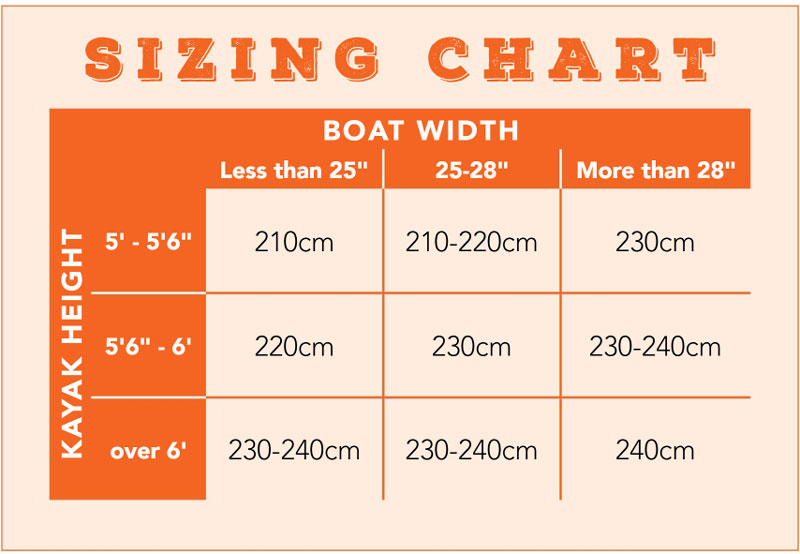
Several factors determine the ideal paddle size for you. Your height plays a significant role in choosing the right length. Taller paddlers may need longer paddles for better reach. The width of your kayak also influences paddle size. Wider kayaks often require longer paddles for efficient strokes.
Paddling style is another important factor. High-angle paddlers benefit from shorter paddles for quick strokes. Low-angle paddlers prefer longer paddles for relaxed and smooth strokes. Consider these factors to find a paddle that suits your needs.
Kayak Dimensions And Paddle Sizing
Choosing the right paddle size for your kayak can significantly affect your paddling experience. It’s not just about picking any paddle and heading out; understanding kayak dimensions and paddle sizing is crucial. This ensures you have the right balance, efficiency, and comfort while paddling. Let’s dive into how your kayak’s characteristics influence your paddle choice.
Matching Paddle Length To Kayak Width
Your kayak’s width plays a pivotal role in selecting the right paddle length. Wider kayaks generally require longer paddles to ensure that your strokes are efficient and reach the water without strain. Imagine paddling a wide fishing kayak with a short paddle; you might find yourself constantly leaning to reach the water, compromising your stability.
On the other hand, narrow kayaks, like those designed for speed or racing, typically pair well with shorter paddles. This allows for quicker strokes and less resistance, enhancing your speed. A practical tip is to measure the width of your kayak and match it with a paddle length chart provided by manufacturers for optimal results.
Effects Of Kayak Type On Paddle Choice
The type of kayak you use also greatly influences your paddle selection. Recreational kayaks, often wider and designed for stability, benefit from paddles that provide powerful strokes to navigate leisurely waters efficiently. If you’re paddling a touring or sea kayak, you might prefer paddles that are lighter and allow for long-distance paddling with less fatigue.
Think about your kayaking goals. Are you looking for speed, adventure, or relaxation? Each objective might require a different paddle design and length. For instance, if you’re into white-water kayaking, shorter, robust paddles offer the quick maneuverability you need. Consider your aspirations and match them with the appropriate paddle to enhance your experience.
So, how do you ensure your paddle choice aligns perfectly with your kayak dimensions and type? Are there any specific challenges you’ve faced with paddle sizing? Share your experiences in the comments below!
Paddler’s Body Measurements
Choosing the right kayak paddle size involves knowing your body measurements. Your height and arm span play a crucial role. These factors help you find a paddle that fits comfortably. Correct sizing improves your paddling efficiency and comfort. Let’s explore how your body measurements affect paddle sizing.
Impact Of Height And Arm Span
Your height directly influences the paddle length you need. Taller paddlers often require longer paddles. This ensures their strokes are effective and comfortable. Measure your height accurately for the best results.
Arm span is another key measurement. It affects how far you can reach with each stroke. Spread your arms wide and measure fingertip to fingertip. A longer arm span may mean a longer paddle. This helps maintain a smooth paddling rhythm.
Using Body Type For Accurate Sizing
Your body type can also impact paddle sizing. If you have a slender build, a lighter paddle may be ideal. This reduces strain during long paddling sessions.
For those with a muscular build, a paddle with a larger blade might suit better. It provides more power with each stroke. Consider your build to ensure comfort and efficiency on the water.
In summary, consider height, arm span, and body type. These factors guide you to the right paddle size. Happy paddling!

Credit: kitchi-gami.com
Paddling Style Considerations
Choosing the right kayak paddle size involves understanding your paddling style. Your style directly affects the paddle length and shape needed. Each style has unique demands that can influence your kayaking experience.
High-angle Vs. Low-angle Paddling
High-angle paddling involves a steeper stroke angle. It is more aggressive and powerful. This style suits fast and powerful strokes. Ideal for racing or short-distance paddling. The paddle blades are often shorter and wider.
Low-angle paddling is more relaxed and gentle. It uses a shallower stroke angle. This style is perfect for long-distance cruising. It conserves energy and reduces fatigue. Paddlers use longer and narrower blades.
How Style Influences Paddle Length
High-angle paddlers require shorter paddles. This provides better control and power. The shorter length helps in quick strokes. It suits dynamic and energetic paddling styles.
Low-angle paddlers benefit from longer paddles. The extended length aids in smooth, sweeping strokes. It allows for better reach and efficiency. Perfect for a relaxed and steady paddling rhythm.
Understanding your paddling style helps in choosing the right paddle size. It enhances comfort and performance on the water.
Adjustable Vs. Fixed-length Paddles
Adjustable paddles allow flexibility in length, ideal for multiple users or conditions. Fixed-length paddles provide stability and performance for specific needs. Choosing the right paddle size involves considering height, kayak width, and personal preference. Proper sizing ensures efficiency and comfort during kayaking adventures.
Choosing the right kayak paddle can greatly enhance your paddling experience, whether you’re gliding through tranquil waters or tackling challenging currents. A key decision in this process is selecting between adjustable and fixed-length paddles. Each type offers unique advantages tailored to different needs and preferences. Understanding these differences will help you make the most suitable choice for your kayaking adventures.Benefits Of Adjustable Paddles
Adjustable paddles provide flexibility that can be invaluable, especially if you’re sharing equipment with family or friends. They allow you to customize the length according to your height and the type of kayaking you’re doing. Imagine you’re planning a kayaking trip with varied activities like fishing and touring. An adjustable paddle lets you switch lengths easily, offering optimal performance in different scenarios. This adaptability can enhance your comfort and efficiency on the water. Moreover, adjustable paddles are excellent for growing kids or beginners who might be unsure of their perfect paddle length. As you become more experienced, you can fine-tune the length to match your evolving skills and preferences.When To Opt For Fixed-length
Fixed-length paddles are often the go-to for dedicated kayakers who prioritize performance and stability. If you have a clear understanding of your paddling style and are committed to a specific type of kayaking, fixed-length paddles provide consistent performance. For instance, if you’re into racing or long-distance touring, a fixed-length paddle offers a precise fit that can boost your efficiency and reduce fatigue. You’ll find that the uniformity in length helps maintain a steady rhythm, crucial for endurance. Additionally, many experienced paddlers appreciate the durability and simplicity of fixed-length paddles. Without adjustable mechanisms, they often boast a streamlined design that’s less prone to wear and tear. Consider asking yourself if the reliability and performance of a fixed-length paddle align with your kayaking aspirations.
Credit: www.youtube.com
Material And Weight Impact
Choosing the right kayak paddle involves more than just its length; the material and weight significantly influence your paddling experience. Imagine navigating through serene waters, the sun on your face, and a paddle that feels like an extension of your arm. The material and weight of your paddle can make this dream a reality or turn it into a tiring ordeal. Let’s dive into how these factors can impact your adventure on the water.
Choosing Lightweight Materials
Lightweight materials can transform your kayaking experience, allowing you to paddle longer without fatigue. Materials like carbon fiber and fiberglass are popular for their minimal weight and efficiency in slicing through water. They make it easier to manage strokes and give you more control over your kayak.
Consider the difference a few ounces can make when you’re paddling for hours. Lighter paddles reduce strain on your shoulders and arms, making your journey more enjoyable. Have you ever felt your arms tire after just a few minutes of paddling? Choosing lightweight materials can alleviate this common issue.
Balancing Durability And Performance
Durability shouldn’t be sacrificed for weight. While lightweight paddles are appealing, they must withstand the rigors of your kayaking adventures. Fiberglass paddles offer a good balance, being both light and durable. They’re resistant to impact and can handle rocky encounters without compromising performance.
Durability becomes crucial when you’re navigating challenging terrains or facing unexpected obstacles. Imagine your paddle snapping mid-adventure—an inconvenience best avoided by choosing resilient materials. How do you ensure your paddle is both lightweight and durable? Consider the environment you’ll be kayaking in and the demands you’ll place on your paddle.
Material and weight choices are pivotal for a comfortable and efficient kayaking experience. By selecting the right paddle, you can enhance your journey and make every stroke count. So, what material resonates with your kayaking style and needs?
Expert Tips For Beginners
Choosing the right kayak paddle size depends on your height and kayak width. Shorter paddles suit narrow kayaks, while longer ones fit wider kayaks. Testing different lengths helps find your comfort zone.
Sizing a kayak paddle correctly is crucial for beginners looking to enjoy smooth and efficient paddling. Imagine gliding effortlessly through the water, with each stroke feeling natural and powerful. The right paddle size can transform your kayaking experience, making it both enjoyable and less tiring. In this section, we’ll share expert tips to help you choose the perfect paddle size, ensuring your kayaking adventures start on the right note.Common Mistakes To Avoid
Beginners often make the mistake of choosing a paddle based solely on price rather than suitability. A cheap paddle might save money initially, but it could lead to discomfort and inefficiency on the water. Another common error is overlooking the importance of paddle length. A paddle that’s too long or too short can impact your stroke, leading to fatigue and reduced control. Consider your height and the width of your kayak when selecting a paddle. A mismatch can make paddling more strenuous and less enjoyable.Advice From Experienced Kayakers
Experienced kayakers recommend testing different paddle lengths to find the one that feels most comfortable. What works for one person may not work for another, so it’s important to try various options. Seek advice from seasoned kayakers who understand the nuances of paddle sizing. Their insights can be invaluable, particularly when you’re just starting out. Remember, the right paddle can make all the difference. Once, I borrowed a friend’s paddle that was too short for my kayak. It was a struggle, and I learned the hard way about the importance of paddle sizing. What insights can you gain from those who have been there and done that? By addressing these common mistakes and listening to experienced kayakers, you’re setting yourself up for success.
Credit: bendingbranches.com
Testing And Adjusting Your Paddle
Finding the perfect kayak paddle size is crucial for a comfortable and efficient paddling experience. Once you’ve chosen a paddle based on height and kayak width, testing and adjusting it in real conditions can make all the difference. On-water testing allows you to truly feel how the paddle interacts with the water, and fine-tuning ensures maximum comfort and efficiency. Let’s dive into how you can test and adjust your paddle effectively.
Methods For On-water Testing
Take your paddle on a short trip on calm waters. This helps you focus on the paddle dynamics without battling waves or currents. Pay attention to your strokes. Are they smooth or do you feel resistance? Try paddling at different speeds. This reveals how the paddle performs under various conditions.
Bring a friend or use a smartphone to record your paddling. Watching your technique later helps identify any awkward movements. Are you lifting your paddle too high? Is your grip too tight or loose? Videos provide insights that you might miss in the moment.
Fine-tuning For Comfort And Efficiency
Adjust the paddle length if it feels too short or too long during your test. A longer paddle might provide more power, but it could lead to fatigue. A shorter paddle may be easier on the arms but might lack in reach and efficiency.
Check your hand position and grip. Are your hands evenly spaced? A comfortable grip ensures you don’t end up with blisters or fatigue. Try different grips and see which feels most natural for your hands.
Consider the paddle blade angle. Experiment with slight adjustments to see how it affects your paddling. A small change can improve your stroke efficiency and reduce strain on your wrists.
Is your paddle comfortable for extended periods? If not, think about trying a different material or shape. Comfort can significantly impact your overall paddling enjoyment and endurance.
What adjustments have you made that improved your paddling experience? Sharing your experience with fellow paddlers can be enlightening and help others make informed choices.
Frequently Asked Questions
How To Determine What Size Kayak Paddle You Need?
Choose a kayak paddle based on your height, kayak width, and paddling style. Measure from fingertip to fingertip for length. Wider kayaks require longer paddles. Consider adjustable paddles for versatility. Test different sizes for comfort and efficiency. Ensure the paddle suits your needs for optimal performance and enjoyment on the water.
What Are The Three Golden Rules Of Kayaking?
The three golden rules of kayaking are: always wear a life jacket, know your limits and skills, and stay aware of weather conditions. Prioritize safety by checking equipment and surroundings. Enjoy the experience while respecting nature and other water users.
How Do I Know If My Kayak Paddle Is Too Short?
Your kayak paddle might be too short if you struggle to reach the water comfortably or lack control. Arms should extend without strain, and blades should fully submerge. Adjusting your grip or paddle length can improve efficiency and comfort. Proper paddle size enhances your kayaking experience significantly.
How Do You Measure Yourself For A Paddle?
Stand straight and measure from the ground to your chin. Choose a paddle length based on this measurement. Ensure the paddle suits your height and paddling style for optimal performance. Proper measurement enhances comfort and efficiency in the water.
Conclusion
Choosing the right kayak paddle size is crucial. It impacts your comfort and efficiency. Measure your height and kayak width first. These help determine the correct paddle length. Try different paddles if you’re unsure. Remember, a good fit reduces strain.
Enhances your kayaking experience too. Use this guide to make informed decisions. Enjoy smoother and more enjoyable paddling adventures. Happy kayaking!