
Choosing the right kayak paddle is more than just a simple decision; it’s the key to enhancing your entire kayaking experience. Imagine gliding through the water with ease, every stroke effortless and powerful.
That’s the difference the perfect paddle can make. But with so many options out there, how do you know which one is the right fit for you? In this guide, you’ll uncover the secrets to selecting a kayak paddle that feels like an extension of your own body.
Whether you’re a seasoned paddler or new to the sport, the right paddle can transform your time on the water. As you read on, you’ll discover tips and insights that make choosing a paddle not just a choice, but a revelation. Get ready to elevate your paddling adventures to new heights!
Credit: gearjunkie.com
Choosing The Right Paddle Length
Choosing the right paddle length is key for a great kayaking experience. A paddle that’s too long or short can make paddling hard. It can affect your speed and comfort. Understanding how to choose the right length ensures efficient strokes. This helps you enjoy the water more. Below, we explore factors that affect paddle length and how to measure correctly.
Factors Affecting Paddle Length
Several factors influence the ideal paddle length for kayaking.
- Kayaker’s Height:Taller paddlers often need longer paddles. This helps reach the water comfortably.
- Kayak Width:Wider kayaks require longer paddles. This ensures that the blade reaches the water without hitting the sides.
- Paddling Style:High-angle paddlers use shorter paddles for quick, powerful strokes. Low-angle paddlers prefer longer paddles for steady, relaxed strokes.
- Water Conditions:Rough waters may require a different paddle length than calm waters. Adapt your choice to your usual kayaking environment.
Measuring For Paddle Length
Accurate measurement is crucial for selecting the right paddle. Follow these steps to measure correctly.
- Stand with your arms above your head. Keep your elbows bent slightly.
- Measure the distance from your wrist to the floor. This gives a rough estimate of paddle length.
- Consider your kayak’s width. Add extra length if the kayak is wider.
- Test different paddles at a store or rental place. Find what feels comfortable and efficient.

Credit: gearjunkie.com
Material Choices For Kayak Paddles
Choosing the right material for your kayak paddle is crucial for comfort and performance on the water. Different materials offer unique benefits and can impact the weight and durability of your paddle. Understanding these options can help you make the best choice for your kayaking needs.
Benefits Of Different Materials
- Aluminum:Durable and affordable. Great for beginners. Provides good strength.
- Fiberglass:Lightweight and stiff. Offers a balance of performance and cost. Ideal for moderate use.
- Carbon Fiber:Extremely light. Offers superior stiffness and performance. Perfect for serious paddlers.
- Plastic:Cost-effective and versatile. Suitable for recreational use. Easy to handle.
- Wood:Classic and aesthetic. Provides natural buoyancy. Offers a traditional feel.
Weight Considerations
Weight plays a significant role in paddle comfort. A lighter paddle reduces fatigue during long trips. Aluminum paddles may weigh more but are tough and durable. Fiberglass paddles provide a lighter feel, balancing strength and weight. Carbon fiber paddles are the lightest, reducing strain on arms during extended use. Plastic paddles may be heavier but are sturdy and practical for casual outings.
Blade Design And Shape
Selecting a kayak paddle involves considering blade design and shape. Wider blades offer more power for quick strokes, while narrow blades are ideal for long-distance paddling. Curved blades enhance maneuverability, making them suitable for navigating tight spaces.
Choosing the right kayak paddle is crucial for an enjoyable kayaking experience. A key aspect to consider is the blade design and shape. The design of the blade can significantly affect your paddling efficiency, speed, and control. By understanding the different blade shapes and their impact on performance, you can make an informed decision that enhances your time on the water.Types Of Blade Shapes
Kayak paddle blades come in various shapes, each designed for specific purposes. – Symmetrical Blades: These are identical on both sides, making them versatile and beginner-friendly. They are great for general recreational use. – Asymmetrical Blades: These blades are shorter on one side, allowing for a more even pull through the water. This design reduces flutter and increases efficiency, ideal for longer paddles. – Dihedral Blades: Featuring a ridge down the middle, dihedral blades provide smooth and stable strokes. This design is perfect for reducing strain and is preferred for touring and long-distance kayaking. Have you ever noticed how different paddles feel when you try them out? That’s the blade shape at work.Impact On Performance
The shape of the blade directly influences your paddling performance. – Speed and Maneuverability: A wider blade offers more surface area, providing powerful strokes and quick acceleration. However, it may require more effort over time. – Endurance and Comfort: Narrower blades are less taxing on your arms, enabling longer paddling sessions without fatigue. They are excellent for leisurely trips. – Water Conditions: In choppy waters, a blade with a dihedral shape can provide stability, ensuring you maintain control. Imagine paddling for hours without feeling exhausted—choosing the right blade shape can make this a reality. By focusing on blade design and shape, you ensure your kayak paddle aligns with your paddling style and conditions. What kind of kayaking experience are you aiming for? Your choice of paddle can bring you closer to that perfect adventure.Shaft Options
Choosing the right shaft for your kayak paddle depends on your paddling style and comfort. Bent shafts offer ergonomic benefits, reducing wrist strain. Meanwhile, straight shafts provide a traditional feel and better control. Consider material, length, and adjustability to find the perfect match for your kayaking needs.
Choosing the right kayak paddle is crucial for your comfort and efficiency on the water. One of the key components to consider is the shaft of the paddle. The shaft’s design can significantly affect your paddling style and performance. Let’s dive into the options you have when selecting a kayak paddle shaft.Straight Vs. Bent Shaft
A straight shaft paddle is the traditional choice and often preferred by beginners. It offers simplicity and is usually lighter, making it easier to handle for longer periods. However, if you’ve experienced wrist discomfort while paddling, a bent shaft might be worth considering. A bent shaft paddle is designed to align your wrists in a more natural position, reducing strain. I remember upgrading to a bent shaft after my first long kayaking trip, and the difference in comfort was remarkable. Could a bent shaft be the ergonomic solution you need?Grip Styles
Grip style is another important consideration when choosing a paddle shaft. Some paddles come with a textured grip, while others have a smooth finish. Textured grips can offer more control, especially in wet conditions, but they might take some getting used to. Smooth grips are easier on your hands during leisurely paddles but can become slippery. During a rainy outing, I found myself wishing for a more textured grip. What grip style will keep you in control during your kayaking adventures? Remember, the best shaft option depends on your paddling style and personal preferences. Consider trying out different shaft types and grips to find what feels right for you.Adjustable Vs. Fixed Paddles
Choosing the right kayak paddle involves deciding between adjustable and fixed options. Adjustable paddles offer flexibility in length, ideal for sharing among multiple users. Fixed paddles provide a consistent feel and performance, suitable for those who prefer a reliable setup.
Choosing the right kayak paddle can enhance your paddling experience. A key decision is between adjustable and fixed paddles. Both types have unique benefits and drawbacks. Understanding these can guide you to the right choice.Pros And Cons Of Adjustable Paddles
Adjustable paddles offer flexibility in length. This feature suits different paddling conditions and styles. They are ideal for paddlers who share equipment. Adjustable paddles accommodate various user heights and arm lengths.- Pros:
- Flexible length adjustment.
- Great for multi-user scenarios.
- Easy to transport and store.
- Cons:
- Heavier than fixed paddles.
- Potential mechanical issues.
- More expensive than fixed options.
When To Choose A Fixed Paddle
Fixed paddles are known for their simplicity. They are lighter and more durable. Fixed paddles suit paddlers with a consistent style and technique. They often perform better for long-distance paddling.- Best for single-user scenarios.
- Ideal for specific paddling techniques.
- Preferred in competitive environments.

Credit: www.youtube.com
Considerations For Kayaking Conditions
Choosing the right kayak paddle isn’t just about personal preference; it’s about matching your gear to the environment you’ll be navigating. Your paddle needs can vary significantly based on whether you’re gliding over tranquil waters or battling challenging currents. To make the best choice, let’s dive into how different conditions affect your paddle selection.
Paddles For Calm Waters
When kayaking in calm waters, such as lakes or slow-moving rivers, you can opt for a paddle that emphasizes comfort and efficiency. Lightweight paddles with broader blades can help you maintain a relaxed rhythm, perfect for long, leisurely trips. A friend once shared how their lightweight paddle allowed them to explore a serene lake for hours without feeling fatigued. Consider materials like fiberglass or carbon fiber for a balance of strength and lightness.
Do you enjoy taking in the scenery? If so, a paddle with a longer shaft might suit you best, allowing you to glide smoothly without disrupting your peaceful observation. For calm waters, the goal is to enhance your enjoyment and minimize exertion.
Choosing For Rough Conditions
For those who seek adventure in rough conditions, such as ocean waves or fast-flowing rivers, your paddle choice becomes crucial. Here, a durable paddle with a smaller blade can provide the control needed to maneuver through turbulent waters. A friend who enjoys white-water kayaking swears by their sturdy paddle, which offers precision and strength during challenging runs.
Materials like reinforced plastic or aluminum are excellent choices for rough conditions, providing durability and resistance. Consider the paddle’s grip too. You want something that stays firm in your hand despite the water’s force, ensuring stability as you navigate the unexpected.
Reflect on your kayaking environment. Are you seeking tranquility or tackling the elements head-on? The right paddle can make all the difference in your kayaking experience.
Budget And Quality Balance
Choosing a kayak paddle involves finding a balance between budget and quality. You want a paddle that matches your needs without breaking the bank. Understanding what makes a paddle high-quality helps you make an informed choice. It’s not just about the price tag; it’s about value for money.
Investing In Quality
High-quality paddles offer durability and performance. Lightweight materials reduce fatigue during long paddling sessions. Carbon fiber and fiberglass paddles are popular for their strength and lightness. They might cost more initially, but they last longer. This can save money in the long run. A well-made paddle gives you more control and efficiency on the water.
Affordable Options
Budget-friendly paddles still offer decent performance. Aluminum and plastic paddles are cheaper options. They are heavier but can be suitable for casual outings. Consider these if you paddle occasionally or are new to kayaking. Some brands offer good quality at lower prices. Compare features to find the best paddle for your budget. Look for reviews and user experiences to ensure quality within your price range.
Expert Recommendations
Choosing a kayak paddle involves considering the paddle’s length, material, and blade shape. Expert recommendations suggest matching these features to your kayaking style and body size. Lightweight materials like carbon fiber offer ease in long trips, while wider blades provide more power for quick strokes.
Choosing the right kayak paddle is crucial for a great paddling experience. Expert recommendations can guide you to make a wise decision. Whether you’re a beginner or seasoned paddler, understanding what experts suggest can make a difference.Top Brands In Kayak Paddles
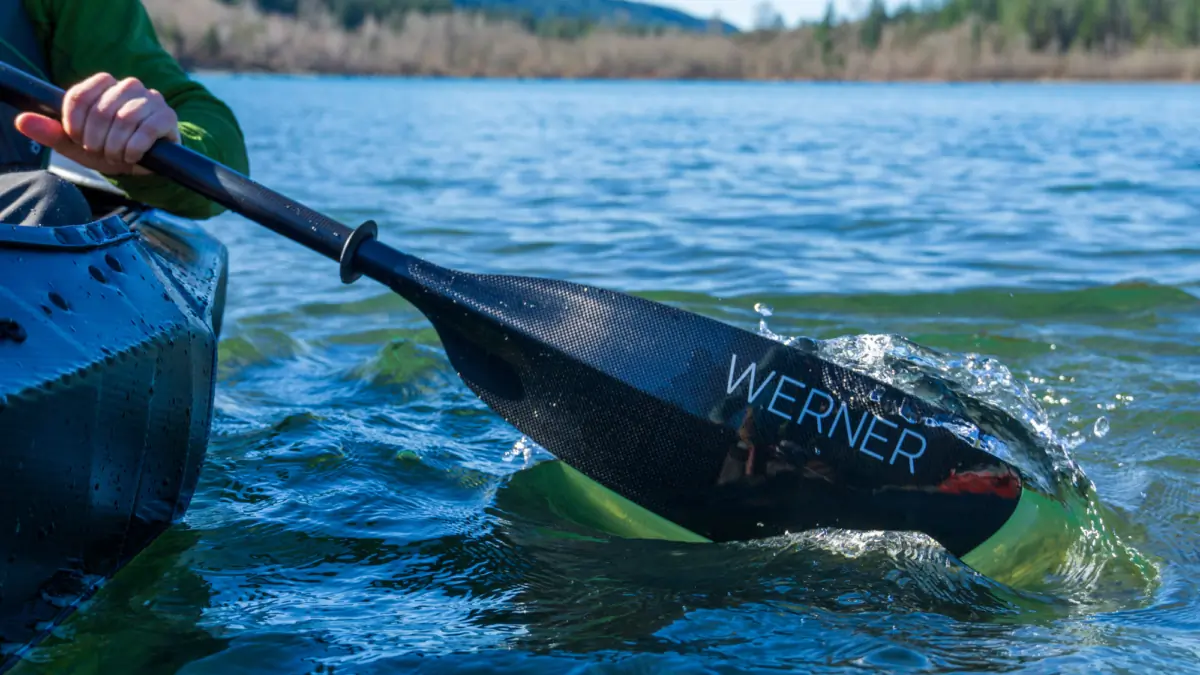
Several brands have earned the trust of kayak enthusiasts. These brands are recognized for their quality and durability.- Werner Paddles:Known for excellent craftsmanship and lightweight designs.
- Bending Branches:Offers a wide range of paddles for different needs.
- Aqua-Bound:Praised for their innovative technology and ergonomic grips.
Advice From Experienced Kayakers
Experienced kayakers offer valuable insights into paddle selection. They stress the importance of considering personal paddling style.- Choose a paddle length based on your height and kayak width.
- Opt for lightweight materials for longer trips to reduce fatigue.
- Test different paddle shapes to find your comfort zone.
Frequently Asked Questions
How Do I Choose The Right Paddle For My Kayak?
Consider your height, kayak width, and paddling style. Choose a lightweight paddle for easy maneuvering. Opt for a durable material like fiberglass or carbon. Adjustable paddles offer flexibility for different conditions. Test different lengths to find the most comfortable fit.
What Are The Three Golden Rules Of Kayaking?
Wear a life jacket, stay aware of weather conditions, and paddle within your skill level for safe kayaking.
What Size Kayak Paddle Do I Need For My Height?
Choose a kayak paddle based on your height and kayak width. Generally, people under 5’5″ need a 210-220 cm paddle. Those between 5’6″ and 6′ need 220-230 cm. Over 6′ may require 230-240 cm. Adjust based on kayaking style and preference for optimal comfort.
Which Is Better Carbon Fiber Or Fiberglass Kayak Paddles?
Carbon fiber paddles are lighter and more durable, ideal for performance. Fiberglass paddles are more affordable and flexible, suitable for recreational use. Your choice depends on budget and paddling needs.
Conclusion
Choosing the right kayak paddle is essential for an enjoyable experience. Consider the paddle’s length, weight, and material. Think about your paddling style and water conditions. A comfortable grip can make a big difference. Test different paddles if possible. Your comfort and efficiency in the water matter.
This decision enhances your kayaking adventure. Take your time to find the perfect fit. A well-chosen paddle boosts performance and enjoyment. Always prioritize quality and comfort. Happy paddling!