
Imagine the thrill of gliding through serene waters, your kayak slicing through the waves as you explore nature’s hidden corners. But first, there’s a crucial step: getting your kayak to the water safely.
That’s where the art of tying a kayak to a car comes in. You might be wondering if it’s a complex task, or if you need special equipment. The truth is, with the right guidance, it’s simpler than you think.
By the end of this guide, you’ll feel confident and ready to embark on your next adventure without any hitches. Let’s dive into the essentials and ensure your kayak journey begins smoothly.
Choosing The Right Equipment
Selecting the right equipment is crucial for safely securing a kayak to a car. Use sturdy straps and roof racks for stability. Ensure the kayak is tightly fastened to prevent movement during transit.
Choosing the right equipment is crucial for safely transporting your kayak. Without proper gear, your kayak might not be secure during travel. This can lead to damage or accidents. Selecting the right equipment ensures a safe and stress-free journey.Types Of Roof Racks
Different roof racks cater to various needs. Fixed-point racks attach directly to your car’s roof. They are sturdy and reliable. Raised rail racks fit cars with existing rails. These are easy to install. Flush rail racks sit flush with the car’s roofline. They offer a sleek look. Each type has its advantages. Choose based on your car’s design and your preferences.Essential Straps And Accessories
Straps and accessories are vital for securing your kayak. Use strong, durable straps. Cam straps are popular for their ease of use. They provide a secure hold. Ratchet straps offer extra tension. They ensure your kayak remains immobile. Consider using bow and stern lines. These add extra stability during transport. Padding or foam blocks can protect your kayak and car. They reduce scratches and dents. Always double-check your equipment before travel. This ensures everything is tight and secure.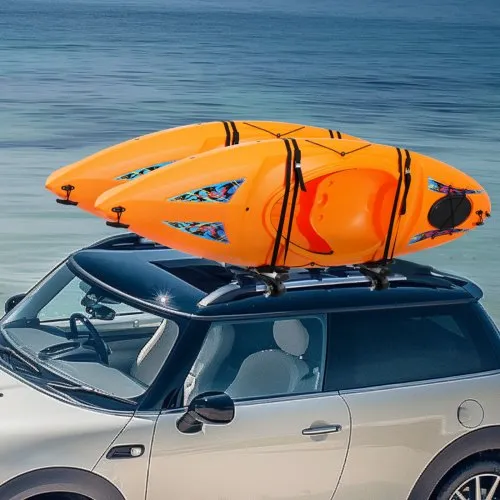
Credit: lavalite.org
Preparing The Kayak
Securely tying a kayak to a car ensures safe transportation. Begin by placing the kayak on the roof rack, aligning it centrally. Use straps or ropes to fasten it tightly, avoiding loose ends. Regularly check stability to prevent shifting during travel.
Preparing the kayak for transport is a crucial step that often gets overlooked. Before you secure your kayak onto your car, it’s essential to ensure it’s in optimal condition. This not only protects your kayak but also ensures safety on the road. Think about it: would you trust a damaged kayak to stay firmly tied down? Let’s dive into the preparation process.Inspecting For Damage
Begin by thoroughly examining your kayak for any signs of wear and tear. Look for cracks, dents, or any structural issues that might have arisen from previous use. Even small chips can turn into bigger problems if ignored. Ensure the handles and straps are secure and intact. These are critical for maneuvering and tying down your kayak. A personal story: I once found a loose handle just minutes before setting off. Imagine if I hadn’t checked! Ask yourself: is your kayak ready for the journey? A few minutes of inspection can save you a lot of hassle later on.Cleaning And Drying
Cleaning your kayak before transport is not just about aesthetics; it’s a practical step. Remove any debris, dirt, or saltwater residue that could damage your car or kayak during the trip. A clean kayak is easier to handle, and a dried one prevents mold or mildew buildup. Use a towel to wipe down all surfaces and give it time to air dry. Have you ever considered how a wet kayak could affect the transport process? Wet surfaces can be slippery, making it harder to secure the kayak properly. So, ensure it’s dry before you start tying it down.Loading The Kayak Onto The Car
Securely tie your kayak to the car using sturdy straps. Ensure the kayak is centered and balanced. Check all connections before driving to prevent shifting during transit.
Loading your kayak onto your car can seem challenging. With the right approach, it becomes manageable. Start by preparing your vehicle. Ensure the roof rack is secure. This creates a stable base. Familiarize yourself with the kayak’s weight and shape. This knowledge aids in a smoother loading process.Positioning The Kayak Correctly
Place your kayak parallel to your car. This helps in easy lifting and alignment. Ensure the kayak’s bow faces forward. This reduces wind resistance during travel. Keep a safe distance between the kayak and the car. This prevents scratches and damages. A good rule is an arm’s length away.Lifting Techniques And Tips
Use your legs, not your back, to lift the kayak. This prevents injury and strain. Bend at the knees, keep your back straight. It’s safer and more effective. Get help if the kayak is heavy. Two people make lifting easier and safer. Use foam blocks or a blanket on the car roof. This protects the car and kayak during loading.Securing The Kayak
Secure a kayak to your car by using sturdy straps and a roof rack. Position the kayak upside down for stability, ensuring it is centered. Tighten the straps evenly to prevent movement during transit, checking for secure placement before driving.
Securing the kayak to your car is a crucial step in ensuring a safe and stress-free journey to your paddling destination. A loose kayak can be a hazard, not only to your vehicle but also to other road users. It’s all about ensuring that your kayak stays put, no matter how many bumps and turns you encounter on the road. Let’s delve into some tried-and-true techniques that will make sure your kayak stays secure throughout your trip.Front And Rear Tie-downs
Front and rear tie-downs are essential for stability. They prevent the kayak from shifting during sudden stops or turns. To do this effectively, attach the straps to the kayak’s handles or loops and secure them tightly to the car’s bumpers or tow hooks. When I first started kayaking, I underestimated the importance of these tie-downs. A sudden swerve on the highway taught me a valuable lesson. Always double-check your knots and ensure they are firm. Ask yourself, does your setup feel rock-solid? If there’s any doubt, it’s worth rechecking.Using Cam Straps Effectively
Cam straps are your best friend when securing a kayak. They are easy to use and provide a strong hold without damaging your kayak. Thread the strap through the cam buckle and pull it tight. The strap should be snug but not overly tight to avoid putting pressure on the hull. During one of my trips, a fellow kayaker shared a tip: twist the straps a few times before tightening. This prevents them from flapping noisily in the wind. Have you tried this simple trick yet? It can make a world of difference in your travel experience.Double-checking For Safety
Double-checking for safety is a crucial step before hitting the road with your kayak. Ensuring everything is secure prevents accidents. It also gives you peace of mind. This step is not just about security. It’s about protecting your kayak and your car.
Testing Strap Tension
Straps hold your kayak firmly on the car roof. They should be tight enough to prevent movement. Tug each strap to test its tension. If it feels loose, tighten it. Avoid over-tightening, which may damage the kayak.
Check each strap individually. Ensure they are equally tight. This balance helps in keeping the kayak stable during transit. Uneven straps can lead to shifting, which is dangerous.
Ensuring Stability On The Roof
Stability is key for safe transportation. Place the kayak centrally on the roof. This helps distribute weight evenly. It reduces the risk of tilting or sliding.
Inspect the kayak’s position from all sides. Ensure it’s not leaning too much. It should be level and balanced. Any imbalance can affect driving. Confirm the kayak is not moving when you push it lightly.
Driving With A Kayak
Driving with a kayak on your car can be an adventure. It’s important to know how to transport it safely. The key is to prepare for the journey. Securing the kayak is just the beginning. You also need to consider the road conditions. This includes speed and weather factors. Let’s explore these in detail.
Speed And Distance Considerations
Keep your speed moderate while driving with a kayak. High speeds can create more wind resistance. This can lead to instability. Plan your route carefully. Shorter distances can help reduce risks. Avoid sudden stops or sharp turns. They can cause the kayak to shift.
Handling Wind And Weather
Wind can be a challenge when driving with a kayak. Strong gusts can affect your vehicle’s balance. Check the weather forecast before starting your journey. If possible, wait for calmer conditions. Rain can add extra weight to the kayak. Be cautious and drive slowly.
Unloading The Kayak Safely
Unloading a kayak safely from your car requires focus and care. This process ensures that both the kayak and your vehicle remain undamaged. Proper unloading also prevents injury, making your kayaking adventure pleasant from start to finish.
Releasing Straps Carefully
Start by loosening the straps holding the kayak. Avoid abrupt movements to prevent the kayak from sliding unexpectedly. Carefully unfasten each strap, checking for tension. This prevents sudden release, which could harm the kayak or your car. Once the straps are loose, remove them one by one.
Properly Removing The Kayak
With straps off, prepare to lift the kayak. Use both hands to support the weight evenly. If possible, have a friend assist to avoid strain. Approach the kayak from the side for better grip. Lift the kayak slowly, keeping it balanced. Ensure the kayak is clear of obstacles before setting it down. Choose a stable spot to rest the kayak, preventing any accidental damage.

Credit: www.baysports.com.au

Credit: www.vwidtalk.com
Frequently Asked Questions
How Do I Attach A Kayak To My Car?
Secure the kayak using a roof rack or foam blocks. Position it hull-side up. Use cam straps or ratchet straps to tie it down tightly. Ensure the kayak is centered and balanced. Check that all straps are tight before driving, ensuring safety and stability.
Can I Put A Kayak On My Car Without A Rack?
You can transport a kayak without a rack using foam blocks or pool noodles. Secure it with straps tightly. Ensure it’s balanced and doesn’t obstruct visibility. Protect your car’s roof with padding. Regularly check straps for safety during transit.
What Straps Are Best For Tying Down A Kayak?
Cam buckle straps are ideal for securing kayaks. They provide strong grip and adjust easily for safety. Ensure the straps are durable, weather-resistant, and UV-protected for longer use. Choose straps with a width of at least one inch for optimal strength.
Always double-check the strap tension before transportation.
Can I Put A Kayak Directly On Crossbars?
Yes, you can put a kayak directly on crossbars. Use padding or a kayak carrier for protection. Secure it with strong straps to prevent movement. Ensure proper weight distribution for safe transport. Double-check all attachments before driving to avoid accidents.
Conclusion
Securing your kayak properly is crucial for safe travel. Follow these steps to ensure a smooth journey. Start by using sturdy straps and a reliable roof rack. Always double-check the knots and tension. This prevents accidents on the road. Practice makes perfect.
Try a few times at home first. Remember, safety comes first. A well-tied kayak protects your car and others. Enjoy your outdoor adventures with peace of mind. Safe travels and happy kayaking!