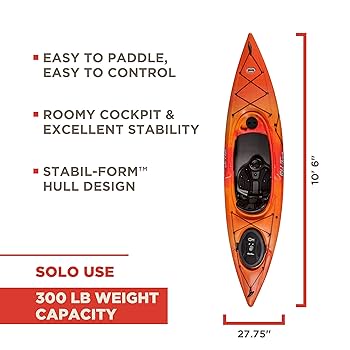
Are you planning a kayaking adventure and wondering, “How much does a kayak weigh?” You’re not alone.
Understanding the weight of a kayak is crucial, whether you’re transporting it to the water, storing it at home, or carrying it solo. But there’s more to it than just numbers on a scale. The weight of a kayak can impact your experience on the water, affecting everything from speed to stability.
We’ll explore different types of kayaks and what you can expect in terms of their weight. You’ll discover how the weight influences performance and practicality, helping you make the best choice for your needs. Stick around to find the perfect balance between ease of handling and on-water performance.

Credit: vibekayaks.com
Types Of Kayaks
A kayak’s weight varies based on its type and materials. Recreational kayaks weigh between 30 to 50 pounds. Touring kayaks, built for speed and distance, weigh around 40 to 70 pounds. Inflatable kayaks are lighter, ranging from 20 to 40 pounds, offering easy transport and storage.
Kayaking is an adventure that calls to both the beginner and the seasoned paddler. Choosing the right kayak involves understanding the different types and their respective weights. Each type of kayak is designed with specific activities in mind, and the weight plays a crucial role in transportation, handling, and performance. Let’s dive into the various types of kayaks and their weights to help you make an informed decision.Recreational Kayaks
Recreational kayaks are perfect for those lazy paddles on calm lakes or slow-moving rivers. They are typically wider, providing more stability, which is ideal for beginners. These kayaks usually weigh between 35 to 50 pounds, making them easy to transport and store. Imagine being able to carry your kayak to the water without breaking a sweat or needing an extra pair of hands.Touring Kayaks
Touring kayaks are built for longer journeys and open waters, offering speed and efficiency. They are generally longer and narrower than recreational kayaks, enhancing their performance. These kayaks weigh between 40 to 60 pounds, balancing portability with the need for a robust design. Picture yourself gliding effortlessly through the water, knowing your kayak is designed for distance and endurance.Whitewater Kayaks
Whitewater kayaks are crafted for the thrill-seekers tackling rapids and fast-moving waters. These kayaks are shorter, allowing for better maneuverability in turbulent conditions. They typically weigh around 20 to 40 pounds, emphasizing agility over comfort. If you crave excitement and adrenaline, consider how the lightweight design of a whitewater kayak can enhance your adventure.Inflatable Kayaks
Inflatable kayaks offer convenience and versatility for those with limited storage space. They are surprisingly durable and can be used in various water conditions. These kayaks can weigh as little as 20 pounds, making them incredibly easy to carry. Think about the flexibility of packing your kayak into the trunk of your car and setting off on spontaneous paddling adventures. In choosing the right kayak, consider not only the type of water you’ll be paddling but also your ability to transport the kayak. Does the weight align with your physical capabilities and storage options? Understanding these aspects will help ensure your kayaking experience is both enjoyable and hassle-free.
Credit: www.baysports.com.au
Materials And Construction
Kayak weight varies based on materials used. Lightweight models often use fiberglass or carbon fiber. Heavier options might feature polyethylene or wood construction.
Understanding the materials and construction of a kayak is essential when considering its weight. Different materials offer various benefits, impacting the kayak’s overall weight, durability, and performance. Let’s dive into the specifics of these materials to help you make an informed choice.Plastic Kayaks
Plastic kayaks are popular due to their affordability and durability. Typically made from polyethylene, these kayaks are heavier, often weighing between 35 to 70 pounds. Their robust construction can withstand rough usage, making them ideal for beginners or those paddling in rocky environments. One downside is that they can be challenging to transport due to their weight. However, the trade-off is their resilience, making them an excellent choice for family outings or casual paddlers.Composite Kayaks
Composite kayaks, crafted from materials like fiberglass, carbon fiber, or Kevlar, are known for being lightweight and high-performing. They usually weigh between 20 to 50 pounds, which can significantly enhance your paddling experience. These kayaks offer superior speed and maneuverability, perfect for more serious paddlers. While they come at a higher price point, the ease of transport and exceptional performance can be worth the investment.Inflatable Materials
Inflatable kayaks are made from durable PVC or Hypalon, offering a unique blend of portability and functionality. Weighing as little as 20 pounds, they are easy to store and carry, making them ideal for travelers or those with limited storage space. Their lightweight nature might make you question their durability. However, modern inflatable kayaks are surprisingly robust and can handle various water conditions effectively. Which material resonates with your kayaking needs? Whether you prioritize durability, performance, or portability, understanding these materials will guide you towards the best kayak for your adventures.Factors Affecting Weight
Understanding the weight of a kayak is crucial for enthusiasts and beginners alike. It’s not just a matter of convenience; it affects performance, transportability, and handling on water. Various factors influence the weight of a kayak, each playing a unique role in how your kayak behaves and feels. Let’s explore these factors to help you make informed choices.
Size And Design
The size and design of a kayak significantly impact its weight. Larger kayaks tend to weigh more due to the additional material required for construction. For example, a tandem kayak designed for two people will naturally be heavier than a single-person kayak.
Design elements such as the shape of the hull also play a role. A streamlined design might add to the weight but can enhance performance in water. Consider what type of kayaking you plan to do; a sleeker design might be worth the extra pounds if speed is your goal.
Additional Features
Kayaks often come with additional features that can add to their weight. Features like built-in storage compartments, rudders, and adjustable seats contribute to overall weight.
While these features enhance functionality and comfort, they can make handling and transporting the kayak more challenging. Think about whether these extras are essential for your kayaking adventures or if a minimalist design might suit your needs better.
Accessories
Accessories like paddles, life vests, and safety gear are not directly attached to the kayak but add to the total load you need to manage. Every accessory counts in the overall weight you’ll be dealing with.
Consider creating a checklist of necessary accessories versus those that are optional. This can help you keep the weight manageable without sacrificing safety or enjoyment.
So, how do these factors affect your kayaking experience? Are you willing to trade off weight for added features and comfort, or do you prefer a lighter, more maneuverable kayak? Your choices will shape your journey on the water.
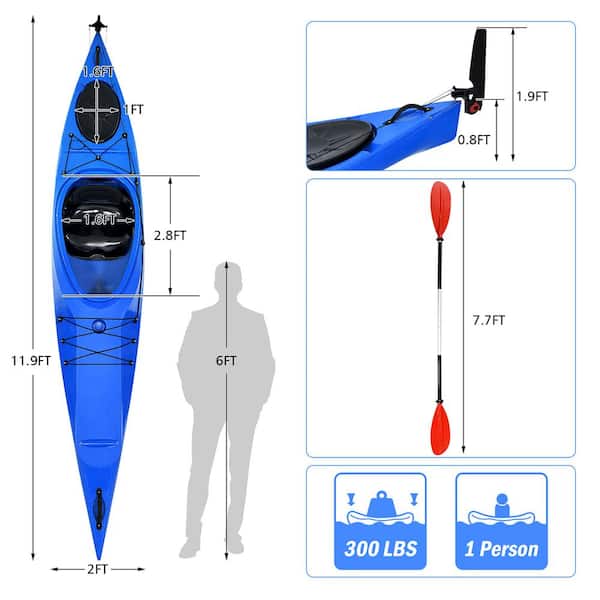
Credit: www.homedepot.com
Weight Comparison
Discover the weight of a kayak, typically ranging from 20 to 80 pounds. Lightweight models offer easy handling, while heavier kayaks provide stability in challenging waters.
Understanding the weight of a kayak is crucial for both transportation and performance on the water. Whether you’re planning a serene paddle on a lake or gearing up for a white-water adventure, knowing the weight of your kayak can influence your decision-making. Let’s explore how different kayaks stack up in terms of weight.Lightweight Options
Lightweight kayaks are perfect for those who prioritize ease of transport and storage. Models like inflatable kayaks often weigh as little as 20 pounds. These are ideal if you’re solo and need to carry the kayak to the water without assistance. For instance, a sit-on-top kayak designed for casual paddling can weigh between 35 to 50 pounds. These are great for beginners who want a manageable kayak that won’t break their back on land. Consider your storage space as well. Lightweight kayaks are easier to hoist onto a car roof rack or store in a small garage.Heavy-duty Models
Heavy-duty kayaks are built for stability and durability. They can weigh between 60 to 100 pounds or more, depending on the material and features. These are favored by serious anglers and those who navigate rougher waters. A tandem kayak, designed to carry two people, often falls into this category. It offers more space and stability but requires more effort to transport. Think about how often you’ll need to move your kayak. Will you have help, or will you be doing it alone? Heavy-duty models are excellent on the water but can be challenging to handle off it. Weighing your options carefully can enhance your kayaking experience. Whether you opt for a nimble lightweight or a robust heavy-duty kayak, understanding their weights can help you make a smart choice. What factors matter most to you in selecting a kayak?Impact On Performance
Kayak weight plays a crucial role in performance on the water. It affects speed, maneuverability, transport, and storage. Understanding how weight influences these factors can help you choose the right kayak.
Speed And Maneuverability
Lighter kayaks usually move faster through the water. They require less effort to paddle, making them ideal for speed. Their reduced weight allows quicker turns. This enhances maneuverability, especially in narrow or winding rivers.
Heavy kayaks might offer more stability. They can feel sluggish during quick maneuvers. This is important for beginners who need steady handling. Consider your skill level when choosing kayak weight.
Transport And Storage
Lighter kayaks are easier to carry. Transporting them by car or on foot becomes less of a chore. You can store them without the need for complex equipment.
Heavy kayaks demand more strength for transport. Storing them requires stronger racks or mounts. This can be a challenge if space is limited or if help is unavailable.
Weigh the pros and cons based on your needs. Think about where you will use and store your kayak. Both weight and performance are critical for a satisfying kayaking experience.
Choosing The Right Kayak
Understanding the weight of a kayak is vital in making the right choice. Kayak weight affects transportation and handling. Lightweight models are easier to carry and maneuver, while heavier kayaks offer more stability and storage options.
Choosing the right kayak is a crucial step for any paddler, whether you’re a seasoned adventurer or a newcomer eager to explore the waters. The weight of your kayak can significantly impact your paddling experience, affecting everything from transport to maneuverability. Understanding what factors into the weight and how it aligns with your personal needs can make all the difference.Purpose And Usage
Your kayak’s purpose directly influences its weight. If you’re planning long expeditions across serene lakes or swift rivers, you might lean towards a lighter kayak for ease of transport and handling. Touring kayaks, designed for such journeys, typically weigh between 40 to 60 pounds, striking a balance between durability and portability. Conversely, if you’re eyeing rougher waters or ocean kayaking, heavier models might be more suitable. These kayaks, often weighing 60 pounds or more, offer greater stability and robustness against waves and currents. Think about your primary usage—fishing, whitewater, or leisurely paddling. Each activity has its ideal kayak weight, ensuring the best performance and comfort.Personal Strength And Handling
Consider your strength and how comfortable you are with handling the kayak’s weight. A kayak that’s too heavy can turn an enjoyable outing into a daunting task, especially when loading it onto your vehicle or carrying it to the water. Reflect on your ability to manage the kayak alone. Can you lift and maneuver it without strain? If not, you might need a lighter model or assistance from a friend or kayak cart. Don’t overlook storage and transport constraints. A lighter kayak might fit better in your garage or on your car’s roof rack, making spontaneous trips more feasible. Choosing the right kayak weight isn’t just a matter of preference; it’s about enhancing your overall paddling experience. What factors do you consider most important when selecting a kayak?Frequently Asked Questions
How Heavy Is A Normal Kayak?
A normal kayak typically weighs between 35 to 75 pounds. Lightweight models are easier to transport and store. Heavier kayaks offer more stability and durability, suitable for various water conditions. Choose a kayak weight based on your needs and preferences for optimal performance.
How Much Does A 10 Ft Kayak Weigh?
A 10 ft kayak typically weighs between 35 to 60 pounds. Weight varies by material and design. Lightweight kayaks are often made of plastic or fiberglass. Always check the manufacturer’s specifications for exact weight details.
How Much Does An 8 Foot Kayak Weigh?
An 8-foot kayak typically weighs between 35 to 50 pounds. The weight varies depending on the material used. Plastic kayaks are heavier, while fiberglass or inflatable options may weigh less. Always check the manufacturer’s specifications for exact weight details.
How Heavy Is A 3 Person Kayak?
A 3 person kayak typically weighs between 70 to 100 pounds. The exact weight depends on the material and design. Lightweight models are easier to transport and handle. Consider storage and transportation needs before purchasing. Always check the manufacturer’s specifications for precise weight details.
Conclusion
Understanding kayak weight helps in making the right choice. It’s crucial for transportation, storage, and performance. Lighter kayaks are easier to carry and maneuver. Heavier ones offer stability and durability. Consider your needs and physical strength. Look at material and design for weight differences.
Fiberglass, plastic, and inflatable kayaks vary in weight. Always check manufacturer specifications before buying. Test different options if possible. It’s about finding a balance that suits you. Make informed decisions for a better kayaking experience. Happy paddling!