
Imagine the thrill of gliding across tranquil waters, surrounded by nature, while you paddle your kayak. It’s a scene that promises freedom and adventure.
But before you set off on your kayaking journey, one question might pop into your mind: do you need a boating license to kayak? This is a crucial question that could impact not only your safety but also your legal standing on the water.
You’re not alone in wondering about this; many aspiring paddlers like you are eager to know the rules before they dip their paddles in. You’ll uncover all the answers you need. By understanding the requirements, you can paddle confidently, ensuring a seamless and worry-free adventure. Stay with us as we dive into the details to keep your kayaking experience as smooth and enjoyable as the waters you’ll explore.
Boating License Essentials
Wondering if a boating license is needed for kayaking? Most places don’t require one, but rules can vary. Always check local regulations before heading out.
Boating on open waters is a thrilling experience. Whether you are steering a motorboat or paddling a kayak, understanding licensing essentials is crucial. A boating license ensures safe navigation and adherence to laws. Knowing the requirements can enhance your time on the water. Let’s dive into the essentials of a boating license and what it means for kayaking enthusiasts.What Is A Boating License?
A boating license is a certification for operating water vessels. It verifies the holder’s knowledge of boating safety and regulations. Obtaining a license usually involves passing a safety course. These courses cover navigation rules, emergency procedures, and environmental regulations. The goal is to ensure all boaters understand safe boating practices.License Requirements Across Different Regions
License requirements vary by location. In some areas, kayakers may not need a license. Regions with large waterways often have stricter regulations. – United States: Many states require licenses for motorized boats. Kayaks often don’t need a license. Some states may mandate a safety course for kayakers. – Canada: A Pleasure Craft Operator Card is necessary for motorized boats. Kayaking usually has fewer restrictions. – Europe: Rules differ significantly between countries. Some countries require licenses for all water vessels. Always check local regulations before heading out. Each region prioritizes safety and environmental protection. Understanding these requirements can prevent fines and ensure a worry-free adventure.Kayaking: The Basics
Kayaking is a fun and accessible water sport. It offers a unique way to explore nature and get some exercise. Unlike boating, kayaking often doesn’t require a license. This makes it a great choice for beginners and families. Understanding the basics is important before you start.
Definition And Types Of Kayaks
A kayak is a small, narrow watercraft. It is typically powered by a double-bladed paddle. Kayaks come in various types, each designed for specific activities.
- Recreational Kayaks:Ideal for calm waters. They are stable and easy to handle.
- Touring Kayaks:Designed for long distances. They are efficient and track well.
- Whitewater Kayaks:Built for rough waters. They are short and maneuverable.
- Fishing Kayaks:Equipped with rod holders and storage. Perfect for anglers.
Each type serves a different purpose. Choose based on your activity and skill level.
Popular Kayaking Destinations
Kayaking offers a wide range of destinations to explore. Some locations are famous for their beauty and wildlife.
- Colorado River, USA:Known for stunning canyons and diverse wildlife.
- Milford Sound, New Zealand:Offers breathtaking fjords and serene waters.
- Halong Bay, Vietnam:Features limestone islands and emerald waters.
- Na Pali Coast, Hawaii:Known for dramatic cliffs and hidden beaches.
These destinations promise unforgettable experiences. Always check local regulations before kayaking.
Legal Aspects Of Kayaking
Kayaking offers adventure and tranquility on the water. But do you need a boating license to kayak? Understanding the legal aspects is crucial. Different regions have specific rules for kayaking. Knowing these ensures a safe and lawful experience.
Regulations For Recreational Kayaking
Kayaking regulations vary by location. In most places, a boating license isn’t required for kayaking. Some areas may require registration for larger kayaks. Check local authorities for specific rules. Compliance ensures a hassle-free outing.
Safety Measures And Guidelines
Safety is vital in kayaking. Always wear a life jacket. It’s a basic requirement in many regions. Inform someone about your kayaking plan. This includes your route and expected return time. Carry essential safety gear like a whistle and a flashlight. They are crucial in emergencies. Stay updated on weather conditions before heading out. Sudden changes can pose risks.
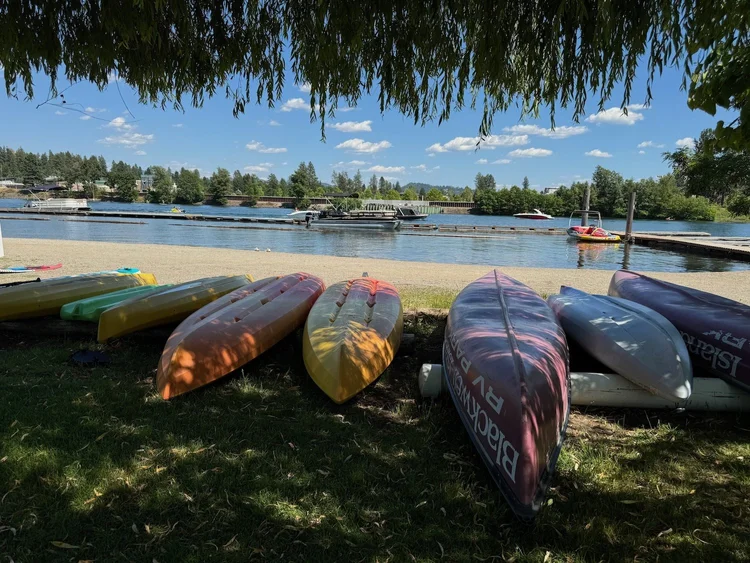
Credit: flatwaterkayakclub.com
License Requirements For Kayaking
Kayaking is a fantastic way to enjoy the water, whether you’re navigating serene lakes or challenging river rapids. However, you might wonder if you need a boating license to paddle your kayak. Understanding the license requirements for kayaking can help ensure you’re paddling legally and safely.
Exemptions From Boating Licenses
In many regions, kayakers enjoy an exemption from the need for a boating license. Kayaks, being manually powered, don’t fall under the same regulations as motorized boats. This makes kayaking an accessible activity for beginners who want to hit the water without worrying about paperwork.
Imagine waking up on a sunny morning, packing your kayak, and heading straight to the lake. No need to worry about stopping by the licensing office first. It’s this freedom that attracts many to kayaking in the first place.
When A License Might Be Necessary
However, there are instances where you might need a license for kayaking. Certain areas might require a permit, especially if you’re planning to kayak in protected or sensitive environments. These permits ensure that the natural habitat is preserved and that paddlers are aware of any specific rules or regulations.
Moreover, if you’re using a motorized kayak, a boating license could be required. It’s crucial to check local regulations to avoid unexpected fines or restrictions. Have you ever considered how a slight change, like adding a small motor to your kayak, could change the legal requirements?
Before planning a kayaking trip, a quick look at the local boating laws can save you from potential hassles. Whether you need a license or not, being informed is part of being a responsible kayaker.
Benefits Of Licensing
Obtaining a boating license before kayaking may seem unnecessary to some, but it offers several advantages. Licensing promotes safety, builds skills, and boosts confidence on the water. It also fosters a deeper understanding of the environment. Here are some benefits of licensing:
Safety And Environmental Awareness
A boating license teaches essential safety measures. It helps kayakers understand weather patterns, water currents, and emergency procedures. Being aware of potential hazards reduces risks. Licensing also encourages environmental stewardship. It educates kayakers about local ecosystems and wildlife protection. This knowledge promotes responsible kayaking practices.
Improved Skills And Confidence
Licensing programs often include skill development sessions. These sessions enhance paddling techniques and maneuvering skills. As skills improve, confidence grows. Licensed kayakers feel more secure on the water. They can tackle challenging routes and explore new areas. This confidence leads to more enjoyable kayaking experiences.
How To Obtain A Boating License
Many places don’t require a boating license for kayaking. Check local regulations to know the specific requirements. It’s wise to complete a safety course for better kayaking skills.
Acquiring a boating license might seem like a daunting task, but it’s an essential step for those who wish to venture beyond kayaking into the world of motorized watercraft. While you don’t need a license to kayak in most places, understanding the process of obtaining one can be beneficial if you ever decide to expand your aquatic adventures. A boating license not only enhances your knowledge of water safety but also ensures you’re abiding by local regulations.Steps To Acquire A License
The process usually starts with checking your local state or country requirements. Each region may have different rules, so it’s crucial to know what applies to you. Next, enroll in a boating safety course. These courses can often be taken online or in-person. They cover essential topics like navigation rules, emergency procedures, and environmental considerations. Upon completing the course, you’ll need to pass an examination. The test typically includes multiple-choice questions that assess your understanding of the material covered in the course. Once you’ve successfully passed the exam, you’ll receive your boating license or certificate. This document is crucial as it proves your competency in handling a boat safely.Costs And Time Investment
The cost of obtaining a boating license can vary widely. Online courses might be more affordable, often ranging from $20 to $50, whereas in-person classes could be more expensive. In terms of time, most courses can be completed in a few hours to a couple of days. However, it’s important to give yourself enough time to thoroughly understand the material. Consider the value of your time investment. A few hours spent learning could make a significant difference in your safety on the water. Isn’t it worth the peace of mind knowing you’re fully prepared for any situation?Alternative Certifications
Many states do not require a boating license for kayaking. Regulations vary, so check local laws before heading out. Basic safety and paddling skills are often recommended.
Thinking about kayaking but unsure about the need for a boating license? The good news is, kayaking doesn’t typically require a traditional boating license. However, there are alternative certifications that can enhance your skills and ensure your safety on the water. These certifications not only boost your confidence but also equip you with the knowledge to handle unexpected situations.Kayaking Courses And Certifications
Enrolling in a kayaking course can be a game-changer for both beginners and seasoned paddlers. These courses often cover essential skills, such as paddling techniques, safety measures, and navigation. For example, the American Canoe Association (ACA) offers certifications that can help you master the art of kayaking while prioritizing safety. Courses are usually hands-on, providing real-world experience under the guidance of certified instructors. You can often find these classes at local outdoor centers or through organized kayaking clubs. Not only do they enhance your skills, but they also introduce you to a community of like-minded enthusiasts.Community And Online Resources
The digital age offers a plethora of online resources to help you become a proficient kayaker. Websites, forums, and YouTube channels provide tutorials and tips for paddlers of all levels. You can learn everything from basic strokes to advanced maneuvers from the comfort of your home. Local kayaking clubs are also excellent resources, offering workshops and group outings where you can learn from experienced paddlers. These communities are invaluable for tips, safety advice, and finding the best local spots to paddle. Are you leveraging these resources to become a better kayaker? By exploring these alternative certifications and resources, you can enjoy a safer and more fulfilling kayaking experience. Whether you’re paddling through tranquil lakes or navigating challenging rivers, these skills and insights will keep you prepared and confident.
Credit: www.facebook.com
Expert Opinions
Understanding boating licenses for kayaking might seem confusing. Expert opinions can help clarify this topic. Kayakers often share their experiences and insights. Regulatory bodies offer official advice. Both perspectives are valuable for enthusiasts.
Insights From Seasoned Kayakers
Many seasoned kayakers believe no formal license is needed. They emphasize practice and safety. Experience is key to mastering kayaking. New kayakers should focus on learning techniques. Joining clubs or taking courses helps improve skills. Safety gear like life jackets is crucial. Always be aware of weather conditions.
Advice From Regulatory Bodies
Regulatory bodies provide guidelines for water activities. Most areas don’t require a license for kayaking. They stress the importance of local regulations. Understanding these rules ensures compliance. It’s wise to check with local authorities. Some places might have specific requirements.
Credit: flatwaterkayakclub.com
Frequently Asked Questions
What Is Required To Have On A Kayak In Texas?
In Texas, kayaks must have a U. S. Coast Guard-approved life jacket for each person. Carry a whistle or sound-producing device. Display proper lighting when kayaking at night. Ensure the kayak has a registration if motorized. Always check local regulations for any additional requirements.
What Is Required To Kayak In Ohio?
Kayaking in Ohio requires a life jacket for each person. Register your kayak if over 14 feet long. Follow local regulations and carry a whistle or horn.
Do You Need A License For Your Kayak?
A kayak license is typically not required for recreational use. Rules vary by location and type of waterway. Check local regulations to ensure compliance. Some areas may require permits for specific activities or commercial use. Always prioritize safety and legal guidelines while kayaking.
Do I Need To Register A Kayak In Wa?
Kayaks in Washington don’t need registration. Non-motorized boats, including kayaks, are exempt from registration requirements. Ensure safety gear compliance.
Conclusion
Kayaking offers fun and adventure on the water. Most places don’t require a boating license for kayaks. It’s important to check local rules and regulations. Safety is key, so wear a life jacket and know your limits. Consider taking a kayaking course for skills and confidence.
Respect nature and other water users for a great experience. Enjoy your time on the water, exploring and paddling at your own pace. Remember, preparation and awareness make for a smooth kayaking journey. Happy paddling!