Storing a kayak outside might seem like a simple task, but doing it right is crucial to extending its lifespan and maintaining its performance. Imagine being able to enjoy your kayak for many years to come, keeping it in tip-top shape without the worry of weather damage or other outdoor threats.
You might think it’s impossible, but the secret lies in knowing the best practices for outdoor storage. Whether you’re short on indoor space or prefer the convenience of outdoor access, this guide is for you. We’ll explore practical, easy-to-implement strategies that protect your kayak from the elements, giving you peace of mind and more time on the water.
Dive into this article and discover how to preserve your kayak’s condition effortlessly, ensuring every adventure is as thrilling as the first.
Choosing The Right Location
Choosing the Right Location Select a shaded spot to protect your kayak from sun damage. Ensure it’s away from harsh weather. Keep it off the ground to prevent moisture buildup.
Choosing the right location to store your kayak outside can make a significant difference in its longevity and your convenience. It’s not just about finding an empty spot in your yard or driveway; it’s about strategic placement. A well-chosen location can protect your kayak from weather elements, minimize risks of theft, and ensure ease of access whenever you feel like hitting the water.Accessibility Considerations
Think about how often you’ll use your kayak. If you’re a frequent paddler, you’ll want your kayak to be easily accessible. Place it somewhere close to where you load and unload your kayak, like near your garage or driveway. This reduces the hassle of moving it back and forth and saves you time. Also, consider the path to your car or the water. It should be clear and free from obstacles. A narrow path cluttered with garden tools or toys can make moving your kayak a frustrating task.Safety And Security
Safety should be a top priority when storing a kayak outside. Avoid placing it under trees where falling branches can cause damage. If possible, choose a location away from high-traffic areas to prevent accidental bumps or scratches. Security is equally crucial. Always lock your kayak to a fixed object like a fence or a secure rack. Using a combination of a cable lock and a weather-resistant cover can deter potential thieves. Think about this: How would you feel if you walked out one morning to find your kayak missing? Taking a few extra measures now can save you from that heartbreak. Remember, your kayak is an investment in fun and adventure. By choosing the right location, you’re ensuring it stays in great condition for all your future paddling trips.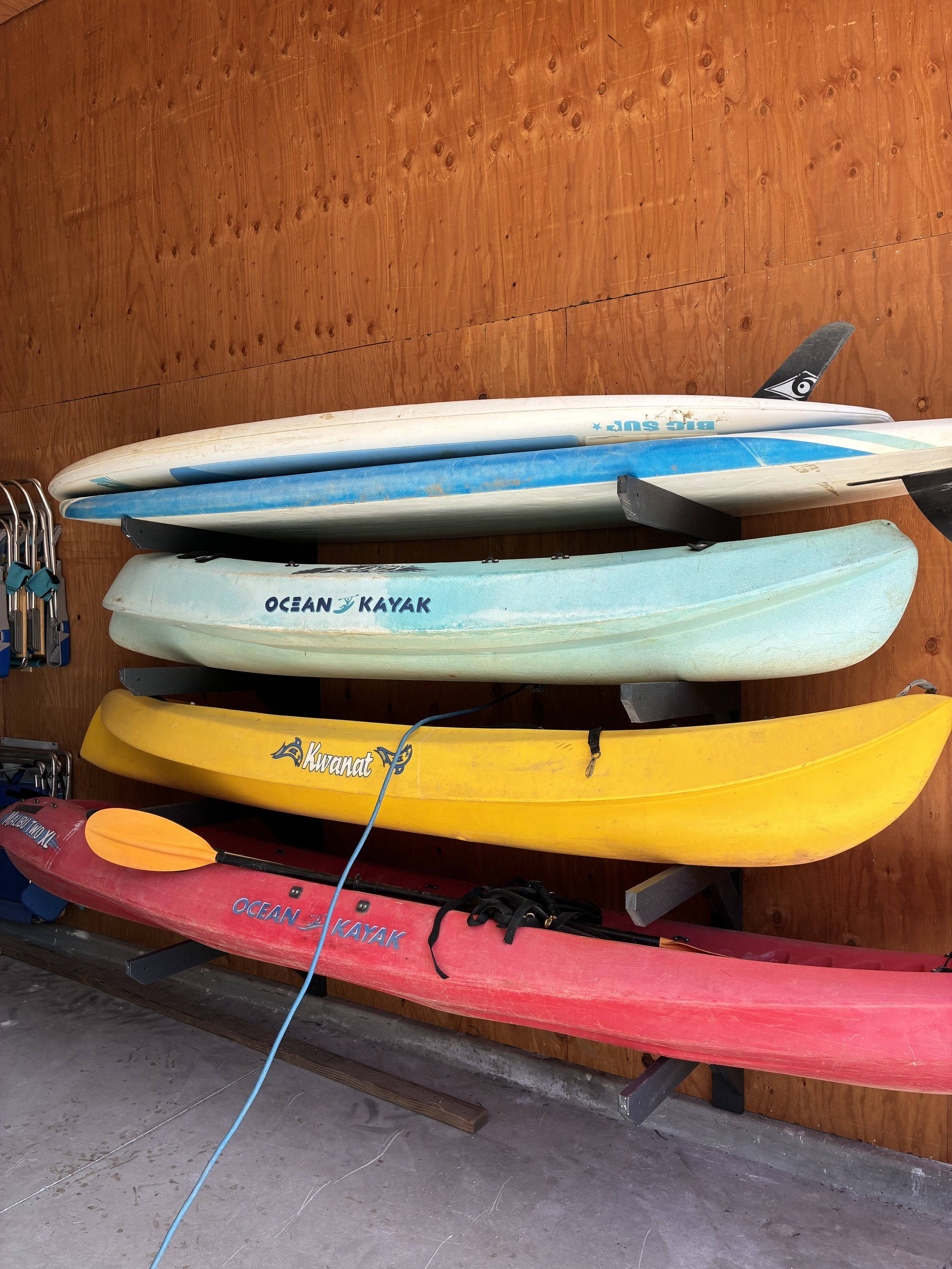
Credit: www.storageracksolutions.com
Weather Protection Strategies
Storing a kayak outdoors requires effective weather protection. Proper strategies can extend the kayak’s lifespan. Understanding UV rays and moisture is crucial.
Uv Protection Techniques
Sunlight can damage your kayak over time. UV rays fade colors and weaken materials. Use a UV-resistant kayak cover to shield it. These covers block harmful rays effectively. Invest in a high-quality cover for best results.
Consider storing your kayak in a shaded area. Trees or awnings provide natural protection. Rotate the kayak regularly to prevent uneven fading. Applying a UV protectant spray adds extra protection. Choose sprays specifically for kayak materials.
Rain And Moisture Management
Moisture can lead to mildew and damage. Ensure your kayak is dry before covering. A breathable cover is ideal to prevent moisture buildup. Elevate the kayak off the ground to avoid pooling water.
Use a tarp for additional rain protection. Secure it tightly to prevent water from seeping in. Check the kayak regularly for moisture and mold. Proper ventilation helps reduce moisture accumulation.
Preventing Damage And Wear
Storing your kayak outside can be a practical solution, but it requires some careful planning to prevent damage and wear. The elements can be harsh, and your kayak’s longevity depends on how well you protect it. Let’s dive into some essential tips to keep your kayak in top condition while it’s outdoors.
Avoiding Scratches And Dents
Scratches and dents can sneak up on you, often from unexpected places. When you store your kayak, ensure it rests on a soft surface. This could be a padded rack or a layer of foam. If you’re using a storage rack, make sure it’s designed for kayaks to avoid pressure points that can cause indentations.
Think about how you handle your kayak. Do you drag it across the ground? Small rocks and debris can scuff the hull. Always lift and carry your kayak to its storage spot. This simple practice preserves its exterior finish and keeps it looking new for years.
Maintaining Structural Integrity
Environmental factors like sun, rain, and fluctuating temperatures can compromise your kayak’s structural integrity. UV rays are notorious for weakening materials, so consider a kayak cover or tarp for protection. This not only shields it from sunlight but also keeps rainwater from pooling, which can lead to mold.
Properly positioning your kayak is crucial. Store it upside down or on its side to prevent warping. If you have a friend who owns a kayak, share storage tips and see what works for them. Sometimes an insightful conversation can reveal unexpected solutions. Have you thought about adding a cover to shield your kayak from the elements?
Remember, taking a few extra steps now can save you headaches later. What’s your preferred method for keeping your kayak safe outside? Share your insights and let’s keep our kayaks adventure-ready!
Utilizing Covers And Tarps
Protect your kayak from weather damage by using durable covers and tarps. Ensure proper ventilation to prevent mold. Secure tightly to withstand wind and rain.
Storing a kayak outside can be challenging. Weather, dust, and critters can damage it. Using covers and tarps can help protect your investment. They shield your kayak from harmful elements. This keeps it in good condition for longer. Let’s explore the best ways to use covers and tarps effectively.Types Of Covers
Different covers offer unique benefits. Fabric covers are popular for their flexibility. They fit snugly around the kayak. Polyethylene covers are durable. They resist tears and are waterproof. Custom-fitted covers are available too. They offer the best protection as they match the kayak’s shape.Proper Installation Tips
Installing a cover correctly is crucial. Ensure the cover fits tightly around the kayak. A loose cover can let in water and debris. Secure all straps and buckles firmly. This prevents the cover from blowing away in strong winds. Check for any gaps or openings. Adjust the cover to seal these areas. Proper installation extends the life of your kayak.Elevated Storage Solutions
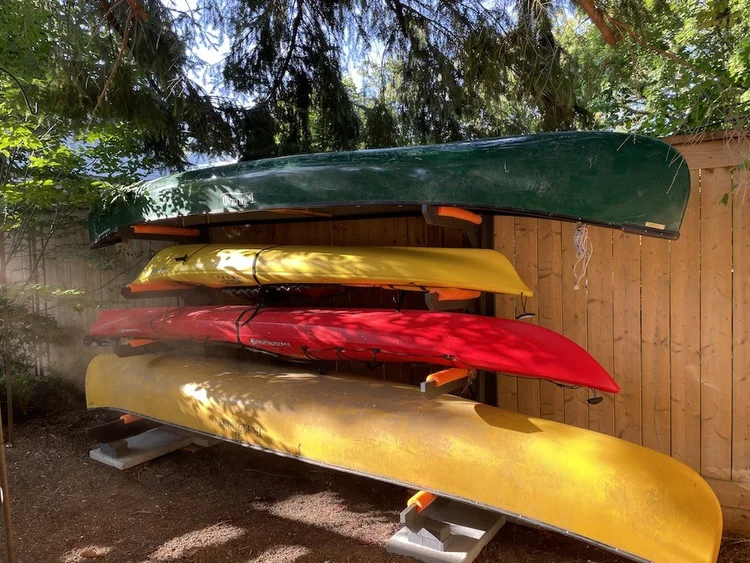
Storing your kayak outside can be a challenge, but elevated storage solutions offer a practical way to keep your kayak safe and secure from the elements. Elevating your kayak not only helps in protecting it from ground moisture but also prevents damage from pests and dirt. Let’s dive into some effective elevated storage options that you can easily implement.
Racks And Hangers
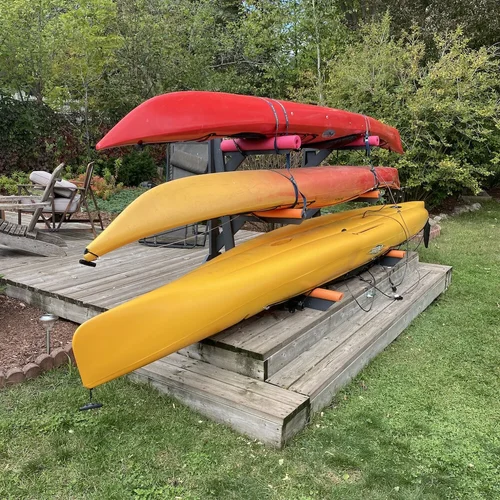
Investing in racks and hangers is a popular choice for kayak enthusiasts. These devices are designed to hold your kayak securely off the ground. Wall-mounted racks are perfect for those with limited space and can be installed on the side of your house or garage. Adjustable hangers allow for flexibility in positioning and are great if you plan to store multiple kayaks.
- Wall-mounted racks:These are perfect for urban environments where space is a premium. They keep your kayak safe and accessible without taking up floor space.
- Ceiling hangers:Use your garage ceiling efficiently. They are ideal for storing kayaks high above, freeing up space below.
Have you considered how much space you’re actually saving with these solutions? It’s quite remarkable how vertical space can be transformed into a storage haven.
Diy Options
For those who love a good DIY project, creating your own elevated storage solution can be both rewarding and cost-effective. Simple materials like PVC pipes or wooden planks can be crafted into sturdy racks. This option allows you to customize the design to fit your specific needs and space constraints.
- PVC pipe rack:Lightweight and durable, PVC pipes can be assembled into a functional kayak rack. It’s a budget-friendly option that can be tailored to your kayak’s dimensions.
- Wooden frame:If you’re handy with tools, a wooden frame can offer a robust and personalized solution. Add padding to protect the kayak’s surface from scratches.
What kind of DIY solution speaks to you? Sometimes, a homemade creation provides not just utility but also a sense of accomplishment and personal touch.
Credit: www.storageracksolutions.com
Security Measures
Protect your kayak with a sturdy cover to shield it from weather elements. Secure it to a wall or fence using durable straps to prevent theft. Elevate it on racks to ensure proper drainage and avoid ground moisture damage.
Storing your kayak outside can be convenient, but it also requires thoughtful security measures to ensure it stays safe from theft. The peace of mind knowing your kayak is secure can transform your outdoor storage experience. Consider the following security solutions to protect your investment.Locks And Chains
Using locks and chains is one of the simplest yet effective methods to secure your kayak. Opt for high-quality, weather-resistant chains and padlocks that can withstand harsh outdoor conditions. Secure the kayak to a fixed object, like a sturdy pole or a fence, ensuring it’s difficult to move. Test your lock and chain setup periodically. You don’t want to discover a weak spot only after something goes wrong.Alarm Systems
Installing an alarm system may seem elaborate, but it adds an extra layer of protection. You can find motion-sensor alarms specifically designed for outdoor use. These alarms can deter potential thieves and alert you immediately if your kayak is tampered with. Think about the times you’ve accidentally triggered your car alarm—it’s loud and unmistakable. A kayak alarm works similarly, ensuring you’re alerted to any suspicious activity. Have you considered combining both locks and alarm systems for maximum security? It might be the perfect solution to ease your worries about outdoor kayak storage.Regular Maintenance Practices
Storing a kayak outside requires diligent care to ensure it remains in prime condition. Regular maintenance practices are not just about prolonging the life of your kayak, but also about preserving your investment. Engaging in routine checks and upkeep can save you from costly repairs down the line. Let’s dive into some essential maintenance practices that can make a real difference.
Cleaning And Inspection
Keeping your kayak clean is crucial, especially after each use. Saltwater, mud, and algae can accumulate and cause damage if left unchecked. A simple rinse with fresh water can prevent long-term damage. Don’t forget to inspect your kayak regularly. Look for cracks, scratches, and any signs of wear and tear. Taking a few minutes to scan for issues can save you hours of repair work later.
Repairs And Upkeep
Once you spot any damage during your inspection, address it immediately. Repair kits are readily available and can be a lifesaver. Whether it’s patching small holes or sealing cracks, quick action is key. Maintaining the hardware is equally important. Check for rust or loosening parts, and tighten them up to ensure your kayak remains safe and functional.
Consider how much time you spend on maintenance. Could a few extra minutes each week save you from major repairs? Ensuring your kayak is in top shape with regular maintenance is not just about the kayak itself; it’s about the peace of mind you gain knowing your gear is ready for your next adventure.
Seasonal Considerations
Protect your kayak from harsh weather by choosing a shady spot. Use UV-resistant covers to shield it from sun damage. Elevate the kayak to prevent water and ice buildup underneath.
Storing your kayak outside throughout the year requires attention to seasonal changes. Each season brings its own challenges, and your kayak needs specific care to ensure it remains in top condition. From icy winters to blazing summers, understanding how to adapt your storage methods will protect your investment and extend your kayak’s lifespan.Winter Storage Tips
Winter can be harsh, with freezing temperatures and heavy snow. Protect your kayak by investing in a durable cover to shield it from ice and snow accumulation. Elevate the kayak off the ground to prevent moisture from creeping in. You can use sawhorses or a wall-mounted rack for this. Consider using a tarp, but ensure it’s breathable to avoid trapping moisture. A breathable tarp will prevent mold and mildew from forming during winter months.Summer Care Advice
Summer is all about sunshine, but prolonged exposure can lead to UV damage. Use a UV-resistant cover to block harmful rays and keep your kayak’s color vibrant. Store the kayak in a shaded area if possible. Direct sunlight can cause fading and weaken the material over time. Keep it away from high-traffic areas to avoid accidental damage. A quiet corner in your yard or a dedicated outdoor storage area is ideal. Have you considered how humidity might affect your kayak during summer? Ensure proper ventilation to prevent moisture buildup inside the kayak. By tailoring your storage approach to the season, you can enjoy more paddling adventures while keeping your kayak safe and sound.
Credit: www.walmart.com
Frequently Asked Questions
Is It Better To Store A Kayak Vertically Or Horizontally?
Store a kayak horizontally to prevent warping and damage. Use padded supports for even weight distribution. Vertical storage is less stable and may cause deformation over time. Ensuring proper support and protection is crucial for maintaining the kayak’s shape and longevity.
Can Kayaks Be Left Out In The Sun?
Leaving kayaks in the sun can damage them. UV rays cause fading and weaken the material. Use UV protectant spray and store in shade to prolong their lifespan.
How Do You Store A Kayak In The Winter?
Store a kayak indoors or under a protective cover. Keep it off the ground on a rack or padded surface. Ensure it’s dry to prevent mold. Secure it with straps to avoid shifting. Avoid direct sunlight and extreme temperatures for optimal preservation.
Can You Store A Kayak On Sawhorses?
Yes, you can store a kayak on sawhorses. Ensure they are padded to prevent damage. Position the kayak hull-side up for stability. Keep the sawhorses evenly spaced to support the weight evenly. This method helps maintain the kayak’s shape and prevents warping over time.
Conclusion
Storing your kayak outside is possible with care and planning. Choose a safe spot away from direct sunlight. Use a cover to protect it from weather. Elevate it to prevent moisture damage. Secure it to avoid theft or wind. Regularly check for damage or pests.
These steps help your kayak last longer. Enjoy your paddling adventures with peace of mind. Proper storage keeps your kayak ready for the next trip. Remember, a little effort goes a long way. Happy kayaking!