
Imagine walking into your garage or shed and seeing your kayak elegantly suspended, saving you space and keeping your gear safe. It’s not only practical but adds a touch of adventure to your storage area.
If you’re wondering how to achieve this, you’re in the right place. In this guide, you’ll discover the secrets to hanging a kayak with ease and efficiency. Whether you’re a seasoned paddler or a weekend warrior, learning the proper technique is crucial.
Avoid common mistakes that could damage your kayak and ensure it’s ready for your next outing. You’ll be amazed at how simple changes can make your storage space more organized and accessible. Ready to transform your space and protect your kayak investment? Keep reading to find out exactly how to hang your kayak like a pro.
Choosing The Right Location
Selecting the best spot to hang a kayak ensures safety and convenience. Choose a dry, cool area away from direct sunlight. Ensure the location has sturdy supports to securely hold the kayak’s weight.
Choosing the right location for hanging your kayak is crucial. It ensures the kayak stays safe and lasts longer. The location should protect it from damage and make it easy to access. Consider several factors before deciding where to hang your kayak.Indoor Vs. Outdoor Storage
Storing your kayak indoors offers the best protection. It shields the kayak from harsh weather and sun damage. Indoors, the kayak remains clean and away from pests. Basements, garages, or sheds are ideal indoor storage spots. Ensure the area is dry and well-ventilated. Outdoor storage is an option if indoor space is limited. Choose a shaded area to prevent sun damage. Use a protective cover to keep the kayak dry and clean. Secure the kayak to prevent theft or damage from wind.Assessing Space And Accessibility
Evaluate the available space before hanging your kayak. Measure the length and width of your kayak. Ensure the chosen spot can accommodate these dimensions. Clear the area of obstacles that might hinder access. Think about how often you’ll use the kayak. Frequent use requires easy access. Position the kayak so you can easily take it down and put it back. Ensure there’s enough room to maneuver without difficulty.
Credit: www.amazon.ca
Selecting Suitable Equipment
Choosing the right equipment to hang your kayak is a crucial step in ensuring its safety and longevity. Selecting suitable equipment goes beyond simply picking the first option you find online or in a store. Considerations such as the type of mounts and racks, as well as the material they are made from, can significantly impact the effectiveness and durability of your storage solution.
Types Of Mounts And Racks
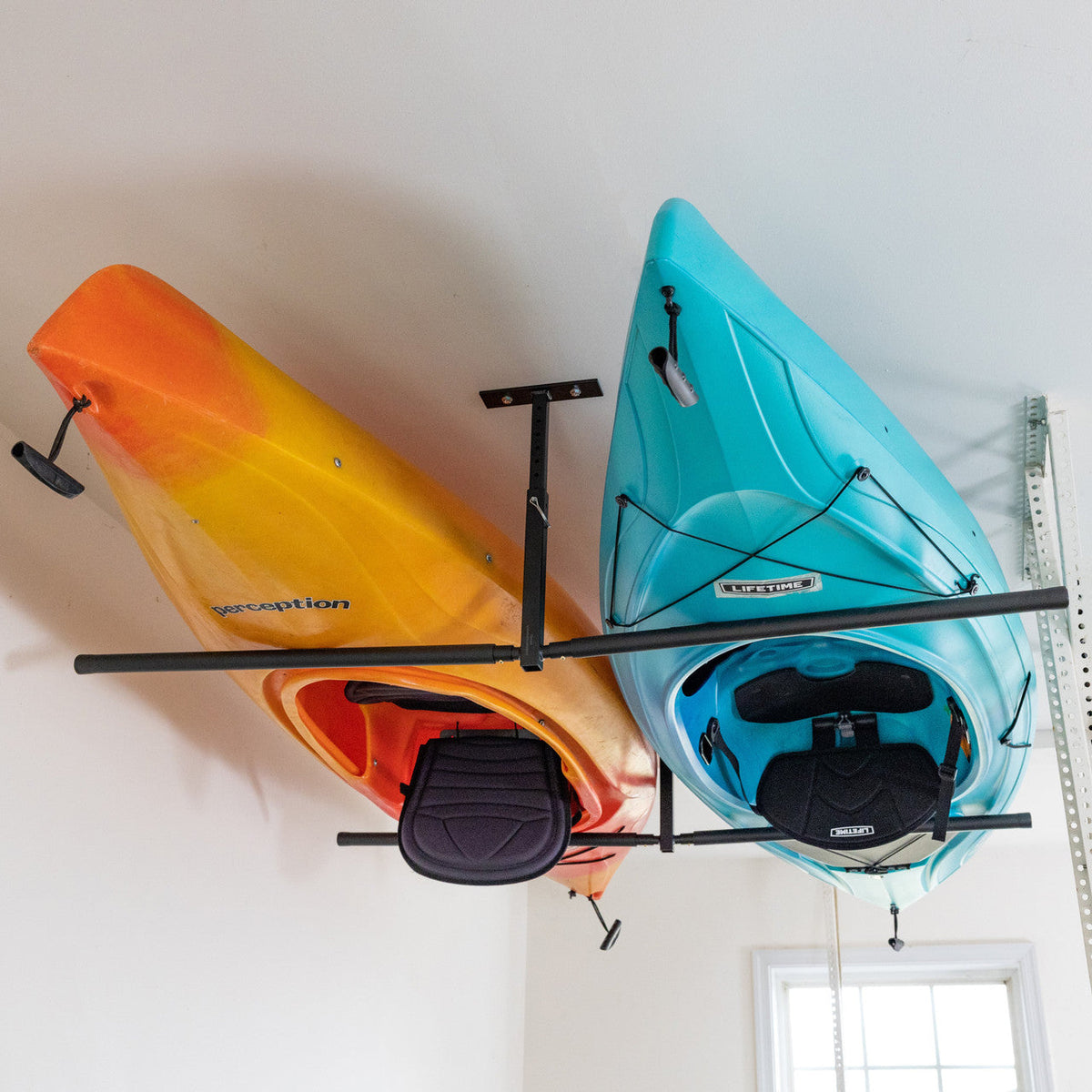
There are various mounts and racks designed to hold kayaks, each with its own strengths. Wall-mounted racks are popular for saving space and keeping the kayak off the ground. Ceiling hoists are another excellent choice, especially if floor space is limited. Freestanding racks provide flexibility as they can be moved and adjusted as needed.
Think about where you plan to hang your kayak. If it’s in the garage, ceiling hoists might be ideal. For outdoor storage, ensure the mounts are weather-resistant. Consider adjustable racks if you have multiple kayaks or plan to expand your collection.
Material Considerations
The material of your mounts and racks can greatly affect their durability and effectiveness. Steel racks offer sturdy support and can handle heavier loads but may require rust protection if used outdoors. Aluminum racks are lightweight and resistant to corrosion, making them perfect for outdoor use.
Plastic options are available but often best for lighter kayaks. Look for UV-resistant plastic to prevent damage from sun exposure. Always check the manufacturer’s weight capacity and ensure it matches your kayak’s specifications.
Have you ever considered how the material choice might affect your kayak’s lifespan? The right choice can prevent damage and prolong its life, so choose wisely.
Preparing The Kayak
Securely hang your kayak by choosing sturdy hooks or straps. Ensure the hanging area is dry and spacious. Properly balance the kayak to prevent damage or falls.
Preparing your kayak properly is key before hanging it. This step ensures your kayak stays in top condition, ready for the next adventure. Follow these guidelines to maintain and inspect your kayak efficiently.Cleaning And Maintenance
Before storing, clean your kayak thoroughly. Use mild soap and water to wash away dirt and salt. Rinse with fresh water and dry with a soft towel. This prevents mold and corrosion. Apply a UV protectant to shield against sun damage. Regular cleaning extends your kayak’s lifespan.Inspecting For Damage
Look over your kayak for any signs of damage. Check the hull for cracks or scratches. Examine the seams and fittings for wear and tear. Ensure hatches and straps are secure and intact. Addressing minor repairs now avoids bigger problems later. A well-maintained kayak guarantees a safe trip each time.Proper Hanging Techniques
Mounting a kayak safely involves choosing strong wall anchors and sturdy straps. Ensure the kayak’s weight is evenly distributed. Use padded hooks to prevent scratches.
Proper hanging techniques are vital for maintaining your kayak’s condition. Incorrect hanging can lead to damage. This guide will help you hang your kayak safely. Follow these steps for the best results.Balancing Weight Distribution
Balancing weight is crucial for kayak hanging. Uneven weight can warp the kayak. Use two support points. Place them evenly apart. This keeps the kayak stable and balanced. Measure the distance between supports for accuracy. Check that each support holds equal weight. This prevents stress on the kayak’s body.Securing With Straps And Hooks
Securing your kayak involves straps and hooks. Use strong, durable straps. They should be adjustable for tight fits. Position straps under the kayak’s hull. This gives maximum support. Hooks are essential for ceiling mounting. Choose hooks that can hold the kayak’s weight. Attach them securely to ceiling beams. Double-check that everything is fastened tightly. This ensures the kayak stays in place.Safety Precautions
Ensure the kayak is securely fastened to avoid accidents. Use sturdy hooks and check the weight capacity of your hanging system. Keep the area clear of obstacles for safe access.
Safety is crucial when hanging a kayak. Proper precautions prevent damage and injury. Knowing common mistakes and ensuring stability is vital.Avoiding Common Mistakes
Many people overlook weight distribution. Hanging the kayak unevenly can cause it to fall. Ensure both ends are supported evenly. Use strong hooks or straps. Weak materials may snap under pressure. Avoid hanging the kayak too high. You may struggle to lift it down safely. Check the wall or ceiling strength. Weak surfaces may not support the kayak’s weight.Ensuring Stability And Security
Use high-quality equipment for hanging. Cheap options may risk safety. Secure the kayak tightly. Loose straps can lead to falls. Consider using locking hooks. They provide extra security. Regularly inspect the hanging system. Look for wear and tear. Reinforce any weak spots promptly. Store the kayak in a dry area. Moisture can weaken materials over time. Always prioritize safety over convenience. Secure, stable storage protects your kayak and you.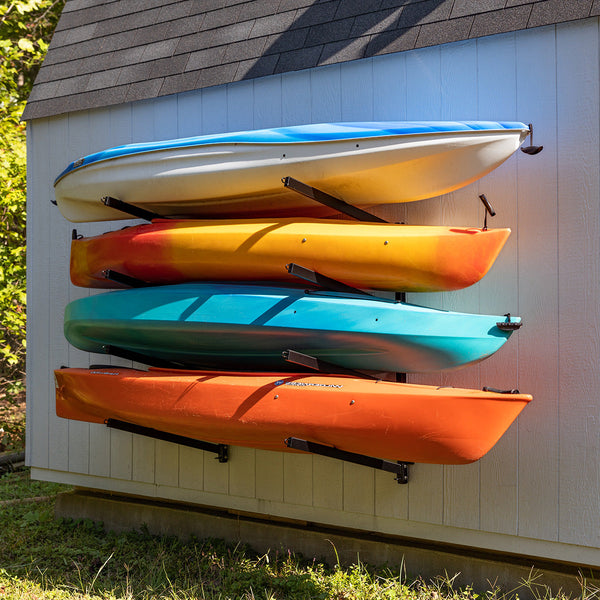
Credit: naavagreen.com
Expert Advice
Properly hanging your kayak can extend its lifespan. Expert advice ensures safe storage and easy access. Professional kayakers offer valuable insights. They have years of experience and know what works best. Learn from their wisdom to secure your kayak effectively.
Insights From Professional Kayakers
Professional kayakers suggest storing kayaks indoors. This protects them from harsh weather. They recommend hanging kayaks on sturdy wall racks. The kayak should rest evenly across the rack. Avoid pressure points which can cause dents. Regularly check the straps for wear and tear. Experienced kayakers emphasize the importance of balance. Ensure the kayak is evenly distributed. This prevents warping over time.
Recommended Tools And Accessories
Using the right tools makes hanging easier. Wall-mounted racks are popular. They provide stability and save space. Consider pulley systems for easy lifting. These reduce strain and simplify the process. Protective covers shield the kayak from dust. They also deter pests. Durable straps are essential for secure hanging. Look for adjustable straps. They allow flexibility in positioning. Foam padding can prevent scratches. It cushions the kayak during storage.
Credit: vibekayaks.com
Frequently Asked Questions
Is It Better To Store A Kayak Vertically Or Horizontally?
Store kayaks horizontally for better weight distribution and support. Vertical storage can cause warping or damage over time. Use padded racks or straps to minimize pressure points. Ensure the kayak is clean and dry before storing to prevent mold or deterioration.
Proper storage extends the kayak’s lifespan significantly.
How To Hang A Kayak Vertically On A Wall?
Use sturdy wall brackets to secure the kayak. Position the brackets to hold the kayak’s weight evenly. Attach the brackets to wall studs for stability. Lift the kayak vertically and place it onto the brackets. Ensure the kayak is stable and secure to prevent falls.
What Is The Proper Way To Store A Kayak?
Store a kayak indoors or covered outdoors to protect from UV damage. Use a rack or hang it to prevent warping. Keep it dry, clean, and off the ground. Avoid direct sunlight and extreme temperatures. Regularly check for damage and maintain for longevity.
Can I Hang My Kayak By The Handles?
Avoid hanging your kayak by the handles. Handles aren’t designed to support the kayak’s weight and may damage it. Instead, use straps or a specialized rack for proper storage. Ensure the kayak is evenly supported to prevent warping or damage over time.
Proper storage extends your kayak’s lifespan.
Conclusion
Hanging a kayak is simple with the right steps. First, find sturdy anchors. Next, secure the straps tightly around the kayak. Check for balance to avoid tilting. Make sure the kayak hangs at an accessible height. Safety is key, so inspect the setup regularly.
Proper storage extends the life of your kayak. Enjoy more adventures with a well-maintained kayak. Hanging it correctly is essential for easy access and preservation. This keeps your kayak ready for the water anytime. Follow these steps and your kayak will be safely stored and ready for action!