Ever tried loading a kayak onto your truck bed and felt like you’re wrestling an octopus? You’re not alone.
Strapping kayaks securely might seem like a daunting task, but it doesn’t have to be. Imagine hitting the road with peace of mind, knowing your kayak is safe and sound. In this guide, you’ll discover simple, foolproof techniques to make strapping your kayak a breeze.
Say goodbye to the stress and hello to easy, worry-free transport. Ready to turn those struggles into smooth sailing? Let’s dive into the details.
Choosing The Right Equipment
Choosing the right equipment is crucial for safely strapping kayaks in a truck bed. Opt for durable straps and padding to protect the kayak. Proper tools ensure secure transportation without damaging the kayak or truck.
Choosing the right equipment is crucial when it comes to strapping kayaks in your truck bed securely. Your choice of gear can make the difference between a smooth ride and a potential disaster on the road. Let’s dive into the essentials and discover what you need to ensure your kayak remains safe during transportation.Types Of Straps
When securing a kayak, the type of strap you choose is vital. Ratchet straps are popular due to their strength and ease of use. They allow you to tighten the kayak securely without much effort. Alternatively, cam buckle straps are also a good option. They’re simple to adjust and less likely to damage the kayak’s surface. Their user-friendly design makes them a favorite for many paddlers. Consider the length and width of the straps. Longer, wider straps provide better support and distribute pressure evenly, reducing the risk of warping your kayak.Essential Gear
In addition to straps, you’ll need a few other key items. Foam blocks or pads are excellent for cushioning the kayak against the truck bed. They prevent scratches and provide extra grip. A bed extender can be invaluable for longer kayaks. It offers additional support and ensures the kayak doesn’t overhang too much. Don’t forget about a tailgate pad. This simple addition can protect both your kayak and truck from unnecessary wear and tear. Have you ever tried using bungee cords? While they might seem convenient, they lack the security of proper straps and should be avoided for securing heavy loads like kayaks. By choosing the right equipment, you can transport your kayak safely and focus on enjoying your next paddling adventure. What gear do you find essential for your kayak trips?Preparing The Truck Bed
Ensure the truck bed is clean and free of debris. Lay down padding to protect the kayaks. Use sturdy straps to secure each kayak tightly. Loop straps around the kayaks and attach them to anchor points in the truck bed.
Check the tightness to prevent movement during transport.
Preparing the Truck Bed Kayaking adventures start with the right preparation. Ensuring your truck bed is ready for transport is crucial. A clean and organized truck bed offers a safe spot for your kayaks. Begin by addressing the cleanliness and layout of the truck bed. This creates a solid foundation for secure strapping later.Cleaning And Clearing
Start with clearing out debris or dirt. Use a brush or vacuum for thorough cleaning. Remove any items that might obstruct kayak placement. This includes loose tools or equipment. Ensure a smooth surface by checking for sharp objects. These can damage the kayak during transit.Positioning The Kayaks
Consider the layout of the kayaks in your truck bed. Place the kayaks parallel to the truck’s length. This provides stability and maximizes space. Ensure each kayak is evenly spaced. Avoid overlapping or tight stacking. Give space for strapping and easy access.Securing The Kayaks
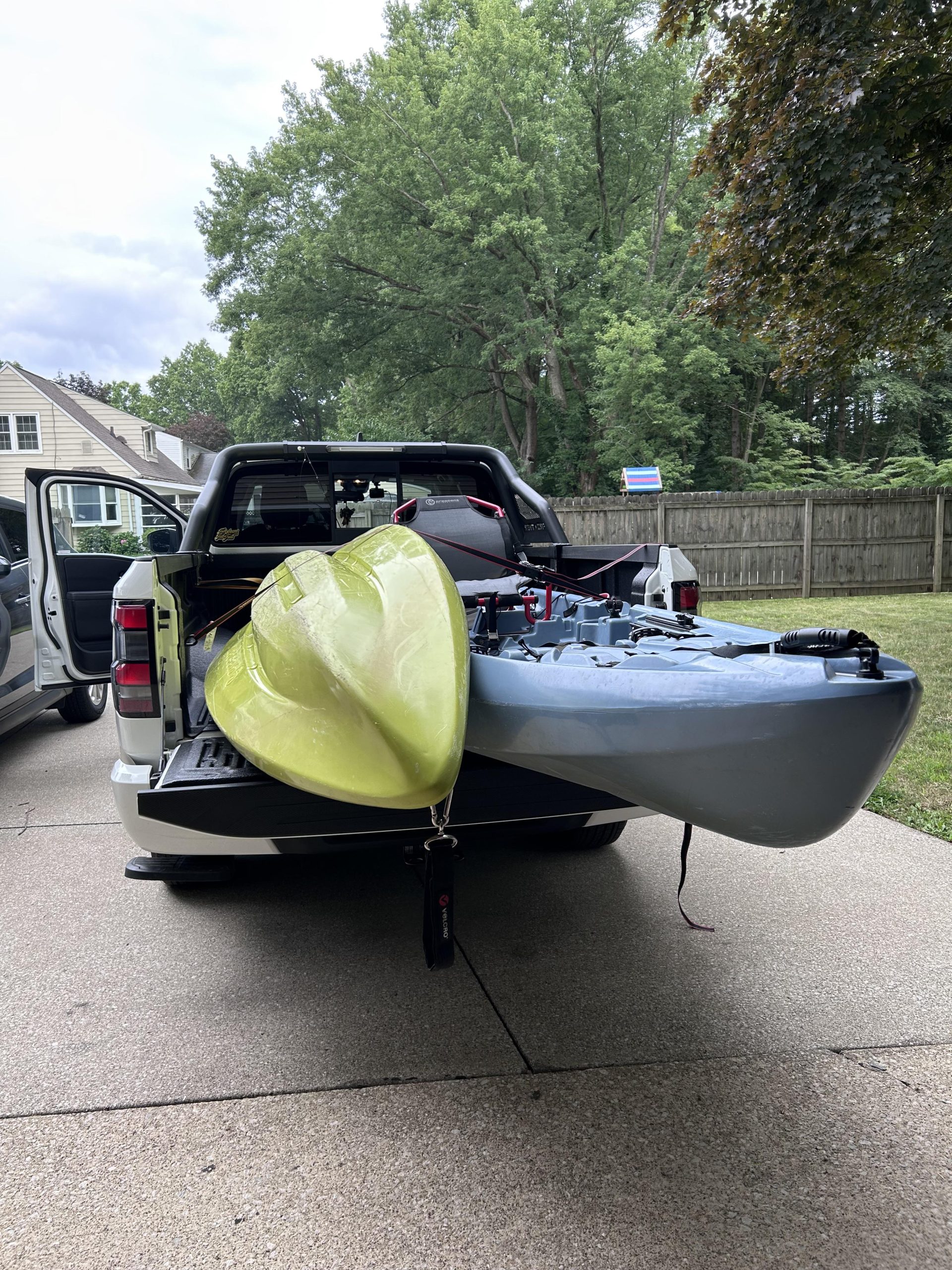
Securing kayaks in a truck bed ensures safe transportation. Position the kayak evenly, then use straps to anchor it firmly. This prevents movement and damage during travel.
Securing the kayaks in your truck bed is crucial for safe transport. Properly strapping them ensures they remain stable during the journey. This not only protects the kayaks but also prevents potential road hazards. Follow the steps below to secure your kayaks effectively.Attaching Straps
Start by placing the kayaks flat in the truck bed. Use cam or ratchet straps for the best hold. Pass the strap over the kayak and hook it to the truck’s anchor points. Make sure the straps are not twisted. Twists reduce the strap’s effectiveness. Ensure the strap is snug against the kayak. Pull the strap tight using the cam or ratchet mechanism. Repeat the process for each kayak in the truck bed.Checking Tightness
Once all straps are attached, check their tightness. Gently shake the kayak to test stability. If the kayak moves, tighten the straps more. Ensure that the straps don’t shift during transit. Recheck them after driving a short distance. This ensures everything remains secure throughout the journey.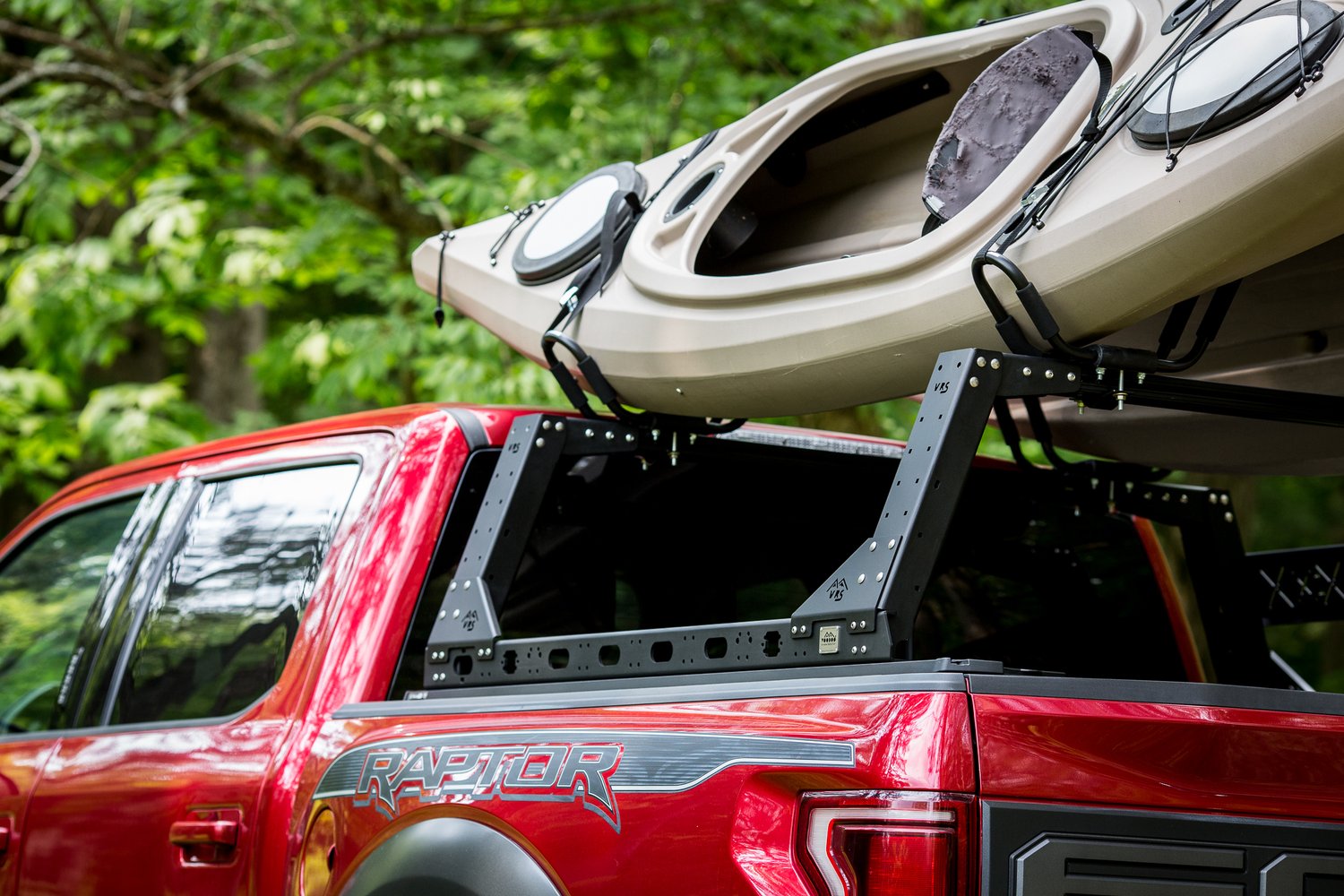
Credit: www.greensafaris.com
Safety Tips
Ensuring your kayak is securely strapped in a truck bed is crucial. Safety is key. Properly securing your kayak prevents accidents on the road. Follow these safety tips to protect your kayak and others.
Avoiding Common Mistakes
Many make errors while strapping their kayaks. These mistakes can lead to damage or danger. One common mistake is using old or worn straps. Always check your straps for wear and tear. Replace them if needed.
Another mistake is not tightening the straps enough. Loose straps can cause the kayak to shift. This can be dangerous while driving. Ensure straps are tight and secure.
Ensuring Stability
Stability is crucial for safe transport. Use the right type of straps for your kayak. Ratchet straps are a good option. They provide a firm hold. Avoid using ropes. They can slip and loosen easily.
Position the kayak correctly in the truck bed. Center it to ensure balance. This helps in stable transportation. Double-check the straps before starting your journey. Make sure everything is secure and stable.
Troubleshooting
Securing kayaks in a truck bed requires proper strapping techniques. Start by placing the kayak hull-side down, aligning it with the vehicle. Use cam straps to tightly secure the kayak at multiple points, ensuring stability during transit.
Troubleshooting while strapping kayaks in a truck bed can often feel like solving a puzzle. Even when you think you’ve got it all figured out, unexpected issues can crop up. It’s essential to stay calm and address these challenges with a strategic mindset.Handling Strap Issues
Straps can sometimes loosen during transit, causing unnecessary stress. Ensure your straps are in good condition before starting. Look for frayed edges or damaged buckles that might compromise their effectiveness. If straps are slipping, try using anti-slip mats or rubber pads between the kayak and the truck bed. This can create friction and hold the kayak in place more securely. Double-check that the straps are properly threaded through the buckles, and pull them tight. Remember, over-tightening can also be a problem. It can damage the kayak or even warp its shape. Find a balance where the kayak is secure but not under undue stress.Adjusting For Different Kayak Sizes
Different kayaks require different strapping techniques. A small recreational kayak might only need two straps, while a longer sea kayak could require more. Consider the kayak’s weight and length when deciding how many straps to use. Positioning is key for varying sizes. If you have multiple kayaks, place the heaviest one closest to the cab for stability. For wider kayaks, ensure the truck bed can accommodate them without risking overhang. Use adjustable straps for added flexibility. This allows you to easily adapt to different kayak sizes without needing a new set of gear each time. Always test the setup by giving the kayak a gentle shake to ensure it’s held firmly. Troubleshooting these common issues not only ensures a smooth journey but also enhances your kayaking experience. What adjustments have you made that work best for you?
Credit: www.coloradofans.com

Credit: www.reddit.com
Frequently Asked Questions
How Far Can A Kayak Hang Out Of A Truck Bed?
A kayak can extend up to 4 feet beyond the truck bed. Ensure you properly secure it to prevent accidents. Always check local regulations, as they may vary. Using a red flag or light on the kayak’s end is recommended for visibility and safety.
How To Strap Things Down In A Truck Bed?
Use ratchet straps to secure items tightly. Position cargo evenly and avoid overloading. Cross straps for added stability. Ensure straps are not twisted. Check strap tension regularly during transit.
How To Strap Two Kayaks Without A Roof Rack?
Use foam blocks or pool noodles for cushioning. Place kayaks upside down on the car roof. Secure them with ratchet straps through open car doors. Ensure kayaks are tightly fastened to avoid movement. Drive cautiously and check straps regularly.
What Is The Easiest Way To Transport A Kayak?
Use a kayak cart to easily transport your kayak. It provides stability and reduces the effort required. Choose a lightweight, durable cart with straps for secure transport. For vehicle transport, use roof racks designed for kayaks, ensuring they’re properly secured with straps or bungee cords to prevent movement.
Conclusion
Strapping kayaks in a truck bed is straightforward with the right steps. Secure the kayak using strong straps. Double-check that everything is tight. Avoid loose ends that could flap during transit. This keeps your kayak safe and in place. Practice makes it easier each time.
Soon, it will be a quick task. Enjoy your kayak adventures with peace of mind. Safe and secure transport means more time on the water. Happy kayaking and safe travels!