Have you ever wondered if you need a boating license to enjoy a peaceful day on your kayak? It’s a common question that many water enthusiasts like yourself have pondered.
Whether you’re planning a leisurely paddle or setting off on a thrilling adventure, understanding the regulations is crucial. Imagine the freedom of gliding across the water without a care, knowing you’re fully prepared and compliant. By the end of this article, you’ll have a clear answer and feel confident in your kayaking adventures.
Keep reading to discover what you need to know before you hit the water!

Credit: www.watersportswhiz.com
Understanding Kayak Regulations
Understanding kayak regulations can be tricky. Many wonder if a boating license is necessary for kayaking. Generally, kayaks don’t require a boating license, but it’s essential to check local laws as rules may differ.
Understanding kayak regulations is crucial for any paddler wanting to hit the water with confidence. While kayaks are generally less regulated compared to motorized boats, it’s important to know the rules that do apply. Navigating these regulations can sometimes be confusing, especially if you’re used to boating in larger vessels.Types Of Watercraft Licenses
Most kayaks fall into the category of non-motorized watercraft. Typically, this means you do not need a boating license to operate a kayak. However, regulations can vary by state or country, so it’s wise to check local laws. In some places, you may need to register your kayak if it exceeds a certain length. This is similar to registering a car, where you need to provide information about the kayak and pay a fee. Always keep documentation handy to avoid fines.Comparison With Motorized Boats
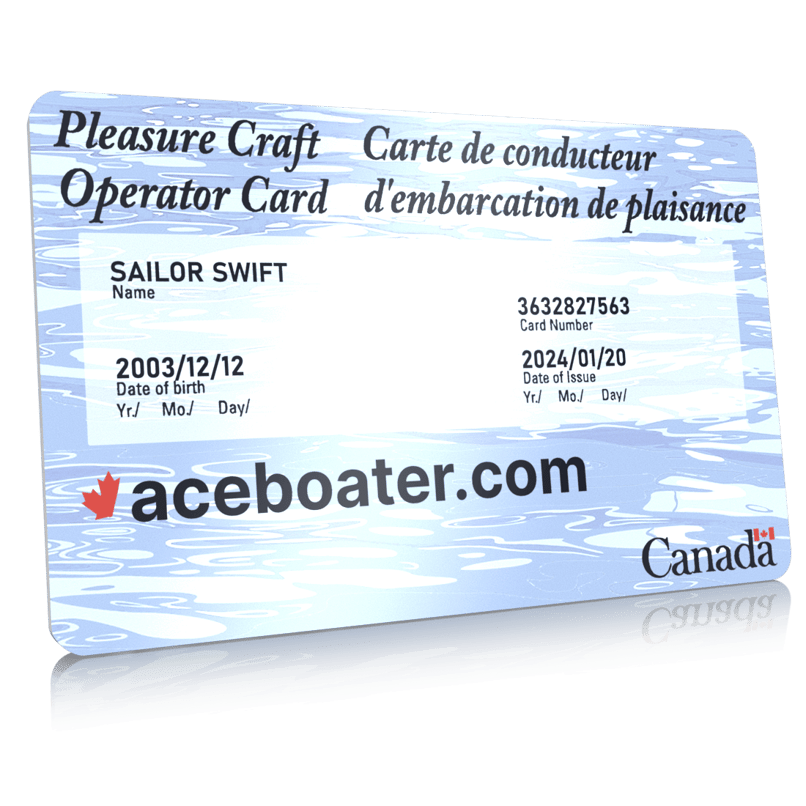
The rules for motorized boats are generally more stringent than for kayaks. Motorized boats often require a boating license, which involves passing a safety course. This ensures operators understand navigation rules and safety protocols. Kayaking, on the other hand, is often more about common sense and safety awareness. You don’t have to take a formal test, but knowing how to read the water and understanding right-of-way rules can prevent accidents. Have you ever wondered why kayaks are treated differently? It’s largely due to the environmental impact. Kayaks leave a smaller footprint, making them less of a concern for regulators. However, just because it’s easier to take a kayak out on the water doesn’t mean you should skip understanding the rules.
Credit: flatwaterkayakclub.com
State-specific Laws
State-specific laws determine if a boating license is needed for kayaking. Many states don’t require one, but regulations vary. Always check local rules before heading out.
Navigating the waters with a kayak can be a peaceful experience, but understanding the legal requirements is essential. State-specific laws dictate whether you need a boating license for a kayak. These laws can vary significantly, making it crucial to know the regulations where you plan to paddle. Whether you are kayaking in serene lakes or adventurous rivers, knowing these laws can save you from unexpected fines and ensure a safe outing. Dive into the state-specific requirements to ensure you’re compliant and ready to enjoy your kayaking adventure.Common State Requirements
In most states, kayaks are considered non-motorized watercraft. This often means you don’t need a boating license to paddle them. However, some states may require you to register your kayak, especially if it exceeds a certain length. Certain states have age restrictions for kayak operation. These regulations are typically aimed at ensuring safety, particularly in waters with heavy traffic. Always check if your state has specific age-related rules to avoid any legal hiccups. Safety equipment is another common requirement across many states. Life jackets, for instance, are typically mandatory for kayakers. Make sure you have the right gear before heading out to stay safe and compliant.Exceptions And Special Cases
There are exceptions where a license might be necessary. Some states require a boating license if the kayak is equipped with a motor, even a small one. This transforms your kayak into a motorized vessel, subjecting it to different regulations. Special cases might also arise in areas with protected waters or wildlife. For instance, certain national parks or wildlife reserves may have unique rules for kayakers to protect the environment. It’s always wise to check local guidelines before paddling in these areas. Weather conditions can also create exceptions. In regions prone to sudden weather changes, there might be additional training or certification requirements to ensure kayakers are prepared for emergencies. Understanding these nuances can enhance your kayaking experience and keep you safe on unpredictable waters. Have you ever encountered unexpected regulations while kayaking? Share your experiences, and let’s learn from each other’s adventures!International Considerations
Kayaking offers a peaceful escape and a chance to connect with nature. For those traveling abroad, understanding international boating laws is crucial. Each country has its own rules, and they may vary widely. Before heading out with your kayak, get familiar with the local regulations. This ensures a safe and enjoyable experience.
Licensing Rules Abroad
Different countries have different licensing requirements for kayaks. Some nations demand a boating license, while others do not. In Europe, for example, countries like Germany and France have specific rules. Always check the local guidelines before you paddle. This helps avoid any legal issues.
Popular Destinations For Kayaking
Many countries boast stunning waterways perfect for kayaking. New Zealand offers breathtaking fjords, while Canada has serene lakes. In Asia, Thailand’s coastline provides unique kayaking experiences. Each destination has its own charm and regulations. Researching beforehand can enhance your adventure and ensure compliance with local laws.
Safety And Training
Understanding if a boating license is needed for a kayak can enhance safety. Many places don’t require a license for kayaking, but knowing local laws is crucial. Training in basic safety and paddling skills is important for a safe kayaking experience.
Kayaking is a fun and adventurous way to enjoy the water. But safety and training are essential for a smooth experience. While a boating license isn’t mandatory for a kayak, understanding water safety is crucial. Training can prevent accidents and enhance your enjoyment. Let’s explore some key safety courses and the benefits of kayak training.Recommended Safety Courses
Taking a safety course can make your kayaking trip safer. Many organizations offer courses to improve your skills. These courses cover essential topics like:- Basic paddling techniques
- Understanding weather conditions
- Rescue operations
- Navigation skills
Benefits Of Kayak Training
Kayak training offers numerous advantages. It helps you learn efficient paddling, which reduces fatigue. Proper training ensures you know how to handle your kayak in different conditions. Training also teaches you about local regulations and environmental care. Plus, you’ll meet other enthusiasts who share your passion.Environmental Impact And Responsibility
Kayaking offers a unique way to explore nature’s beauty. While paddling, it’s crucial to consider our environmental impact and take responsibility. Caring for our surroundings ensures future generations enjoy the same experiences. Every kayaker can play a part in preserving the environment.
Respecting Marine Life
Marine life thrives in delicate ecosystems. Kayakers should maintain a respectful distance from animals. Disturbing wildlife can alter their natural behaviors. Observing quietly helps ensure creatures remain undisturbed. Avoid areas known for nesting or breeding. This allows animals to thrive undisturbed.
Leave No Trace Principles
Kayakers should adhere to Leave No Trace principles. Carry out all waste, including food wrappers and bottles. Leave the environment as you found it. Plan ahead by using reusable containers. This minimizes waste and protects natural habitats. Stay on established paths when launching or landing. This reduces damage to vegetation and shorelines.
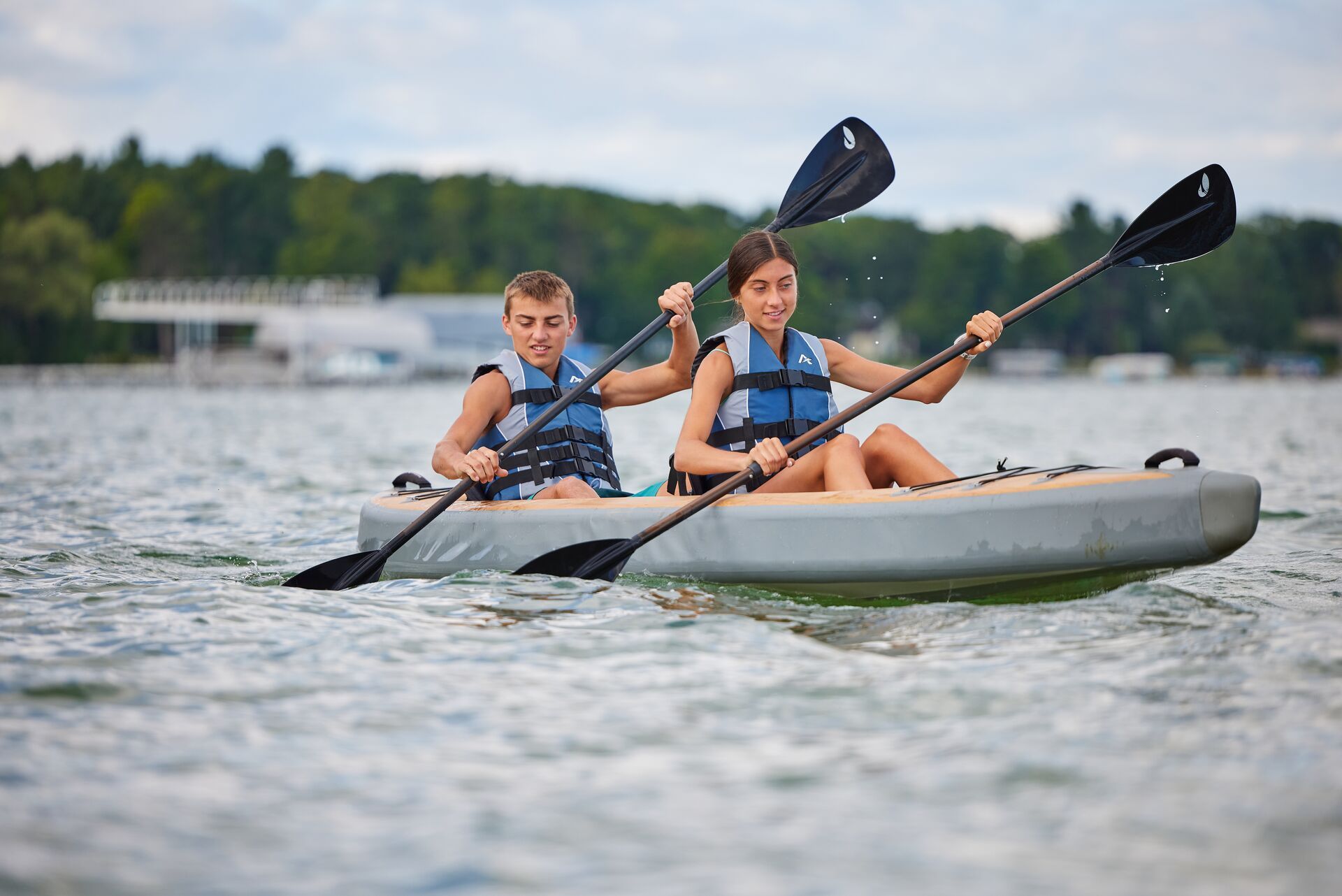
Credit: www.boaterexam.com
Choosing The Right Kayak
Most places do not require a boating license for a kayak. Check local regulations for specific rules. Understanding these requirements ensures a hassle-free kayaking experience.
Choosing the right kayak can be an exciting adventure, especially if you’re new to the world of paddling. The options are vast, and each type of kayak offers its own unique experience. Selecting the perfect kayak can make your time on the water not just enjoyable, but memorable. As you explore different options, consider how you plan to use your kayak, and what features matter most to you.Types Of Kayaks
Understanding the different types of kayaks is crucial in making an informed choice. Will you be navigating serene lakes or tackling rough rivers? – Recreational Kayaks: Ideal for beginners, these kayaks are stable and easy to maneuver. They are perfect for calm waters and short trips. – Touring Kayaks: Designed for longer journeys, they offer more speed and storage space, making them suitable for adventurous souls. – Whitewater Kayaks: Built for excitement, they are short and agile, perfect for the thrill of navigating rapids. Choosing the right type can significantly enhance your kayaking experience.Essential Gear For Beginners
Before hitting the water, equip yourself with essential gear to ensure safety and comfort. – Paddle: A lightweight paddle can make a huge difference in your kayaking experience. Choose one that matches your height and strength. – Life Jacket: Safety should always be your priority. A well-fitted life jacket is a must for every kayaker. – Dry Bag: Keep your belongings safe and dry with a reliable dry bag. It’s a simple yet crucial accessory. Have you considered what other gear might enhance your kayaking journey? Whether it’s a waterproof phone case or a comfortable seat cushion, the right gear can elevate your experience from good to great.Frequently Asked Questions
What Is Required To Kayak In Texas?
Kayaking in Texas requires a life jacket, whistle, and proper registration for motorized kayaks. Check local regulations for permits. Always carry safety gear and follow waterway rules.
Do You Need A License For Your Kayak?
Licensing requirements for kayaks vary by location. Check local regulations to see if a license is needed. Some areas may require registration or permits, while others do not. It’s important to verify specific rules where you plan to kayak. Always follow local guidelines to ensure compliance.
Do I Need To Register A Kayak In Wa?
In Washington, non-motorized kayaks do not require registration. Only motorized vessels must be registered. For more information, check the local regulations or the Washington State Department of Licensing website. Always ensure your kayak adheres to safety standards and carry necessary equipment while kayaking.
Is A Kayak Legally A Boat?
Yes, a kayak is legally considered a boat. It falls under the category of non-motorized watercraft. Kayaks must adhere to boating regulations, including safety equipment requirements. Always check local laws for specific rules governing kayaking and boating activities.
Conclusion
Kayaking offers freedom and adventure. For most places, no license is needed. But, check local laws for peace of mind. Some areas might have special rules. Always prioritize safety. Wear a life jacket. Learn basic paddling techniques. Respect nature and other water users.
Understanding your kayak’s limits is crucial. Enjoy the serenity and fun kayaking brings. Adventure awaits on the water. Always be prepared and informed. Happy paddling!