
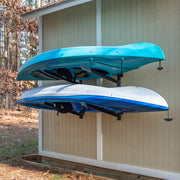
Storing your kayak outside can be a daunting task. You might worry about the harsh weather, theft, or even critters finding a new home in your beloved vessel.
But what if you could store your kayak outside with peace of mind, knowing it’s safe, secure, and ready for your next adventure? Imagine the ease and convenience of accessing your kayak without the hassle of indoor storage. In this guide, we’ll reveal the secrets to keeping your kayak in pristine condition while it’s stored outdoors.
Discover practical tips and expert advice that will transform the way you think about kayak storage. Stay with us, and soon, you’ll wonder why you ever thought storing your kayak outside was a challenge.
Choosing The Right Location
Selecting a secure spot with shade extends your kayak’s life. Ensure the area is free from harsh elements. Elevated storage keeps your kayak safe from ground moisture.
Choosing the right location to store your kayak outside is crucial for maintaining its longevity and ensuring it’s ready for your next adventure. The perfect spot combines protection from harsh elements, ample space, and convenient access to water. Let’s explore some key considerations to find the ideal location.Consider Weather Conditions
Weather can be a kayak’s worst enemy if not properly managed. Think about the predominant weather patterns in your area. Is it mostly sunny, rainy, or windy? If you live in a region with harsh sunlight, consider a shaded spot to prevent UV damage to your kayak’s hull. In areas prone to rain, ensure the location has proper drainage to avoid water pooling. My friend once left her kayak exposed under the sun for weeks, and it faded significantly. You don’t want that happening to yours!Assess Available Space
Space is another significant factor. You might have a large backyard, but is it free of obstacles like trees or garden furniture? Measure the available area to ensure your kayak fits comfortably without crowding the space. You might consider a wall rack or a standalone rack if floor space is limited. When I first stored my kayak, I realized too late that the area was too tight for easy access. Learn from my mistake and ensure you have enough room to maneuver your kayak in and out effortlessly.Proximity To Water Access
Imagine having to drag your kayak across town every time you want to hit the water. Convenient proximity to water access can make your kayaking outings more enjoyable and less of a chore. Try to store your kayak as close to your preferred launch site as possible. If you live by a lake or river, take advantage of it. A neighbor of mine keeps her kayak just a few yards from the water, cutting her prep time in half. Could a similar setup work for you? By carefully considering these factors, you can choose a storage location that keeps your kayak safe and easily accessible. So, what does your perfect kayak storage spot look like?Protective Coverings
Storing kayaks outside requires protective coverings to shield them from harsh weather conditions. These coverings prevent damage from UV rays, rain, and snow, extending the kayak’s lifespan.
Protecting your kayak while storing it outside is crucial to maintaining its longevity and performance. Exposure to elements like sun, rain, and snow can lead to damage, fading, and even structural issues. Using protective coverings is an effective way to shield your kayak from these harsh conditions. Let’s explore some practical solutions you can easily implement.Using Tarp Covers
Tarp covers are a budget-friendly option to protect your kayak. They are versatile and can be used for various outdoor equipment. Choose a tarp made from heavy-duty, waterproof material to ensure your kayak is shielded from rain and moisture. When using a tarp, make sure it is securely fastened. Use bungee cords or ropes to keep it in place even during windy conditions. Remember, a loose tarp can cause more harm than good by rubbing against the kayak’s surface. Consider the tarp’s color. Light-colored tarps reflect sunlight better, preventing the kayak from overheating. This is particularly important if your kayak is stored in a sunny spot.Investing In Kayak Covers
Kayak covers are designed specifically for the shape and size of kayaks, offering a snug fit. They often come with UV protection, which is essential for preventing sun damage. Look for covers with breathable fabric to avoid moisture build-up inside. While kayak covers might be pricier than tarps, they offer added benefits such as tailored fit and specialized protection. If you frequently store your kayak outdoors, investing in a quality cover can save you money on repairs in the long run. Check for additional features like handles or straps. These can make it easier to cover and uncover your kayak, adding convenience to your routine.Diy Cover Solutions
Feeling creative? You can craft your own protective covering using materials you might already have at home. Old blankets or sheets can serve as temporary covers. This method is particularly useful if you need a quick solution. Ensure your DIY cover is waterproof. Adding a layer of plastic or tarp underneath can help achieve this. You might also use spray-on waterproofing solutions to enhance the fabric’s resistance to rain. Think about customizations. Adding loops or eyelets can help secure your DIY cover more effectively, preventing it from being blown away by the wind. What creative solutions have you tried to protect your kayak? Share your experiences and tips in the comments below!Securing Your Kayak
Store kayaks outside safely by using strong locks and weatherproof covers. Elevate them on racks to prevent damage. Regularly check for signs of wear or theft.
Storing your kayak outside can be a practical solution, especially if you lack indoor space. However, securing it properly is crucial to prevent theft, damage, or weather-related wear. By adopting effective securing techniques, you can ensure your kayak stays safe and in excellent condition for your next adventure.Locking Mechanisms
Investing in a reliable kayak lock is your first line of defense against theft. Use a combination of cable locks and locking brackets designed specifically for kayaks. A good lock can deter potential thieves, making your kayak a less attractive target. Consider placing the lock through a scupper hole or a secure anchor point. This ensures it is both effective and non-damaging to your kayak. Remember, a visible lock is a powerful deterrent.Using Racks And Stands
A well-designed rack or stand can elevate your kayak, keeping it off the ground and away from potential harm. These supports maintain the kayak’s shape and prevent deformation. Plus, they offer added security when combined with locking mechanisms. Choose racks and stands that are weather-resistant and sturdy. Opt for models with padded arms to avoid scratches and dents. An elevated kayak also stays cleaner, reducing maintenance time.Anchoring Techniques
Anchoring your kayak adds another layer of security, especially in windy conditions. Use ground anchors or heavy-duty stakes to keep your kayak firmly in place. This technique is particularly useful if you live in an area prone to storms. Tie-down straps can be used to secure the kayak to the anchor points. Ensure the straps are tight but not overly restrictive to avoid damage. Regularly check these anchors and straps for wear and tear, replacing them as needed. Have you ever considered how small adjustments in your storage setup could vastly improve your kayak’s lifespan? By integrating these securing methods, you protect your investment and enhance your outdoor kayaking experiences.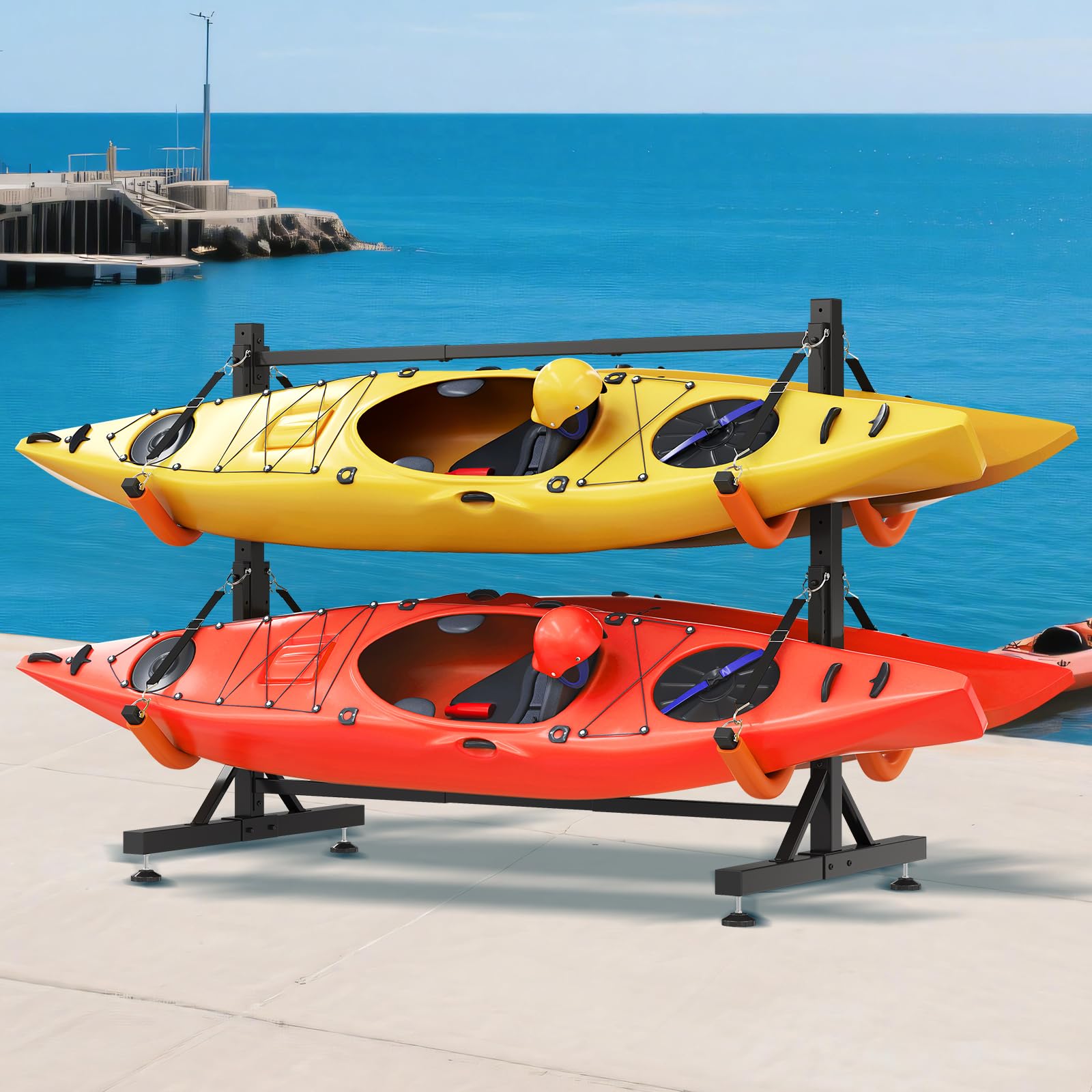
Credit: www.amazon.com
Preventing Damage
Storing kayaks outside requires careful consideration to prevent damage. Use a sturdy rack or hang them under a tarp. Ensure they are shielded from direct sunlight and extreme weather.
Storing your kayak outdoors can be a practical solution, but it requires attention to detail to prevent damage. Without proper care, elements like sun exposure, moisture, and even wildlife can lead to costly repairs. Thankfully, there are simple strategies you can implement to keep your kayak in top condition.Uv Protection Strategies
The sun’s UV rays can be harsh on your kayak, causing fading and weakening of the material. To combat this, consider using a UV-protective kayak cover. These covers shield your kayak from harmful rays, extending its lifespan. If a cover isn’t an option, store your kayak in a shaded area. A shady spot under a tree or a specially designed storage rack with a roof can work wonders. Regularly apply a UV protectant spray on your kayak’s surface. This adds an extra layer of protection and is as easy as spraying on sunscreen.Moisture And Mold Prevention
Moisture is the enemy when it comes to outdoor storage. It can lead to mold and mildew, which not only damage the kayak but also create an unpleasant smell. Ensure your kayak is completely dry before storing it. Use a towel or air dry it in the sun. Consider elevating your kayak off the ground. This prevents contact with wet surfaces and allows air circulation to keep it dry. Invest in a breathable cover, which helps prevent moisture accumulation. A friend once used a tarp that trapped moisture, and it led to mold. Don’t make that mistake.Avoiding Wildlife Interference
It’s surprising how quickly wildlife can take an interest in your kayak. Birds, insects, and small mammals may see it as a potential nesting site. Using a fitted cover can discourage wildlife from making themselves at home. It also protects against droppings and scratches. Place your kayak in an area less attractive to animals. Avoid spots near trees with bird nests or close to ground burrows. Consider using natural deterrents like peppermint oil or citrus sprays around the storage area. These scents can keep curious critters at bay without harming them. By taking these steps, you’re not just storing your kayak—you’re ensuring it remains in great shape for your next adventure. What other creative solutions have you found to protect your gear?Winter Storage Solutions
Storing kayaks outside during winter requires careful preparation. Use durable covers to protect them from snow and UV rays. Elevated racks prevent damage from ground moisture, ensuring your kayak remains in great condition.
Winter can be a challenging time for kayak enthusiasts who need to store their gear outside. The cold weather can cause damage if your kayak is not properly protected. By implementing smart storage solutions, you can extend the life of your kayak and ensure it’s ready for the next adventure.Preparing For Cold Weather
Before winter arrives, it’s crucial to prepare your kayak for the harsh conditions. Start by giving it a thorough cleaning to remove any dirt, grime, or salt residues. This prevents abrasions and keeps the surface in good condition. Ensure that you dry your kayak completely. Moisture left inside or on the surface can freeze and expand, leading to cracks or deformities. Consider applying a protective UV-resistant spray to shield it from any sun exposure during sunny winter days.Insulating Techniques
Insulation is key to safeguarding your kayak against freezing temperatures. Wrap your kayak with a waterproof tarp, securing it tightly to prevent any water intrusion. A tarp can also shield it from harsh winds and snow. Think about using foam padding or pool noodles to add an extra layer of insulation. These materials can be placed around the kayak to cushion it and maintain a stable temperature. It’s a simple and affordable way to provide added protection.Long-term Storage Tips
When storing your kayak for an extended period, positioning is important. Store it on its side or upside down to maintain its shape and prevent warping. Avoid placing it directly on the ground to deter moisture absorption. Consider using a rack or sawhorses to elevate your kayak. This setup encourages airflow and reduces the risk of ground moisture damage. Remember to regularly check your kayak throughout the winter to ensure it remains secure and dry. Have you ever found a surprise crack in your kayak after winter? Taking these preventive measures can save you from costly repairs and keep your kayak adventure-ready.
Credit: www.amazon.com
Maintenance And Care
Storing kayaks outside requires protection from sun and moisture. Use a tarp or cover to shield them. Elevate kayaks to avoid direct ground contact, preventing damage and ensuring longevity.
Maintaining and caring for your kayak is crucial. This ensures its longevity and performance. Proper maintenance prevents damage and keeps your kayak safe for use. Follow these simple tips to keep your kayak in top shape.Regular Cleaning Routine
Clean your kayak after each outing. Remove dirt and salt. Use mild soap and water. Rinse thoroughly to avoid residue. Dry your kayak completely before storage. Moisture can lead to mold and damage.Inspecting For Wear And Tear
Regularly inspect your kayak. Look for cracks or scratches. Check the hull and fittings. Pay attention to seams and joints. Early detection helps prevent serious problems. Address any issues promptly.Repairing Minor Damages
Minor damages can be fixed easily. Use a repair kit for small cracks. Patch holes with waterproof tape. Replace worn-out parts. Maintain a checklist of needed repairs. This ensures your kayak remains safe and reliable.Creative Storage Ideas
Storing kayaks outside requires creative solutions to protect them from weather. Use waterproof covers to shield against rain and sun. Elevate kayaks on racks or wall mounts to prevent ground moisture damage.
When storing your kayak outside, creativity can transform your space while safeguarding your gear. Imagine turning your backyard into a functional yet aesthetic haven for your kayak. From vertical wonders to clever hanging systems, there are numerous ways to keep your kayak safe and sound without compromising on style or space.Vertical Storage Options
Vertical storage is a fantastic solution for those with limited space. You can prop your kayak against a sturdy wall or use specially designed stands. Consider investing in a vertical rack that holds your kayak upright securely. These racks often come with padding to prevent scratches, ensuring your kayak stays in top condition. Another option is a wall-mounted bracket. These brackets are easy to install and allow you to store your kayak vertically against a wall, keeping it off the ground and out of the way.Hanging Systems
Hanging systems are a creative way to utilize overhead space. You can install pulley systems to hoist your kayak up and store it near the ceiling. This not only saves floor space but also protects your kayak from ground moisture and pests. Ensure the hooks and ropes are strong enough to hold the kayak’s weight. It might be helpful to watch a tutorial or consult a friend who’s handy with tools to get the setup just right.Using Outdoor Furniture
Your outdoor furniture can double as kayak storage with a bit of ingenuity. Consider placing your kayak on sturdy benches or tables when not in use. This creates a unique look and makes your kayak easily accessible for spontaneous adventures. If you have a covered patio, using furniture to store your kayak keeps it sheltered from the elements. Plus, it adds an interesting focal point to your outdoor living space. Would you dare to transform your backyard into a kayak showcase? With a bit of creativity, you can make it happen!
Credit: storeyourboard.com
Frequently Asked Questions
Is It Okay To Leave A Kayak Outside In Winter?
It’s best to store a kayak indoors during winter. Cold can damage materials, causing cracks or warping. If outdoor storage is unavoidable, use a weatherproof cover and elevate it off the ground. Proper preparation prevents damage and ensures longevity.
Is It Better To Store A Kayak Vertically Or Horizontally?
Storing a kayak horizontally is generally safer and prevents warping. Use padded supports to avoid damage. Vertical storage is space-efficient but may stress the hull. Ensure proper support if stored vertically to maintain kayak integrity. Always shield from direct sunlight and extreme temperatures.
Is It Okay To Leave A Kayak In The Sun?
Leaving a kayak in the sun can cause damage. Prolonged exposure leads to fading, warping, and cracking. Store it in shade to prolong lifespan. Protect your kayak with UV-resistant covers or sprays. Regular maintenance ensures durability and performance. Avoid direct sunlight for extended periods to maintain quality.
Can You Store A Kayak On Sawhorses?
Yes, you can store a kayak on sawhorses. Ensure the kayak is evenly supported to prevent warping. Use padded or cushioned sawhorses to protect the hull. Position the kayak upside down or on its side for better weight distribution. Regularly check for any stress or damage.
Conclusion
Storing kayaks outside can be simple and safe. Choose a shaded spot. Use kayak covers for protection from weather. Secure with locks to prevent theft. Elevate kayaks to avoid ground moisture. Regularly check for any damage. Proper storage extends the kayak’s life.
A little care ensures many fun adventures. Remember, keeping kayaks dry is key. Follow these tips for peace of mind. Enjoy your outdoor paddling experiences. Happy kayaking!





