

Imagine the thrill of gliding across a serene lake or navigating the gentle rapids of a river, all on your own. Kayaking offers an unparalleled sense of adventure and independence, but before you paddle off solo, you might be wondering: how old do you have to be to kayak alone?
This question is more than just a matter of age; it’s about safety, confidence, and the joy of exploration. Understanding the right age to kayak alone can set the stage for a lifetime of exciting water adventures. Whether you’re a young enthusiast eager to hit the water or a parent considering when your child is ready for their solo kayaking debut, knowing the guidelines and tips can make all the difference.
Dive into this article to uncover the age requirements, safety tips, and everything else you need to start your solo kayaking journey safely and confidently.
Age Requirements By Region
Understanding age requirements for kayaking alone varies by region. Different countries have distinct rules. This ensures safety and compliance with local laws. Let’s explore the specifics for the United States, Europe, and Australia.
United States Regulations
In the United States, age requirements for solo kayaking differ by state. Many states allow children as young as 12 to kayak alone. Parental supervision may be needed for younger kids. Always check local state laws for specifics. Some states require life jackets for all ages.
European Standards
Europe has diverse age regulations for solo kayaking. In the UK, children over 14 can kayak alone with parental consent. France typically requires an age of 16 for solo kayaking. In Germany, the age limit is often 14. Each country may have additional safety requirements.
Australian Guidelines
Australia’s kayaking rules emphasize safety. Children over 12 can often kayak alone in calm waters. Stronger currents might require an age of 16 or older. Life jackets are mandatory for all ages. Check regional guidelines for specific regulations.
Factors Influencing Age Limits
Understanding age limits for kayaking solo involves various factors. Regulations often consider safety concerns, skill levels, and local wildlife. These elements ensure a safe and enjoyable experience.
Safety Concerns
Safety is the primary concern when setting age limits for solo kayaking. Younger kayakers may lack the ability to handle emergencies. Being alone requires maturity and quick decision-making skills. It is crucial to assess individual readiness before embarking solo.
Skill Levels
Skill level significantly impacts age limits for solo kayaking. Beginners might struggle with controlling the kayak in challenging conditions. Experience and practice build confidence and capability. Age limits often reflect the necessary skills for a solo adventure.
Local Wildlife And Environment
The environment and wildlife also play a role in age restrictions. Areas with dangerous wildlife or harsh conditions may require older, more experienced kayakers. Understanding local risks helps in setting appropriate age limits. Respecting nature ensures a safe and responsible kayaking journey.
Parental Consent And Supervision
Parental consent and supervision play a key role in kayaking alone. Most places require you to be at least 16 years old to paddle solo. Younger enthusiasts need an adult’s presence or approval for safety.
Parental consent and supervision are vital for young kayakers. Many children show interest in kayaking. But is it safe for them to paddle alone? Parents play a critical role in ensuring safety. They must weigh the risks and benefits.Role Of Parents
Parents ensure their child is ready to kayak alone. They teach essential skills and safety measures. Children need guidance in understanding water conditions. Parents should evaluate their child’s swimming abilities. Confidence in the water matters. Parents should also check equipment. Ensure it fits well and is in good condition. Discuss potential risks with children. This helps them prepare for unexpected situations.Legal Implications
Each region has different rules about minors kayaking alone. Most areas require parental consent for young kayakers. Some locations have age restrictions. Parents must check local laws before allowing solo trips. Breaking these rules can lead to fines. It can also pose safety risks. Parents should keep informed about legal changes. This helps in making safe decisions.Recommended Practices
Safety should always come first. Start with short, supervised trips. Gradually increase distance and difficulty. Equip the child with a life jacket. It should be worn at all times. Enroll children in kayaking classes. They learn essential techniques and safety tips. Encourage children to paddle with friends. This adds an extra layer of safety. Always check weather conditions before any trip.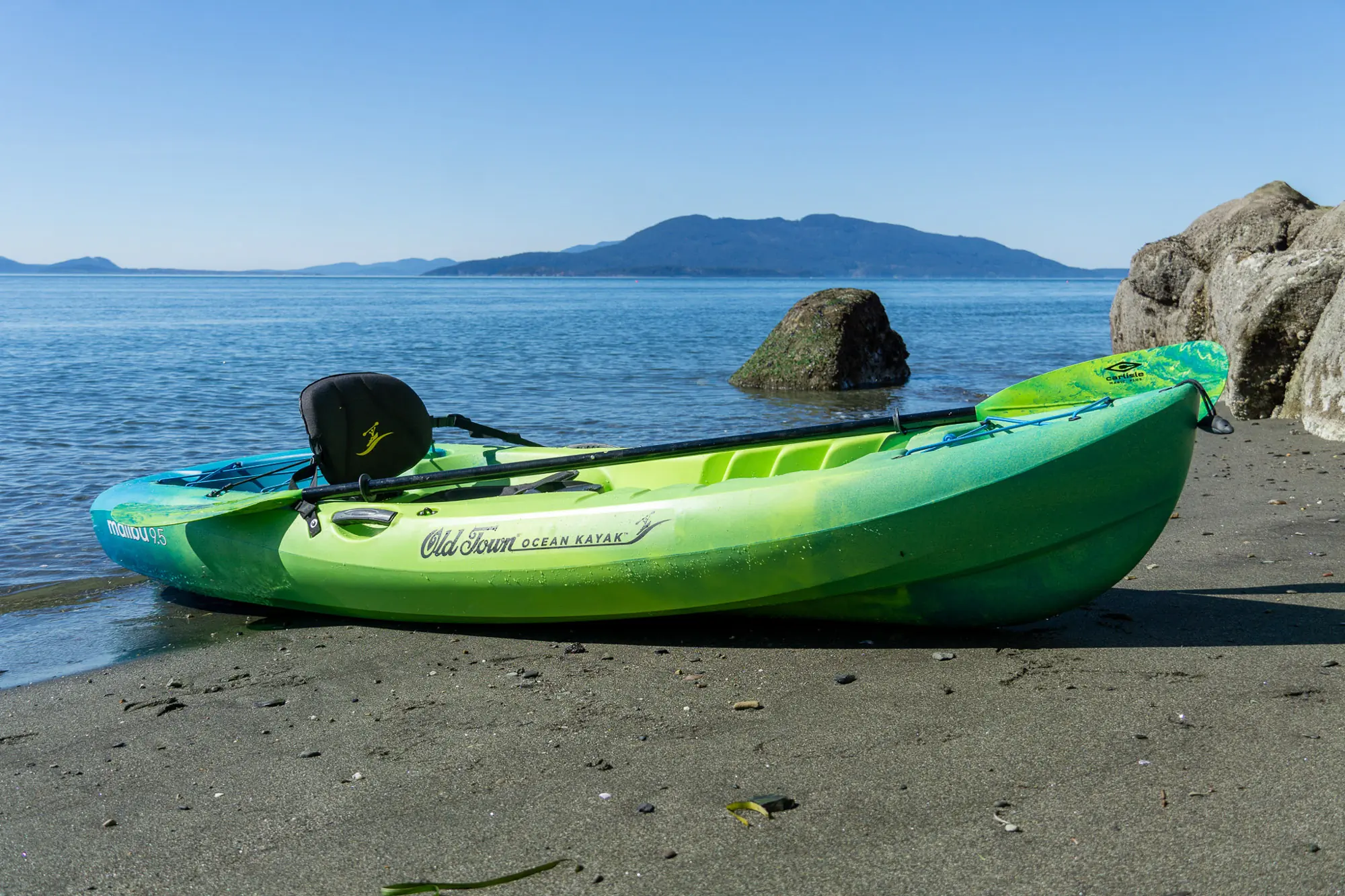
Credit: gearjunkie.com
Training And Certification
Kayaking alone can be a thrilling adventure, but it requires a certain level of expertise and preparation. Understanding the importance of training and certification is crucial to ensure your safety and confidence on the water. Whether you’re a teenager eager to paddle solo or a parent assessing your child’s readiness, investing time in structured learning can make all the difference. Let’s dive into the essential components of training and certification for solo kayaking.
Basic Skills Training
Basic skills training lays the foundation for safe kayaking. It covers essential techniques such as paddling strokes, maneuvering, and balance. Imagine the first time you managed to paddle straight without veering off course—it’s a small victory that builds confidence.
Training sessions often include hands-on practice, allowing you to refine your skills under expert guidance. They might even share tips you hadn’t considered, like how wind direction affects your paddling. As you gain proficiency, these skills become second nature, preparing you for solo adventures.
Safety Courses
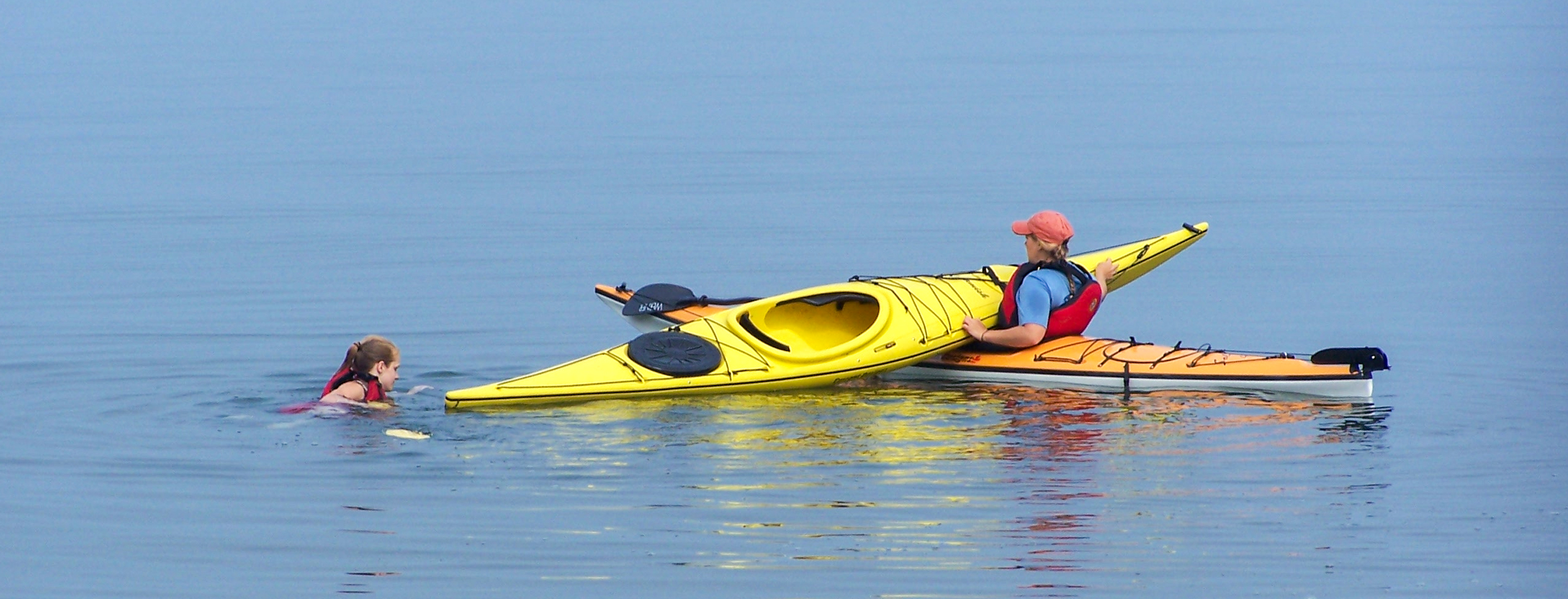
Safety courses are indispensable for any solo kayaker. They teach you how to handle various situations, from unexpected weather changes to capsizing. Have you ever thought about how to get back into your kayak if you fall out?
These courses emphasize the importance of wearing a life jacket and understanding water currents. They often include mock drills, simulating real-life scenarios to test your response. Knowing how to stay calm and act quickly can be life-saving when you’re out on your own.
Certification Programs
Certification programs validate your readiness to kayak independently. They typically involve assessments of your skills and knowledge. Picture receiving a certification that not only boosts your confidence but also assures others of your capabilities.
These programs may have age-specific criteria, ensuring you meet the standards required for solo kayaking. As you progress through the certification, you gain a sense of achievement that fuels your passion for kayaking.
Are you ready to tackle the waters alone? Consider how each aspect of training and certification can enhance your kayaking experience. What steps will you take next to ensure you’re prepared for solo paddling?
Kayaking Tips For Young Enthusiasts
Kayaking is an exhilarating adventure that beckons young enthusiasts with its promise of freedom and exploration. It’s more than just paddling through water; it’s about connecting with nature, building confidence, and honing essential skills. If you’re eager to take on the challenge and kayak alone, there are key tips to ensure your journey is safe and enjoyable.
Essential Gear
Before setting out, ensure you have the right gear. A properly fitted life jacket is non-negotiable; it can be a lifesaver in unexpected situations. Opt for lightweight paddles suitable for your size to avoid fatigue during long trips.
Invest in a sturdy kayak that’s easy to maneuver—consider starting with a sit-on-top model for added stability. Don’t forget a whistle or signal device to alert others in case of emergencies. Always carry a small waterproof bag for essentials like snacks, water, and sunscreen.
Choosing Safe Locations
Safety starts with choosing the right location for your solo kayaking adventure. Look for calm waters like small lakes or slow-moving rivers, which are ideal for beginners. These environments offer fewer obstacles and a more controlled setting.
Check local regulations and guidelines about kayaking zones, as some areas might have age restrictions or specific rules. Engage with local kayaking communities online or in person to gather insights about the best spots. Familiarizing yourself with the area ensures you know the entry and exit points, making navigation easier.
Navigating Weather Conditions
Weather can dramatically affect your kayaking experience, so it’s vital to check forecasts before heading out. Avoid kayaking in high winds or storms, as they can make steering difficult and increase the risk of capsizing.
Wear layered clothing that can adapt to changing temperatures, and keep a dry set in your waterproof bag. Learning to read the water and sky can be a valuable skill; clouds can signal an impending change in weather. If you’re caught in a sudden shift, stay calm and paddle towards the shore.
Are you ready to embark on this solo adventure? With preparation and awareness, kayaking alone can be a rewarding experience that builds both skills and confidence. Remember, the journey is as important as the destination, so savor every moment on the water.
Credit: www.nps.gov
Benefits Of Kayaking At A Young Age
Kayaking at a young age builds confidence and independence. Kids as young as 10 can kayak alone with supervision. It offers a fun way to improve balance and coordination.
Kayaking is more than just a fun activity; it offers incredible benefits for young enthusiasts eager to paddle alone. As children and teenagers take on the challenge of kayaking, they experience growth in several areas that are essential for their overall development. These benefits not only enhance their skills but also foster lifelong habits and attitudes.Physical Fitness
Kayaking is a fantastic way to build physical strength and endurance. As you paddle, you engage your arms, shoulders, back, and core muscles, providing a comprehensive workout. The rhythmic motion of paddling helps improve cardiovascular health and stamina. Imagine a young kayaker who regularly hits the water; they will notice increased muscle tone and energy levels over time. Kayaking also enhances coordination and balance, crucial skills for any young athlete.Mental Health
Spending time on the water can greatly benefit mental health. Kayaking offers a tranquil escape from the pressures of school and social dynamics. The repetitive nature of paddling allows for meditation-like focus, which can reduce stress and anxiety. Picture yourself gliding across a lake, the rhythmic splash of your paddle calming your mind. This serene environment encourages mindfulness and boosts mood, promoting a positive mindset.Environmental Awareness
Kayaking in natural settings fosters a deep connection with the environment. Young kayakers become more aware of the beauty and fragility of aquatic ecosystems. As they navigate through waterways, they learn to appreciate and respect nature. Consider the impact of seeing pollution firsthand while kayaking. This experience can inspire young paddlers to advocate for environmental protection, cultivating a generation of eco-conscious individuals.Legal Considerations
Legal age to kayak alone varies by location. Many places require individuals to be at least 14 years old. Always check local laws to ensure compliance.
Kayaking is an exhilarating way to connect with nature, but if you’re planning to paddle alone, understanding the legal considerations is crucial. It’s not just about your skills or confidence on the water; it’s about knowing the rules and regulations that ensure your safety and compliance with the law. Let’s explore some key aspects you need to consider before embarking on a solo kayaking adventure.Understanding Liability
When kayaking alone, the question of liability is essential. Are you prepared for unforeseen incidents? Solo kayaking means you’re fully responsible for your safety and actions. If something goes wrong, who bears the responsibility? It’s vital to understand that you are accountable for your decisions and any resulting consequences. A thorough assessment of risks and a plan for emergencies can make a significant difference.Insurance Requirements
Do you need insurance to kayak alone? While not mandatory everywhere, having insurance can provide peace of mind. It covers potential damages or injuries, safeguarding you against unexpected costs. Check with your insurance provider to see if your policy covers kayaking or if you need a special add-on. This small step could save you from substantial financial burdens in the future.Local Laws And Regulations
Every location has its own set of rules for solo kayaking. Some places may have age restrictions, while others might require specific permits. Research the local laws of the area where you plan to kayak. This ensures you are not inadvertently breaking any regulations. For instance, some regions might require a safety course completion for solo adventurers. Being informed helps you avoid penalties and enhances your kayaking experience. Understanding these legal considerations is pivotal to your solo kayaking journey. Are you ready to paddle within the lines of the law?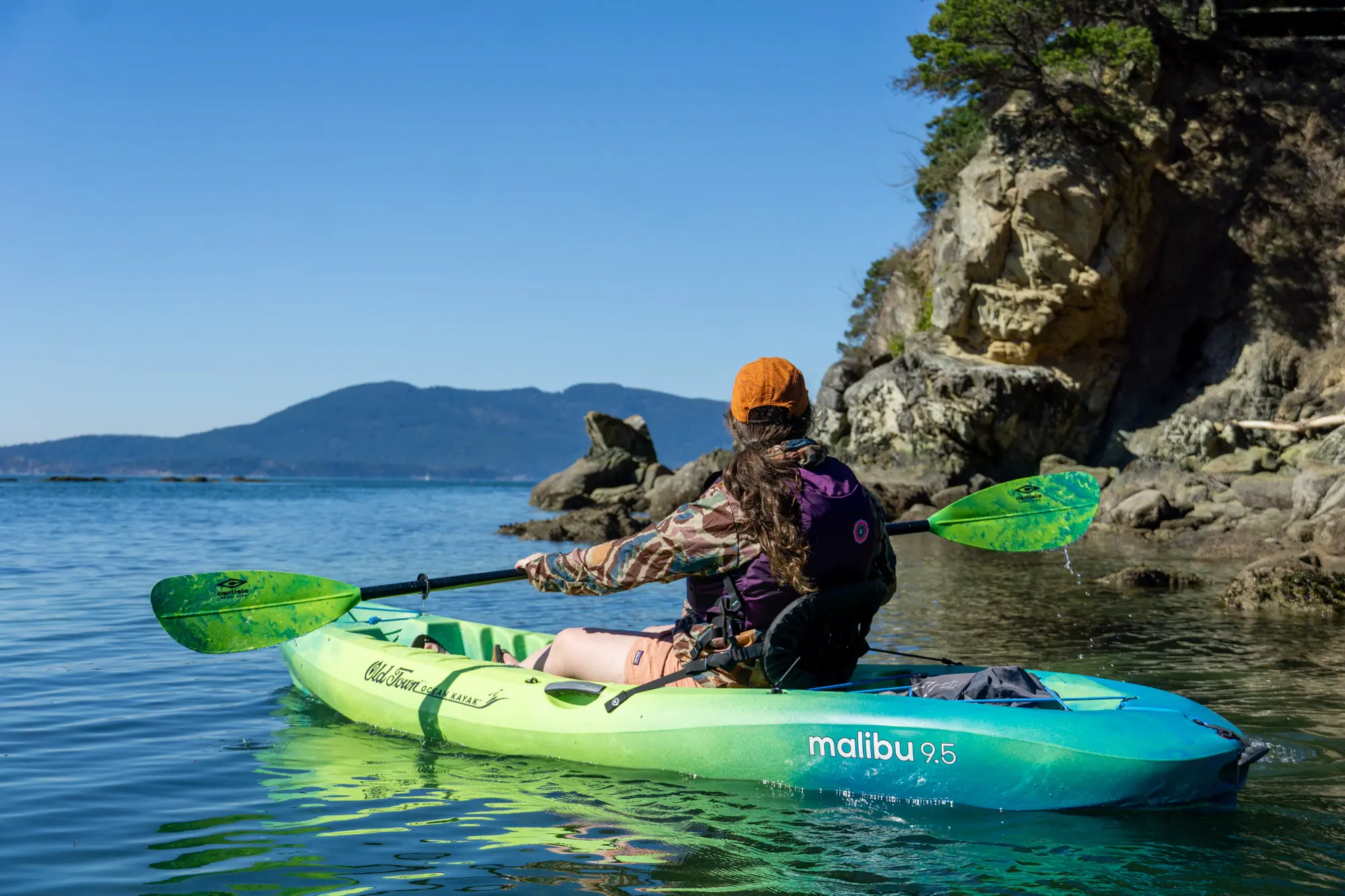
Credit: gearjunkie.com
Frequently Asked Questions
At What Age Can Kids Kayak Alone?
Kids can kayak alone usually around age 10. Ensure they have proper training and safety gear. Supervision is recommended for beginners to ensure a safe experience. Always consider the child’s skill level and water conditions before allowing them to kayak independently.
What Age Can Kids Go Kayaking?
Kids can start kayaking around age 5, with proper supervision and safety gear. Ensure they use child-sized equipment. Always prioritize safety and choose calm waters for beginners. Kayaking can be a fun and educational experience for children.
What Is Required To Kayak In Ohio?
Kayaking in Ohio requires a life jacket, a whistle, and a valid Ohio boat registration. Follow local water safety rules. Check specific regulations for state parks or private waters. Keep your equipment in good condition to ensure a safe experience.
Can You Go Kayaking By Yourself?
Yes, you can kayak alone. Ensure you have the right equipment and skills for safety. Solo kayaking offers freedom and tranquility, but always inform someone about your plans. Check weather conditions and local regulations before heading out.
Conclusion
Exploring kayaking alone offers freedom and adventure. Age requirements differ by location. Always check local rules before setting out. Safety is crucial, so wear a life jacket. Consider your skill level and experience. Younger paddlers should seek advice and training.
Adult supervision may still be needed in some places. Kayaking builds confidence and skills. Enjoy nature and the water, but remain cautious. Always respect the environment and other water users. With the right preparation, solo kayaking can be a rewarding experience.
Stay informed and paddle safely.





