

Are you considering taking up kayaking, but worried about its safety? You’re not alone.
Many people wonder if kayaking is a dangerous sport or if it’s something they can enjoy without fear. Understanding the risks and knowing how to prepare can make all the difference. Imagine gliding through serene waters, feeling the gentle sway of the kayak, and experiencing nature up close.
Sounds inviting, right? But before you push off, it’s essential to address any concerns about potential dangers. Let’s dive into what makes kayaking both thrilling and safe, so you can hit the water with confidence and peace of mind. Stick around as we unravel the truths and myths about kayaking’s safety.
Kayaking Basics
Kayaking is an exciting way to explore water. It’s both a fun and relaxing activity. Before starting, understanding the basics is essential. Knowing the types of kayaks and gear can ensure safety and enjoyment.
Types Of Kayaks
There are several types of kayaks, each designed for specific activities. Recreational kayaks are great for beginners. They’re stable and easy to use. Touring kayaks are longer and faster. They’re suitable for long-distance trips. Whitewater kayaks are short and maneuverable. They’re perfect for navigating rapids. Fishing kayaks come with storage space and rod holders. They’re ideal for anglers. Each kayak type serves a different purpose.
Essential Gear
Having the right gear is crucial for safety. A life jacket is mandatory for every kayaker. It keeps you afloat in emergencies. A paddle is your primary tool for movement. Choose one that suits your height and kayak type. A helmet is important in rough waters. It protects your head from injury. Proper clothing keeps you warm and dry. Consider wearing a wetsuit or drysuit based on water temperature. A whistle can signal for help if needed. Always carry a basic first aid kit. It’s helpful in case of minor injuries.
Common Safety Concerns
Kayaking is a thrilling adventure. Yet, it comes with safety concerns. Understanding these risks helps ensure a safe experience. Let’s explore common safety concerns in kayaking.
Capsizing Risks
Capsizing is a top concern for kayakers. It can happen unexpectedly. Strong currents and waves are common causes. Novice paddlers often struggle with balance. Staying calm is crucial if you capsize. Wear a life jacket for safety. Practice re-entering the kayak in calm waters.
Weather Challenges
Weather can change rapidly on the water. Wind, rain, and storms pose threats. Always check the weather forecast before paddling. Avoid kayaking in extreme conditions. Carry essential gear like a raincoat and dry bags. Being prepared reduces risks.
Wildlife Encounters
Wildlife sightings can be exciting. Yet, they sometimes pose dangers. Animals may behave unpredictably. Maintain a safe distance from wildlife. Never feed or provoke them. Respect their space for your safety. Carry a whistle to scare away aggressive animals.
Debunking Safety Myths
Kayaking is often seen as risky, but it’s generally safe with the right precautions. Wearing a life jacket and understanding the water conditions can greatly reduce risks.
Kayaking often gets an unfair reputation for being dangerous. This is largely due to misconceptions and myths about the sport. Let’s take a closer look at some of these myths and uncover the truth about kayaking safety.Myth Of Kayak Instability
Many people believe that kayaks are incredibly unstable and can tip over at the slightest movement. This isn’t the case with modern kayaks, which are designed for stability and ease of use. Manufacturers have made significant advancements in kayak design, ensuring that even beginners can enjoy a steady ride. Wider hulls and carefully balanced designs help prevent tipping. Think about the last time you rode a bicycle. Initially, it may have seemed unstable, but with practice, you learned to balance perfectly. Kayaking is similar. With a little experience, you’ll find it stable and enjoyable.Misconceptions About Drowning
Drowning is a common fear, but it’s not as likely as you might think. Wearing a life jacket significantly reduces this risk. Life jackets are mandatory for most kayaking activities, providing an essential safety net. Consider this: cars can be dangerous, yet seat belts and airbags have made them safer. Similarly, life jackets are your safety tools on the water. They are designed to keep you afloat and safe even if you fall out of your kayak. Furthermore, kayaking safety courses are widely available and teach essential skills. These courses offer practical tips, like how to handle capsizing or navigating through rough waters. Wouldn’t you feel more confident on the water with this knowledge? Kayaking is thrilling and safe when approached with the right knowledge and preparation. So, are you ready to embrace the adventure, debunk the myths, and enjoy the tranquility of kayaking?
Credit: brooklynkayakcompany.com
Safety Practices
Kayaking can be safe with the right precautions. Wearing a life jacket and knowing water conditions are essential. Always check your gear and stay aware of weather changes.
Kayaking can be a thrilling experience, connecting you with nature and offering a sense of adventure. Yet, like any outdoor activity, it carries its own set of risks. Adhering to essential safety practices ensures your time on the water is both enjoyable and secure. Whether you’re a beginner or seasoned paddler, understanding and implementing these practices can make a significant difference in your kayaking experience.Proper Training
Before setting out on your kayaking journey, having proper training is crucial. Enrolling in a course can provide you with the foundational skills needed, from handling your kayak to understanding water currents. You wouldn’t drive a car without learning how to operate it safely. The same principle applies to kayaking. Training empowers you to react appropriately in unexpected situations, boosting your confidence on the water.Use Of Safety Equipment
Having the right safety equipment is non-negotiable. A well-fitted life jacket is essential, as it can save your life in case of an emergency. Consider additional gear like a helmet if you’re navigating challenging waters or areas with potential for falling debris. A whistle attached to your life jacket can also be invaluable for signaling for help.Awareness And Preparedness
Being aware of your surroundings and prepared for the unexpected is key to a safe kayaking trip. Check the weather forecast before you go, as conditions can change rapidly on the water. Make sure someone knows your route and expected return time. This way, help can be dispatched if you encounter trouble and don’t return as planned. Are you familiar with self-rescue techniques? Practicing these skills can make a difference when faced with capsizing or other emergencies. Keeping a cool head and knowing what to do can turn a potential disaster into a manageable situation. Engage with these safety practices, and you’ll find yourself more at ease, allowing you to fully enjoy the beauty and serenity that kayaking offers.Benefits Of Kayaking
Kayaking offers a thrilling experience while boosting fitness and mental health. It improves strength and reduces stress levels. Though not inherently dangerous, safety precautions are essential to enjoy this exciting water sport.
Kayaking is not only a thrilling adventure but also brings a host of benefits that may surprise you. Whether you’re paddling through serene lakes or navigating challenging rapids, kayaking offers a perfect blend of physical exertion and mental relaxation. Let’s dive into the key benefits that make kayaking an exceptional outdoor activity.Physical Health
Kayaking provides a full-body workout without feeling like a chore. As you paddle, your upper body muscles engage, strengthening your arms, shoulders, and back. Your core also gets a workout as you balance and steer. This low-impact activity is gentle on your joints, making it ideal for all age groups.Mental Well-being
The rhythmic motion of paddling can be meditative, helping to clear your mind. Being on the water allows you to escape daily stressors, promoting relaxation and reducing anxiety. Have you ever noticed how a day on the water can leave you feeling refreshed and renewed? That’s the magic of kayaking working on your mental health.Connection With Nature
Kayaking brings you closer to nature in a way few other activities can. As you glide across the water, you’re likely to encounter wildlife and enjoy breathtaking scenery. This connection to nature can foster a sense of peace and appreciation for the natural world. It’s a reminder of the beauty that exists beyond our screens and daily routines. What other sport allows you to exercise, relax, and connect with nature all at once?
Credit: www.youtube.com
Choosing The Right Kayak
Choosing the right kayak can enhance safety on the water. Consider factors like kayak type, skill level, and environment. Proper knowledge and equipment reduce risks, making kayaking a safer experience.
Choosing the right kayak can make your paddling experience safe and enjoyable. Different kayaks suit different needs. Understanding key aspects helps you pick the best option.Size And Design
The size of the kayak affects stability and speed. Longer kayaks glide smoothly but are less stable. Shorter ones are stable and easy to maneuver. Design impacts usability. Sit-on-top kayaks offer ease for beginners. Sit-in kayaks provide better control in rough waters.Purpose And Environment
Consider where you plan to kayak. Calm lakes require recreational kayaks. Rivers or seas need touring or whitewater kayaks. Each type has specific features. Choose a kayak that suits your environment. It ensures safety and enhances your paddling experience.Real-life Experiences
Exploring the thrill of kayaking can be both exciting and challenging. Many find it safe with the right precautions. Proper gear and awareness of water conditions are essential for a safe experience.
Real-life experiences can provide invaluable insights into the true nature of kayaking. While some might view it as an adrenaline-pumping adventure, others might see it as a serene escape from the hustle and bustle of everyday life. By delving into personal stories, you can understand both the challenges and joys of this popular water sport.Testimonials From Kayakers
Listening to kayakers recount their adventures paints a vivid picture of the sport. Sarah, a seasoned kayaker, recalls a particularly turbulent day on the river. Despite her initial fear, she felt invigorated as she navigated through the rapids. Her story highlights not just the thrill, but also the sense of accomplishment felt after overcoming obstacles. On the other hand, Tom shares a more tranquil experience. He finds peace in paddling along calm waters at dawn, where nature’s beauty is unspoiled. His testimonial reminds us that kayaking can be a meditative experience, offering a unique connection with nature. What kind of adventure do you seek when you’re on the water?Lessons Learned
Real-life experiences often come with valuable lessons. Many kayakers emphasize the importance of preparation. Ensuring your equipment is in top condition, understanding the weather, and knowing your route are crucial steps to take before you hit the water. Another lesson highlighted is the significance of respecting nature. Kayakers frequently encounter wildlife and varying water conditions. Respecting these elements and adapting to them can enhance your experience and ensure safety. While some lessons are learned the hard way, they serve as reminders to be vigilant and prepared. How do you prepare to make your kayaking experience safe and enjoyable?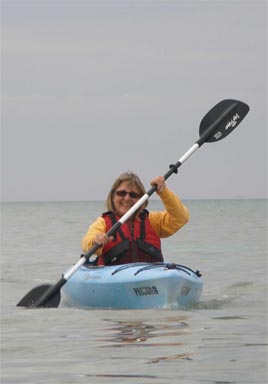
Credit: www.canr.msu.edu
Frequently Asked Questions
Do Kayaks Flip Over Easily?
Kayaks generally don’t flip over easily. Stability depends on kayak type and water conditions. Sit-on-top kayaks offer more stability. Practice helps maintain balance, reducing the risk of flipping. Always wear a life jacket for safety.
What Is The Risk For Kayaking?
Kayaking risks include capsizing, drowning, hypothermia, dehydration, and collisions. Always wear a life jacket for safety. Check weather conditions, carry safety gear, and paddle with others to minimize dangers. Proper training and awareness of surroundings help reduce kayaking risks significantly.
What Is The Leading Cause Of Death For Kayakers?
Capsizing is the leading cause of death for kayakers. Many drown due to lack of proper safety gear. Wearing a life jacket significantly reduces risk. Proper training and awareness also enhance safety on the water. Always check weather conditions before kayaking to minimize dangers.
Is Kayaking Safe For Beginners?
Kayaking is generally safe for beginners with proper instruction and gear. Beginners should wear life jackets, learn basic techniques, and avoid challenging waters. Start in calm environments to build confidence. Always check weather conditions before going out. With these precautions, kayaking can be an enjoyable and safe activity for newcomers.
Conclusion
Kayaking can be safe with the right precautions. Wear a life jacket. Check weather forecasts before you go. Avoid strong currents and busy waterways. Always inform someone of your plans. Beginners should take lessons. Use the buddy system. Safety gear is essential.
Respect nature and wildlife. Stay aware of your surroundings. Enjoy the water, but stay cautious. Practice makes perfect. Safety ensures fun and adventure.





