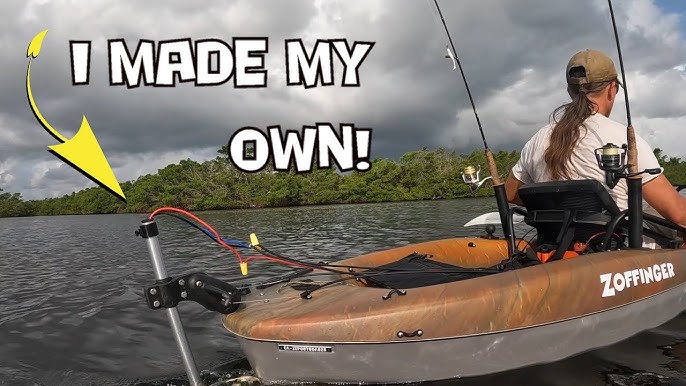
Imagine gliding effortlessly across a serene lake, the soft hum of a trolling motor propelling your kayak with ease. Picture yourself covering more distance, exploring hidden coves, and casting your line exactly where you want it, without the strain of paddling.
Sounds perfect, right? Mounting a trolling motor on your kayak can transform your water adventures, offering you more freedom and control. Whether you’re a seasoned angler or a casual paddler, this guide is here to show you how to make it happen.
You don’t need to be a mechanical whiz to get this done. All you need is a bit of guidance, and soon enough, you’ll be enjoying a smoother, more efficient ride. Stay with us, and let’s turn your kayak into a powered vessel that takes your aquatic escapades to the next level.
Choosing The Right Trolling Motor
Mounting a trolling motor on a kayak requires careful planning. Choose a spot with enough space and balance. Use strong mounts and ensure secure fittings for a smooth kayaking experience.
Choosing the right trolling motor for your kayak is essential. It can make your fishing or leisure experience more enjoyable. With various options available, selecting the right motor can feel daunting. But fear not, understanding your needs and motor types will simplify the process.Types Of Trolling Motors
Trolling motors come in different types. The main categories are electric and gas-powered. Electric motors are popular for their quiet operation and eco-friendliness. They require a battery and are easy to maintain. Gas-powered motors offer more power but are louder. They are suitable for larger bodies of water.Factors To Consider
Several factors affect your choice of trolling motor. First, consider the weight of your kayak. Heavier kayaks need more thrust. Measure your kayak’s length and width to ensure compatibility. Next, think about the water conditions. Calm lakes need less power than fast rivers. Battery life is crucial for electric motors. Choose a motor with a battery that lasts for your entire trip. Lastly, consider your budget. Balance quality and cost to find the best motor for you.Gathering Necessary Tools
Gather essential tools for mounting a trolling motor on a kayak, including wrenches, drill, and screws. Ensure you have a sturdy mounting bracket and waterproof sealant to secure the motor effectively.
Gathering the necessary tools is crucial for mounting a trolling motor on your kayak. Preparing ahead ensures a smooth installation process. Start by collecting all essential tools and accessories. This preparation saves time and reduces frustration.Essential Tools List
To mount a trolling motor effectively, you’ll need several key tools. Here’s a list to get you started:- Drill with appropriate bits
- Screwdriver set
- Wrench or socket set
- Measuring tape
- Marker or pencil for marking
- Level for precision
Optional Accessories
Consider optional accessories for added convenience and safety. These can enhance your kayaking experience:- Battery case to protect the power source
- Cable ties for organizing wires
- Mounting bracket for extra support
- Waterproof bag for electronics
- Safety lanyard for motor security
Preparing Your Kayak
Mounting a trolling motor on your kayak is a game-changer for fishing and exploring new waters. However, before you dive into installation, preparing your kayak is crucial. A well-prepared kayak ensures a smooth mounting process and enhances your kayaking experience.
Inspecting The Kayak
Start by thoroughly inspecting your kayak. Look for any signs of wear and tear, like cracks or weak spots. A sturdy kayak is essential for safely holding a trolling motor.
Check the kayak’s weight capacity. Make sure it can handle the additional weight of the motor and battery. You don’t want your kayak to become unstable.
Consider the kayak’s material. Different materials may require different mounting techniques. For instance, a fiberglass kayak might need a gentler approach compared to a plastic one.
Cleaning And Marking
Once you’ve inspected the kayak, give it a good cleaning. Remove dirt and debris to ensure proper adhesion of any mounting brackets or hardware.
Use a mild soap and water solution to clean the surface. Avoid harsh chemicals that might damage the kayak’s material.
After cleaning, it’s time to mark the spots where the motor will be mounted. Use a waterproof marker for clear visibility. Precise marking prevents errors during drilling and installation.
Consider using a measuring tape to ensure accuracy. Even a slight misalignment can affect performance and stability.
Have you ever mounted a motor and found it slightly off? The frustration is real, but careful marking can save you from such hassle.
- Inspect the kayak for damage and weight capacity.
- Clean the kayak thoroughly using mild soap.
- Mark the mounting spots accurately with a waterproof marker.
Building A Motor Mount
Mounting a trolling motor on a kayak involves securing it properly for stability and efficiency. Select a sturdy motor mount compatible with your kayak’s design. Ensure tight fittings and balance for smooth paddling and enhanced control on the water.
Building a motor mount for your kayak can be an exciting project. It allows you to explore waters with ease. A sturdy motor mount ensures your trolling motor stays secure. This guide will help you create a functional and reliable mount.Materials Needed
Gathering the right materials is crucial. Here’s a list of what you’ll need:- Strong plywood or marine-grade wood
- Metal brackets and clamps
- Bolts, nuts, and washers
- Power drill and drill bits
- Measuring tape
- Sandpaper for smoothing edges
- Waterproof sealant
Step-by-step Construction
Begin by measuring the width of your kayak. This helps in cutting the plywood accurately.- Cut the plywood to fit across the kayak’s rear.
- Sand the edges to remove rough spots.
- Attach metal brackets to the plywood.
- Secure brackets with bolts and washers.
- Use clamps to fix the plywood to the kayak.
- Apply waterproof sealant to protect the wood.
Attaching The Motor Mount
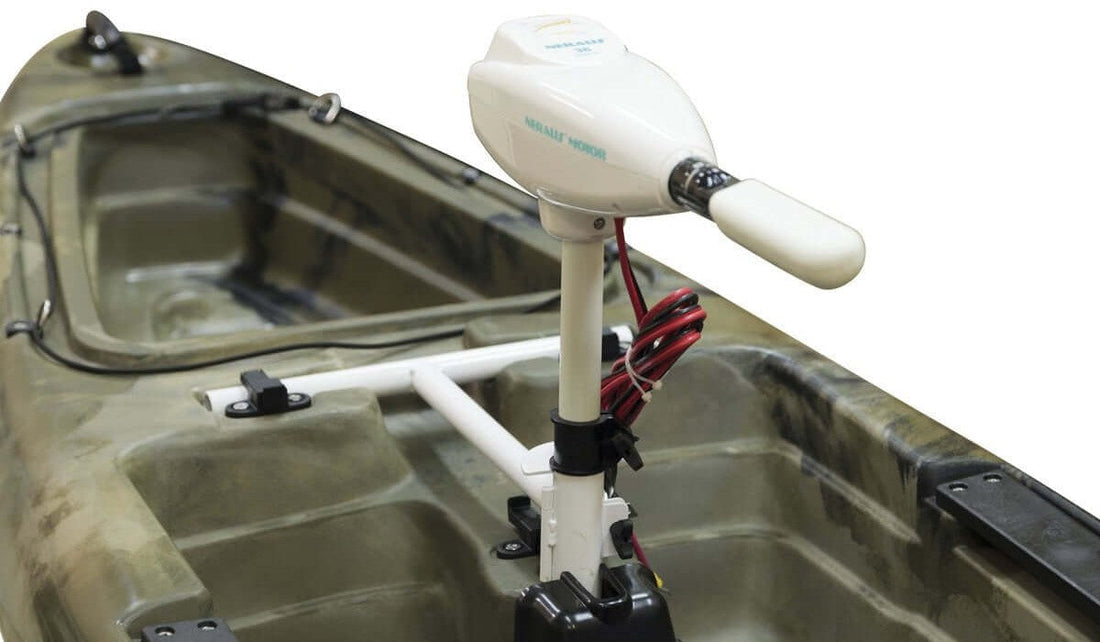
Attaching the motor mount to your kayak requires careful positioning and secure fastening. Ensure the mount aligns correctly with your kayak’s surface. Use sturdy hardware to keep the trolling motor stable during use.
Attaching the motor mount to your kayak is a crucial step in setting up your trolling motor. It ensures stability and performance while out on the water. Getting this right means your motor will function efficiently, allowing you to enjoy a seamless kayaking experience.Positioning The Mount
First, identify the optimal spot on your kayak for the motor mount. This is usually at the stern, where the kayak is most stable. Make sure the mount is clear of any obstructions like handles or bungee cords. A well-positioned mount provides balance and prevents your kayak from veering to one side. Consider the weight distribution—adding a motor can change how your kayak sits in the water. Think about your own comfort too. Can you easily reach the controls from where you’ll be seated? A few adjustments now can prevent hassles later.Securing The Mount
Once you’ve found the ideal spot, it’s time to secure the mount. Use the bolts and brackets provided with your motor mount kit. Make sure they fit snugly and won’t loosen over time. Double-check that everything is tightened well. A loose mount could lead to issues while on the water. Test it by gently rocking the mount; it should remain firm. Finally, add rubber washers between the mount and kayak to reduce vibrations. This not only extends the life of your equipment but also enhances your kayaking comfort.
Credit: v-lock.com
Installing The Trolling Motor
Installing the trolling motor on your kayak transforms your paddling experience. This task is straightforward and rewarding. With the right tools and guidance, you can enjoy smoother rides and easier navigation.
Mounting The Motor
Begin by selecting the ideal spot for your motor. The stern is often the preferred location. Ensure your mount is secure to prevent any wobbling. Use a drill to attach the motor bracket to your kayak.
- Position the bracket correctly.
- Double-check the alignment.
- Tighten bolts for stability.
Verify that the motor is firmly mounted. This ensures safety while on the water.
Connecting The Wiring
Wiring connects the motor to its power source. Begin with the battery placement. Choose a dry spot within the kayak for safety. Run wires from the motor to the battery.
- Use waterproof connectors.
- Secure wires with clips.
- Check the wire length to avoid tangling.
Ensure all connections are tight. This prevents power loss during operation. Test the motor to confirm it runs smoothly. Proper wiring enhances the motor’s efficiency and reliability.
Testing And Adjustments
Testing and adjustments are crucial after mounting a trolling motor on a kayak. Ensure stability and balance by testing in calm waters. Adjust the motor’s position for optimal performance and easy steering.
Mounting a trolling motor on your kayak can transform your paddling experience, providing ease and efficiency for long days on the water. However, before you set off on your fishing adventures, it’s crucial to test and make adjustments to ensure everything runs smoothly. This process not only optimizes performance but also enhances safety and reliability. Here’s how to conduct an initial test run and make necessary adjustments.Initial Test Run
Begin by taking your kayak to a calm and open body of water. This will allow you to focus solely on the motor without worrying about obstacles or waves. Secure the trolling motor and all related equipment. Double-check that your battery is fully charged and connections are tight. Start the motor at a low speed. Observe how your kayak handles the new addition. Does it glide smoothly, or do you notice a drag? Pay attention to the noise level. A well-mounted motor should operate quietly, minimizing disturbances to your aquatic surroundings.Making Necessary Adjustments
If your kayak veers to one side, it may indicate the motor isn’t centered properly. Adjust the mounting bracket or reposition the motor to achieve balance. Check for vibrations. If you feel excessive shaking, it might be due to loose fittings. Tighten bolts and mounts to stabilize the setup. Consider the weight distribution. If the kayak tips or feels unstable, redistribute your gear or adjust the position of the battery. Test different speeds and monitor the battery consumption. This gives you a clear idea of how far you can go on a single charge. What other adjustments might enhance your setup? Remember, a perfectly mounted trolling motor not only improves efficiency but also ensures a safe and enjoyable kayaking experience.Safety Tips And Precautions
Ensure your kayak is stable before mounting the trolling motor. Use strong brackets and secure screws for attachment. Check the motor’s balance and alignment to prevent tipping.
Mounting a trolling motor on your kayak opens up a world of possibilities for your fishing or leisure trips. However, ensuring your safety and the longevity of your equipment is crucial. Understanding safety tips and precautions will not only protect you but also enhance your kayaking experience. Let’s dive into the essentials of operational safety and maintenance tips.Operational Safety
Before heading out on the water, make sure your trolling motor is securely mounted and all bolts are tight. A loose motor can lead to accidents or damage to your kayak. Always wear a life jacket when using a trolling motor. Even if you’re an experienced swimmer, unexpected situations can arise. Be aware of your surroundings. Keep an eye out for other kayakers, swimmers, and obstacles like rocks or logs. A quick glance can prevent collisions. Consider weather conditions. Heavy rain, strong winds, or fog can make operating a trolling motor challenging. If the forecast looks grim, reschedule your trip.Maintenance Tips
Regular inspection is key. Check the trolling motor for signs of wear and tear, especially on the propeller and wiring. Address issues promptly to avoid bigger problems later. Rinse your motor with fresh water after every use, especially if you’ve been in saltwater. Salt can corrode metal parts, shortening the lifespan of your motor. Keep a maintenance log. Note dates of inspections, any repairs made, and when you last charged the battery. This helps track performance and anticipate future needs. Charge your battery regularly. A dead battery can turn your adventure into a frustrating experience. Investing in a reliable charger can save you time and hassle. What steps do you take to ensure your kayaking trips are safe and enjoyable? Share your tips or experiences in the comments below!Troubleshooting Common Issues
Mounting a trolling motor on a kayak can present challenges. Secure the motor bracket tightly to avoid wobbling. Ensure the motor shaft length matches the kayak’s depth for optimal performance.
Troubleshooting common issues with your trolling motor mounted on a kayak can save you a ton of frustration. Whether you’re a seasoned angler or a beginner paddler, unexpected problems can arise. Knowing how to address these can make the difference between a successful trip and a day spent fighting with your equipment.Motor Malfunctions
Motor malfunctions might seem daunting, but they often have simple fixes. Check the battery connections first. Loose or corroded terminals can lead to intermittent power issues. Clean them with a wire brush and ensure they’re tightly secured. If the motor isn’t starting, inspect the propeller for debris. Sometimes, fishing line or weeds can get tangled, causing the motor to stall. Clear any obstructions and test it again. Consider the wiring. Damaged or worn wires can disrupt the electrical flow. It’s worthwhile to keep a small kit with spare wires and connectors. This way, you can easily replace any faulty components on the go.Mounting Problems
Mounting issues can affect stability and performance. Ensure the motor mount is securely attached to the kayak. A loose mount can cause vibrations or even lead to the motor falling off. Double-check the screws and brackets for tightness. Balance is key. If the motor mount is not aligned properly, it can affect your kayak’s maneuverability. Adjust the positioning of the motor so that it’s centered and doesn’t tilt to one side. Materials matter. If your mount is made from cheap plastic, it might not withstand long-term use. Consider investing in a durable material like stainless steel or aluminum, which offers better stability and longevity. Have you ever wondered why your kayak veers off course? It might be related to how the motor is mounted. Keeping these troubleshooting tips in mind can enhance your kayaking experience, ensuring smoother rides and less hassle.
Credit: www.youtube.com
Credit: brooklynkayakcompany.com
Frequently Asked Questions
Where Is The Best Place To Mount A Trolling Motor On A Kayak?
Mount a trolling motor on the kayak’s stern for optimal control and balance. This placement ensures efficient propulsion and maneuverability. Choose a sturdy mounting location, avoiding interference with paddling and gear. Ensure it’s securely attached to handle various water conditions effectively.
Can You Mount A Trolling Motor To A Kayak?
Yes, you can mount a trolling motor to a kayak. Use a motor mount designed for kayaks. Ensure the motor’s weight and thrust are compatible with your kayak’s specifications. Mounting a trolling motor enhances maneuverability and speed. Always follow safety guidelines when installing and using the motor.
Is It Worth Putting A Trolling Motor On A Kayak?
Installing a trolling motor on a kayak enhances speed, control, and versatility. It saves energy on long trips. Ideal for fishing, it offers quiet movement and precise positioning. Ensure your kayak supports motor mounting for safety. Consider battery weight and capacity for optimal performance.
Is It Legal To Put A Trolling Motor On A Kayak?
Yes, installing a trolling motor on a kayak is legal. Ensure compliance with local boating regulations and safety requirements. Consider kayak modifications and weight capacity for optimal performance. Always check for specific state laws regarding motorized vessels.
Conclusion
Mounting a trolling motor on your kayak is simple and rewarding. It enhances your kayaking experience by making travel easier. Start by choosing the right motor for your kayak. Follow the step-by-step guide and ensure all tools are ready. Safety should always come first, so double-check your setup.
Enjoy smoother, more efficient trips on the water. With practice, you’ll gain confidence and skill. Soon, navigating waters will feel effortless. Remember to maintain your motor regularly for long-lasting performance. Happy kayaking!