Imagine gliding smoothly over the water, your kayak slicing through waves with precision and ease. This is the experience a skeg kayak offers.
But what exactly is a skeg kayak, and why might it be the perfect choice for your next adventure? You’re not alone in wondering. Many kayakers, both seasoned and new, are curious about the unique features and benefits of this type of kayak.
We’ll dive into the world of skeg kayaks, revealing how they can transform your paddling experience. Whether you’re looking to enhance your control on choppy waters or simply curious about improving your kayak’s performance, understanding skeg kayaks could be your key to unlocking a more enjoyable and efficient journey on the water. Stay with us as we explore everything you need to know about skeg kayaks and why they might just be the missing piece in your kayaking adventures.

Credit: vibekayaks.com
Skeg Kayak Basics
Understanding the basics of a skeg kayak can enhance your paddling experience. A skeg is a fin-like structure that helps in tracking straight. It is typically retractable and can be adjusted based on water conditions. This feature is especially useful in windy or turbulent waters. Let’s delve into the essential aspects of skeg kayaks.
What Is A Skeg?
A skeg is a small, blade-like device attached to a kayak’s hull. It helps maintain a straight course in open water. By reducing the kayak’s tendency to drift sideways, it aids in stability. The skeg can be manually adjusted to suit different paddling needs.
How Does A Skeg Work?
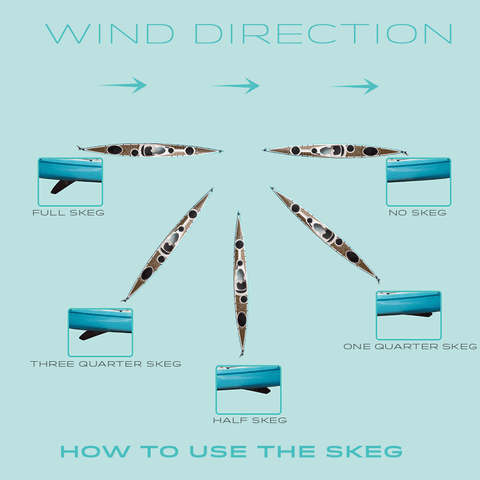
The skeg acts like a rudder but is fixed and not steerable. It counters side winds and currents by providing directional stability. Lowering the skeg increases the kayak’s ability to track straight. Adjust the skeg according to wind conditions for optimal performance.
Benefits Of Using A Skeg Kayak
Skeg kayaks offer several advantages for paddlers. They enhance tracking in challenging conditions. This makes them a favorite among sea kayakers. They are ideal for long-distance paddling. With a skeg, controlling your kayak becomes easier.
When To Use A Skeg?
Use a skeg in windy conditions or choppy waters. It helps maintain a straight path when the wind blows from the side. Deploying the skeg reduces the need for constant corrective paddling. It’s not necessary in calm or shallow waters.
Adjusting The Skeg
Adjusting the skeg is simple and intuitive. Most kayaks have a slider near the cockpit. Use it to raise or lower the skeg based on your needs. Lower it fully in strong winds. Raise it for more maneuverability in calm waters.
Purpose Of A Skeg
The purpose of a skeg in a kayak is crucial for stability. It helps the kayak move in a straight line, especially in windy conditions. Without a skeg, a kayak can drift sideways due to wind or currents. This means more effort to paddle and stay on course. A skeg acts like a fin that guides the kayak through the water.
Understanding The Skeg’s Role In Stability
A skeg provides balance to the kayak. It counters the effects of wind and currents. This makes paddling easier and less tiring. The skeg reduces the need to constantly adjust your direction.
Enhancing Directional Control With A Skeg
With a skeg, steering becomes more manageable. It allows the kayak to glide smoothly. The skeg minimizes the zigzagging effect. This ensures a more enjoyable paddling experience.
Adjusting The Skeg For Different Conditions
Some kayaks have adjustable skegs. Adjustments depend on wind speed and direction. Lower the skeg for strong winds. Raise it for calm waters. This flexibility helps in adapting to various environments.
Benefits Of Using A Skeg In Recreational Kayaking
Recreational kayakers benefit greatly from a skeg. It simplifies navigation across lakes and rivers. Beginners find it especially useful. The skeg reduces frustration from constant course corrections.
Skeg Vs. Rudder: Understanding The Difference
A skeg is different from a rudder. The rudder helps in steering. The skeg aids in tracking. Both have their unique advantages. Choosing depends on your kayaking needs.
Design And Functionality
Skeg kayaks feature a retractable fin for better tracking in windy conditions. This design ensures stability and control, making them ideal for open water paddling. Their sleek build enhances speed and maneuverability.
The skeg kayak is a fascinating piece of watercraft engineering that enhances your paddling experience. Its design and functionality are tailored to improve stability and tracking, especially in challenging conditions like strong winds or currents. Have you ever noticed how a skeg helps keep a kayak on course, much like how a tail fin stabilizes an airplane? Understanding its design elements is key to choosing the right kayak for your adventures.Materials Used
The materials used in skeg construction play a crucial role in durability and performance. Typically, skegs are made from robust plastics or lightweight metals like aluminum. These materials are chosen for their ability to withstand the rigors of water exposure and impact. Plastic skegs offer flexibility and are less prone to damage from accidental bumps. On the other hand, metal skegs provide a sturdier option that might appeal to those tackling more rugged environments. Have you considered which material best suits your kayaking needs?Adjustable Vs. Fixed Skegs
Skegs can be either adjustable or fixed, each offering unique benefits. Adjustable skegs allow you to modify the skeg’s position to adapt to different water conditions. This flexibility can be particularly beneficial when navigating through areas with varying wind or currents. Fixed skegs, while offering less adaptability, provide a consistent performance that some paddlers find reassuring. They are simpler and require less maintenance, making them an attractive choice for beginners or those who prefer straightforward equipment. Which type aligns with your kayaking style—an adjustable skeg for dynamic control, or a fixed one for reliability? Your choice can significantly impact your paddling efficiency and enjoyment.Benefits Of Using A Skeg
Skeg kayaks enhance stability and control, making them ideal for paddling in windy conditions. They help maintain a straight course, reducing the need for constant steering adjustments.
Kayaking is an exhilarating sport that marries adventure with the serenity of nature. If you’ve ever paddled a kayak, you’ve likely heard of a skeg. This small but mighty addition can significantly enhance your kayaking experience. Let’s dive into the benefits of using a skeg.Improved Stability
A skeg acts like a stabilizer for your kayak, helping you maintain balance in various water conditions. Imagine paddling through choppy waters; the skeg helps keep you steady, reducing the chances of tipping over. This stability is particularly beneficial for beginners who are still mastering their paddling skills. By minimizing side-to-side rocking, a skeg allows you to focus more on your surroundings and less on maintaining balance. This can make your kayaking trips more enjoyable and less tiring. Have you ever noticed how much easier it is to paddle when you don’t have to constantly worry about tipping?Enhanced Control
Using a skeg can dramatically improve your control over the kayak’s direction. When you’re paddling in windy conditions, you might find your kayak veering off course. A skeg helps counteract this drift, keeping your kayak on a straight path. Think of the skeg as your trusty co-pilot, guiding you effortlessly through the water. It allows you to make precise turns and navigate tricky sections with ease. Whether you’re exploring a narrow river or open sea, a skeg ensures you stay in control, so you can enjoy the journey rather than fight against it. Incorporating a skeg into your kayaking setup might just be the game-changer you need. Have you considered how much smoother your paddling could be with improved stability and control?Choosing The Right Skeg Kayak
Choosing the right skeg kayak can transform your paddling experience from ordinary to extraordinary. A skeg is a small fin located on the kayak’s hull that helps keep the vessel tracking straight, especially in windy conditions. The right skeg kayak will depend on various factors, including the type of water you’ll be exploring and your kayaking style. Let’s dive into the key considerations to find the perfect match for you.
Kayak Types And Compatibility
When selecting a skeg kayak, it’s essential to consider the type of kayak you prefer. Are you looking at a touring kayak for long distances or a recreational kayak for casual paddling? Touring kayaks often come with skegs, offering better control in open waters. On the other hand, recreational kayaks may have adjustable skegs for versatility in different water conditions. Think about where you’ll paddle most often and choose accordingly.
Compatibility with your existing gear is another crucial aspect. If you already own accessories such as kayak covers or carriers, ensure your new skeg kayak fits well with them. Measure your equipment and compare these dimensions with the kayak specifications to avoid any mismatch.
Considerations For Different Water Conditions
Water conditions play a significant role in your kayak choice. If you frequently paddle in coastal areas with strong winds and tides, a kayak with a fixed skeg offers stability and ease of navigation. Conversely, for calm lakes or rivers, an adjustable skeg allows you to adapt to different conditions quickly.
Think about your past kayaking experiences. Have you ever felt frustrated battling against the wind or struggling to keep a straight path? A skeg can be your silent companion, helping you stay on course effortlessly. Consider how much assistance you need and select a kayak that aligns with your paddling goals.
Ask yourself, how much control do you want over your kayak’s direction? Those who prefer more control and precision should opt for a kayak with a retractable skeg. This feature lets you adjust the skeg depth, giving you flexibility in varied environments.
Maintenance Tips
Skeg kayaks excel in tracking, offering stability in windy conditions. Regularly inspect the skeg for debris or damage. Ensure smooth operation by cleaning and lubricating the skeg mechanism.
Maintaining your skeg kayak ensures smooth paddling and prolongs its life. Regular upkeep prevents costly repairs and keeps your kayak performing well. Let’s dive into some essential maintenance tips.Cleaning And Inspection
After each trip, clean the skeg and kayak thoroughly. Use fresh water to remove dirt and salt. This prevents corrosion and buildup. Inspect the skeg for any signs of damage or debris. Check for cracks, dents, or loose parts. A clean kayak glides better and lasts longer.Repairing A Damaged Skeg
Sometimes, skegs get damaged. Fixing them quickly prevents further issues. For small cracks, use waterproof adhesive. It seals and strengthens the skeg. For larger damages, replace the skeg entirely. Ensure the new skeg fits properly for optimal performance. Regular checks and timely repairs keep your kayak ready for adventure.Common Misconceptions
Many people misunderstand skeg kayaks. These misconceptions often lead to confusion. Let’s clear up some common misunderstandings.
Skeg Vs. Rudder
Skegs and rudders are different tools. A skeg is a fixed blade on the kayak’s underside. It helps keep the kayak going straight. It does not turn the kayak. People often think skegs work like rudders. They don’t. Rudders are movable and help with steering. They change direction by moving left or right.
Choosing between a skeg and rudder depends on need. Skegs are great for straight paddling. Rudders help when turning is frequent. Each has its own use and purpose.
Myths About Stability
Many believe skeg kayaks are unstable. This is not true. Skegs do not affect stability directly. They keep the kayak aligned in the water. Stability comes from the kayak’s design and width.
Wide kayaks are more stable. Narrow ones are less stable but faster. People confuse skegs with kayak stability. The skeg helps with direction, not stability.
Understanding these misconceptions can improve kayak choice. It helps in making informed decisions. Knowing the truth about skegs can enhance kayaking experiences. Learning these facts is key for better kayaking.

Credit: vibekayaks.com
Skeg Kayak Safety Tips
Skeg Kayaks are a popular choice for those seeking enhanced control and stability on the water. While they offer unique advantages, ensuring safety is paramount. Whether you’re a seasoned kayaker or just starting, understanding how to use a skeg kayak safely can make your adventures more enjoyable. Let’s dive into some essential safety tips that will keep you paddling smoothly.
Proper Usage Techniques
Knowing how to properly use a skeg is crucial for safety. Adjust the skeg according to water conditions; a fully extended skeg is ideal for straight tracking in calm waters. However, retract it partially in rough conditions for better maneuverability.
Practice deploying and retracting the skeg before heading out. This will ensure you’re comfortable with adjustments during different scenarios.
It’s also wise to keep your kayak’s manual handy. Familiarize yourself with troubleshooting common skeg issues, like jamming or malfunction.
Weather And Water Considerations
Weather plays a significant role in kayaking safety. Always check forecasts before planning your trip. High winds and storms can affect your skeg’s effectiveness.
Water conditions are equally important. Be aware of tides, currents, and waves, as they can impact your kayak’s stability. A sudden change in water conditions can be challenging, especially if you’re not prepared.
Ask yourself: are you comfortable with the current weather and water conditions? If not, reconsider your kayaking plans to ensure safety.
By adhering to these safety tips, your skeg kayak adventures can remain thrilling yet secure. Remember, preparation and awareness are your best allies on the water. So, what are your go-to safety checks before a kayaking trip?
Credit: vibekayaks.com
Frequently Asked Questions
What Is The Purpose Of A Skeg On A Kayak?
A skeg on a kayak improves tracking and stability. It helps maintain a straight course in windy conditions. Deploying the skeg reduces side drift, making paddling more efficient. It is adjustable to suit different water conditions, ensuring better control and performance.
Does A Skeg Make A Kayak More Stable?
A skeg enhances a kayak’s tracking, aiding in straight-line paddling. It doesn’t directly increase stability. Stability depends more on the kayak’s design and width. A skeg helps manage wind and currents, improving control. Choose the right kayak type for better stability, especially for beginners or rough water conditions.
Do Kayaks Need Skegs?
Kayaks don’t always need skegs. Skegs help improve tracking in windy conditions or strong currents. They are beneficial for long-distance paddling. Not all kayaks have skegs, and many perform well without them. Consider your paddling environment and style to determine if a skeg is necessary.
What Does A Skeg Look Like?
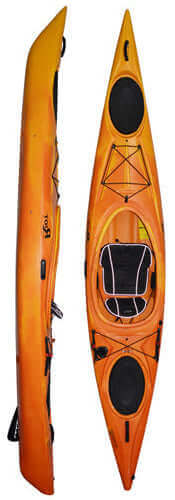
A skeg is a fin-like extension on the bottom of a boat or kayak. It resembles a vertical blade, often made of metal or plastic, enhancing stability and steering. Located at the rear, it helps maintain a straight course in water.
Its design varies depending on the vessel type.
Conclusion
Skeg kayaks offer stability and control in various water conditions. They help kayakers maintain direction, making paddling easier. Skegs are great for beginners and experts alike. Choosing the right skeg kayak depends on your needs and preferences. Consider water type and your skill level.
Explore different models and brands before purchasing. A skeg kayak can enhance your water adventures. Experience smoother rides and better navigation. Enjoy the freedom and beauty of kayaking with confidence. Find the perfect skeg kayak to suit your journey. Embrace the adventure and discover new waters today.