
Are you ready to take your kayak adventures to the next level? When you’re out on the water, the last thing you want is to drift away from that perfect fishing spot or lose your position amidst serene surroundings.
Choosing the right anchor size for your kayak can be the game-changer you never knew you needed. But with so many options out there, how do you decide what’s best for you? Imagine having the peace of mind knowing your kayak is securely anchored, allowing you to focus on the beauty around you or the fish beneath you.
We’ll simplify the process of selecting the perfect anchor size for your kayak, ensuring you make a decision that enhances your on-water experience. So, if you’re eager to anchor down your adventures safely and efficiently, keep reading to discover the key factors that will guide your choice.
Choosing The Right Anchor Size
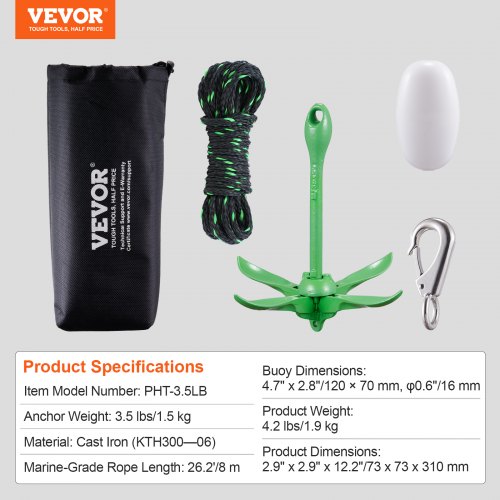
Choosing the right anchor size for a kayak ensures stability and safety during your adventure. Consider factors like water conditions and kayak weight. A lightweight anchor, around 1. 5 to 3 pounds, is often suitable for most kayaks.
Choosing the Right Anchor Size Selecting the correct anchor size for your kayak is crucial. It ensures stability and safety when you’re out on the water. The right anchor prevents unnecessary drift, giving you the confidence to explore new fishing spots or relax in serene locations without worry.Factors Influencing Anchor Size
Several factors come into play when choosing an anchor size. The weight and length of your kayak are fundamental considerations. A heavier kayak demands a more robust anchor to hold it steady against currents and winds. Water conditions are also significant. Calm lakes require smaller anchors than swift-moving rivers or coastal areas. Additionally, think about the type of bottom surface—mud, sand, or rocky areas all interact differently with anchors. Storage space on your kayak is another practical aspect. A large anchor might be effective but could take up valuable space, limiting your gear options.Common Mistakes In Anchor Selection
One common mistake is choosing an anchor that’s too heavy. It can make handling cumbersome and affect the kayak’s balance. An overly light anchor, on the other hand, might not hold in strong currents or winds. Ignoring water conditions can lead to poor performance. An anchor suited for lakes might fail in tidal waters. Don’t forget about anchor line length. A short line might not provide enough scope, reducing the anchor’s effectiveness. Always ensure your line is at least three times the water depth for optimal performance. Have you ever been caught drifting away from your favorite spot because of an inadequate anchor? It’s a lesson in understanding how critical the right size can be.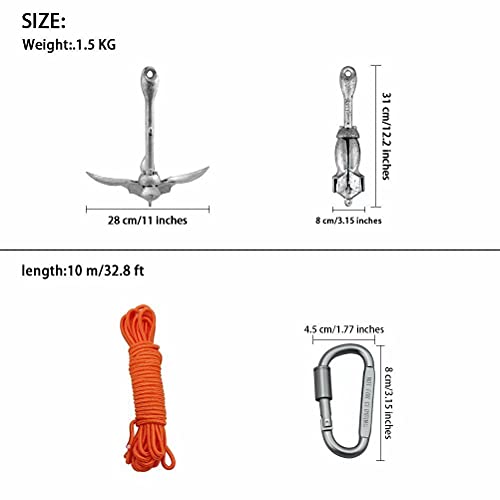
Credit: oman.whizzcart.com
Types Of Kayak Anchors
Choosing the right kayak anchor size is crucial for stability. Smaller anchors, around 1. 5 to 3 pounds, work well for calm waters. Larger anchors, up to 5 pounds, are better for strong currents or windy conditions.
When kayaking, choosing the right anchor is crucial for stability and safety on the water. With various types available, each offers unique benefits depending on the environment and conditions. Understanding these options can enhance your kayaking experience and ensure you stay put when needed.Fluke Anchors
Fluke anchors are known for their versatility and lightweight design. They perform exceptionally well in sandy and muddy bottoms, digging in and holding firmly. If you often paddle in coastal areas or lakes with soft beds, a fluke anchor can be your best ally. They are easy to store and deploy, making them a favorite among many kayak enthusiasts. However, they might not be as effective in rocky or heavily vegetated areas. Consider the typical terrain of your kayaking spots before settling on this type.Grapnel Anchors
Grapnel anchors are compact and foldable, ideal for kayakers who need to save space. These anchors feature multiple prongs that can latch onto rocky and coarse surfaces, providing a solid grip. Their design allows them to hold well in diverse environments, from rocky shorelines to areas with heavy weeds. However, they might get stuck if not carefully retrieved, so always ensure you have a plan for release.Mushroom Anchors
Mushroom anchors are best suited for calm waters with soft, muddy bottoms. Shaped like a mushroom, these anchors rely on weight and suction to hold your kayak in place. They are simple to use, making them a great option for beginners or those who kayak in ponds and slow-moving rivers. While they excel in soft conditions, they might struggle in harder substrates or strong currents. Choosing the right anchor involves assessing the typical conditions you’ll encounter on your adventures. Consider the terrain, water type, and storage space to find the anchor that best suits your needs. What type of anchor do you think would enhance your kayaking experience?Weight Considerations
Choosing the right size anchor for your kayak involves more than just picking up the first option you find. Weight is a critical factor that can make or break your kayaking experience. The weight of your anchor directly affects its holding power and ease of use.
Lightweight Anchors
Lightweight anchors are a great choice if you’re aiming for ease of use and portability. These anchors, often weighing between 1.5 to 3 pounds, are perfect for calm waters and sandy or muddy bottoms. They’re easy to handle and won’t take up much space in your kayak.
Imagine you’re paddling down a serene river, and you decide to stop for a quick lunch. A lightweight anchor allows you to effortlessly secure your kayak without breaking a sweat. But remember, they might struggle in windy conditions or fast currents.
Is the convenience worth the potential drift in rougher waters? That’s a question only you can answer based on your kayaking habits.
Heavy Anchors
Heavy anchors, typically over 3 pounds, provide more holding power, making them suitable for rougher conditions. They dig deeper into the substrate, offering greater stability in windy or choppy waters. This can be a lifesaver if you find yourself in an unexpected storm.
However, the trade-off is that heavier anchors can be cumbersome to manage. You might find yourself wrestling with your anchor more than you’d like after a long day on the water. Consider if the added security is necessary for your usual kayaking environment.
Are you willing to carry the extra weight for peace of mind? Balancing safety and convenience is key to choosing the right anchor for your kayak adventures.
Material And Durability
Choosing the right anchor for your kayak is essential. Material and durability are key factors in this decision. The anchor’s material affects its weight, durability, and effectiveness. Selecting the right material can ensure safety and stability. Let’s explore common materials used in kayak anchors.
Metal Anchors
Metal anchors are popular for their strength. They are often made from galvanized steel or aluminum. These metals resist rust, making them durable in water. Metal anchors are heavier, providing better hold in strong currents. But they might be too heavy for small kayaks. Consider the water conditions before choosing a metal anchor.
Plastic Anchors
Plastic anchors are lightweight and easy to handle. They are usually made from high-density plastic. This material is resistant to corrosion. Plastic anchors are suitable for calm waters. They are ideal for beginners due to their lightweight nature. But they may not hold well in strong currents. Evaluate your kayaking environment before selecting a plastic anchor.
Environmental Factors
The size of your kayak anchor is crucial. Environmental factors play a significant role in this decision. Understanding these factors ensures your kayak remains stable and secure.
Water Conditions
Water conditions can vary significantly. In calm waters, a smaller anchor may suffice. The anchor must hold firm during unexpected changes. For rough waters, a larger anchor is often necessary. It provides the extra grip needed for stability. Assess the water conditions before choosing your anchor size.
Wind And Current
Wind and current are powerful forces. They can shift your kayak unexpectedly. A strong wind demands a heavier anchor. It prevents drifting and maintains your position. Similarly, strong currents require a larger anchor. It counters the force of the moving water. Consider both wind and current to select the right anchor size.

Credit: www.boatfittings.co.uk
Anchor Line Length
Choosing the right anchor line length is crucial for a kayak. It ensures stability and safety in various water conditions. A line that is too short may not hold, while a line that is too long can be cumbersome. Understanding the ideal length can make your kayaking experience more enjoyable.
Standard Length Recommendations
For calm waters, a line length of 7 to 10 times the water depth is common. This helps the anchor grip the bottom effectively. Ensure the line is not too taut to avoid strain. A relaxed line allows the anchor to settle properly.
Adjusting For Conditions
Windy or choppy waters require longer lines. A line 10 to 15 times the water depth provides better hold. This prevents the kayak from drifting. Consider the current and wind speed when adjusting the line. A longer line gives more flexibility to adapt.
Installation And Usage Tips
Choosing the right size anchor for your kayak is crucial, but knowing how to install and use it effectively is equally important. Proper installation and usage ensure your kayak remains stable and secure in various water conditions. Let’s delve into some practical tips that will help you deploy and secure your anchor like a pro.
Proper Anchor Deployment
Deploying your anchor correctly starts with the understanding of the water conditions and the type of bottom surface. Whether it’s sand, mud, or rocks, your anchor needs to grip the surface effectively.
- Check the Water Depth:Before deploying, measure the water depth. An anchor line should be three times the depth of the water to ensure it holds firm.
- Position Your Kayak:Approach your desired spot slowly and position your kayak facing the wind or current. This helps the anchor dig in when deployed.
- Release the Anchor:Lower the anchor gently without throwing it. Tossing can cause tangles and ineffective holding.
Have you ever experienced drifting despite having an anchor? It might be due to improper deployment or mismatched anchor size. Ensuring your anchor is suited for the conditions can prevent such mishaps.
Securing Your Kayak
Once your anchor is deployed, securing your kayak involves more than just letting it hang. Proper anchoring requires attention to detail.
- Use an Anchor Trolley:An anchor trolley system allows you to adjust the anchor’s position along the side of your kayak, offering flexibility in changing wind or current.
- Tie Off Correctly:Secure the anchor line to a cleat or dedicated anchor point on your kayak. Avoid tying it to your seat or other unstable areas.
- Monitor the Conditions:Regularly check the anchor’s hold, especially if the weather changes unexpectedly.
Securing your kayak effectively can mean the difference between enjoying a relaxing day on the water and scrambling to maintain position. What steps do you take to ensure your kayak stays put?
Credit: www.amazon.com
Safety Precautions
Ensuring safety while using an anchor for your kayak is crucial. It’s not just about selecting the right size; it’s also about understanding how it impacts your overall kayaking experience. By prioritizing safety precautions, you can enjoy your time on the water without unnecessary risks.
Avoiding Drift
Drifting can pose significant risks, especially in areas with strong currents or winds. Choosing the right anchor size helps mitigate this. A heavier anchor may seem like the obvious choice, but it’s essential to balance weight with practicality. A bulky anchor can make handling cumbersome, especially during retrieval.
Consider conditions like water depth and bottom type. For example, sandy bottoms require anchors that dig in effectively, while rocky areas might necessitate a different approach. A smaller anchor with a more aggressive grip could offer more stability than a larger, less efficient one.
Have you ever found yourself drifting unexpectedly? It’s not just frustrating; it can be dangerous. Regularly check your anchor’s hold to ensure it’s secure and adjust accordingly.
Emergency Release Mechanisms
In emergencies, quick release systems can be lifesavers. Imagine being caught in a sudden storm or tangled in underwater debris. Being able to detach from your anchor swiftly can prevent accidents or capsizing.
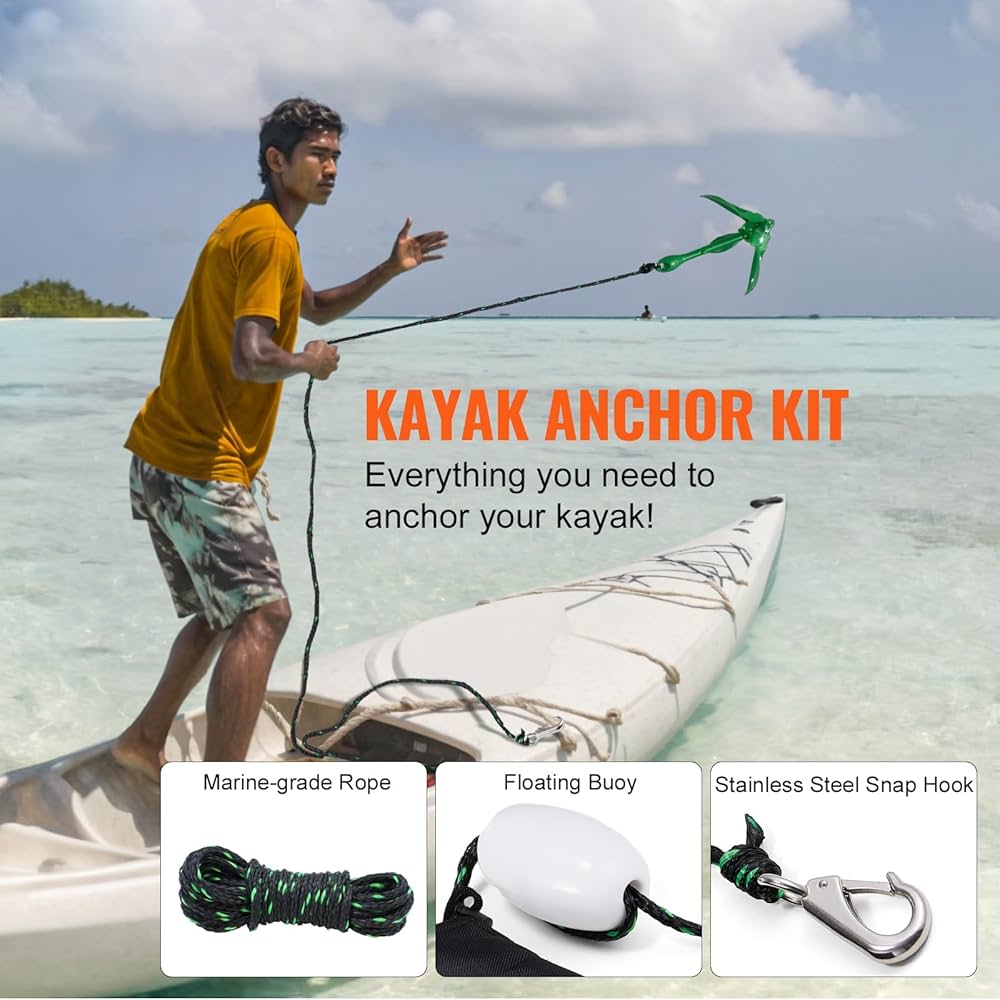
Look for anchors equipped with release systems that allow immediate detachment. Consider adding a float to your anchor line. This simple addition lets you retrieve your anchor later without losing it.
Have you tested your emergency release mechanism? It’s worth practicing in a controlled environment to familiarize yourself with the process. This small step can make a significant difference in real situations.
Frequently Asked Questions
Is 1.5 Lb Anchor Enough For Kayak Reddit?
A 1. 5 lb anchor may work for calm waters and light winds. In strong currents, use a heavier anchor. Consider factors like kayak size, water conditions, and bottom type for optimal anchoring. Always test your setup to ensure safety and effectiveness when kayaking.
How Do I Tell What Size Anchor I Need?
Determine anchor size by considering load weight, material, and application. Consult manufacturer guidelines for specifics.
Is A 10 Lb Anchor Enough?
A 10 lb anchor is often suitable for small boats under 20 feet. Consider water conditions and boat size for effectiveness. Heavier anchors provide more security in strong currents or windy conditions. Always evaluate specific needs to ensure safe anchoring.
How Much Weight Will A 10 Ft Kayak Hold?
A 10 ft kayak typically holds between 250 to 400 pounds, depending on design and materials. Always check the manufacturer’s specifications for accurate capacity. Proper weight distribution ensures stability and safety on the water. Consider gear and personal weight when calculating total load.
Conclusion
Choosing the right anchor size matters for kayak stability. A small anchor may drift, while a large one adds weight. Consider kayak size, water conditions, and your needs. Test different anchors to find the best fit. Proper anchoring ensures safety and enhances your kayaking experience.
Remember, balance is key. Always prioritize your safety and comfort on the water. With the right anchor, enjoy a stable and enjoyable adventure. Explore with confidence, knowing your kayak stays secure. Happy kayaking!





