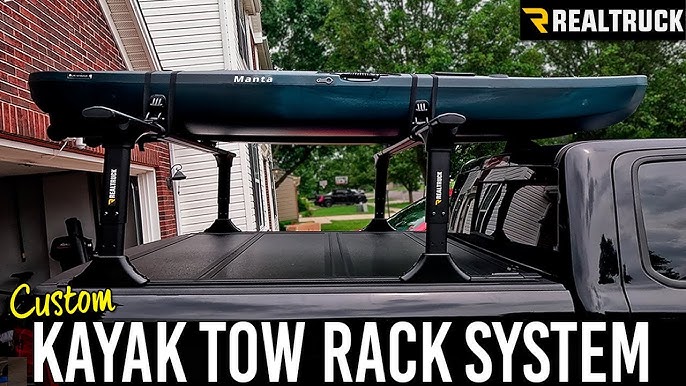
Are you ready to hit the road with your kayak securely in tow? Whether you’re heading to a serene lake or a rushing river, knowing how to tie down your kayak in your truck bed is crucial for a safe and stress-free journey.
Imagine cruising down the highway without a single worry about your kayak shifting or falling out. Sounds perfect, right? In this guide, you’ll discover easy-to-follow steps that ensure your kayak stays put. No more fretting about potential damage or accidents.
By the time you finish reading, you’ll have the confidence and know-how to secure your kayak like a pro. So, let’s dive in and make your next adventure seamless and worry-free!

Credit: www.reddit.com
Choosing The Right Equipment
Choosing the right equipment for securing your kayak in the truck bed is crucial for a safe and stress-free journey. Imagine the peace of mind you’ll have knowing your kayak is firmly held in place, ready for the adventure ahead. This involves selecting the best straps and tie-downs and considering the use of truck bed accessories to enhance security and ease of transportation.
Straps And Tie-downs
Securing your kayak starts with selecting the right straps and tie-downs. Opt for high-quality ratchet straps or cam buckle straps as they offer durability and ease of use. Ratchet straps are particularly great for those who want a firm hold without much effort, while cam buckle straps are ideal for quick and easy adjustments.
Consider the length of the straps. They should be long enough to wrap around your kayak and anchor points securely, but not so long that they become cumbersome. Look for straps with a soft finish to prevent scratching the kayak’s surface.
Ever faced a strap snapping mid-drive? That’s a nightmare you can avoid by checking the weight capacity of your straps. Ensure they can handle the weight of your kayak, especially if you’re transporting more than one.
Truck Bed Accessories
Truck bed accessories can make a world of difference in how securely your kayak is tied down. Bed extenders are perfect if your kayak is longer than your truck bed, offering additional support and reducing overhang. These extenders can be adjusted to match the length of your kayak, ensuring a snug fit.
Consider using bed liners or mats to protect both your truck and kayak from scratches and dents. These liners also provide an anti-slip surface, ensuring your kayak stays in place even on bumpy roads.
Have you ever thought about using a cargo net? This simple addition can provide an extra layer of security, keeping everything in place. It’s an often-overlooked accessory that can save you from unexpected stops to readjust your load.
By focusing on the right equipment, you can transform your kayaking trips into seamless adventures. What equipment has made a difference in your kayaking journey?
Preparing Your Kayak
Secure your kayak with sturdy straps to prevent movement during transport. Position the kayak properly in the truck bed for stability. Attach straps to anchor points in the truck bed, ensuring a tight fit.
Preparing your kayak for transport is crucial to ensure a safe and hassle-free journey. Before securing it in the truck bed, taking a few preparatory steps can make all the difference. Imagine arriving at your destination only to find your kayak damaged due to improper preparation. Let’s make sure that doesn’t happen.Cleaning And Inspection
Start by giving your kayak a good clean. Remove any dirt, sand, or debris that might have accumulated during your last adventure. A clean kayak is not only more pleasant to handle but also less likely to cause scratches to your truck bed. Inspect your kayak thoroughly. Look for any cracks or weak spots that might need attention. A small crack can lead to bigger issues if left unchecked, especially during transport. Consider your kayak’s attachments and accessories. Are they securely fastened? This includes handles, straps, and any other components that might come loose during travel.Positioning In The Truck Bed
Think about how you’ll position your kayak in the truck bed. The ideal placement is often parallel to the length of the truck bed to maximize stability. Choose a spot where the kayak won’t shift around easily. You want it snug but not so tight that it risks damage from pressure points. Make use of any padding materials you have. Adding padding underneath can prevent scratches and absorb shocks during transit. Are there other items in your truck bed? Arrange them to avoid movement that could impact the kayak’s position. A clutter-free truck bed can make all the difference in keeping your kayak safe. By taking these preparatory steps, you’re not just securing your kayak—you’re safeguarding your adventure. Have you ever considered how these small preparations could save you from bigger headaches later on?Securing The Kayak
Securing a kayak in a truck bed involves using sturdy straps to keep it stable. Position the kayak diagonally to maximize space. Fasten the straps tightly through the kayak’s handles and truck’s anchor points for a safe journey.
Securing the kayak in your truck bed is crucial to ensure a safe and worry-free journey. Whether you’re heading to a serene lake or a challenging river, knowing your kayak is firmly tied down allows you to focus on the adventure ahead. Let’s dive into effective methods to secure your kayak, maximizing both safety and peace of mind.Using Ratchet Straps
Ratchet straps are an essential tool for securing your kayak. They provide a tight and adjustable hold, ensuring your kayak stays in place during transit. Start by placing the kayak in the center of the truck bed with the cockpit facing up. – Loop the ratchet strap over the kayak and attach the hooks to the tie-down points in your truck bed. – Tighten the strap by using the ratchet mechanism until the kayak is snug but not overly compressed. – Check the tension by giving the kayak a firm shake. If it moves, tighten the straps further. Using ratchet straps is straightforward, but it’s important to ensure they are not twisted as this could affect their strength. Have you ever had a strap come loose mid-journey? Double-checking their placement can prevent such mishaps.Cross-tie Method
The cross-tie method provides additional stability, especially for longer trips or rough roads. This technique involves securing the kayak at multiple points, creating a stable cross-pattern. – Begin by anchoring one end of the strap to the front tie-down point of your truck bed. – Run the strap diagonally across the kayak and secure it to the opposite rear tie-down point. – Repeat on the other side to form an “X” pattern over the kayak. This method distributes the holding force more evenly, minimizing the risk of the kayak shifting. Have you ever considered how road vibrations can loosen straps? The cross-tie method addresses this by providing extra security. Securing your kayak effectively means less stress and more fun on your outdoor adventures. With the right techniques, you can ensure your kayak arrives safely, ready for action.Safety Measures
Securing kayaks in a truck bed requires strong straps and anchor points. Ensure the kayak is centered and balanced. Tighten straps securely to prevent movement during transport, checking all connections. Properly tied down kayaks ensure a safe and worry-free trip.
When you’re transporting kayaks in a truck bed, safety should be your top priority. Properly securing your kayaks ensures not only their safety but also the safety of everyone on the road. Taking the right precautions can prevent accidents and damages, saving you from unnecessary hassles. Let’s dive into some essential safety measures to keep in mind when tying down your kayaks.Checking For Stability
Before hitting the road, it’s crucial to check the stability of your kayak. A stable kayak is less likely to shift during transit. Ensure that the kayak is resting flat on the truck bed and is evenly distributed. You may want to give it a gentle shake—if it wobbles significantly, you might need to adjust its position or add extra padding for support. Consider using foam blocks or pool noodles to cushion the kayak and provide added stability. This extra layer can prevent scratches on your kayak and truck bed while securing a firm hold.Avoiding Over-tightening
While it’s important to secure the kayak tightly, over-tightening can lead to problems. Excessive force can damage the kayak’s hull or warp its shape. Use ratchet straps with care, tightening them just enough to hold the kayak securely without putting undue pressure on it. Think of the straps as a seatbelt—snug enough to prevent movement, but not so tight that it causes discomfort or damage. Regularly check the tension during your trip, especially if you’re traveling long distances. A quick stop can allow you to adjust them if necessary. Remember, the goal is to keep your kayak secure without compromising its structural integrity. What other precautions do you take when transporting your kayak?Transporting Multiple Kayaks
Securing kayaks in a truck bed involves using strong straps to keep them stable during transport. Place the kayaks side by side, ensuring they are balanced. Use cam straps or ratchet straps to tie them down tightly, looping through the truck’s anchor points for added security.
Transporting multiple kayaks in a truck bed requires careful planning. Ensuring the safety of your kayaks is crucial. With the right techniques, you can transport them securely. Below, we’ll explore some effective methods.Stacking Techniques
Stacking kayaks can save space. Place the first kayak upside down. This position helps balance the weight better. Then, place the second kayak right-side up on top. This technique prevents sliding during transit. Use foam blocks to protect the kayaks from scratches. These blocks also help distribute weight evenly. Secure both kayaks with straps. Ensure the straps are tight but not overly so.Additional Support
Additional support can enhance stability. Use a bed extender for extra length. This tool gives more support to longer kayaks. Install a tailgate pad to cushion the kayaks. It prevents damage to both the truck and kayaks. Consider using a hitch-mounted rack. This adds more security and prevents movement. Always double-check all ties before driving. Safety checks ensure a smooth journey for your kayaks.
Credit: www.santacruzforums.com
Driving Precautions
Secure kayaks in a truck bed by using strong straps and anchor points. Position the kayak evenly, ensuring stability. Tighten the straps to prevent movement during transport.
Driving Precautions Transporting kayaks in a truck bed demands safety on the road. Proper precautions ensure smooth travel without mishaps. Understanding driving precautions helps protect your kayak and vehicle. Pay attention to speed, route, and traffic conditions.Speed Considerations
Speed plays a crucial role in safe kayak transport. Slow down to prevent swaying or shifting. Avoid sudden acceleration to maintain stability. Gradual speed changes keep the kayak secure. High speeds increase risk of accidents and damage. Drive slower, especially on rough roads.Route Planning
Planning your route enhances safety and efficiency. Choose paths with less traffic and fewer turns. Avoid routes with sharp curves and narrow lanes. Consider road conditions; avoid construction zones. Use GPS to find optimal paths. Plan for stops if traveling long distances.
Credit: www.reddit.com
Frequently Asked Questions
How Far Can A Kayak Hang Out Of A Truck Bed?
Kayaks can extend up to 4 feet beyond the truck bed legally. Use red flags or lights for visibility. Always check local regulations for specific requirements, as they may vary. Secure your kayak properly to avoid accidents or damage during transport.
Can You Add Tie Downs To A Truck Bed?
Yes, you can add tie downs to a truck bed. Use anchor points or install aftermarket tie-down systems. Ensure proper installation for safety and stability during transport. Always choose high-quality materials for durability and effectiveness. Consider professional help for installation if needed.
What Is The Best Way To Tie Down A Kayak?
Use cam straps to secure the kayak to your car’s roof rack. Ensure straps are tight and evenly distributed. Add bow and stern lines for extra stability. Avoid using bungee cords, as they can stretch and loosen. Always check the kayak’s security before driving.
Should Kayaks Be Transported Up Or Down?
Transport kayaks facing downward to prevent wind damage and ensure stability. Use kayak racks for secure transport.
Conclusion
Tying down kayaks in a truck bed is straightforward with practice. Use strong straps for safety. Secure the bow and stern tightly. Double-check knots to prevent movement. Follow these steps to ensure your kayak stays secure. This keeps your kayak safe during transit.
Enjoy a stress-free drive to your destination. Remember, practice makes perfect. With time, you’ll tie down your kayak quickly. Happy kayaking adventures await. Safe travels!