
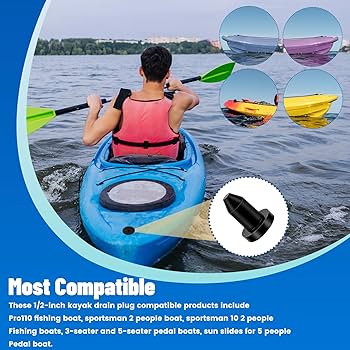
Have you ever wondered what those tiny holes on your kayak are for? You’re not alone.
Many paddlers find themselves puzzled by these small yet significant features. They’re called scuppers, and they play a crucial role in your kayaking experience. Understanding scuppers can be the difference between an enjoyable paddle and a soggy adventure. You’ll discover why scuppers are essential, how they enhance your kayaking experience, and what you need to know to make the most of them.
Dive into this read and uncover the secrets that could transform your next outing on the water!
Purpose Of Scuppers
Scuppers on a kayak are essential for draining water and keeping the interior dry. These small holes prevent water accumulation, ensuring a safe and stable kayaking experience. Paddle with confidence knowing scuppers maintain buoyancy and comfort.
When you first hop into a kayak, you might notice some small holes strategically placed throughout the base. These are scuppers, and they play a critical role in ensuring a safe and enjoyable kayaking experience. Understanding their purpose can enhance your appreciation for this ingenious design feature.What Are Scuppers?
Scuppers are essentially self-bailing holes found in sit-on-top kayaks. They’re designed to drain water out of the cockpit area. This prevents you from sitting in a pool of water while paddling.Keeping You Dry
The primary purpose of scuppers is to keep you and the kayak’s interior dry. As water splashes over the sides or rain fills the cockpit, these holes allow it to flow back out. This means you can paddle without constantly having to empty water manually.Enhancing Stability
Scuppers also play a role in maintaining kayak stability. By allowing water to drain, they prevent the kayak from becoming heavy and sluggish. This ensures that you can maneuver swiftly and efficiently, even in challenging conditions.Aiding In Safety
In rough waters, scuppers can be a lifesaver. They prevent water from accumulating and potentially causing the kayak to capsize. This feature provides peace of mind, knowing that your kayak is designed to handle unexpected water influxes.Improving Performance
Waterlogged kayaks are slower and harder to paddle. Scuppers ensure that excess water doesn’t weigh you down, improving your speed and performance. This means you can focus more on enjoying the journey and less on battling against the elements.Addressing Common Concerns
Some beginners worry that scuppers might let water in instead of out. In reality, they’re designed with a one-way function that usually prevents this. However, scupper plugs can be used if you’re concerned about water coming in during calm conditions. In my early kayaking days, I wondered why my kayak had holes in it—wasn’t that counterproductive? But after a couple of splashy rides, I realized just how crucial they were in keeping me dry and afloat. Have you ever wondered what small design features could significantly improve your outdoor adventures? Understanding the purpose of scuppers might just change how you see your kayak.
Credit: www.amazon.com
How Scuppers Work
Scuppers on a kayak are small holes designed to drain water from the deck. They keep the kayak stable and dry by allowing water to flow out naturally. This feature is crucial for maintaining balance and safety while paddling.
Kayaking offers a thrilling way to explore water bodies. Scuppers play a vital role in keeping kayakers dry. Understanding how scuppers work can enhance your kayaking experience. They are not just holes; they are a smart design feature.What Are Scuppers?
Scuppers are drain holes on a kayak. They are usually found in sit-on-top kayaks. Their main job is to drain water. Water that splashes in can flow out through them.How Do Scuppers Function?
Scuppers use gravity to remove water. When water enters the kayak, it finds its way to these holes. The downward slope aids in the drainage process. This keeps the kayak from filling up with water.Importance Of Scuppers
Scuppers prevent water accumulation. They are crucial during rough paddling. Without them, water can collect and affect stability. They help maintain balance and safety on the water.Scupper Plugs
Scupper plugs can block these holes. They are handy when you want a dry ride. But be cautious. Blocking scuppers can trap water inside. Use them wisely based on weather and water conditions.Maintenance Tips For Scuppers
Keep scuppers clean for efficient drainage. Check them for obstructions regularly. Dirt or debris can block them. A simple rinse can ensure they function well.Types Of Scuppers
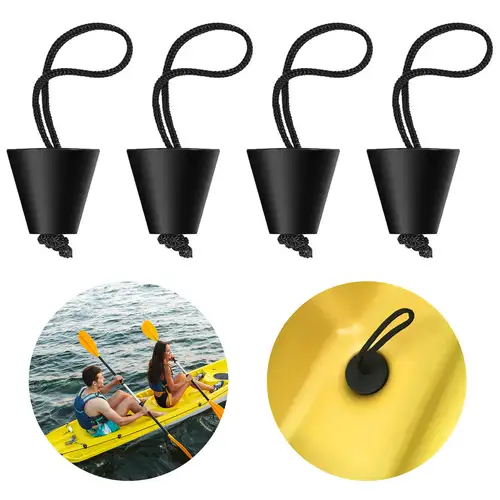
Scuppers on a kayak are small drainage holes designed to let water out. They come in various types like molded-in, adjustable, and scupper plugs. Molded-in scuppers are built into the kayak, while adjustable ones can be opened or closed. Scupper plugs are removable and used to block water entry.
Understanding the different types of scuppers on a kayak can significantly enhance your paddling experience. Scuppers play a crucial role in draining water from the kayak, ensuring a safer and drier adventure. Depending on your needs and kayaking style, you might find yourself drawn to one type over another.Self-bailing Scuppers
Self-bailing scuppers are a popular choice for many kayakers. These are designed to automatically drain water from the cockpit without any manual effort. Picture yourself paddling through choppy waters; with self-bailing scuppers, water that splashes into the kayak is quickly expelled through the scupper holes. These scuppers are ideal for sit-on-top kayaks, where staying dry is essential. They use gravity and the kayak’s movement to push water out. However, you might occasionally find small amounts of water in the cockpit, especially if you’re not moving.Manual Scuppers
Manual scuppers require a bit more effort but offer greater control over water drainage. These are perfect for those who prefer having the option to manage water levels in their kayak. Imagine you’re on a calm lake, and you notice water pooling at your feet; with manual scuppers, you decide when to let water out. Typically, these involve plugs or valves that you can open and close as needed. This type is often used on kayaks where precision and control are prioritized. It’s particularly useful if you’re carrying gear that you want to keep dry, as you can decide when to empty the cockpit. Each type of scupper has its pros and cons, aligning with different kayaking environments and personal preferences. Have you ever thought about how your choice of scuppers could change your kayaking experience? Whether you prefer the ease of self-bailing or the control of manual scuppers, understanding these options can help you select the best kayak setup for your adventures.Benefits Of Using Scuppers
Scuppers on a kayak are essential for enhancing your paddling experience. They are small drain holes designed to let water escape from your kayak, keeping you dry and balanced. Understanding the benefits of using scuppers can transform your kayaking adventures, making them safer and more comfortable.
Enhanced Safety
Scuppers are vital for maintaining safety on the water. They prevent water from accumulating inside the kayak, which can make it unstable. Imagine paddling through a sudden wave, and your kayak starts filling with water—scuppers quickly drain that water away, reducing the risk of capsizing.
This feature is particularly beneficial in choppy waters or during unexpected rain. You can focus on enjoying your adventure, knowing that scuppers are silently working to keep you afloat and stable.
Improved Comfort
Comfort is key to an enjoyable kayaking experience, and scuppers play a crucial role here. By keeping the seating area dry, scuppers ensure you remain comfortable throughout your journey. No one likes sitting in a puddle while trying to enjoy the serenity of nature.
Additionally, a dry kayak means less weight and easier paddling. Your arms will thank you for it after a long day on the water. Have you ever noticed how much more enjoyable paddling is when you’re dry and comfortable?
Next time you’re out on your kayak, pay attention to the difference scuppers make. They might just be small holes, but they have a big impact on your overall kayaking experience.
Maintaining Scuppers
Scuppers are essential drain holes on a kayak’s deck, designed to release water. Regularly check and clean them to ensure efficient drainage and maintain kayak performance.
Maintaining Scuppers Maintaining the scuppers on your kayak is essential for ensuring a safe and enjoyable paddling experience. These small openings are crucial for draining water from your kayak, keeping you buoyant and balanced. Proper maintenance can extend the life of your kayak and enhance your time on the water.Regular Cleaning
Keeping your scuppers clean is key to their functionality. Debris like leaves, mud, or small stones can block these drains, affecting their performance. Use a small brush or even an old toothbrush to regularly clear out any obstructions. After each trip, take a moment to rinse your kayak, paying special attention to the scuppers. Saltwater, sand, and other residues can build up, so a quick rinse helps maintain optimal drainage. You might even consider using a hose with a spray nozzle for a more thorough clean.Inspecting For Damage
It’s important to regularly check your scuppers for any signs of damage. Cracks or wear can compromise their ability to drain water effectively. If you notice any issues, address them promptly to prevent further damage. Consider using a flashlight to inspect the scuppers from inside the kayak. Sometimes, damage isn’t visible from the outside. If repairs are needed, you can use a kayak repair kit, which is readily available at most outdoor stores. Neglecting these simple maintenance steps can lead to bigger problems later. Have you ever found yourself in a tricky situation because of blocked scuppers? Taking a few minutes to care for them can make a world of difference.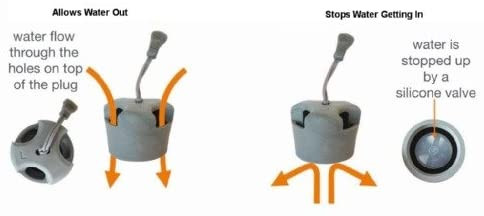
Credit: masdmediterraneo.com
Common Issues
Kayaking enthusiasts know the joy of gliding through water effortlessly, but maintaining your kayak’s scuppers is crucial for smooth sailing. Scuppers, those small holes in the kayak’s hull, are designed to drain water but can sometimes present issues that disrupt your aquatic adventures. Understanding these common problems can keep you afloat and enjoying your time on the water.
Blockages
Blockages in scuppers can be a real headache. Imagine paddling out, only to find water pooling inside your kayak. Sand, leaves, and even small debris can clog these drainage holes, turning your relaxing trip into a soggy affair. Regularly checking and clearing scuppers can prevent this annoyance. A small brush or pipe cleaner can be your best friend in keeping these passages clear.
Have you ever been out on a beautiful day, only to have your kayak feel sluggish due to water buildup? This can be due to blocked scuppers. Always inspect your kayak before heading out to avoid unexpected delays.
Leaks
Leaks around scuppers are another common issue. If you notice water seeping into your kayak, it might be due to cracks or poorly sealed scuppers. These leaks can compromise your kayak’s buoyancy and stability, which is not something you want when you’re far from shore. Regular maintenance and inspections are key to identifying leaks early.
Think about the last time you enjoyed a peaceful paddle. Imagine that serenity interrupted by an unexpected leak. Wouldn’t it be frustrating? To avoid this, consider sealing any gaps or cracks with waterproof sealant periodically.
Addressing these common scupper issues can ensure your kayak remains a reliable companion on your journeys. How do you typically maintain your kayak to prevent such problems? Share your tips and experiences to help fellow paddlers stay dry and happy.
Choosing The Right Kayak
Choosing the right kayak can be a game-changer for your paddling adventures. Whether you’re a seasoned kayaker or a beginner, the kayak you select can significantly impact your experience on the water. A crucial aspect to consider is the design of the scuppers, the small holes that play a big role in keeping your kayak dry and stable.
Assessing Your Needs
Think about where you’ll be using your kayak. Are you planning to paddle on calm lakes, or are you drawn to the thrill of ocean waves? Your intended use will guide your choice.
Consider your kayaking goals. Are you looking for speed and agility, or is stability and comfort your priority? Each type of kayak offers different benefits.
Also, take into account your experience level. As a beginner, you might prefer a kayak with more stability, while experienced paddlers might prioritize maneuverability.
Considering Scupper Design
Scupper design can make or break your kayaking experience. Scuppers are essential for draining water from the cockpit, and their placement and size can affect how efficiently they work.
Explore kayaks with different scupper placements. Some designs feature scuppers closer to the seat, providing quicker drainage when paddling through waves or rapids.
Think about the climate you’ll be kayaking in. Larger scuppers might be beneficial in warmer climates for faster drainage, while smaller ones could be preferable in cooler areas to minimize water splashing in.
What do you prioritize more – a dry ride or quick drainage? Reflecting on this can steer you toward the best scupper design for your needs.
Balancing scupper design with your kayaking goals can enhance your overall experience. Take your time to test different options and see which suits you best.
Credit: www.temu.com
Frequently Asked Questions
What Is The Purpose Of A Scupper?
A scupper drains water from roofs, decks, or other flat surfaces, preventing water accumulation and potential damage. It ensures proper water flow away from structures, protecting them from leaks and structural issues. Scuppers are essential for effective water management in building design.
Can You Stop Water Coming In Your Kayak With Scupper Plugs?
Scupper plugs effectively block water from entering through scupper holes in your kayak. They enhance buoyancy and keep you dry. Using scupper plugs is ideal for calm waters or when you need extra stability and comfort during kayaking. Always check for a snug fit to ensure maximum protection.
Do I Need Scupper Plugs For My Sit-on-top Kayak?
Scupper plugs help keep your sit-on-top kayak dry by blocking water entry through scupper holes. They are essential for rough conditions or if you prefer a drier ride. Without them, water can enter, making the kayak heavier and affecting performance.
Consider your environment and comfort preferences before deciding.
What Are The Holes For In The Bottom Of A Kayak?
The holes in the bottom of a kayak are called scupper holes. They allow water to drain out, ensuring stability and buoyancy. These holes prevent the kayak from filling with water, especially in rough conditions, enhancing safety. Scupper plugs can be used to block them when needed.
Conclusion
Scuppers are vital for a kayak’s drainage. They keep water out, enhancing safety. Without them, kayaking becomes risky. Always check scuppers before heading out. Clean them regularly to prevent blockages. This ensures a smooth kayaking experience. Every kayaker should understand scuppers’ role.
It boosts confidence on water. Next time, notice how they work. Appreciate their simple, clever design. A small feature making a big difference. Enjoy safer, drier adventures. Happy kayaking!





