
Picture yourself gliding across serene waters, paddle in hand, soaking up the beauty of nature. Kayaking is an adventure that promises tranquility and excitement, all while keeping you active.
But if you’re planning a trip, you might wonder: how long does it take to kayak 3 miles? Understanding this can help you plan better, ensuring your outing is both enjoyable and safe. You might be surprised at the factors that influence your journey, from the speed of your strokes to the water conditions.
By the end of this article, you’ll be equipped with insights to make your kayaking experience smooth and memorable. Get ready to dive into the nitty-gritty details that will transform your next trip into an unforgettable adventure. You’ll find that knowing the time it takes to cover 3 miles is more than just numbers; it’s about enhancing your overall experience on the water.
Factors Affecting Kayak Speed
Kayak speed is influenced by paddle strength, wind, and water conditions. Faster currents and strong winds can decrease the time needed to kayak 3 miles. A skilled paddler can navigate efficiently, potentially reducing travel time significantly.
Kayaking three miles can be an exciting adventure. But how long it takes depends on several factors. Understanding these factors can help you plan better and enjoy your journey.Water Conditions
Water conditions play a big role in kayak speed. Calm waters usually mean faster travel. Rough or choppy waters can slow you down. Lakes and rivers may have different water conditions. Checking water conditions before kayaking is important. This ensures a smoother trip.Wind And Weather
Wind can either help or hinder your kayaking. A tailwind can push you forward, increasing speed. A headwind can work against you, slowing progress. Weather changes can impact your trip too. Rain can make waters rougher. Sunny days can make paddling easier. Always check the forecast before heading out.Current And Tides
Currents can greatly affect your kayaking speed. Paddling with the current can boost your pace. Going against it can make the trip longer. Tides are crucial if kayaking in coastal areas. High tides might cover more ground quickly. Low tides can expose obstacles. Understanding these factors helps in planning your route.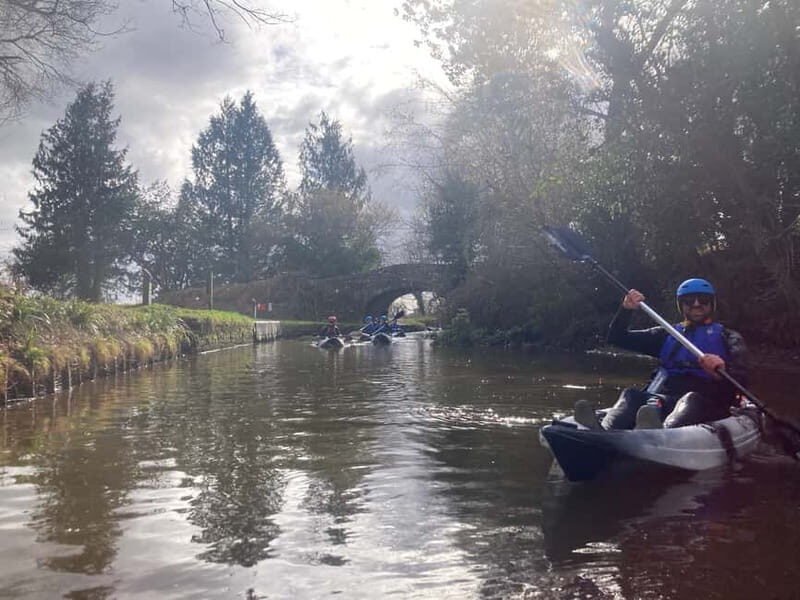
Credit: theabroadguide.com
Kayak Types And Their Speed
Different types of kayaks affect how long it takes to paddle 3 miles. Racing kayaks are faster, while recreational ones are slower. Consider kayak type when estimating time for a 3-mile journey.
Kayaking is a fantastic way to connect with nature and get a great workout. But when you’re planning to kayak 3 miles, the type of kayak you use can make a significant difference in your journey. Each kayak type offers unique speed and handling characteristics that can affect how long it takes to cover the distance. Let’s dive into how different kayaks perform in the water.Recreational Kayaks
Recreational kayaks are designed for casual paddlers. They’re stable and easy to maneuver, making them perfect for beginners. However, their wider shape and shorter length mean they aren’t built for speed. If you’re using a recreational kayak, expect to paddle at a leisurely pace. Typically, you might cover 3 miles in about 90 minutes to 2 hours. This is ideal if you’re enjoying a scenic route and taking in the sights.Touring Kayaks
Touring kayaks are built for longer distances and more efficient paddling. Their sleek, elongated design helps them glide smoothly through the water, enabling faster speeds. When you’re in a touring kayak, you can expect to cover 3 miles in roughly 60 to 75 minutes. This makes them a great choice if you’re looking to balance speed with comfort over longer journeys.Racing Kayaks
Racing kayaks are all about speed. They’re lightweight and narrow, designed to cut through the water with minimal resistance. If you’re paddling a racing kayak, you could complete 3 miles in as little as 30 to 45 minutes. This is perfect if you’re aiming to challenge yourself or compete in kayaking events. However, they require more skill to handle due to their less stable nature. So, when choosing your kayak, think about what kind of experience you want. Are you in it for a casual paddle, a longer expedition, or are you trying to beat the clock? Your choice will shape your kayaking adventure.Skill Level And Experience
Kayaking 3 miles varies by skill level and experience. Beginners might take longer, around 90 minutes. Experienced paddlers could complete it in 45 minutes or less.
Skill Level and Experience The time it takes to kayak 3 miles can vary significantly depending on your skill level and experience. Understanding your proficiency helps set realistic expectations and enhances your kayaking experience. Whether you’re a beginner just dipping your paddle into the water or an experienced kayaker navigating through challenging currents, each level requires different techniques and endurance.Beginner Paddlers
If you’re new to kayaking, paddling 3 miles might seem daunting, but it’s an achievable goal. Beginners often paddle at a slower pace, averaging around 2 to 2.5 miles per hour. This means it could take anywhere from 1 to 1.5 hours to cover 3 miles. At this stage, focus on building your stamina and mastering basic paddle strokes. Taking breaks is crucial to prevent fatigue and maintain energy throughout your journey. Remember, every paddle stroke adds to your experience, so enjoy the process and the beautiful surroundings.Intermediate Kayakers
As you gain more experience, you’ll notice improvements in speed and efficiency. Intermediate kayakers often paddle between 3 to 4 miles per hour, reducing the time needed to cover 3 miles to about 45 minutes to an hour. With better control and technique, you can handle slight currents and winds without a hitch. You might even try timing yourself to track progress and set personal goals. Ever thought about joining a kayaking group? It can be a great way to learn new skills and challenge yourself.Advanced Techniques
For seasoned kayakers, advanced techniques can significantly improve speed and efficiency. Experienced paddlers can often maintain speeds over 4 miles per hour, completing the 3-mile distance in less than 45 minutes. Have you tried refining your paddle stroke for maximum efficiency? Small tweaks, like adjusting your hand positioning and body rotation, can make a huge difference. Additionally, understanding water conditions and using them to your advantage can further enhance your kayaking experience. Whether you’re just starting or have paddled countless miles, recognizing your skill level can help you set realistic goals and fully enjoy the journey. What new technique will you try on your next kayaking adventure?Physical Fitness And Endurance
Kayaking 3 miles can be a thrilling adventure, but your physical fitness and endurance play a crucial role in how quickly and comfortably you complete the journey. The time it takes isn’t just about the water conditions or the kayak’s type; your body’s stamina and strength are significant factors. Building your fitness level is key to not only improving your speed but also enhancing your overall kayaking experience.
Impact Of Fitness
Your fitness level directly affects your kayaking speed. A well-conditioned body allows you to paddle more efficiently and with greater power. If you’re in good shape, you’ll find that maintaining a steady pace over 3 miles is much easier.
Even a basic routine of regular cardio, like jogging or cycling, can significantly boost your endurance. Strengthening your core and upper body with exercises such as planks and push-ups can also make a noticeable difference. How fit are you currently, and what steps can you take to improve?
Training For Speed
Training specifically for speed can shave precious minutes off your kayaking time. Interval training, where you alternate between high-intensity paddling and slower recovery periods, is effective. This method not only builds your cardiovascular fitness but also mimics real kayaking conditions.
Consider setting small, achievable goals such as reducing your 3-mile time by a minute each month. Tracking your progress can be highly motivating and helps you identify areas for improvement. Remember, consistency is key, and every little effort counts in your journey to becoming a faster kayaker.
Environmental Considerations
Weather and water conditions significantly affect kayaking time for a 3-mile journey. Strong winds or currents can slow progress, while calm conditions allow quicker travel. Environmental factors should always be considered when planning a kayaking trip for safety and efficiency.
Environmental considerations play a crucial role in kayaking adventures. Whether you’re paddling through serene lakes or rushing rivers, understanding the environment can enhance your experience. Being aware of what surrounds you helps make your journey safe and enjoyable.Wildlife And Nature
Kayaking offers a close-up view of wildlife. Birds might soar above, and fish may swim below. Always respect the animals and their habitats. Avoid disturbing nesting areas or feeding spots. Nature is unpredictable, but awareness keeps you prepared. Listen for sounds and watch for movements. They can signal animal activity. A camera captures memories without intruding on nature.Safety Precautions
Safety is key in any outdoor activity. Weather conditions affect kayaking. Wind can change your course, and storms can be dangerous. Check forecasts before setting out. Wear a life jacket for protection. It keeps you afloat if you capsize. Familiarize yourself with the waterway. Know the currents and obstacles. They can surprise you and challenge your skills. Always kayak with someone. Solo trips increase risk, especially in unfamiliar waters.Estimating Time For 3 Miles
Kayaking 3 miles typically takes 60 to 90 minutes, depending on water conditions and paddler experience. Calm waters and skilled kayakers often complete this distance faster.
Estimating Time for 3 Miles Embarking on a 3-mile kayaking adventure is a thrilling yet manageable challenge for enthusiasts of all skill levels. Understanding how long it takes to kayak this distance can help you plan your trip more effectively. It’s not just about paddling; it’s about factoring in various elements that can influence your pace and overall experience.Average Time Range
The average time to kayak 3 miles generally falls between 60 to 90 minutes. This is based on a moderate paddling speed of around 2 to 3 miles per hour. Consider the pace you find comfortable, as it will impact your experience. If you’re a beginner, you might lean towards the slower end of the spectrum, while seasoned kayakers might complete the journey faster. Think about how a leisurely pace allows you to enjoy the scenery and take breaks. Would you prefer to rush through or savor the journey?Adjusting For Conditions
Weather and water conditions can significantly alter your kayaking speed. Calm waters with a gentle breeze might help you maintain a steady pace. On the other hand, strong winds or currents can slow you down, requiring more effort and time to complete 3 miles. Remember the time you underestimated the wind’s impact on your kayaking pace? Preparing for such conditions can make your adventure more enjoyable. Consider the kayak type and your physical condition. Do you have the stamina for a long paddle, or do you need extra breaks? A lightweight kayak may glide more easily, while a heavier one might slow you down. Tailor your expectations based on your equipment and personal endurance.Expert Tips For Faster Kayaking
Kayaking three miles can be an exhilarating experience, but what if you want to shave off some time and enjoy a faster ride? Whether you’re a seasoned paddler or a beginner looking to improve, there are expert strategies you can employ to enhance your kayaking speed. Let’s dive into some practical tips that will have you gliding through the water with ease.
Improving Technique
Your paddling technique can significantly impact your speed. Focus on maintaining a steady rhythm and using your core muscles for power rather than relying solely on your arms. Engage your whole body with each stroke, allowing for more efficient energy use. Imagine your kayak cutting smoothly through the water with each deliberate movement.
Are you holding your paddle correctly? Grip it firmly but comfortably, ensuring your hands are shoulder-width apart. This allows for optimal leverage and control. Embrace the idea of rotating your torso with each paddle stroke, mimicking the fluid motion of a windmill. This not only improves speed but also reduces strain on your arms.
Equipment Choices
Investing in the right equipment can make a noticeable difference in your kayaking speed. Consider using a lighter paddle that suits your style and strength. The less weight you’re wielding, the faster you’ll be able to maneuver through the water. Think of it as an extension of your arm, moving seamlessly with each stroke.
Your kayak itself plays a role in your speed. Sleeker designs tend to glide more efficiently, reducing drag and increasing velocity. Are you using a kayak that’s appropriate for the conditions? A narrower hull can slice through the water swiftly, while a broader design offers stability. Choose wisely based on your skill level and desired speed.
Take a moment to assess your gear: Is your kayak properly maintained? A clean hull and well-adjusted seat can enhance performance. Regularly check for any wear and tear that might impede your progress.
Ultimately, the balance between technique and equipment can propel you to new speeds. How will you implement these expert tips on your next kayaking adventure? With practice and the right choices, you’ll be paddling faster in no time!
Credit: www.nps.gov

Credit: www.facebook.com
Frequently Asked Questions
Is Kayaking 3 Miles Hard?
Kayaking 3 miles can be challenging for beginners but manageable with practice. Factors like fitness level, water conditions, and equipment quality influence difficulty. Starting on calm waters and gradually increasing distance helps. Ensure proper technique to prevent fatigue and enhance enjoyment.
How Long Does It Take To Kayak 5 Miles On A River?
Kayaking 5 miles on a river typically takes 1. 5 to 3 hours. Time varies based on current speed, experience, and conditions. Faster currents and skilled kayakers reduce travel time. Beginners or slow rivers may take longer. Always check river conditions before planning your trip for safety and efficiency.
How Long Does Kayaking Usually Take?
Kayaking duration varies based on the trip type. Short trips last 1-2 hours, while longer excursions may take 4-8 hours. Beginners often opt for shorter sessions, while enthusiasts enjoy extended adventures. Always check the specific tour or rental details for accurate timing.
How Hard Is Kayaking 2 Miles?
Kayaking 2 miles is moderately challenging for beginners. Experience level, water conditions, and weather affect difficulty. Calm waters and good weather make it easier. Beginners may take around 1-2 hours, while experienced kayakers can complete it faster. Proper technique and fitness improve efficiency and reduce effort.
Conclusion
Kayaking 3 miles takes time. Factors like speed and weather matter. Beginners may paddle slower. More experienced kayakers often move faster. Calm water helps speed. Wind or waves can slow you down. Safety is important. Always wear a life jacket.
Check weather before you go. Plan your trip well. Enjoy the journey, not just the destination. Kayaking offers exercise and peace. It’s a chance to connect with nature. Every trip is unique. So, grab your paddle and enjoy the adventure.
Happy kayaking!