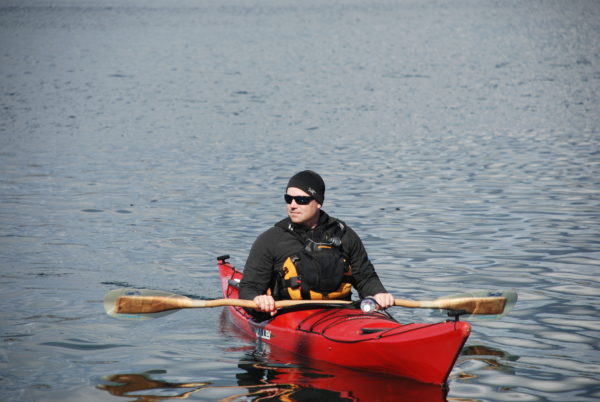
Are you ready to hit the water and embrace the thrill of kayaking? Before you grab your paddle, let’s talk about what you should wear to ensure both safety and comfort.
Choosing the right attire can make or break your adventure, and we’re here to help you get it just right. Imagine gliding through the water, feeling perfectly at ease because you know you’re dressed for success. Curious about how to achieve this?
Let’s dive into the essentials that will keep you dry, warm, and protected. Read on to discover the perfect kayaking wardrobe that will enhance your experience and make every paddle stroke unforgettable.
Credit: sheridanmedia.com
Choosing The Right Clothing
Selecting the right clothing for kayaking ensures comfort and safety. Choose lightweight, quick-drying materials for flexibility. Layer up to adapt to changing weather conditions.
Choosing the Right Clothing Picking the right clothing for kayaking is essential for comfort and safety on the water. The right outfit can make a significant difference in your overall kayaking experience. The key is to adapt your clothing choices to the environment and personal comfort needs.Weather Considerations
Weather conditions play a crucial role in your clothing selection. On a sunny day, lightweight and breathable clothing can keep you cool and comfortable. Consider wearing a long-sleeved shirt to protect your skin from the sun’s rays. In colder conditions, layering becomes important. A good base layer can help wick moisture away from your skin, while an insulating middle layer will keep you warm. Don’t forget a waterproof outer layer to shield against wind and rain. Think about how the weather might change throughout the day. Would you be prepared if the temperature dropped suddenly? Always check the forecast before heading out.Material Choices
The materials you choose can greatly affect your comfort and performance. Synthetic materials like polyester and nylon dry quickly and are excellent for water activities. They wick moisture away from your skin, keeping you dry and comfortable. Avoid cotton, as it tends to retain water and can become heavy and cold when wet. Instead, opt for materials designed for active wear that are both lightweight and durable. Neoprene is a popular choice for kayaking, especially in cooler waters. It’s the same material used in wetsuits and offers excellent insulation. Would neoprene gear be a good addition to your kayaking wardrobe? Remember, the right clothing can enhance your kayaking adventure, making it both enjoyable and safe. Choose wisely and paddle with confidence!Footwear Options
When you’re gearing up for a day of kayaking, choosing the right footwear is crucial for comfort, safety, and enjoyment. The ideal kayaking shoes should offer protection, grip, and quick-drying capabilities. Let’s explore some popular options to find what suits you best on the water.
Water Shoes
Water shoes are a popular choice for many kayakers due to their versatility and protection. They are designed to dry quickly, ensuring your feet aren’t soggy all day long. With a snug fit, they prevent slipping and provide excellent traction on wet surfaces.
Imagine stepping out of your kayak onto rocky terrain. Water shoes shield your feet from sharp objects, offering peace of mind. They are lightweight, making them easy to pack and carry. Whether you’re paddling in a calm lake or navigating a river, water shoes are a reliable companion.
Sandals Vs. Booties
Deciding between sandals and booties can be a bit tricky. Sandals are perfect for warm weather, allowing your feet to breathe while providing enough grip. They can be a good choice for casual paddling but may not offer full protection from debris.
On the other hand, booties are ideal for colder conditions or when you expect to encounter rough terrain. They provide full coverage and insulation, keeping your feet warm and protected. Booties are particularly useful in rocky or muddy environments where sandals might fall short.
Which option aligns with your kayaking adventures? Consider the climate, water conditions, and the type of kayaking you plan to do. Your feet will thank you for the thoughtful choice!
Safety Gear Essentials
Kayaking is an exhilarating adventure, but ensuring safety is paramount. Whether you’re a seasoned paddler or just starting out, knowing what safety gear is essential can make all the difference. Investing in the right equipment not only boosts your confidence but also ensures your well-being on the water. Let’s dive into the must-have safety gear essentials that every kayaker should consider.
Life Jacket Importance
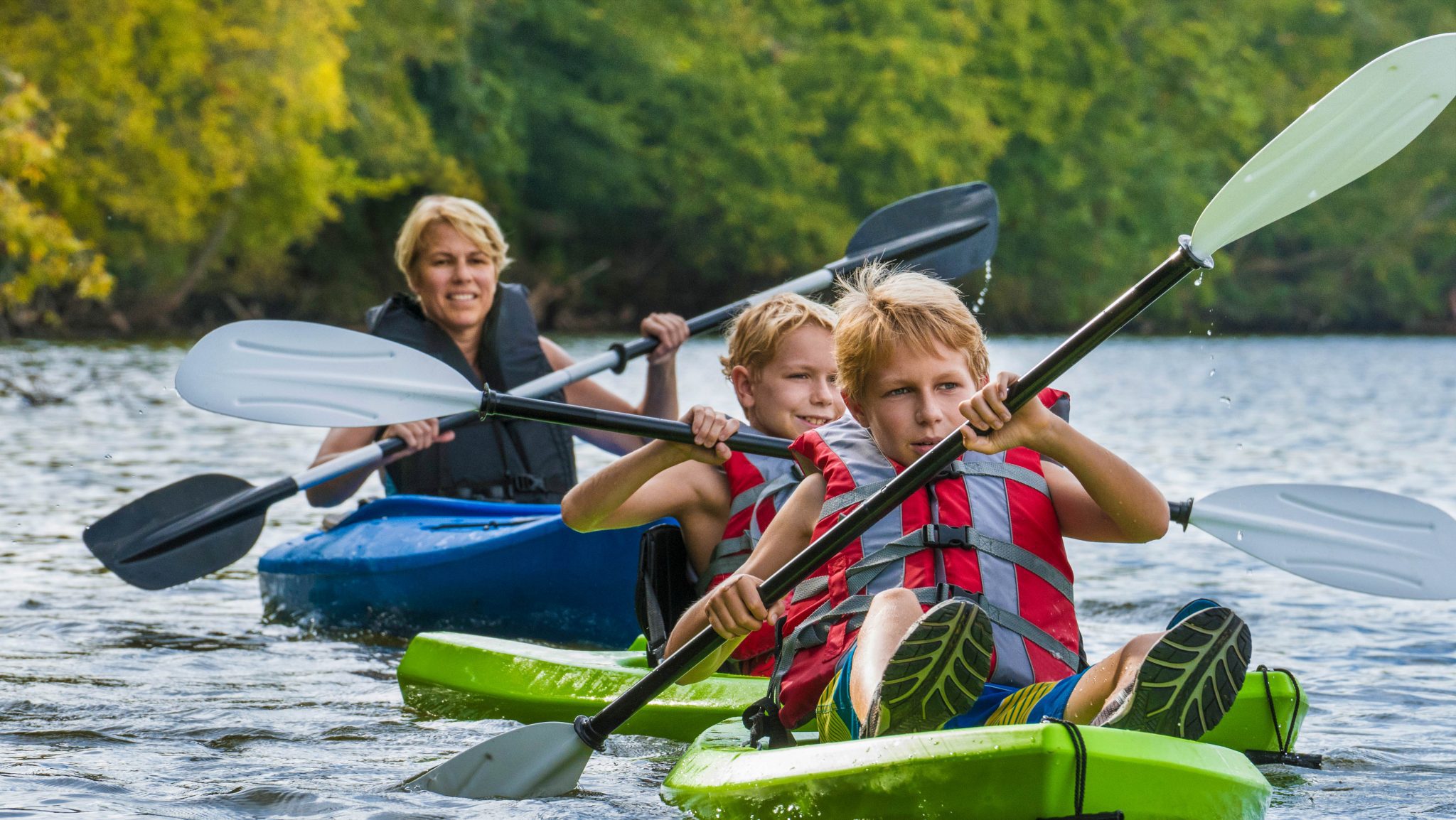
Life jackets are not just a precaution; they are a crucial component of your kayaking attire. Their importance cannot be overstated, as they can save lives in unexpected situations. Choose a life jacket that fits snugly yet comfortably, allowing free movement while paddling. Many modern designs offer pockets and attachments, making them functional as well as life-saving.
Have you ever wondered why seasoned kayakers never skip wearing a life jacket? It’s because, no matter how skilled you are, the unpredictability of water currents can surprise you. A life jacket ensures buoyancy and keeps you afloat, giving you peace of mind. Remember, it’s not just about wearing one; make sure it is Coast Guard approved for guaranteed safety.
Helmet Usage
While helmets might seem unnecessary for calm waters, they are indispensable for more challenging environments. Your head is vulnerable to impacts from rocks or capsizing moments, especially in rapid waters. A durable helmet can protect you from serious injuries, allowing you to focus on the thrill of the ride rather than worrying about safety.
Consider the times when your kayak might unexpectedly tilt or hit a submerged obstacle. This is where a helmet proves its worth. It’s wise to select a helmet with adjustable straps and padding for a comfortable fit. Think of it as a small investment for safeguarding your most valuable asset—your head.
Next time you’re preparing for a kayaking trip, ask yourself: are you equipped with the right safety gear? Remember, preparedness turns potential hazards into enjoyable adventures.

Credit: www.rightkindoflost.com
Sun Protection Strategies
Kayaking under the sun can be a wonderful experience. But it also exposes you to harmful UV rays. Sun protection is essential for a safe and enjoyable trip. Let’s explore some effective strategies to protect yourself from the sun while kayaking.
Hats And Caps
A good hat is your first line of defense against the sun. Choose a wide-brimmed hat for more coverage. It will shield your face, neck, and ears. Caps with neck flaps also provide great protection. Ensure your hat fits snugly. You don’t want it flying off in the wind.
Sunscreen Tips
Sunscreen is a must for any outdoor activity. Choose a broad-spectrum sunscreen with at least SPF 30. Apply it generously on all exposed skin. Don’t forget your ears, neck, and the back of your hands. Reapply every two hours, especially after swimming or sweating. Waterproof sunscreen is ideal for kayaking. It stays on longer and provides better protection.
Cold Weather Gear
Kayaking in cold weather can be exhilarating, but it’s crucial to dress appropriately to stay warm and safe. Cold weather gear is essential for ensuring that your adventure doesn’t end with frostbite or hypothermia. With the right apparel, you can enjoy the serenity of winter waters without discomfort.
Layering Techniques
Layering is your best friend when kayaking in cold weather. The key is to create a barrier that traps heat while allowing moisture to escape. Start with a moisture-wicking base layer that keeps sweat away from your skin. This layer should fit snugly but not too tight.
Add an insulating layer to keep you warm. Fleece or wool are excellent choices as they provide warmth without adding bulk. Consider a high-neck fleece top for added protection against chilly winds.
The outer layer should be waterproof and windproof. A breathable jacket and pants are ideal. Look for those with adjustable cuffs and hems to prevent water from seeping in.
Dry Suits Vs. Wet Suits
Choosing between dry suits and wet suits can be confusing, but knowing the difference helps. Dry suits are completely waterproof, keeping you dry even if you capsize. They allow you to wear insulating layers underneath, offering better warmth in cold conditions.
Wet suits, on the other hand, allow water to enter but keep you warm by trapping a thin layer of water that your body heats. They are best for less severe cold and are often used for activities where mobility is key.
Think about your kayaking environment. Are you likely to encounter freezing water or just cool temperatures? A dry suit might be worth the investment for harsh conditions, while a wet suit could suffice for milder days.
Have you ever found yourself shivering on the water, wishing you had chosen different gear? Share your experiences and tips in the comments below to help fellow kayakers make the right choices.
Accessories For Comfort
When you’re out on the water, comfort isn’t just a luxury—it’s a necessity. The right accessories can make your kayaking trip not only safer but also more enjoyable. Let’s dive into some essential items that can enhance your kayaking experience.
Gloves And Paddling Mitts
Your hands are your most valuable tools while kayaking, and keeping them protected is crucial. Gloves and paddling mitts can prevent blisters and keep your hands warm in cooler temperatures. Look for gloves with good grip and water resistance to ensure you maintain control over your paddle.
Consider neoprene gloves for cold weather conditions, as they provide insulation and flexibility. In warmer climates, lightweight, sun-protective gloves can shield your hands from harmful UV rays. Think about your usual kayaking conditions and choose a pair that matches your needs.
Sunglasses And Eyewear
Bright sunlight reflecting off the water can be harsh on your eyes. Quality sunglasses or polarized eyewear can reduce glare and improve your visibility. Opt for sunglasses with a secure fit and a strap to keep them in place, especially when navigating rough waters.
Consider lenses with UV protection to safeguard your eyes from prolonged sun exposure. Have you ever tried kayaking without sunglasses? The squinting and headaches are not worth it. Protect your eyes and enjoy the view without distraction.
Packing Essentials
Comfortable clothing is key for kayaking adventures. Wear quick-dry clothes to stay dry and comfortable. A hat and sunglasses offer essential sun protection.
Kayaking is a thrilling adventure that connects you with nature. Packing the right gear ensures a smooth and enjoyable experience. Proper preparation keeps your belongings safe and organized. Focus on essentials for a hassle-free trip on the water.Dry Bags
Dry bags are crucial for keeping items dry while kayaking. Choose waterproof bags that seal tightly. Protect your phone, camera, and clothes from water damage. Different sizes accommodate various items. Opt for bright colors for easy visibility. Roll the top down and clip it securely. Ensure the bag is lightweight and durable.Storage Solutions
Efficient storage maximizes space in your kayak. Use bungee cords to secure gear on deck. Store essentials in easy-to-reach spots. Mesh bags provide ventilation for wet items. Attach carabiners to keep things in place. Compartments help organize small items. Invest in waterproof containers for delicate equipment. Keep heavier items close to the center for balance.
Credit: www.instagram.com
Frequently Asked Questions
What Do People Wear When They Go Kayaking?
People wear quick-dry clothes, water shoes, and a life jacket when kayaking. A hat and sunscreen help protect against sun exposure. Depending on weather, a wetsuit or waterproof jacket might be necessary. Dress in layers for comfort and adaptability.
What Are The Three Golden Rules Of Kayaking?
The three golden rules of kayaking are: Stay relaxed and maintain balance, paddle efficiently, and use torso rotation for power. These principles ensure safety and enhance performance on the water.
Should I Wear Leggings Kayaking?
Yes, wearing leggings for kayaking is a good choice. They offer flexibility, comfort, and protection against the sun. Opt for quick-drying, moisture-wicking materials to stay comfortable. Avoid cotton as it retains moisture and can become uncomfortable. Choose leggings with UV protection for added safety during sunny days.
Do I Need A Swimsuit For Kayaking?
Wearing a swimsuit for kayaking is optional but recommended for comfort and flexibility. Swimsuits dry quickly and handle splashes well. You can also wear shorts and a moisture-wicking shirt. Choose attire based on weather and personal preference. Safety gear like a life jacket is essential.
Conclusion
Kayaking is an amazing adventure. Choosing the right clothes enhances the experience. Comfort and safety matter most. Opt for breathable fabrics that dry quickly. Layering keeps you warm and adaptable. Sun protection is crucial; wear a hat and sunscreen. Footwear should be sturdy yet flexible.
Keep a dry bag for essentials. Dress according to the weather. Be prepared for sudden changes. Always prioritize safety with a life jacket. Enjoy the beauty of nature and paddle with confidence. Proper gear makes the journey enjoyable. Ready to embrace the waves?
Happy kayaking!