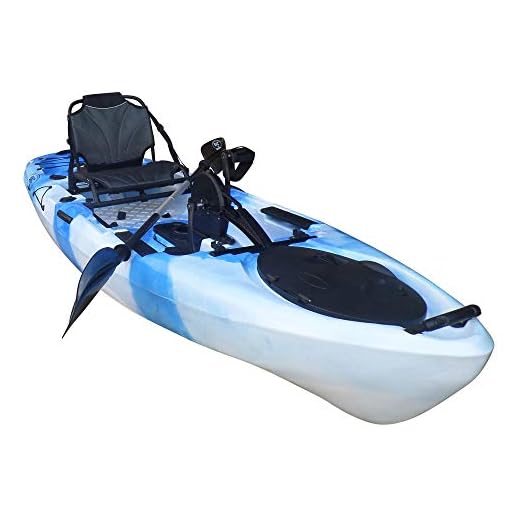
Ever wondered how a pedal kayak can transform your water adventures? Imagine gliding effortlessly across serene lakes, leaving your hands free to capture breathtaking moments or cast a fishing line.
With the power of your legs, pedal kayaks open up a world of possibilities. You’re about to discover the secrets behind their unique design, and why they’re becoming a favorite among water enthusiasts like you. Dive in, and let’s explore how a pedal kayak works and why it might just become your next favorite outdoor companion.
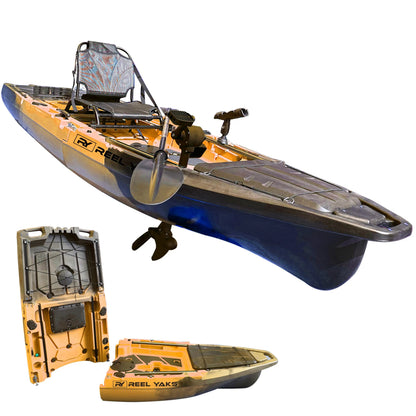
Credit: reelyaks.com
Mechanics Of Pedal Kayaks
Pedal kayaks operate through a simple mechanism. The user powers the kayak by pedaling, which turns fins or a propeller. This movement propels the kayak forward, offering an efficient and hands-free way to navigate waters.
Understanding the mechanics of pedal kayaks can transform your kayaking experience. Unlike traditional kayaking, where paddling can be a physical challenge, pedal kayaks offer an efficient and hands-free alternative. This innovative design lets you cover longer distances with less effort, leaving your hands free for fishing or photography. But how does this magic happen?Pedal Drive System
The pedal drive system is the heart of a pedal kayak. Imagine cycling on water—your feet do the work while your hands are free. Pedals are connected to a propeller or flippers beneath the kayak. When you pedal, the system converts your motion into propulsion. It’s like riding a bike, but with a twist. This system enables you to glide smoothly over water, making it ideal for both leisurely trips and intense fishing adventures.Steering Mechanism
Steering a pedal kayak is surprisingly intuitive. Most models come equipped with a rudder controlled by a hand lever or foot-operated mechanism. You simply adjust the rudder to change direction. This easy-to-use control ensures precise maneuverability, even in tight spaces or strong currents. Ever tried steering with a paddle in a narrow stream? With pedal kayaks, you can focus on the scenery instead of worrying about navigation.Hull Design And Stability
A pedal kayak’s hull design plays a crucial role in its stability and performance. The hull is typically wider, offering greater balance and buoyancy. This design ensures that even beginners feel confident on the water. Stability is enhanced by the kayak’s weight distribution, ensuring smooth rides without the fear of tipping over. Have you ever felt uneasy in a narrow kayak? A pedal kayak’s sturdy hull design keeps you steady, allowing you to enjoy your adventure with peace of mind. In essence, understanding these mechanics can enhance your kayaking experience. Next time you’re on the water, you’ll appreciate the engineering marvel beneath you. So, are you ready to pedal your way into a new kayaking adventure?Types Of Pedal Kayaks
Pedal kayaks offer a unique way to explore waters without using paddles. They provide a hands-free experience, allowing you to fish, take photos, or simply relax. The mechanism that propels these kayaks can vary. Two main types exist: propeller-based systems and flipper or fin systems. Each has its own benefits and features.
Propeller-based Systems
Propeller-based pedal kayaks use a rotating propeller to move through water. Pedals connect to the propeller through a simple chain or gear system. As you pedal, the propeller spins, pushing the kayak forward. This system often allows for faster speeds. It’s similar to riding a bicycle, but on water. These kayaks are great for covering long distances quickly. They offer efficiency and speed for adventurous kayakers.
Flipper Or Fin Systems
Flipper or fin systems use flexible fins to propel the kayak. These fins mimic the motion of a fish’s tail. When you pedal, the fins move side to side, pushing the kayak forward. This system provides a smooth and quiet ride. It’s perfect for sneaking up on wildlife or enjoying peaceful waters. Flipper systems are known for their maneuverability. They excel in shallow waters where propellers might struggle. Many users find this system easy to use and maintain.
Benefits Of Pedal Kayaking
Pedal kayaking offers hands-free navigation with foot pedals that turn a propeller or fins. This efficient design enhances speed and control, making it ideal for fishing and long explorations. Enjoy the freedom to focus on scenery or casting lines without the hassle of paddling.
Pedal kayaking is a game-changer for those who love to glide through water with ease. Unlike traditional paddling, pedal kayaking allows you to use your legs, which are stronger than your arms, to power through the water. This innovation provides a range of benefits that enhance the kayaking experience, making it not only more enjoyable but also more efficient.Hands-free Operation
One of the standout benefits of pedal kayaking is the ability to keep your hands free. This can be incredibly advantageous if you’re interested in fishing, photography, or simply sipping a drink while on the water. Imagine casting a line or snapping a perfect sunset photo without having to juggle a paddle. With your hands free, multitasking becomes effortless. You can adjust your hat, grab a snack, or even check your phone without having to stop. This level of convenience truly sets pedal kayaking apart from traditional kayaking.Increased Speed And Efficiency
Pedal kayaks often outpace their paddle counterparts. This is because your legs are capable of generating more power over longer periods. Whether you’re racing friends or trying to cover more distance on a scenic tour, pedal kayaking can offer a noticeable speed boost. Efficiency is another key factor. Pedal kayaks allow for more consistent propulsion, minimizing fatigue. You can travel further with less effort, making it ideal for long adventures.Health And Fitness Advantages
Pedal kayaking isn’t just fun; it’s a fantastic workout. It engages your lower body, core, and even your cardiovascular system. It’s like a gym session on the water, but with a view that no treadmill can match. For those looking to improve their fitness, pedal kayaking offers a low-impact exercise option. It’s gentle on your joints while still providing a thorough workout. Have you ever thought about how much more enjoyable exercise could be when it’s surrounded by nature? In conclusion, pedal kayaking offers a unique blend of convenience, speed, and fitness benefits. Whether you’re seeking a leisurely day on the water or a full-body workout, it provides options that traditional kayaking simply can’t match. So, are you ready to give pedal kayaking a try?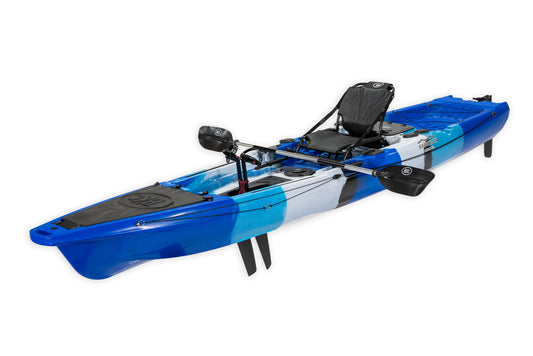
Credit: brooklynkayakcompany.com
Choosing The Right Pedal Kayak
Choosing the right pedal kayak enhances your experience on the water. It ensures comfort, efficiency, and safety during your adventures. With various options available, it’s crucial to select a kayak that matches your needs and the environment you’ll explore. Consider these key factors to make an informed decision.
Assessing Water Conditions
Water conditions affect your kayak choice significantly. Calm lakes require different kayaks than turbulent rivers. Check if the kayak is suitable for your planned water type. Stability and maneuverability matter. For ocean or choppy waters, choose a kayak with good stability. In calm waters, focus on speed and efficiency. Kayaks designed for specific water conditions offer better performance.
Evaluating Comfort And Fit
Comfort is essential for long hours on the water. Ensure the seat is adjustable and padded. Look for kayaks with ergonomic designs. Test different models to find the best fit. Consider legroom and foot pedal placement. A well-fitted kayak prevents discomfort and fatigue. Try sitting in the kayak before purchasing. This helps you assess comfort levels accurately.
Considering Storage And Transport
Think about how you’ll store and transport your kayak. Check the kayak’s weight and size. Lightweight kayaks are easier to handle and transport. Consider the available storage space at home. Folding or inflatable kayaks save space and are easy to carry. Ensure your vehicle can accommodate the kayak. Evaluate if roof racks or trailers are needed for transport.
Maintenance And Care
Pedal kayaks are a fun way to explore water bodies. To keep them in top condition, regular maintenance and care are essential. This ensures longevity and optimal performance. Let’s delve into some practical maintenance tips.
Cleaning And Storage Tips
Rinse your pedal kayak with fresh water after each use. This removes salt, sand, and debris. A mild soap can help remove stubborn stains. Avoid harsh chemicals that might damage the kayak’s material.
Dry the kayak thoroughly before storage. This prevents mold and mildew. Store it in a cool, dry place. Use a kayak cover for added protection against dust and pests.
Regular Inspection And Repairs
Check the pedal system for wear and tear. Ensure all moving parts function smoothly. Tighten loose bolts and screws as needed.
Inspect the kayak hull for cracks or punctures. Repair minor damages promptly to avoid bigger issues. Consider using a patch kit for quick fixes.
Lubricate the pedal drive system regularly. Use suitable lubricants for watercraft. This keeps the system running smoothly.
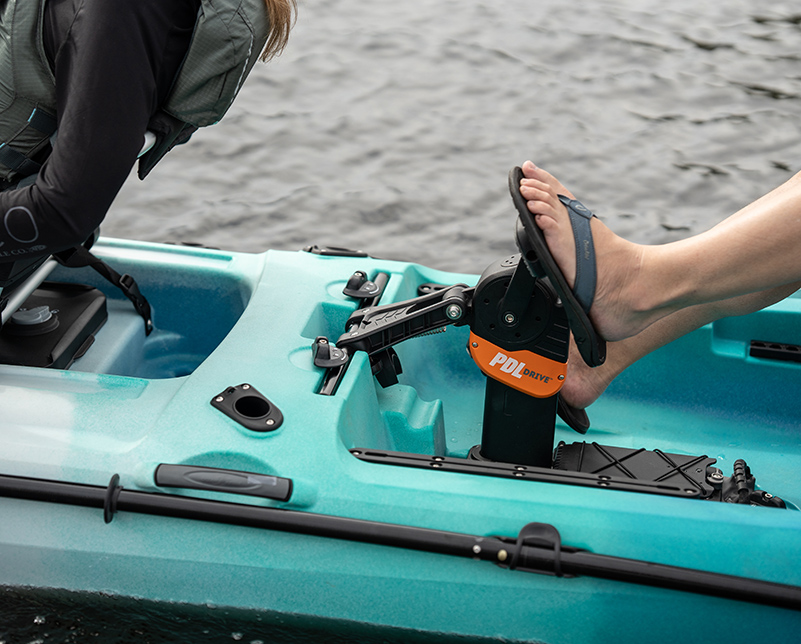
Credit: oldtownwatercraft.johnsonoutdoors.com
Popular Destinations For Pedal Kayaking
Pedal kayaking opens doors to nature’s beauty. Unique destinations offer thrilling experiences. Discovering popular spots enhances the adventure. Whether exploring coastal waves or serene lakes, each location offers its charm.
Coastal Adventures
Coasts provide stunning views and diverse marine life. Pedal kayaking along the coast unveils hidden coves. Experience waves and gentle sea breezes. Popular coastal spots include California’s Big Sur and Florida’s Keys. These areas are rich with wildlife and offer breathtaking vistas. Perfect for those seeking a mix of adventure and relaxation.
River And Lake Exploration
Rivers and lakes offer tranquil settings for pedal kayaking. Glide along calm waters while enjoying lush scenery. Popular river destinations include the Colorado River, famous for its canyons. Lakes like Lake Tahoe offer pristine waters and mountain views. These locations are ideal for peaceful paddling and nature photography. Perfect for enjoying a quiet day on the water.
Frequently Asked Questions
How Does A Pedal Drive Kayak Work?
A pedal drive kayak uses foot pedals to propel the kayak forward. Pedals connect to a propeller or flippers beneath the kayak. Kayakers pedal to move, keeping hands free for fishing or photography. This system offers efficient and quiet navigation in various water conditions.
How Do You Steer A Foot Pedal Kayak?
Use the rudder control to steer your foot pedal kayak. Adjust the rudder with a lever or foot pedals. Pedal to move forward, and steer by shifting the rudder left or right. Practice makes steering smoother and more intuitive. Ensure the kayak is balanced for better control.
Can Pedal Kayaks Go In Reverse?
Yes, many pedal kayaks can go in reverse. Reverse function enhances maneuverability and control. Check kayak specifications for reverse capability.
How Well Do Pedal Kayaks Work?
Pedal kayaks offer efficient propulsion and hands-free control. They work well for fishing and long-distance paddling. Users experience increased speed and maneuverability. They perform effectively in various water conditions. Ideal for those seeking an active and engaging water adventure.
Conclusion
Pedal kayaks offer a unique way to explore waters. They use foot power to move. This means hands-free paddling. You can fish or take pictures easily. Pedal systems vary, offering different experiences. Some are faster. Others are more stable. Choosing the right pedal kayak depends on your needs.
Consider speed, stability, and comfort. Kayaking with pedals can be fun and relaxing. It’s an adventure on water. Enjoy the sights and sounds. Experience nature up close. Try pedal kayaking and discover a new way to explore.