
Are you ready to hit the water but find yourself puzzled over how to carry your kayak? You’re not alone.
Many kayaking enthusiasts, both new and seasoned, often face this challenge. The good news is, with the right tips and techniques, transporting your kayak can be a breeze. Imagine the freedom of easily loading your kayak onto your car, ensuring it’s secure, and heading out to your favorite spot without a hitch.
In this guide, you’ll discover simple, effective strategies that will make carrying your kayak easier than ever. Stay with us, and you’ll learn how to avoid common pitfalls, protect your gear, and maximize your kayaking adventures. Ready to transform the way you carry your kayak? Let’s dive in!
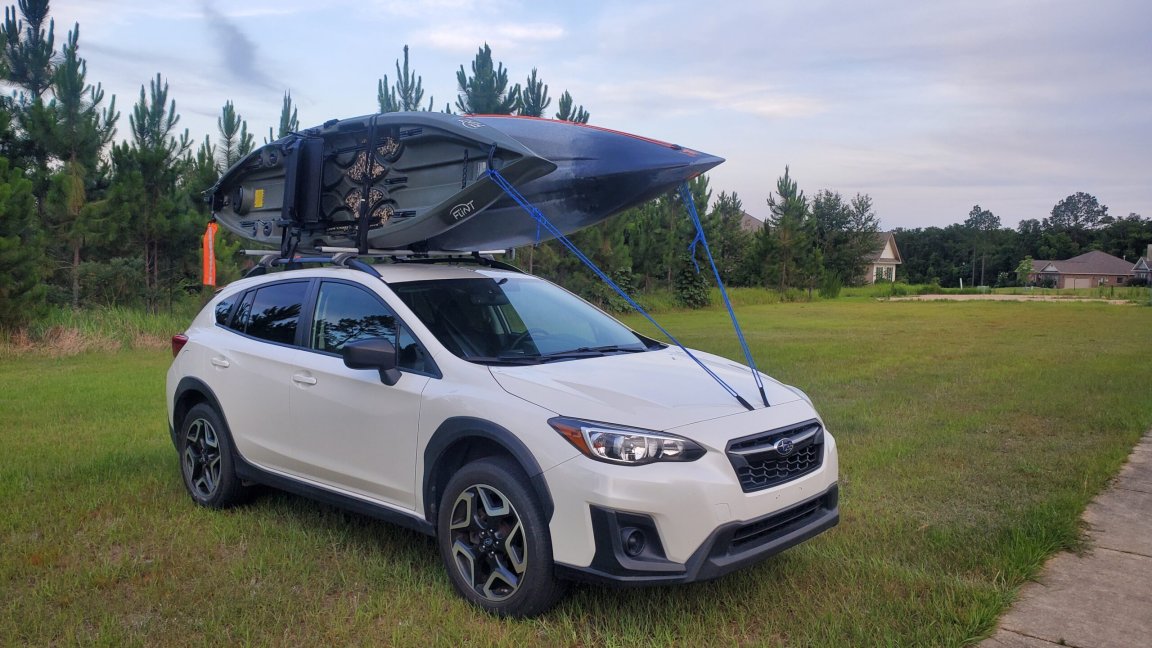
Credit: www.outdoorlife.com
Choosing The Right Equipment
Selecting the right equipment ensures safe kayak transport. Use sturdy roof racks or kayak trailers for secure hauling. Padded straps help prevent damage during the journey.
Choosing the right equipment for carrying kayaks is crucial for ensuring a safe and stress-free journey. The right gear not only protects your kayak from damage but also makes loading and unloading a breeze. Investing in quality equipment can save you time and effort, allowing you to focus on enjoying your paddling adventures.Types Of Kayak Racks
Selecting the perfect kayak rack depends largely on your vehicle type and personal preferences. Roof racks are popular for cars with ample roof space, offering a secure hold with J-cradles or stacker bars. If you drive a truck, bed extenders provide a convenient option, extending the space for larger kayaks. Hitch-mounted racks are another viable option, especially for SUVs and trucks, attaching to the vehicle’s hitch for easy access. Each type comes with its pros and cons, so consider what suits your travel needs best. Have you ever struggled with a rack that didn’t fit your car? This choice can make all the difference.Essential Accessories
Accessories can enhance your kayak carrying experience, providing additional security and convenience. Tie-down straps are a must-have, ensuring your kayak stays put during transit. Foam blocks can protect both your kayak and vehicle from scratches and dents. Consider investing in a kayak cart, especially if you’re carrying your kayak over long distances from the car to the water. A cart can save your back and energy, letting you focus on the fun part—paddling! Reflect on how these small additions can impact your overall adventure.Preparing Your Kayak
Transporting a kayak requires proper technique for safety and ease. Use a kayak cart or enlist a friend’s help. Secure the kayak with straps to prevent slipping during transport.
Preparing Your Kayak Carrying a kayak safely starts with good preparation. Ensuring the kayak is ready prevents damage and makes transportation easier. Before moving your kayak, take a few minutes to prepare it.Inspecting For Damage
Begin by checking the kayak for any signs of damage. Look for cracks, dents, or holes on the surface. Check the hull and seams closely. Any damage can worsen during transport. Repair small issues before they become big problems. A quick inspection can save you from costly repairs later.Securing Loose Items
Secure all loose items inside the kayak. This includes paddles, life vests, and any gear. Use bungee cords or straps to fasten them tightly. Loose items can fall out or shift during transport. This can lead to loss or damage. A well-secured kayak is easier to carry and safer on the road.Loading Techniques
Loading a kayak onto your vehicle can be tricky. Using the right techniques ensures safety and ease. Whether you’re paddling solo or with a friend, mastering loading techniques is essential. Let’s explore how you can effectively load a kayak by yourself or with a partner.
Solo Loading Methods
Loading a kayak alone requires some preparation. First, position your kayak parallel to your vehicle. Ensure the bow is facing the front. Use a towel or mat on the rear of your vehicle to prevent scratches. Lift the kayak’s bow and place it on the mat. Then, walk to the stern and lift it, sliding the kayak onto the rack. Secure it with straps to keep it stable during transport.
Partner Loading Strategies
Loading with a partner makes the process easier. Start by standing on opposite sides of the kayak. Coordinate your lifting to ensure balance. Lift the kayak above your heads. Carefully position it onto the vehicle rack. Once settled, secure the kayak with straps. Ensure both ends are tied down to prevent movement. Communication is key during this process. Work together for a smooth loading experience.
Securing Your Kayak
Securing your kayak properly is crucial for safe transportation. It’s not just about getting from point A to B; it’s about ensuring your kayak arrives undamaged and ready for adventure. With a few strategic measures, you can secure your kayak like a pro.
Using Straps Effectively
Straps are your best friend when it comes to securing a kayak. Opt for cam buckle straps as they offer easy adjustment and reliable grip. Position the straps evenly across the kayak, ideally at two points: one near the bow and another near the stern.
Make sure the straps are snug but not overly tight to prevent damage to your kayak. A quick test is to shake the kayak gently; if it doesn’t move, you’ve done it right. Ever had a strap snap mid-journey? Double-checking for wear and tear is always a good idea.
Additional Safety Measures
Consider using a cockpit cover to keep out debris and reduce wind drag. This simple addition can make your drive smoother and more fuel-efficient. Locking your kayak with a cable lock adds an extra layer of security, especially for long trips.
Think about using a flag or reflective tape if transporting at night, making your vehicle more visible to others. It’s easy to forget, but these small measures can make a big difference in your travel safety. How do you ensure peace of mind on the road?
Transporting Safely
Transporting kayaks safely involves securing them properly on your vehicle. Use sturdy roof racks or trailer setups. Ensure each kayak is fastened with durable straps, preventing movement during transit.
Transporting your kayak safely is crucial to ensuring that you, your vehicle, and your kayak arrive at your destination without a hitch. Whether you’re a seasoned kayaker or a newbie, understanding the essentials of secure transport can save you time and trouble. Let’s dive into key aspects like driving tips and weather considerations to make your journey smooth and stress-free.Driving Tips
When you’re on the road, keeping your kayak secure is your top priority. Make sure the kayak is firmly tied down with quality straps or ropes. A loose kayak can shift during transit, potentially causing accidents. Check your rearview mirrors frequently. This helps you spot any movement or issues with the kayak. If you notice anything unusual, pull over safely to adjust. Always maintain a safe speed. The extra weight and resistance from the kayak can affect your vehicle’s handling. Slow and steady wins the race when transporting kayaks.Weather Considerations
Weather conditions can significantly impact your kayak transport. On windy days, the kayak can act like a sail, making your vehicle harder to control. Consider postponing your trip if strong winds are forecasted. Rain can add another layer of complexity. Wet roads reduce traction, and rain can make your kayak slippery. Ensure your straps are water-resistant and double-check their tightness in wet conditions. Sun exposure can weaken the materials of your kayak over time. If possible, cover your kayak with a UV-protective cover during long journeys. This simple step can prolong the life of your kayak. Transporting your kayak safely is about being prepared and attentive. By focusing on these driving tips and weather considerations, you can ensure a secure and pleasant trip. What strategies do you use for transporting your kayak? Share your thoughts in the comments!Unloading Your Kayak
Carrying a kayak requires balance and strength. Hold the kayak’s sides and lift using your legs. Keep it close to your body for better control.
Unloading your kayak after a day of adventure is the final step in ensuring both you and your equipment remain in top condition. The process might seem straightforward, but doing it safely and effectively can save you time and prevent damage. Let’s dive into the essentials of unloading your kayak with care.Safe Removal Techniques
Carefully position yourself to lift the kayak without straining your back. Stand with your feet shoulder-width apart and bend your knees, keeping your back straight. If possible, enlist a partner to help. This makes the process easier and reduces the risk of accidental drops. Use your legs to lift and guide the kayak off the car, ensuring it remains balanced. Always communicate with your partner to synchronize movements.Post-transport Inspection
Once the kayak is safely on the ground, take a moment to inspect it. Look for any scratches, dents, or damage that might have occurred during transport. Check the straps and any attachments you used for signs of wear and tear. This is crucial for ensuring future trips are just as safe. Make a habit of checking the interior for any loose items or debris. This simple routine can extend the life of your kayak and gear. Have you ever discovered unexpected wear on your kayak? Noticing these details early can prevent bigger issues later. Remember, a quick inspection can save you from future headaches.Common Mistakes To Avoid
Transporting your kayak can be a breeze if you know the ropes, but a few missteps can turn a simple journey into a hassle. Understanding the common mistakes made in carrying kayaks can save you time, effort, and possibly prevent damage to your gear. Let’s dive into some pitfalls you should steer clear of when handling your kayak.
Overloading
It’s tempting to load up your kayak with gear to maximize your adventure, but overloading can be a risky move. Kayaks have a weight limit, and exceeding this can affect stability. You don’t want to find yourself wobbling on the water or struggling to carry it safely.
Consider the essentials you need and pack wisely. Are there items you can leave behind? Keeping your load light ensures a smoother transport and a better experience on the water.
Ignoring Weight Distribution
Distributing weight evenly in your kayak is crucial for balance. Uneven weight can make it difficult to carry and lead to tipping once you’re on the water. It’s easy to overlook this detail when you’re eager to set off.
Make it a habit to check how your gear is distributed. Place heavier items centrally, and balance out the sides. Have you ever noticed how much easier it is to carry something balanced? This small adjustment can make a big difference in handling your kayak.

Credit: vibekayaks.com
Expert Advice
Transporting a kayak can be tricky, but expert advice can transform a daunting task into a breeze. From leveraging professional transport services to tapping into community wisdom, there are numerous ways to ensure your kayak reaches its destination safely. Let’s dive into some key strategies.
Professional Transport Services
Considering professional transport services might be your best bet if you want to ensure the utmost care for your kayak. These services offer specialized equipment and experienced handlers who are well-versed in transporting kayaks efficiently. Whether you’re moving across the country or just heading to a nearby lake, they provide peace of mind with their expertise.
- Check for companies with positive reviews and a proven track record.
- Inquire about insurance options to cover potential damages.
- Ask about special packages for kayak transport to save costs.
Have you ever wondered how pros manage without a hitch? They use specific racks and carriers designed for kayaks, ensuring stability during transit. Their experience can save you from potential mishaps and damage.
Community Insights
Sometimes, the best advice comes from fellow kayak enthusiasts. Engaging with the community can provide invaluable insights into effective transport solutions. Online forums, local clubs, and social media groups are great places to start.
- Join local kayak clubs to learn from seasoned paddlers.
- Seek recommendations for DIY transport solutions.
- Participate in discussions to discover tried and tested tips.
Ever received a tip that changed your approach completely? It’s amazing how simple suggestions, like using foam blocks for cushion or learning the art of tying knots securely, can make a huge difference. Connecting with others not only expands your knowledge but also builds a supportive network.
Are you ready to find the perfect transport method for your kayak? Whether you lean towards professional services or community wisdom, combining both can lead to optimal solutions. Embrace the advice that resonates most with your needs and enjoy the journey.

Credit: www.facebook.com
Frequently Asked Questions
What Is The Best Way To Carry A Kayak?
Carry a kayak using a shoulder strap for comfort and balance. Two-person lift is ideal for heavier kayaks. Secure it on a roof rack with proper tie-downs for transportation. Always lift with your legs to prevent injury. Use kayak carts for easy ground movement over long distances.
Can I Transport A Kayak Without A Kayak Rack?
Transporting a kayak without a rack is possible using foam blocks or pool noodles for cushioning. Secure it with straps through car doors and ensure stability. Roof padding helps prevent scratches. Always check local regulations and safety guidelines.
What Are The Three Golden Rules Of Kayaking?
The three golden rules of kayaking are: stay relaxed, use your body for balance, and paddle efficiently. Keep your posture upright, utilize torso rotation, and maintain a rhythmic paddling technique. Prioritize safety by wearing a life jacket and understanding water conditions.
What Is The Best Vehicle For Carrying A Kayak?
The best vehicle for carrying a kayak is an SUV or a truck. They offer spacious roofs and compatibility with roof racks. Secure the kayak with straps for safe transport. Consider a vehicle with a roof rack system to ensure easy loading and unloading.
Conclusion
Carrying kayaks doesn’t have to be difficult. Use the right techniques and tools. This ensures safety and ease. Always lift with your legs, not your back. Secure the kayak properly on your vehicle. This prevents damage and accidents. Practice makes perfect, so don’t worry.
Over time, you’ll become more comfortable. Remember, teamwork helps when lifting heavy kayaks. A friend can make the task much simpler. Enjoy your adventures on the water. Properly transported kayaks lead to smooth trips. Stay safe and have fun kayaking!