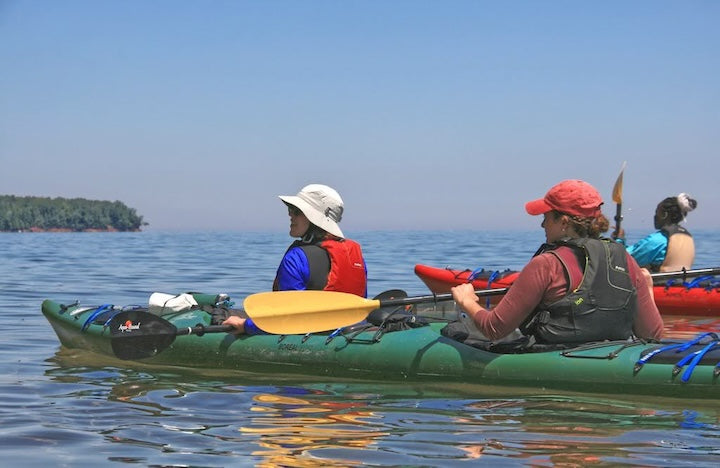
Imagine gliding across a serene lake, the sun warming your face as you slice through the water with effortless grace. You’re in a kayak, surrounded by nature, with only the sound of your paddle dipping into the water.
But, how do you row a kayak to achieve this seamless experience? Whether you’re a beginner or looking to refine your skills, understanding the basics of kayaking can transform your outdoor adventures. You’ll discover simple techniques to help you paddle efficiently and enjoy every moment on the water.
Ready to unlock the secrets of kayaking success? Let’s dive in and make your next trip unforgettable.

Credit: www.tiktok.com
Choosing The Right Kayak
Selecting the ideal kayak enhances your rowing experience. Sit inside kayaks offer stability, while sit-on-top models provide easy access. Lightweight materials ensure effortless paddling.
Choosing the right kayak is essential for an enjoyable experience on the water. The type of kayak you select can affect your comfort and performance. Let’s explore some factors to consider.Types Of Kayaks
Different kayaks serve different purposes. Recreational kayaks are great for calm waters. They are stable and easy to use. Touring kayaks are suitable for long trips. They glide smoothly and carry more gear. Whitewater kayaks are for fast, rough waters. They are shorter and more maneuverable. Fishing kayaks have features for anglers, like rod holders. Each type offers unique benefits. Choose based on your intended use.Sizing And Fit
A kayak’s size impacts comfort and control. Sit in the kayak to check the fit. Your knees should be slightly bent. Feet should rest comfortably on footrests. Ensure ample space for easy movement. A proper fit enhances stability and paddling efficiency. Consider weight capacity as well. Make sure it supports your weight and gear. Test different sizes to find the best fit.
Credit: www.youtube.com
Essential Gear For Kayaking
When you set out on a kayaking adventure, having the right gear is crucial for both safety and enjoyment. The thrill of gliding across water can quickly turn sour if you’re unprepared. Whether you’re a seasoned kayaker or a newbie, knowing what gear to bring can make all the difference. Let’s delve into the essentials that will enhance your kayaking experience.
Paddles
Choosing the right paddle is like finding the perfect partner for your kayak journey. A good paddle should feel comfortable in your hands and be the right length for your height and kayak width. Consider the material: fiberglass paddles are lightweight and durable, while aluminum ones are heavier but more affordable. Don’t underestimate the importance of a paddle leash to prevent losing it in the water.
Ever had a paddle slip from your grip and float away? It’s a feeling of helplessness that can be avoided with the right gear. Think about your paddling style and the kind of waters you’ll be navigating to make the best choice.
Safety Equipment
Your safety should always be a priority. A life jacket is non-negotiable. Look for one specifically designed for kayaking, allowing for maximum movement and comfort. Consider a whistle as a basic tool for signaling in case of emergency.
Have you ever thought about what you’d do if you capsized? A bilge pump can be a lifesaver, helping you remove water from your kayak swiftly. Other essentials include a first aid kit and a waterproof bag to keep your belongings dry.
Engage in a mental checklist: if you were to fall into the water, would you have everything you need to ensure your safety and swift recovery? Preparation is key.
Basic Rowing Techniques
Mastering basic rowing techniques is essential for anyone looking to enjoy kayaking. Knowing how to properly maneuver your kayak ensures a smoother and more enjoyable experience on the water. Let’s dive into the fundamental strokes that every kayaker should know.
Forward Stroke
The forward stroke is your primary method to propel the kayak ahead. To perform this stroke, immerse the blade fully into the water near your toes. Pull it alongside the kayak, finishing near your hip.
Keep your core engaged and use your torso rotation for power, rather than just your arms. This technique not only boosts efficiency but also reduces fatigue. Have you ever noticed how much easier paddling becomes when you engage your whole body?
Reverse Stroke
The reverse stroke helps you stop or move the kayak backward. Start by placing the paddle blade in the water close to your hip. Push the blade forward, ending near your toes.
This stroke is crucial for quick stops and precise maneuvers. Remember to maintain a relaxed grip and let your torso guide the motion. The next time you’re paddling, try this stroke and feel the control it offers.
Sweep Stroke
The sweep stroke is your go-to for turning the kayak. Begin with the paddle blade in the water near your toes and sweep it in a wide arc away from the kayak.
Focus on making a semi-circular motion to effectively turn your vessel. This stroke is perfect for navigating tight spaces or changing directions swiftly. How often do you find yourself needing to make a quick turn while kayaking?
By practicing these basic strokes, you’ll enhance your kayaking skills and enjoy your time on the water even more. Keep experimenting and refining your technique each time you paddle. What new challenges will you conquer with your improved rowing skills?
Advanced Rowing Skills
Mastering advanced rowing skills in a kayak involves proper paddle grip and body posture. Engage your core muscles for effective strokes. Consistent practice enhances balance and control on the water.
Advanced rowing skills in kayaking can elevate your paddling experience from simple navigation to a dynamic, exhilarating adventure. Mastering these techniques not only enhances your control over the kayak but also boosts your confidence in challenging waters. Whether you’re aiming to tackle whitewater rapids or glide smoothly across a serene lake, these advanced skills will make your kayaking journey more fulfilling.Bracing Techniques
Bracing techniques are essential for maintaining balance and preventing capsizing in turbulent waters. By using your paddle to brace against the water, you can stabilize your kayak quickly. Practice the high brace and low brace methods to build muscle memory. A high brace involves keeping your paddle near the water’s surface, offering maximum support. The low brace, on the other hand, is executed with the paddle closer to your lap, providing a quicker response. Have you ever felt the sudden thrill of tipping, only to regain balance with a skilled brace?Edging And Leaning
Edging and leaning are crucial for efficient turning and maneuvering. By tilting your kayak on its edge, you reduce the surface area in contact with the water, allowing for sharper turns. Leaning your body helps counterbalance the kayak, aiding in stability. Imagine the precision of a skilled kayaker gracefully navigating a narrow channel. Practice by gradually increasing your lean, feeling how your kayak responds. How comfortable are you with your kayak’s tilt? Remember, the key is to stay relaxed and let your hips do the work. Try these techniques in a controlled environment before hitting rough waters. You’ll notice a significant difference in your kayaking prowess, making each paddle stroke more effective and enjoyable.Improving Your Balance
Rowing a kayak involves using your arms and core for smooth paddle strokes. Keep a steady rhythm to maintain balance. Practice regularly to enhance your coordination and stability on water.
Improving your balance while kayaking enhances your performance and safety. Balance allows you to control the kayak better, especially in choppy waters. Beginners often struggle with keeping the kayak steady. Practicing balance can make kayaking more enjoyable and less tiring. Here are some tips to improve your balance.Core Strength Exercises
A strong core helps maintain balance in a kayak. Focus on exercises that target your abs, obliques, and lower back. Planks are excellent for building core stability. Try holding a plank position for 30 seconds. Gradually increase the duration as you get stronger. Sit-ups are another effective exercise. They strengthen your abdominal muscles. Perform these exercises regularly for best results.Practice Drills
Drills help improve your balance on the water. Start by sitting in your kayak on calm waters. Gently rock the kayak from side to side. This movement helps you get comfortable with the kayak’s motion. Next, practice paddling in a straight line. Keep your strokes even and steady. Practice turning the kayak smoothly. Try making circles or figure eights. These drills enhance your control and balance.Navigating Water Conditions
Navigating water conditions requires skill and awareness. Proper techniques for rowing a kayak include using smooth, steady strokes. Keep balance by distributing weight evenly.
Navigating Water Conditions Rowing a kayak is not just about paddling; it’s about understanding and mastering the water conditions around you. Whether you’re gliding over calm waters or battling through waves, knowing how to navigate different water conditions can make your kayaking experience much more enjoyable. Imagine the thrill of reading currents correctly and adjusting your strokes to ride waves smoothly. These skills not only enhance your kayaking adventures but also ensure your safety. Let’s dive into the essentials of navigating water conditions.Reading Currents
Reading currents is like unlocking a secret map to efficient kayaking. Currents can guide you or slow you down, depending on how well you understand them. Look for visual cues like ripples or floating debris that can indicate the direction and speed of the current. Adjust your paddling technique to work with the current rather than against it. If you notice the water pushing you sideways, angle your kayak to cut through the flow. This way, you conserve energy and maintain control. Have you ever felt the sudden pull of a current? It can be unexpected, but a quick glance at the water surface can reveal valuable information. Observing the movement around rocks and bends will help you decide the best path forward.Dealing With Waves
Waves can be both thrilling and challenging. Facing them head-on requires a mix of technique and confidence. As you approach a wave, lean forward and paddle vigorously to keep your momentum. Timing is crucial—catch the wave at its crest to ride it smoothly. If the waves are large, consider angling your kayak slightly sideways to minimize impact. This reduces the risk of capsizing and helps you maintain balance. Have you felt the exhilaration of riding a wave, only to be followed by another? It’s a dance of agility and anticipation. By positioning yourself correctly and maintaining a steady rhythm, you can turn the challenge of waves into an exciting ride. Navigating water conditions is an essential skill that can transform your kayaking from a simple paddle to an adventure. Are you ready to master the currents and waves?Safety Tips For Kayaking
Grasp the paddle firmly and position yourself comfortably in the kayak. Use smooth, alternating strokes on each side to maintain balance and direction. Keep your core engaged for stability and control while rowing.
Kayaking is a thrilling outdoor activity that connects you with nature. While excitement is part of the adventure, safety is paramount. Understanding safety tips ensures a fun and secure experience on the water. Preparation is key to preventing accidents and enjoying kayaking with peace of mind.Weather Awareness
Check the weather forecast before heading out. Sudden storms can be dangerous. High winds make paddling difficult. Calm conditions are ideal for beginners. Always be aware of changing skies. Pack essentials like a raincoat or sunblock. Weather can be unpredictable.Emergency Procedures
Know basic emergency signals. Whistles are useful for attracting attention. Practice getting back into a flipped kayak. Keep a first aid kit on board. Inform someone about your route and expected return time. Carry a waterproof communication device. Preparedness can save lives.Kayaking Etiquette
Proper kayaking etiquette involves respecting fellow paddlers and nature. Row a kayak by gripping the paddle firmly, and use smooth, even strokes to glide through the water. Always be aware of your surroundings and maintain a safe distance from others.
Kayaking is more than a sport; it’s a journey with nature. It allows you to explore serene waters and stunning landscapes. But like any activity, it comes with responsibilities. Kayaking etiquette ensures everyone enjoys the experience safely and respectfully.Respecting Nature
Respect the environment while kayaking. Keep noise levels down to not disturb wildlife. Avoid dragging kayaks on fragile vegetation. Pack out all trash, leaving no trace behind. Protecting nature is crucial for future generations. Paddle in designated areas to avoid harming habitats. Be mindful of water quality and avoid using harmful products.Sharing Waterways
Waterways are shared spaces. Be courteous to other kayakers and boaters. Maintain a safe distance from others to avoid collisions. Yield to larger vessels as they have limited maneuverability. Communicate clearly using hand signals if needed. Observe the right-of-way rules and follow local regulations. Always wear a life jacket for safety.
Credit: www.reddit.com
Frequently Asked Questions
How To Properly Row A Kayak?
Grip the paddle firmly with both hands. Dip the paddle blade into the water. Pull it back smoothly, using your core muscles. Alternate sides to maintain a straight path. Keep your torso upright for balance and power.
What Are The Three Golden Rules Of Kayaking?
The three golden rules of kayaking are: maintain proper posture, use effective paddle strokes, and always prioritize safety. These rules ensure better control, efficiency, and enjoyment on the water. Stay vigilant about weather conditions and wear appropriate gear to enhance your kayaking experience.
How To Roll A Kayak For Beginners Step By Step?
To roll a kayak, start by tilting your body sideways. Use your paddle for leverage. Sweep the paddle across the water, keeping it near the surface. Pull your torso back upright. Use your hips to rotate the kayak back to the surface.
Practice regularly for mastery.
What Is The 120 Rule For Kayaking?
The 120 rule for kayaking suggests combining air and water temperatures should be at least 120°F for safe kayaking. This rule helps prevent hypothermia. Always wear appropriate clothing and gear to ensure safety on the water.
Conclusion
Rowing a kayak can be a fun adventure. Remember to keep your strokes steady. Use your core muscles for better control. Practice makes rowing feel smooth and natural. Always stay aware of your surroundings. Safety should be your top priority.
Enjoy the beauty of the water and the thrill of exploration. Kayaking offers a peaceful way to connect with nature. With patience, you’ll improve over time. Get out there and start paddling. Experience the joy of kayaking today.