Imagine paddling across a serene lake, the sun glistening on the water as you glide effortlessly along. But suddenly, a wave tips your kayak, and you’re thrown off balance.
If you’ve ever experienced this unsettling moment, you’re not alone. Stability is a common concern for kayakers, and improving it can transform your experience from nerve-wracking to exhilarating. You’re here because you want to enjoy every second on the water without the constant worry of tipping over.
This guide is designed with you in mind, offering practical tips and insights to make your kayak more stable. From adjusting your gear to making smart modifications, you’ll discover how to enhance your kayaking adventures. Get ready to boost your confidence and enjoy every stroke.
Factors Affecting Kayak Stability
Understanding kayak stability involves factors like hull shape, weight distribution, and paddle technique. Wider hulls offer better stability, while balanced weight distribution prevents tipping. Proper paddle strokes contribute to a stable and smooth kayaking experience.
Understanding the factors affecting kayak stability is essential for a better experience. Different elements influence how stable a kayak feels on the water. These include the design, size, and weight distribution. Each plays a role in maintaining balance and comfort.Hull Design
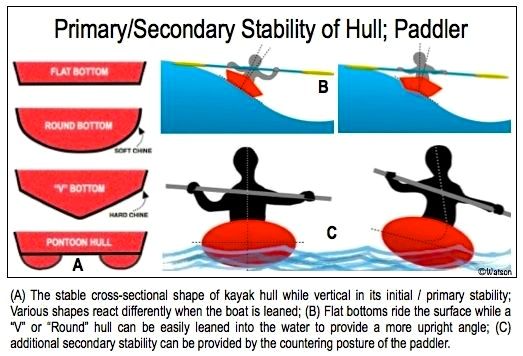
The hull design of a kayak greatly affects its stability. Flat hulls offer more primary stability. They feel steadier in calm waters. V-shaped hulls provide better secondary stability. They are great for rough waters. Choosing the right hull design depends on your needs.Width And Length
A wider kayak offers more stability. It is less likely to tip over. Longer kayaks track better in a straight line. They can be less stable in rough conditions. Balancing width and length is key for stability and performance.Weight Distribution
Proper weight distribution helps maintain kayak stability. Keep heavier items centered and low. This lowers the center of gravity. Avoid overloading one side. It can cause imbalance. Adjusting weight can improve your kayak’s stability.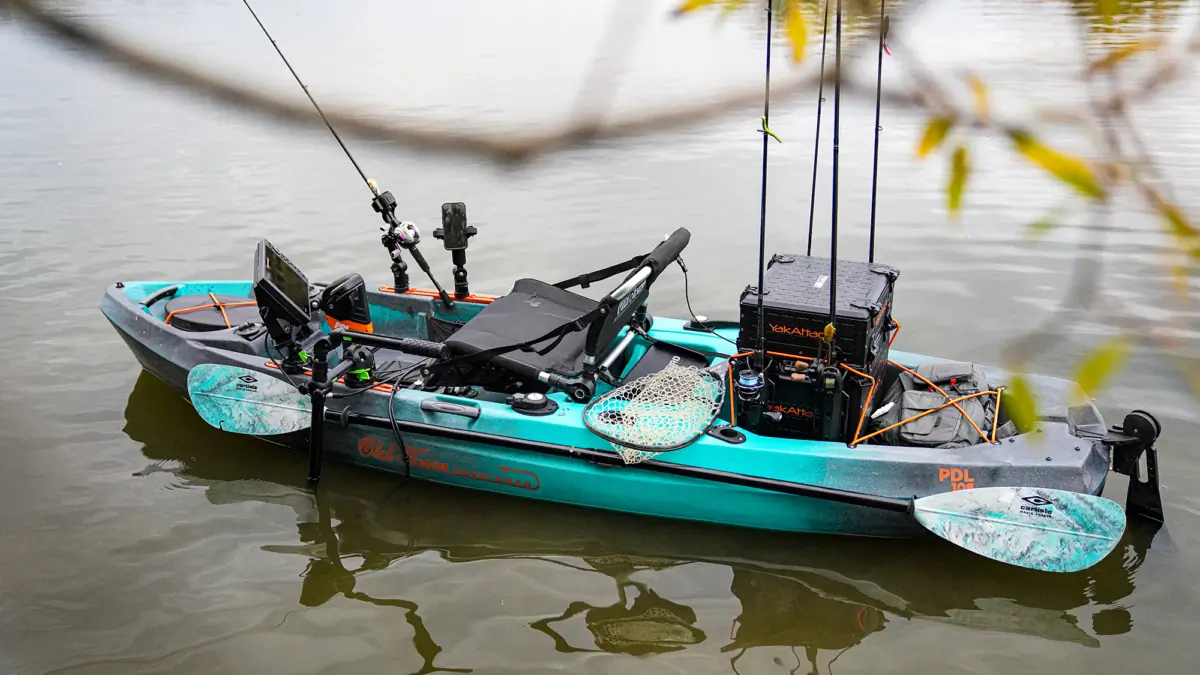
Credit: gearjunkie.com
Choosing The Right Kayak
Making a kayak more stable begins with choosing the right one for your needs. Not all kayaks are created equal; each type offers distinct benefits and challenges. To ensure you’re selecting the best kayak, consider the types available, the materials they’re made from, and how they’ll be used in different environments.
Types Of Kayaks
There’s a wide variety of kayaks designed for different activities and stability levels. Recreational kayaks are great for calm waters and short trips, offering a broader base for stability. Touring kayaks are longer and narrower, ideal for longer journeys but require more balance. Then, there are sit-on-top kayaks, perfect for beginners due to their wider surface and ease of re-entry if you tip over. Each type impacts how stable you’ll feel, so weigh your options carefully.
Material Considerations
The material of your kayak plays a crucial role in its stability and durability. Plastic kayaks are often more affordable and robust, making them a popular choice for beginners. Composite materials like fiberglass or Kevlar provide a lighter and faster experience but can be more susceptible to damage. Inflatable kayaks offer portability and surprising stability, though they may not perform as well in rough conditions. Consider what matters most to you: cost, weight, or durability?
Purpose And Environment
Think about where you plan to kayak and what you’ll be doing. Are you gliding over serene lakes, navigating winding rivers, or challenging ocean waves? Each environment demands different levels of stability and maneuverability. If fishing is your passion, choose a kayak designed for angling with additional space and accessories. If you’re looking for adventure in rapid waters, opt for one with enhanced stability features. How do you envision your kayaking experience?
Modifications For Stability
When you’re out on the water, feeling unstable in your kayak can be unnerving. Luckily, there are several modifications you can make to enhance stability. Whether you’re a beginner or a seasoned paddler, these adjustments can make your kayaking experience safer and more enjoyable.
Adding Outriggers
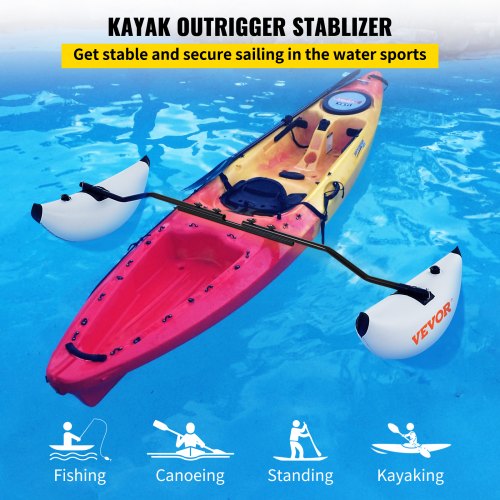
Outriggers are a game-changer for stability. These are additional floats attached to the sides of your kayak, acting like training wheels on a bicycle. They significantly widen the base, making your kayak less prone to tipping over.
Installing outriggers is straightforward. Many kits are available that come with simple instructions. You can even DIY with some PVC pipes and floats if you’re feeling crafty.
Think about the conditions you usually paddle in. If you’re often in choppy waters, outriggers might just be your new best friend.
Adjusting Seat Position
Your seat position affects your center of gravity. Lowering your seat can make your kayak much more stable. This simple adjustment can reduce the chances of flipping over.
Test different positions to find what works best for you. A comfortable and stable seat position enhances not just stability but also paddling efficiency.
Have you ever felt uneasy while paddling? It might just be your seat position needing a tweak.
Installing Skegs Or Rudders
Skegs and rudders help in tracking and stability. A skeg is a fixed fin that helps you move straight, while a rudder is adjustable and aids in steering. Both can stabilize your kayak, especially in windy conditions.
If your kayak doesn’t come with these, you can usually add them with some basic tools. Many kayakers find that once they add a skeg or rudder, their confidence in handling the kayak increases.
Do you often struggle with maintaining a straight course? Consider adding a skeg or rudder to your kayak.
By making these modifications, you can transform your kayaking experience. Feeling stable and secure allows you to focus on the beauty of your surroundings instead of worrying about staying upright.

Credit: tomoutdoors.com
Balancing Techniques
Enhancing stability in a kayak involves adjusting your posture and distributing weight evenly. Use a wider paddle for better control. Install stabilizers or outriggers to reduce wobbling, ensuring a smoother ride.
Balancing your kayak effectively can make your paddling experience smoother and more enjoyable. It’s all about understanding how your body interacts with the kayak and the water. Let’s dive into some essential balancing techniques that can enhance stability.Proper Paddling Form
Maintaining a proper paddling form is crucial for kayak stability. Keep your back straight and your shoulders relaxed. Use your core muscles to paddle rather than relying solely on your arms. This not only increases stability but also reduces fatigue. Imagine paddling efficiently across a serene lake, using your whole body to glide effortlessly. Are you using your full potential to harness the kayak’s stability?Centering Your Weight
Balancing your weight in the kayak is key to avoiding unwanted tipping. Ensure that your weight is evenly distributed along the centerline of the kayak. Sit upright and avoid leaning too far to either side. On a recent kayaking trip, I discovered the difference a few inches can make when shifting weight. Are you mindful of how your weight distribution affects your kayak’s balance?Handling Waves And Currents
Navigating waves and currents requires keen attention and technique. When approaching waves, position your kayak to face them head-on rather than sideways. Lean slightly forward into the wave, maintaining a low center of gravity. This approach helps in absorbing the wave’s impact without losing balance. During my last adventure, I found that reading the water’s movement beforehand helped me prepare and adjust accordingly. How do you approach challenging water conditions to maintain stability?Safety Precautions
Ensuring your kayak’s stability is crucial, but safety should always come first. Before setting out on your kayaking adventure, it’s important to take some key safety precautions. These measures will not only enhance your experience but also keep you protected in unexpected situations. Let’s dive into some essential safety tips to consider.
Wearing A Life Jacket
Never underestimate the importance of a life jacket. Even if you’re a seasoned kayaker, wearing a life jacket is a non-negotiable safety measure. It’s your primary defense against drowning in case of a capsize. Choose a life jacket that fits snugly and allows for easy movement. A bright color can also make you more visible in water. Have you ever wondered how quickly you could find yourself in the water? A life jacket can be your lifesaver.
Assessing Weather Conditions
Weather can change rapidly, and assessing it is crucial for a safe kayaking trip. Check forecasts before heading out and keep an eye on the sky. Avoid kayaking during storms or high winds, as these conditions can make your kayak unstable. Consider how the weather might affect your route. Would you be prepared for a sudden change? A calm day can quickly turn challenging, so stay alert.
Emergency Gear
Having the right emergency gear can make all the difference. Equip your kayak with essentials like a whistle, waterproof flashlight, and a first-aid kit. These tools can help you signal for help or handle minor injuries. Think about what you’d do in an emergency. Are you prepared to tackle unforeseen situations? Carrying a small dry bag with these items ensures you’re ready for anything.
Expert Advice
When it comes to kayaking, stability is key. Whether you’re new to the sport or looking to enhance your skills, expert advice can make all the difference. Drawing from personal experiences and insights, let’s delve into how you can make your kayak more stable, ensuring a more enjoyable and secure adventure on the water.
Common Mistakes To Avoid
Avoid overloading your kayak. Too much weight can shift the balance and make it prone to tipping. Ensure your gear is evenly distributed.
Don’t ignore the importance of proper seating. A seat positioned too high can elevate your center of gravity, reducing stability.
Steer clear of neglecting the paddle techniques. Poor paddling can cause unnecessary wobbling, affecting your balance.
Recommended Practices
Consider adding a stabilizer or outriggers. These tools can dramatically increase your kayak’s stability.
Adjust your seating position. Lower the seat slightly to improve your center of gravity and enhance stability.
Practice maintaining a strong core. Engaging your core muscles helps in balancing the kayak and reducing the risk of tipping.
Training And Workshops
Participate in workshops. Professional trainers can offer invaluable tips tailored to your skill level and kayak type.
Look for local kayaking clubs. They often host training sessions where you can learn from seasoned kayakers.
Consider online tutorials. Many experts share techniques and exercises through videos, which you can practice at your own pace.
What steps have you taken to improve your kayak’s stability? Sharing experiences can help others navigate these waters safely and confidently.
Credit: www.vevor.com
Frequently Asked Questions
What Is The Best Way To Stabilize A Kayak?
Use a wider kayak for better stability. Add outriggers for extra balance. Position your weight evenly. Keep your center of gravity low by sitting or kneeling. Adjust your seat and footrest for comfort and control. Practice paddling techniques to improve stability skills.
What Is The 120 Rule For Kayaking?
The 120 rule for kayaking combines air and water temperatures. If their sum is below 120°F, wear a wetsuit or drysuit for safety. This ensures protection from hypothermia in cold conditions. Always check local conditions and dress appropriately to stay safe while kayaking.
How To Prevent A Kayak From Capsizing?
Maintain balance by distributing weight evenly in the kayak. Use a paddle correctly to stabilize and steer. Choose calm waters and avoid sudden movements. Keep your center of gravity low by sitting properly. Practice self-rescue techniques for emergencies.
Are Outriggers Worth It On A Kayak?
Outriggers enhance stability and balance on a kayak, especially in rough waters. They’re beneficial for beginners and fishing enthusiasts. Although they might slow you down slightly, the added safety and confidence make them worthwhile for many paddlers. Overall, outriggers can be a valuable addition to your kayaking experience.
Conclusion
Enhancing kayak stability boosts your confidence on water. Simple tweaks help. Adjust gear for balance. Use stabilizers for extra support. Practice paddling techniques to improve stability. Keep movements smooth and steady. Choose the right kayak for your needs. Stability ensures a safer, more enjoyable ride.
Try these tips on your next trip. Feel the difference in control. Share your experiences with fellow kayakers. Learn from each adventure. Make stability your priority. Enjoy every paddling moment with peace of mind. Embrace the journey, one stable stroke at a time.