
Loading a kayak onto your car’s roof rack might seem like a daunting task at first. You’re probably wondering how to get started without scratching your car or straining your back.
The good news is, with the right technique, it can become a simple and even enjoyable part of your outdoor adventures. Imagine driving to your favorite lake or river, confident that your kayak is securely fastened and ready for the water.
In this guide, you’ll discover step-by-step instructions designed to make loading your kayak stress-free. Plus, you’ll pick up some insider tips that make the process quicker and easier. So, are you ready to transform this task into a breeze and ensure your next kayaking trip starts smoothly? Let’s dive in!
Preparing Your Kayak
Loading a kayak on a roof rack involves securing it properly to ensure safety. Use straps to tie down the kayak tightly, preventing any movement. Ensure the kayak is centered and balanced to avoid any accidents while driving.
Preparing your kayak for loading onto a roof rack is essential. It ensures safety and ease during transport. Proper preparation prevents damage to both the kayak and your vehicle. Follow these steps for a smooth experience.Inspecting The Kayak
Before loading, check the kayak for any damage. Look for cracks or dents. Ensure all parts are secure, including the seats and paddles. A quick inspection can save time and prevent future problems.Gathering Necessary Equipment
Assemble all tools and accessories needed for loading. Use sturdy straps and a padded roof rack. Consider using a step stool to reach the roof easily. A friend to help can make the process smoother and safer.Choosing The Right Roof Rack
Loading a kayak onto your vehicle’s roof rack might seem daunting, but with the right equipment, it becomes a breeze. Choosing the right roof rack is crucial not only for convenience but also for the safety of your kayak and vehicle. Let’s explore what you need to consider to ensure your adventures start smoothly.
Types Of Roof Racks
Roof racks come in a variety of styles, each designed for different needs. From simple crossbars to elaborate systems with attachments specifically for kayaks, your choice depends on your requirements. Consider saddle-style racks for a snug fit or J-cradles for versatility. If you frequently carry multiple kayaks, stacker racks might be your best bet. Remember, the type of rack affects both loading ease and security.
Compatibility With Your Vehicle
Your vehicle plays a pivotal role in determining the best roof rack. Ensure the rack you choose is compatible with your vehicle’s make and model. Check the weight capacity and dimensions to avoid any mishaps. If you drive a compact car, opt for racks designed for smaller vehicles to maintain aerodynamic efficiency. Can your car handle the weight and wind resistance of a fully-loaded rack?
Having the right roof rack not only enhances your kayaking experience but also safeguards your equipment and vehicle. Make informed choices, and soon you’ll be loading your kayak like a pro, ready for the next adventure.
Securing The Roof Rack
Securing the roof rack is essential for safe kayak transport. Place the kayak on the rack, ensuring it’s centered. Use strong straps to tightly fasten it, preventing movement during travel.
Securing your roof rack is a critical step before you load your kayak. A well-installed and stable roof rack ensures your kayak stays put during transportation, giving you peace of mind on the road. Let’s dive into the essentials of securing your roof rack effectively.Installing The Rack
Begin by ensuring that your roof rack is compatible with your vehicle. Most cars have specific rack systems, so double-check the compatibility before purchasing. Follow the manufacturer’s instructions for installation. Every roof rack comes with a unique set of guidelines, and adhering to them is crucial for safety. Use all included hardware and tools. Skipping parts might seem convenient, but it compromises the rack’s integrity and security.Checking Stability
Once installed, test the stability by giving it a firm shake. The rack should not move or rattle. Inspect the connections regularly. Tighten any loose bolts or screws to maintain a secure fit. Consider performing a short drive before loading your kayak. This helps identify any unusual sounds or movements that might indicate instability. Is your roof rack feeling secure? Ensuring stability not only protects your kayak but also makes your travel worry-free.
Credit: www.youtube.com
Loading The Kayak Safely
Loading your kayak on a roof rack requires careful planning for safety. Position the kayak evenly, ensuring it’s centered and balanced. Secure it tightly using straps, checking for stability before driving.
Loading the Kayak Safely Loading a kayak onto a roof rack can seem daunting at first. Yet, with the right steps, it becomes a straightforward task. Safety is paramount, not just for your kayak but also for your vehicle and, most importantly, for you.Positioning The Kayak
Start by positioning your kayak parallel to your car. This way, you can easily lift and place it onto the roof rack. Make sure the kayak is centered to prevent it from tipping over. Consider the wind direction. Loading your kayak with the bow facing the front of the vehicle can reduce wind resistance. Always ensure the cockpit is closed to avoid any drag.Using Lift Assistance
If you’re loading solo, a lift assist tool can be a game-changer. These tools help elevate one end of the kayak, making it simpler to load onto the roof rack. Many find this especially helpful when dealing with heavier kayaks. Don’t have a lift assist? A simple towel draped over the back of your vehicle can help slide the kayak onto the roof. This DIY method prevents scratches while reducing the effort needed to lift. Have you ever struggled with loading your kayak solo? Finding the right techniques can transform this task from daunting to manageable. Take it one step at a time, and soon, loading your kayak will feel second nature.Securing The Kayak
Place the kayak parallel to the car. Lift it onto the roof rack using two people or a kayak loader. Secure tightly with straps to prevent movement during transport.
Securing the kayak to your roof rack is a critical step you can’t overlook. It’s not just about getting your kayak from point A to point B; it’s about ensuring it arrives safely without shifting or causing damage. Have you ever felt that nagging worry at the back of your mind while driving? Properly securing your kayak can alleviate that and make your journey smooth and worry-free.Strapping Techniques
Using the right strapping techniques is essential. Consider using cam straps, which are both user-friendly and secure. Loop the strap over the kayak, then run it under the roof rack bar and back over the kayak. Secure the buckle and pull tight until the kayak is snug against the rack. Avoid using bungee cords as they can stretch and fail to hold the kayak firmly. Can you imagine the mess of a kayak slipping off mid-drive?Double-checking Security
Once strapped, double-check everything. Gently shake the kayak to ensure it doesn’t move. If it shifts, tighten the straps further. Walk around your car and inspect each strap and buckle. Are they all snug and secure? Don’t rush this step. Taking a few extra minutes to double-check can prevent a potential disaster on the road. Isn’t peace of mind worth it?Driving Tips With A Loaded Kayak
Driving with a kayak securely fastened on your roof rack can be a unique experience, blending the thrill of adventure with the need for mindful driving. Understanding the nuances of handling your vehicle with this extra load can make your journey smoother and safer. Here are some essential tips to help you navigate the roads with confidence while your kayak rides above.
Monitoring Weather Conditions
Weather plays a crucial role in your driving experience with a loaded kayak. A sudden gust of wind can challenge your control over the vehicle. Keep an eye on weather forecasts before hitting the road. If strong winds or heavy rain are predicted, consider postponing your trip or choosing a safer route.
On one occasion, I found myself driving through unexpected rain. The kayak acted like a sail, catching the wind and affecting the steering. This taught me to always check the weather and adjust my plans accordingly. How do you prepare for unexpected weather while driving?
Adjusting Driving Speed
With a kayak on your roof, your car’s aerodynamics change, impacting speed and fuel efficiency. It’s essential to drive at a moderate pace to maintain control and safety. Faster speeds increase wind resistance and can make your vehicle unstable.
Consider reducing your speed, especially on highways. This not only enhances safety but also improves fuel consumption. I once experimented with varying speeds and noticed a significant difference in handling and efficiency. Have you ever noticed how speed affects your driving with a load?
Incorporate regular breaks to ensure your kayak remains secure. Every pit stop is a chance to check the straps and adjust them if necessary. Doing so can prevent potential accidents and offer peace of mind on your journey.
Maintaining Your Roof Rack
Loading a kayak on a roof rack requires proper alignment and secure fastening. Position the kayak centrally to balance weight. Use straps to tightly secure the kayak, preventing any movement during travel.
Maintaining your roof rack is crucial for safe kayak transport. Regular care ensures the rack stays secure and functional. This section will guide you through key maintenance practices.Regular Inspections
Inspect your roof rack frequently. Check for loose bolts or damaged parts. Make sure the rack is firmly attached to your vehicle. Look for signs of rust or wear. Early detection prevents bigger issues.Cleaning And Lubrication
Clean your roof rack regularly to remove dirt and grime. Use mild soap and water. Avoid harsh chemicals that may damage the surface. After cleaning, apply a lubricant to moving parts. This prevents squeaks and ensures smooth operation. Lubricate hinges and locks for optimal performance. Regular cleaning and lubrication extend the life of your roof rack.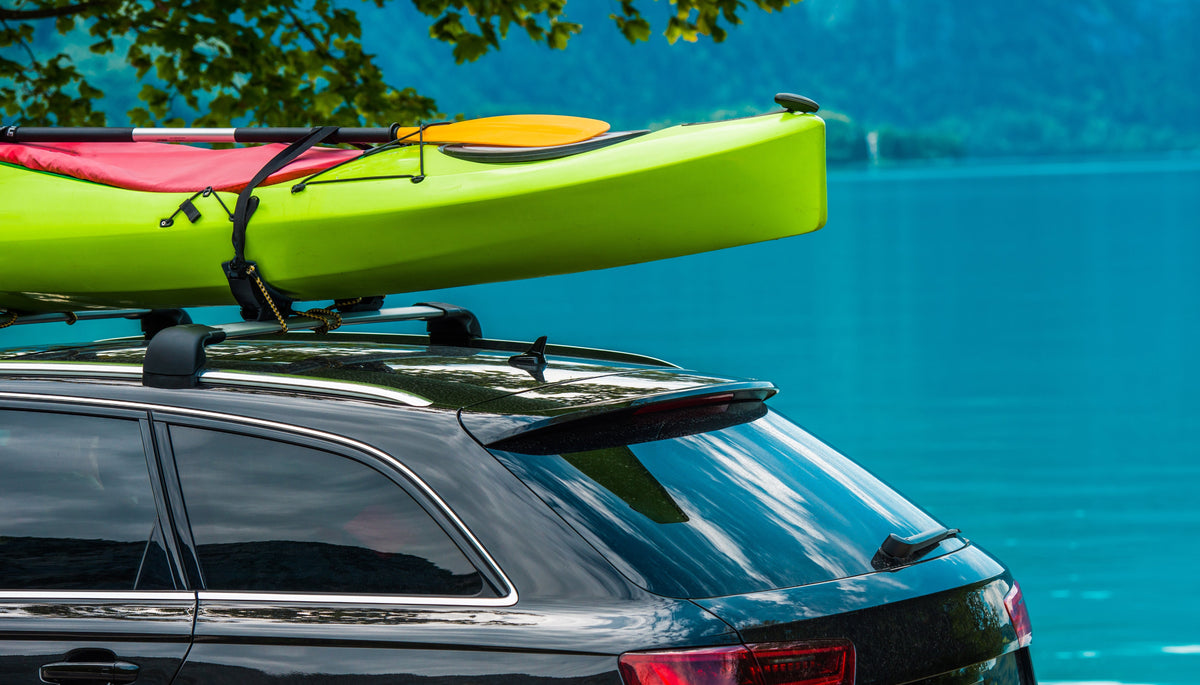
Credit: www.baysports.com.au

Credit: www.facebook.com
Frequently Asked Questions
How To Properly Put Kayaks On A Roof Rack?
Position the kayak evenly on the roof rack. Secure it using straps, ensuring they are tight and firm. Use bow and stern lines for added stability. Check all straps and lines for any looseness. Drive cautiously, especially in windy conditions.
How To Load A Kayak On Top Of A Car?
Position kayak parallel to the car. Lift onto the roof rack with help. Secure with straps tightly. Check stability before driving.
How Fast Can You Drive With A Kayak On The Roof?
Drive at a maximum of 65-70 mph with a kayak on the roof. Secure the kayak properly to avoid accidents. Adjust speed based on road conditions and weather for safety. Check local laws for any specific speed restrictions related to roof loads.
Will I Loader A Kayak?
Yes, you can load a kayak by yourself. Use a kayak cart or roof rack for assistance. Ensure proper technique to avoid injury. Consider lightweight kayaks for easier handling.
Conclusion
Loading a kayak on a roof rack gets easier with practice. Follow the steps carefully. Use the right equipment for safety. Secure the kayak tightly to prevent damage. A friend can help make the process smoother. Check the straps before driving to ensure they’re tight.
Always double-check for stability. Remember, practice makes perfect. Soon, you’ll load your kayak with ease. Safe travels and enjoy your kayaking adventures.