Are you planning a kayaking adventure and wondering if you need a license? Picture yourself gliding smoothly across a serene lake or navigating a rushing river, the wind in your hair and the thrill of nature all around you.
But wait—do you need a license to make this dream a reality? Before you grab your paddle, it’s crucial to know the legal requirements. Ignoring them could lead to unexpected fines or even jeopardize your safety. We’ll dive into everything you need to know about kayaking licenses, unraveling the complexities so you can focus on the fun.
Ready to ensure your kayaking experience is as seamless as possible? Keep reading to find out exactly what you need to hit the water worry-free.
Licensing Requirements For Kayaking
Kayaking is a thrilling way to explore the great outdoors, but before you hit the water, it’s important to understand the licensing requirements. Whether you’re paddling through serene lakes or tackling rushing rivers, knowing the rules can save you from unexpected fines or restrictions. Let’s dive into the specific requirements you might encounter, depending on where and how you plan to kayak.
State Regulations
In the United States, licensing requirements for kayaking vary widely from state to state. Some states, like Minnesota, require a registration for kayaks over a certain length, while others have no such mandates. It’s crucial to check with your state’s Department of Natural Resources or equivalent agency to ensure compliance.
Personal experiences shared by kayakers often highlight the differences in state regulations. For instance, a paddler in Ohio might not need a license, but crossing into Pennsylvania could change that. Always be prepared by researching the specific rules of any state waters you plan to explore.
Federal Guidelines
On a federal level, the U.S. Coast Guard sets safety standards that all kayakers should follow, though licensing is typically not required. These guidelines focus on having proper safety gear, such as life jackets and signaling devices. Understanding these federal rules can enhance your safety and enjoyment on the water.
Have you ever found yourself in a situation where federal safety gear requirements made a difference? Many paddlers can attest to the peace of mind that comes with being well-prepared. It’s a simple step that can have a significant impact.
International Rules
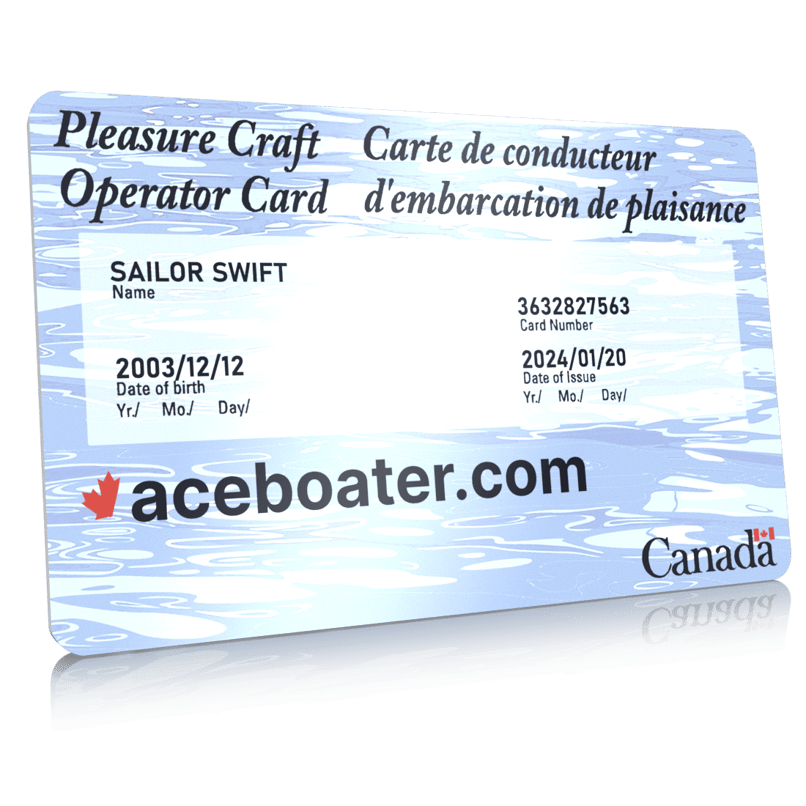
If you’re planning to kayak abroad, international regulations can add another layer of complexity. Countries like Canada may require a Pleasure Craft Operator Card for certain types of vessels, including kayaks. Researching the specific rules of your destination can prevent legal hassles and ensure a smooth paddling adventure.
Consider reaching out to local paddling communities or forums for advice and firsthand experiences. Have you ever wondered how different countries approach boating safety? Understanding these international differences can not only keep you compliant but also enrich your global kayaking experiences.

Credit: www.facebook.com
Exceptions To Kayak Licensing
Certain areas offer exceptions to kayak licensing rules. Some regions allow kayaking without a license on private waters or small lakes. Always check local regulations to ensure compliance.
Kayaking is a thrilling adventure that many enjoy without the hassle of licensing. Certain circumstances allow enthusiasts to paddle freely. These exceptions make kayaking accessible and enjoyable for all.Private Waterways
On private waterways, licenses are often not required. Owners can set their own rules. Paddlers enjoy a serene environment without legal concerns. This setting is perfect for those who wish to kayak in peace. It offers a more personal experience with nature.Special Events
Special events often permit kayaking without a license. These events are organized by communities or clubs. They provide a chance for social interaction. Such occasions bring people together to enjoy the sport. Participants can learn from each other and share experiences.Youth And Educational Programs
Youth programs encourage kayaking without the need for a license. These programs aim to teach skills and safety. They promote confidence and teamwork among young paddlers. Educational programs focus on learning rather than regulations. This approach fosters a love for kayaking and the outdoors.How To Obtain A Kayak License
Some places require a kayak license, while others do not. Check local regulations to determine if you need one. For areas requiring a license, visit your local boating authority or website to apply and learn more.
Obtaining a kayak license might sound like a daunting task, but it can be a smooth journey if you know the right steps. Whether you’re a seasoned paddler or new to the waters, having a kayak license ensures you’re well-informed about local regulations and safety standards. Plus, it gives you the freedom to explore diverse waterways without any legal hiccups. Let’s break down the process to help you get started on your licensing adventure.Application Process
Getting started with your kayak license application is easier than you might think. Begin by visiting your local Department of Natural Resources (DNR) website. Look for the section dedicated to boating or small watercraft licenses. Most regions offer both online and mail-in applications. You’ll need to fill out a form that typically asks for personal details and information about your kayak. After submission, you’ll either receive your license by mail or be asked to pick it up in person.Required Documentation
Before you hit ‘submit’ on your application, gather a few essential documents. A valid ID, such as a driver’s license or passport, is usually required to verify your identity. You might also need to provide proof of kayak ownership, like a purchase receipt or registration certificate. Some areas require you to complete a safety course, so keep your course completion certificate handy too.Fees And Costs
Understanding the financial aspect of obtaining a kayak license helps you budget accordingly. Licensing fees can vary widely depending on your location. Typically, you can expect to pay a modest fee that covers administrative costs. Check if there are any additional charges for expedited processing or renewals. Remember, investing in a license not only keeps you compliant but also supports local waterway management initiatives. Isn’t it comforting to know that securing a kayak license is not only manageable but also ensures a safe and legal paddling experience? Now that you’re equipped with the knowledge, you can confidently take the next steps toward your kayaking adventures.
Credit: www.watersportswhiz.com
Benefits Of Having A Kayak License
Having a kayak license ensures safety and legal compliance on waters. It enhances skills and knowledge for a better kayaking experience.
Owning a kayak license can significantly enhance your paddling experience. While it might not always be mandatory, having a license offers numerous benefits that can make your kayaking adventures safer and more enjoyable. From accessing exclusive areas to ensuring legal protection, a license can be your key to unlocking a whole new world on the water.Access To Restricted Areas
A kayak license can open doors to areas that are otherwise off-limits to unlicensed paddlers. Some regions require special permits for entry, particularly in protected natural reserves. Imagine paddling through serene waters with exclusive access to breathtaking landscapes and wildlife. With a license, you’re not just a visitor; you’re part of a select group who can enjoy these hidden gems.Safety Assurance
Licenses often come with safety training, equipping you with essential skills to handle various situations. Understanding how to navigate currents, weather changes, and other challenges can be life-saving. Plus, knowing you’re prepared can boost your confidence, allowing you to focus more on the adventure and less on potential hazards.Legal Protection
With a license, you are on the right side of the law, reducing the risk of fines or other legal issues. It’s not just about avoiding penalties; it’s about being a responsible paddler who respects the rules of the water. Should any disputes arise, having a license provides documented proof of your commitment to legal and safe kayaking practices. Consider how these benefits can transform your kayaking journeys. Do you want to explore restricted waters, feel safer, and ensure you’re protected by law? With a kayak license, you’re not just paddling; you’re paddling smart.
Credit: flatwaterkayakclub.com
Frequently Asked Questions
What Is Required To Kayak In Texas?
To kayak in Texas, you need a life jacket, whistle, and a valid Texas Parks and Wildlife Department registration for vessels over 14 feet. Follow local waterway regulations and be mindful of weather conditions. It’s essential to have basic kayaking skills for safety.
Do You Need A License For Your Kayak?
Kayak licensing depends on your location. In the U. S. , some states require a license for specific waterways. Always check local regulations to ensure compliance. In the UK, a license is often needed for paddling on certain rivers and canals.
It’s essential to verify the rules before kayaking.
What Is Required To Kayak In Ohio?
To kayak in Ohio, you need a valid Ohio boating license. Wear a life jacket approved by the U. S. Coast Guard. Ensure your kayak is registered if it’s motorized. Follow all local waterway rules and regulations. Check weather conditions before heading out.
Do I Need To Register A Kayak In Wa?
In Washington, kayaks do not require registration as they’re non-motorized vessels. Always check local regulations for updates.
Conclusion
Kayaking can be a fun and relaxing activity. Licenses depend on where you kayak. Many places don’t require one. Always check local rules before heading out. Safety should be your top priority. Wear a life jacket, no matter the law.
Know your skill level and weather conditions. Beginner-friendly spots are best for new kayakers. Learning basic techniques helps you enjoy more. Remember, nature is unpredictable. Stay cautious and respectful of the environment. Enjoy your time on the water. Kayaking offers peace and adventure.
A perfect blend for those seeking outdoor fun.