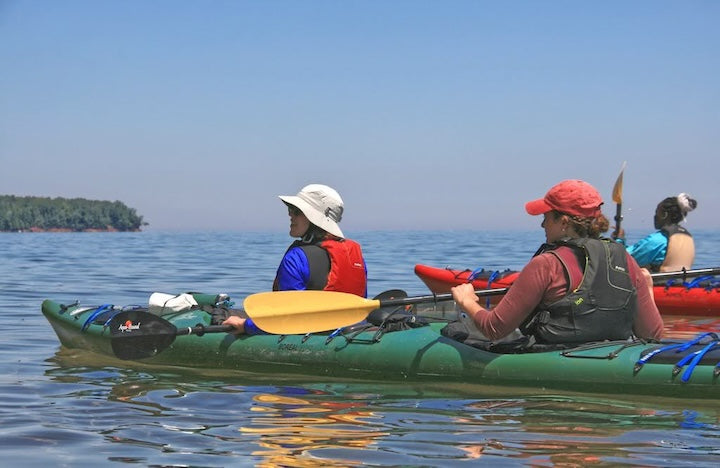
Are you ready to take your kayaking experience to the next level? Imagine gliding smoothly across the water, working in perfect harmony with your partner, and discovering the joys of tandem kayaking.
Whether you’re a seasoned paddler or a curious beginner, mastering the art of paddling a tandem kayak can open up a world of adventure and connection. In this guide, you’ll learn simple techniques to navigate with ease, avoid common mistakes, and truly enjoy the journey.
Get ready to unlock the secrets of tandem kayaking and create unforgettable memories on the water. Your perfect paddle awaits!

Credit: www.reddit.com
Choosing The Right Tandem Kayak
Choosing a tandem kayak requires understanding how to paddle together effectively. Synchronizing paddles helps maintain balance and speed. Good communication between partners ensures a smooth and enjoyable kayaking experience.
Choosing the right tandem kayak is crucial for an enjoyable paddling experience. Whether you’re planning a leisurely day on a calm lake or tackling more challenging waters, the kayak you select can greatly influence your adventure. Consider the types, materials, durability, size, and weight of the kayak to make an informed decision.Types Of Tandem Kayaks
Tandem kayaks come in various designs, each suited for different water conditions and paddling styles. Sit-on-top kayaks are perfect for beginners, offering stability and ease of use. They’re great for warm weather and easy entry and exit. Sit-in kayaks provide more control and protection from the elements, ideal for longer trips or colder waters. Inflatable tandem kayaks are incredibly portable and easy to store, making them a popular choice for those with limited storage space.Materials And Durability
The material of your tandem kayak significantly affects its performance and lifespan. Polyethylene kayaks are durable and affordable, making them great for beginners. They’re resistant to impacts and scratches. Composite kayaks, made from fiberglass or carbon fiber, are lighter and faster but come with a higher price tag. They offer excellent performance for seasoned paddlers who prioritize speed and efficiency.Size And Weight Considerations
Size and weight are pivotal factors in your kayaking adventure. A longer kayak typically offers better tracking and speed, making it suitable for open waters. However, it might be challenging to maneuver in tight spaces. Shorter kayaks are more agile and easier to transport but may sacrifice some speed. Consider the combined weight of the paddlers and gear to ensure the kayak’s capacity aligns with your needs. A kayak that’s too heavy can be cumbersome to transport and launch, diminishing the fun before you even hit the water. Choosing the right tandem kayak is about finding a balance between your needs and the kayak’s features. What type suits your paddling plans? What material matches your budget and durability requirements? How will size and weight affect your transportation and paddling experience? Answering these questions will guide you to a kayak that’s perfect for your adventures.Essential Gear For Tandem Kayaking
Paddling a tandem kayak requires synchronized teamwork and communication. Essential gear includes paddles designed for ease, life jackets for safety, and dry bags to keep belongings secure. Comfortable seating and a waterproof map can enhance the adventure.
Embarking on a tandem kayaking adventure can be an exhilarating experience. But before you hit the water, it’s crucial to gather the right gear to ensure a smooth and enjoyable journey. From paddles to safety equipment and comfort accessories, having the right tools can make all the difference in your kayaking experience. Let’s dive into the essential gear you need for tandem kayaking.Paddles
Choosing the right paddles is vital for efficient tandem kayaking. You’ll want a paddle that is lightweight yet sturdy. A well-designed paddle can help you glide through the water effortlessly. Consider paddles with adjustable lengths to suit different heights and paddling styles. Aluminum or carbon fiber paddles are excellent choices for their durability and lightness. Have you ever tried paddling with a heavy paddle? It can turn a fun outing into a tiring chore. Opt for ergonomic handles for a comfortable grip that reduces strain on your wrists. A fun fact: the right paddle can improve your speed and reduce fatigue, making your kayaking trip more enjoyable.Safety Equipment
Safety should always be a priority when kayaking. Ensure each kayaker has a well-fitted life jacket designed for kayaking. Life jackets not only provide buoyancy but also have pockets for storing essentials like snacks or a phone. Additionally, a whistle can be a lifesaver, allowing you to signal for help in case of emergency. Have you thought about a waterproof first aid kit? It’s a compact addition that can be crucial in an unexpected situation. Remember, being prepared ensures peace of mind and lets you focus on the adventure.Comfort Accessories
Comfort can enhance your kayaking experience significantly. Seat cushions or adjustable backrests provide extra support, especially during long trips. They minimize back pain and keep you comfortable throughout the journey. Consider bringing waterproof bags to keep your belongings dry. These bags protect items like cameras or snacks from water splashes. Have you considered a sun hat or sunglasses? Protecting yourself from the sun’s glare can prevent fatigue and keep you focused on paddling. In tandem kayaking, communication and teamwork are key. But how can you enjoy the adventure if you’re uncomfortable or worried about safety? With the right gear, you can focus on the thrill of navigating together and creating unforgettable memories on the water.Preparing For Your Kayaking Adventure
How to Paddle a Tandem Kayak Learn to paddle a tandem kayak by coordinating with your partner. Practice synchronized strokes for smooth movement. Keep communication clear to maintain balance and direction.
Preparing for a tandem kayaking adventure can be exciting. It ensures a smooth, enjoyable experience on the water. Proper preparation involves knowing the weather, packing efficiently, and planning your route. Each aspect plays a vital role in your adventure.Weather And Water Conditions
Check the weather forecast before your trip. Look for clear skies and mild temperatures. Avoid days with high winds or storms. Water conditions are equally important. Calm waters make paddling easier and safer. Local resources or apps can provide this information.Packing Efficiently
Bring only what you need. Space is limited in a kayak. Essentials include a life jacket, water bottle, and sunscreen. A small dry bag is useful for valuables. Pack snacks for energy. A lightweight raincoat can be helpful.Route Planning
Choose a route suitable for your skill level. Consider distance and time. Research the area for interesting stops. Mark places to rest or enjoy nature. Avoid routes with strong currents. Safety should be a priority. Proper preparation enhances your kayaking adventure. It ensures safety and enjoyment.
Credit: www.facebook.com
Launching Your Tandem Kayak
Launching your tandem kayak is the start of an exciting adventure. Each paddler should coordinate strokes for smooth movement. Communication and rhythm are key to navigating effectively.
Launching a tandem kayak can be a fun part of your adventure. It requires preparation and awareness to ensure a smooth start. Whether you are a beginner or experienced paddler, understanding the basics of launching can enhance your kayaking experience.Finding A Suitable Launch Site
Select a calm, clear area for launching. Avoid rocky or crowded spots. Check the water depth; it should be shallow enough to stand comfortably. Look for a gradual slope to ease entry and exit.Proper Entry Techniques
Position the kayak parallel to the shore. One person should stabilize the kayak. Enter the kayak one at a time. The person at the back should enter first. Use the paddle for balance if necessary.Balancing And Stability
Sit in the center of your seat. Keep your feet on the footrests. Your back should be straight. Communicate with your partner to synchronize movements. This helps maintain stability and prevents tipping.Paddling Techniques For Tandem Kayaking
Paddle a tandem kayak by synchronizing strokes with your partner. Maintain a steady rhythm to glide smoothly. Communication is key for navigating and adjusting speed together.
Paddling a tandem kayak requires teamwork and coordination. It’s essential to understand the correct techniques for a smooth ride. These techniques help in maintaining balance and efficiency. Below are some key methods to enhance your tandem kayaking experience.Synchronizing Strokes
In tandem kayaking, synchronization is crucial. Both paddlers should paddle at the same pace. This keeps the kayak moving straight and steady. Communicate with each other to maintain rhythm. The front paddler sets the pace, while the rear paddler follows. Practice together to develop a natural flow.Steering And Maneuvering
The rear paddler primarily handles steering. Use a sweep stroke to turn the kayak. For a right turn, paddle on the left side. For a left turn, paddle on the right side. The front paddler can assist by paddling harder on the opposite side. This teamwork ensures smooth maneuvering through the water.Managing Speed And Direction
Controlling speed is important in tandem kayaking. Paddle faster to increase speed. Slow down by paddling gently. Always communicate about speed changes. Maintain a consistent speed for longer journeys. Align your strokes to keep the kayak going in the desired direction. Adjust your strokes to counter wind or current.Communication And Coordination
Communication and coordination are vital for a successful tandem kayak experience. Working together ensures smooth navigation and enhances safety. Clear communication helps in avoiding mishaps and promotes efficient paddling. Coordination between kayakers leads to a harmonious journey on the water.
Roles And Responsibilities
Each paddler has distinct roles. The front paddler sets the pace and steers. The rear paddler provides power and direction. Both paddlers must understand their responsibilities. Balance and teamwork are essential for effective paddling.
Signals And Commands
Develop simple signals for communication. Use hand gestures for direction changes. Verbal commands should be concise and clear. Agree on signals before starting. This reduces confusion and ensures quick responses.
Problem Solving On The Water
Encountering challenges is common. Stay calm and assess the situation. Communicate clearly to decide on solutions. Work together to overcome obstacles. Adaptability and teamwork are key to handling problems.
Handling Challenges On The Water
Paddling a tandem kayak requires coordination between two people. The front paddler sets the rhythm, while the back paddler steers. Communication is key to handle challenges effectively.
Handling a tandem kayak can be thrilling yet challenging. Unexpected obstacles often arise while on the water. Understanding how to handle these challenges can enhance your paddling experience.Navigating Currents
Currents can be unpredictable and strong. Always paddle in sync with your partner. This helps maintain balance and direction. Position the kayak to face the current. This reduces the kayak’s surface area against the water. Communicate with each other to adjust your paddling speed. Keep a steady pace to move efficiently through the current.Dealing With Wind And Waves
Wind and waves can impact your kayaking journey. Paddle into the wind for better control. Use shorter, quick strokes to maintain stability. If waves are high, paddle at an angle. This approach prevents waves from tipping the kayak. Stay calm and communicate constantly with your partner. This ensures you both react in a coordinated manner.Emergency Situations
Emergencies can occur without warning. Always wear life jackets for safety. If the kayak capsizes, stay calm. Hold onto the kayak and communicate with your partner. Try to flip the kayak back over together. If you cannot, swim it to the shore if close enough. Keep a whistle on hand for signaling others. This ensures you can call for help if needed.Tips For Enjoying The Journey
Paddling a tandem kayak can be a delightful experience. Sharing the journey with another person brings a unique sense of adventure. To make the most of your outing, focus on enjoying the journey. Discover scenic spots, watch wildlife, and capture memories. With a few simple tips, your kayak trip can be unforgettable.
Scenic Spots To Explore
Seek out places with breathtaking views. Calm lakes and gentle rivers are ideal. Coastal areas offer stunning ocean vistas. Look for hidden coves and sandy beaches. These spots enhance your kayaking experience.
Wildlife Watching
A tandem kayak lets you glide quietly on water. This makes it perfect for observing nature. Watch for birds, fish, and other creatures. Early mornings and evenings are great times. Stay alert and enjoy the surprises.
Photography From A Kayak
Capture the beauty of your surroundings. Use a waterproof camera for safety. Take shots of landscapes and wildlife. Focus on the play of light on water. Keep your camera ready for spontaneous moments. These photos will be cherished memories.
Maintaining Your Tandem Kayak
Paddling a tandem kayak requires teamwork and synchronization. Communicate with your partner to coordinate strokes and direction. Practice makes perfect, so spend time on the water to develop a smooth rhythm together.
Maintaining your tandem kayak is essential for both safety and longevity. A well-maintained kayak provides a smoother ride and reduces the risk of unexpected issues on the water. Regular care ensures that your investment stays in top condition for countless adventures.Cleaning And Storage
After every use, rinse your tandem kayak with fresh water to remove salt, sand, and debris. Pay attention to crevices and hard-to-reach areas where dirt can accumulate. Once clean, dry it thoroughly to prevent mold and mildew. Store your kayak in a cool, dry place away from direct sunlight. Prolonged exposure to UV rays can cause fading and weaken the kayak’s material. If space is limited, consider using wall mounts or ceiling hoists to keep it secure and out of the way.Regular Inspections
Make it a habit to inspect your kayak before and after each outing. Check for cracks, dents, or any signs of wear and tear that could affect performance. Examine the hardware, such as screws and buckles, to ensure everything is tight and functional. Don’t overlook the integrity of the seats and footrests. Comfortable seating can make or break your kayaking experience, so ensure they are properly adjusted and secure. Regular inspections can help you catch small issues before they become big problems.Repairs And Upgrades
Address repairs promptly to avoid further damage. Small cracks can often be fixed with a repair kit designed for your kayak’s material. If you’re unsure, consult with a professional to ensure the repair is done correctly. Consider upgrading parts of your kayak for enhanced performance. For instance, upgrading to more ergonomic seats or lightweight paddles can significantly improve your experience. Have you thought about adding a GPS mount or fishing rod holder? These upgrades can personalize your kayak to better suit your adventures. Maintaining your tandem kayak doesn’t have to be a chore. With regular attention and care, you ensure a safer and more enjoyable kayaking experience. What will your next adventure look like with a perfectly maintained kayak?
Credit: capefalconkayak.com
Frequently Asked Questions
Is It Hard To Paddle A Tandem Kayak?
Paddling a tandem kayak can be challenging for beginners. Coordination and communication between paddlers are essential. With practice, it becomes easier and more enjoyable. Tandem kayaks are stable, making them suitable for calm waters. Remember to synchronize your strokes for efficient paddling.
Who Steers In A Double Kayak?
The person seated in the rear typically steers a double kayak. They control the direction using the paddle. The front paddler focuses on maintaining rhythm and speed. Effective communication between both paddlers ensures smooth navigation.
How To Tandem Kayak For Beginners?
To tandem kayak as a beginner, communicate effectively with your partner. The stronger paddler sits in the back. Maintain a steady rhythm and coordinate paddle strokes. Practice steering by using wider strokes in the back. Always wear life jackets and start in calm waters for safety.
Who Sits Where In Tandem Kayak?
The stronger paddler sits in the back of a tandem kayak. The front seat is for the lighter paddler. The rear paddler steers, while the front paddler sets the pace. Balance and coordination are key for efficient tandem kayaking. Enjoy teamwork and communication for a fun kayaking experience.
Conclusion
Paddling a tandem kayak can be a fun adventure. With practice, coordination improves. Communication is key for smooth paddling. Both paddlers should stay in sync. This ensures balance and speed. Always wear life jackets for safety. Choose calm waters when starting out.
This helps build confidence. Respect nature and enjoy the journey. Tandem kayaking strengthens teamwork. It’s a great way to bond. Explore new places together. Remember, practice makes perfect. Keep paddling and enjoy the ride.