
Are you tired of tripping over your kayak in the garage or finding it covered in scratches and dents? Properly storing your kayak not only saves you space but also extends the life of your beloved watercraft.
Imagine the peace of mind you’ll feel knowing your kayak is safely tucked away, ready for your next adventure. This guide will show you the best ways to store your kayak, whether you have ample space or are working with a tight area.
You’ll discover tips and tricks that make the process simple and stress-free. Read on to unlock the secrets to keeping your kayak in top-notch condition, so it’s always ready to hit the water when you are.
Choosing The Right Storage Location
Selecting an ideal storage location for your kayak is crucial to protect it from damage. Choose a dry, shaded area to prevent fading and warping. Ensure the space is secure and easily accessible for regular use.
Choosing the right location to store your kayak is crucial for maintaining its longevity and performance. The environment in which you store it can significantly impact its condition. Whether you have ample indoor space or are considering outdoor alternatives, making an informed decision will ensure your kayak remains in top shape for your next adventure.Indoor Vs. Outdoor Options
Choosing between indoor and outdoor storage is a key decision. Indoor storage, such as a garage or basement, offers protection from the elements and reduces the risk of theft. However, it requires ample space and careful positioning to avoid damage from other stored items. Outdoor storage might be the only option for some, providing flexibility and ease of access. But outdoor conditions expose your kayak to sun, rain, and temperature fluctuations, which can cause wear over time. Consider using kayak covers or tarps to minimize exposure to the elements if you opt for outdoor storage.Climate Considerations
Your local climate plays a pivotal role in kayak storage decisions. In colder regions, freezing temperatures can cause materials to crack or warp. Indoor storage becomes even more beneficial in such climates, offering a controlled environment that shields your kayak from extreme cold. In warmer climates, prolonged sun exposure can degrade the kayak’s materials, leading to fading and brittleness. If you must store your kayak outside, ensure it’s kept in a shaded area. Alternatively, UV-protective covers can offer an extra layer of protection, preserving your kayak’s condition. Have you considered how your local weather patterns affect your kayak’s storage needs? By evaluating both your space and climate, you can make a choice that keeps your kayak ready for the water, season after season.Preparing Your Kayak For Storage
Properly storing your kayak ensures its longevity and performance. Clean it thoroughly and let it dry completely. Then, place it in a cool, dry area away from direct sunlight to prevent damage.
Preparing your kayak for storage is essential for maintaining its longevity and ensuring a smooth start to your next adventure. Proper preparation prevents damage and keeps your kayak in top condition. Whether you’re storing it for the winter or just for a short break, dedicating some time to its care can make all the difference. Let’s dive into the key steps for preparing your kayak for storage.Cleaning And Drying
Begin by thoroughly cleaning your kayak. Remove all dirt, sand, and salt to prevent long-term wear and tear. Use a mild soap and water solution, scrubbing with a soft brush for stubborn spots. Rinse the kayak thoroughly with fresh water. Make sure all soap residue is gone. This step is crucial, especially if you’ve been paddling in saltwater. After cleaning, allow your kayak to dry completely. Moisture can lead to mold and mildew, which can damage the material. Consider propping it up in a sunny, ventilated spot for a faster drying process.Inspecting For Damage
Carefully inspect your kayak for any signs of damage. Look for cracks, gouges, or deep scratches that could worsen over time. Addressing these issues now can prevent more extensive repairs later. Check the seams and joints. Ensure there are no loose fittings or leaks. If you find any, repair them promptly to maintain the kayak’s integrity. Don’t forget to examine the hardware. Tighten any loose screws or bolts. Replace any missing or damaged parts to ensure your kayak is ready for its next outing. Taking these steps not only protects your investment but also enhances your future kayaking experiences. Isn’t it better to spend a bit of time now than face costly repairs later? Your kayak will thank you!Properly Supporting Your Kayak
Proper storage of your kayak is essential to prevent damage and extend its lifespan. Ensure it’s supported evenly by using a padded rack or wall-mounted brackets. Keep it away from direct sunlight and extreme temperatures to maintain its condition.
Properly supporting your kayak is essential for its longevity. Incorrect storage can lead to damage or warping. Follow these guidelines to keep your kayak in top condition.Using Racks And Wall Mounts
Racks and wall mounts provide excellent support. They keep the kayak off the ground. This prevents damage from moisture and pests. Choose racks designed specifically for kayaks. These racks distribute weight evenly. Look for mounts with padded arms. Padding reduces scratches and dents.Avoiding Pressure Points
Avoid pressure points when storing your kayak. Pressure points can cause dents or warping. Use wide straps to cradle your kayak. Ensure straps are not too tight. Tight straps can create pressure spots. Position the kayak hull-side up. This position helps maintain its shape. Rotate the kayak occasionally. Rotating prevents pressure buildup in one area. Proper support ensures your kayak stays in great condition. Enjoy more adventures on the water.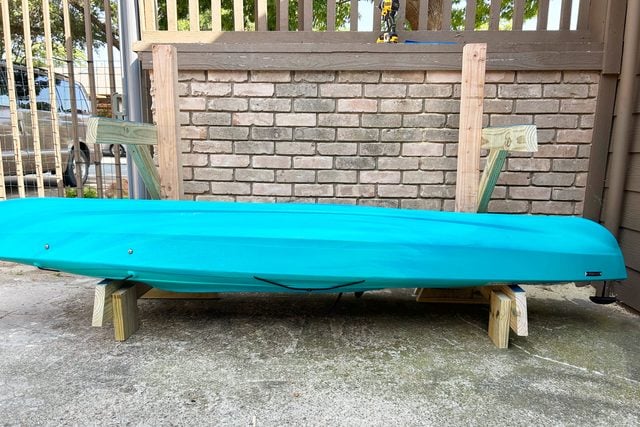
Credit: www.familyhandyman.com
Protecting Your Kayak From Elements
Storing your kayak properly helps protect it from weather damage. Keep it in a shaded area, away from direct sunlight. Use a kayak cover to shield it from rain and dust.
Protecting your kayak from the elements is crucial to extend its lifespan and maintain its performance. Whether you store your kayak outdoors or in a garage, exposure to sun, rain, and wind can degrade its material over time. You can take simple yet effective steps to shield your kayak from harsh weather conditions, ensuring it’s ready for your next adventure.Uv Protection
The sun can be a kayak’s worst enemy, with UV rays potentially causing fading and weakening the material. To combat this, apply a UV protectant spray specifically designed for kayaks. These sprays create a protective layer that guards against sun damage. Another option is to store your kayak in a shaded area, such as under a tree or an overhang. If these aren’t available, consider investing in a UV-resistant kayak cover. This cover will add an extra barrier between your kayak and the sun, keeping it in top condition.Weatherproof Covers
Rain, snow, and wind can wreak havoc on your kayak if it’s not adequately protected. A weatherproof cover is essential for outdoor storage. Choose a cover made from durable, waterproof material that fits snugly over your kayak. Ensure the cover has straps or ties to secure it tightly, preventing wind from blowing it off. Regularly check the cover for any tears or wear and replace it if necessary. A good cover not only protects from moisture but also keeps dirt and debris away. Have you ever considered how a small investment in a high-quality cover can save you from costly repairs? Think of it as an insurance policy for your kayak, one that ensures it’s always adventure-ready.Security Measures
Safeguard your kayak by choosing a secure storage spot. Use locks and covers to deter theft and weather damage. Regular checks ensure the kayak remains in good condition.
Securing your kayak is crucial for protecting your investment. Theft can happen, especially if your kayak is stored outdoors or in shared spaces. Implementing solid security measures ensures your kayak remains safe and sound. Let’s explore effective ways to safeguard your kayak.Locking Systems
Using a reliable lock system is essential. Cable locks are popular for securing kayaks. They are flexible and can loop through handles and other parts. Look for locks made of durable materials. Stainless steel or hardened steel offers strong resistance against cutting. Combination locks or key locks are available. Choose a lock type that suits your preference and convenience. For added security, use multiple locks. Secure your kayak to immovable objects like a wall or ground anchor. This makes it harder for thieves to move or lift your kayak away.Monitoring And Surveillance
Installing cameras can deter potential thieves. Position cameras to cover all angles around your kayak storage area. Choose cameras with night vision for 24-hour surveillance. Ensure cameras have a clear view and are not obstructed by objects. Motion-sensor lights can also enhance security. They activate when someone approaches, alerting you of movement. Linking cameras to your smartphone allows remote monitoring. You can check live footage anytime, providing peace of mind. If possible, set up alerts for unusual activity. This helps you act quickly if something seems off.
Credit: www.amazon.com
Seasonal Maintenance Tips
Storing your kayak properly ensures its longevity. Keep it in a cool, dry place away from sunlight. Use a rack or hang it to maintain its shape and prevent damage.
Seasonal Maintenance Tips Proper kayak maintenance extends its life and ensures safe adventures. Regular care helps prevent damage and keeps your kayak ready for the water. Seasonal maintenance is crucial for avoiding costly repairs. Use these tips to keep your kayak in top shape throughout the year.Regular Checks
Examine your kayak for any cracks or dents. These can worsen over time and affect performance. Inspect the hull and deck for scratches. Clean these areas to prevent dirt accumulation. Check the rudder and skeg for smooth operation. Lubricate moving parts to ensure they function properly. Verify the condition of straps and buckles. Replace any worn parts to maintain security.Off-season Care
Store your kayak indoors during the off-season. This prevents weather-related damage. Choose a dry and cool location. Avoid direct sunlight which can fade colors. Hang your kayak to prevent warping. Use straps that support its shape. Cover your kayak with a tarp to protect it from dust. Check on it periodically to ensure it remains dry.
Credit: www.baysports.com.au
Frequently Asked Questions
Is It Better To Store A Kayak Vertically Or Horizontally?
Store kayaks horizontally to prevent damage and maintain shape. Use padded supports for even weight distribution. Vertical storage can cause warping or dents. Keep it in a dry, cool place away from direct sunlight. Proper storage extends the kayak’s lifespan and ensures optimal performance on water.
Is It Okay To Leave A Kayak Outside In Winter?
Leaving a kayak outside in winter can cause damage. Cold temperatures and moisture can lead to cracks or warping. Protect it by storing indoors or using a weatherproof cover. Regularly check for any signs of wear or damage. Proper care ensures your kayak stays in good condition for future use.
Can You Store A Kayak On Sawhorses?
Yes, you can store a kayak on sawhorses. Ensure the sawhorses are padded to prevent damage. Position them under the kayak’s bulkhead or cockpit for balanced support. This method helps maintain the kayak’s shape and avoids dents. Regularly check for any pressure points to keep it in good condition.
How To Store A Kayak When Living In An Apartment?
Store a kayak vertically in a corner with straps for stability. Use a wall mount for horizontal storage. Consider inflatable kayaks for easy storage. Use a balcony or rented storage unit if space is limited. Protect it with a cover to prevent dust and damage.
Conclusion
Storing your kayak properly keeps it in great shape. Choose a safe spot, like a garage or shed. Keep it off the ground to prevent damage. Use a kayak rack or hang it on a wall. Protect it from direct sunlight and extreme temperatures.
Consider using a cover for extra protection. Regularly check for any signs of wear or damage. Keeping your kayak clean helps it last longer. Follow these tips and your kayak will be ready for your next adventure. Enjoy your paddling, knowing your kayak is safe and sound!