
Have you ever wondered if you really need a life jacket when kayaking? It’s a question many paddlers ask, especially when the sun is shining and the water looks calm.
But do you know the risks involved if you skip wearing one? Your safety on the water is crucial, and understanding the rules and benefits of life jackets can make your kayaking experience not only enjoyable but also secure. By the end of this article, you’ll have a clear answer to whether life jackets are a must-have on your kayaking adventures and why they could be the most important gear you bring along.
Let’s dive into the details that could make all the difference in your next outing.

Credit: m.facebook.com
Importance Of Life Jackets
The importance of life jackets cannot be overstated, especially when you are out on the water in a kayak. Whether you’re an experienced paddler or a novice, safety should always be your top priority. Life jackets are not just a piece of equipment; they are your first line of defense against unexpected incidents in the water.
Safety Benefits
Life jackets are designed to keep you afloat in case you capsize or fall into the water. They provide buoyancy, which is crucial if you become tired or incapacitated. Imagine a sudden wave knocking you over, and you’re struggling to keep your head above water. A life jacket can literally be a lifesaver in such a situation.
Moreover, life jackets are equipped with bright colors and reflective materials, making you easily visible to rescuers. This is particularly important in low-visibility conditions. Wouldn’t you rather be safe than sorry, knowing that a life jacket can help prevent drowning and increase your chances of survival?
Regulatory Requirements
Regulatory requirements for life jackets on kayaks vary by region, but many places mandate their use. For instance, in the United States, the Coast Guard requires that there must be one life jacket per person on board. Even if you’re a strong swimmer, regulations are in place for your protection and the safety of others.
Not adhering to these regulations can result in fines and penalties. But beyond the legal aspect, consider the personal responsibility you carry for your own safety and that of your companions. Are you willing to risk it by ignoring these essential requirements?
When planning your next kayaking trip, think of a life jacket as an essential companion, not just an accessory. Your life could depend on it.
Types Of Life Jackets
Kayaking demands life jackets for safety. Various types include inherently buoyant, inflatable, and hybrid models. Each offers unique features and benefits, ensuring proper flotation and protection on water adventures.
Choosing the right life jacket for kayaking can make your adventure not only safer but also more comfortable. With various types available, each serves a unique purpose and caters to different preferences. Understanding these options can help you pick the best life jacket for your needs.Inflatable Life Jackets
Inflatable life jackets are popular for their lightweight and compact design. They offer flexibility and ease of movement, making them ideal for long paddling sessions. I once opted for an inflatable life jacket during a hot summer kayak trip. Its breathable design kept me cool, and I barely noticed it was there until it was time to inflate it. However, they require manual inflation, which can be a drawback if you find yourself in a sudden emergency. Would you trust your reflexes in a critical situation? Keep in mind that regular maintenance is crucial for these types of jackets to ensure reliability.Foam Life Jackets
Foam life jackets are a classic choice, providing immediate buoyancy without needing any action from you. They are durable and often used in rental kayaks due to their reliability. On my first kayaking trip, a foam life jacket gave me peace of mind. Its sturdy design made me feel secure, even though I was a beginner. These jackets can be bulkier, which might limit your range of motion slightly. Are you willing to trade a bit of comfort for consistent safety? Foam life jackets are a solid choice if you prioritize immediate flotation and simplicity.Hybrid Options
Hybrid life jackets combine the features of both inflatable and foam varieties, offering flexibility and safety in one package. They provide buoyancy with foam and can be inflated for additional support. During a challenging kayaking course, a hybrid life jacket offered me the best of both worlds—comfort and security. Hybrids can be a great choice if you’re looking for versatility. They allow you to enjoy the ease of movement typical of inflatables while ensuring the reliable buoyancy of foam. Would you consider a hybrid for your next adventure, balancing comfort and safety? By exploring these types of life jackets, you can better prepare for your kayaking experience, ensuring both enjoyment and safety.Choosing The Right Life Jacket
Life jackets are essential for kayak safety, ensuring protection on the water. Many regions legally require wearing them.
Choosing the right life jacket is crucial for safe kayaking. It ensures safety and comfort on the water. A well-chosen life jacket can make your kayaking experience enjoyable. Here are some key considerations.Fit And Comfort
A good fit is essential for a life jacket. It should be snug yet not restrictive. Test the fit by moving your arms. You should have free movement without the jacket riding up. Adjustable straps help in customizing the fit. Check for these when trying on a life jacket.Material Considerations
Material affects the jacket’s durability and comfort. Nylon and neoprene are popular choices. Nylon is lightweight and dries quickly. Neoprene offers more comfort and warmth. Choose based on your kayaking conditions. Consider how often you kayak and in what weather.Buoyancy Levels
Buoyancy is the jacket’s ability to keep you afloat. Kayak life jackets usually offer different buoyancy levels. Choose a level that suits your weight and water conditions. Check the label for buoyancy information. Make sure it meets safety standards for kayaking.
Credit: flatwaterkayakclub.com
Life Jacket Maintenance
Ensuring life jackets are in good condition is vital for kayak safety. Regular checks help identify wear or damage. Clean and store them properly to extend their lifespan and reliability.
Life jackets are your safety companions on any kayaking adventure. Just like any other gear, they need regular maintenance to ensure they function effectively when needed. Neglecting your life jacket can compromise its buoyancy and reliability, which is why a little care goes a long way. Maintaining your life jacket doesn’t have to be a chore. Think of it as a way to prolong its lifespan, ensuring it’s ready to perform when you need it most. Whether you’re a seasoned kayaker or a weekend paddler, keeping your life jacket in top condition is crucial.Inspection Tips
Regularly inspecting your life jacket is essential. Check for visible signs of wear and tear, such as frayed straps or punctures in the fabric. Give a gentle tug on the buckles and zippers to ensure they are secure and functioning properly. Don’t forget to check the foam inserts. They should be intact and not compressed or crumbled. A quick inspection before every outing can save you from unexpected surprises on the water.Storage Guidelines
Proper storage is key to prolonging the life of your life jacket. After each use, rinse it with fresh water to remove salt, sand, or grime, then let it air dry completely before storing it. Avoid storing your life jacket in direct sunlight or damp areas, as this can damage the material and reduce its buoyancy. Hanging it up in a cool, dry place is ideal. This simple step prevents mildew growth and keeps your jacket fresh and ready for the next adventure.Repair Strategies
What should you do if you find a small tear or a damaged buckle? Minor repairs can often be done at home with a needle and thread or a repair kit designed for life jackets. For larger damages, it might be best to consult a professional or consider replacing the jacket if repair is not viable. Keep an eye on the stitching and seams, as these are common areas for wear. Regular repairs ensure your life jacket remains effective and safe for future use.Additional Safety Gear For Kayaking
Wearing a life jacket while kayaking is essential for safety. Many places require it by law. This simple gear can save lives in emergencies.
Kayaking is an exhilarating way to connect with nature, but safety should always be a priority. While life jackets are crucial, they are just one part of your safety toolkit. You might wonder, what other gear should you consider bringing along? Let’s dive into some essential safety equipment that can enhance your kayaking adventure.Helmets
When kayaking in rough waters or near rocky areas, a helmet can be a lifesaver. It protects your head from unexpected bumps and falls. Imagine navigating through a narrow, fast-moving river; a helmet provides peace of mind that your noggin is safe from scrapes and bruises. It’s not just for the adrenaline junkies; even casual paddlers can benefit from this added protection.Wet Suits
A wet suit is more than just a fashion statement; it’s a practical piece of gear that keeps you warm and comfortable in cold water. Have you ever felt the chill of icy water seeping into your clothes? A wet suit insulates your body, helping you stay focused on paddling instead of shivering. It’s especially useful in unpredictable weather conditions or during early spring and late fall excursions.Emergency Kits
No one plans for an emergency, but being prepared can make all the difference. An emergency kit should include basic first aid supplies, a whistle, and perhaps a waterproof flashlight. Picture yourself caught in a sudden storm; having these items readily accessible can help you signal for assistance or manage minor injuries. It’s not just about having gear—it’s about being ready for the unexpected. As you gear up for your next kayaking trip, think beyond the basics. What additional items could enhance your safety and comfort on the water?Safety Practices While Kayaking
Kayaking offers a thrilling escape into nature’s embrace, but safety should always be your top priority. Whether you’re a seasoned kayaker or a beginner, understanding safety practices can make all the difference in your adventure. From being aware of the weather to mastering navigational skills, these safety tips will help ensure a smooth and enjoyable experience on the water.
Weather Awareness
The weather can change rapidly, especially on open water. Checking forecasts before heading out is crucial to avoid unexpected storms or strong winds. A sunny morning can quickly turn into a challenging afternoon. You may have experienced unexpected weather changes, so carry a waterproof jacket and always be prepared for sudden shifts. Consider how the weather will affect your kayak’s stability and your ability to navigate.
Navigational Skills
Understanding your route and surroundings can prevent you from getting lost. Knowing how to read a map or using a GPS device ensures you stay on track. Practicing navigational skills before heading out alone can enhance your confidence. Have you ever tried navigating without technology? Challenge yourself to rely on landmarks and natural cues to hone these skills.
Group Safety Protocols
Kayaking in a group adds a layer of safety. Establish protocols such as sticking together and using signals for communication. Discuss emergency plans before setting off. What would you do if someone capsizes? Regularly conduct safety drills to keep everyone informed and prepared. Encourage each other to wear life jackets and check each other’s gear for added safety.
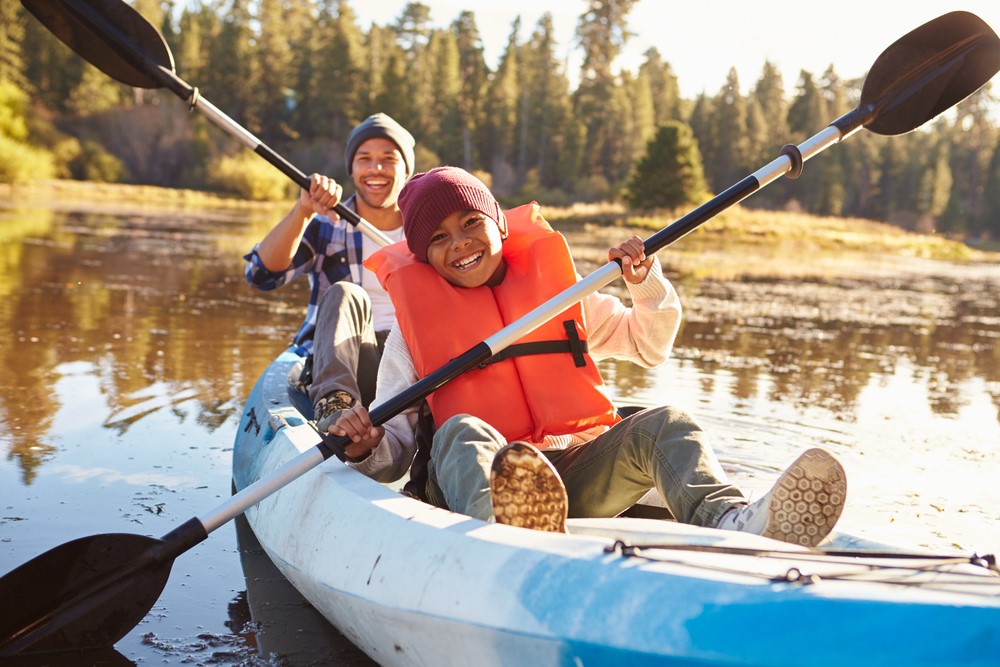
Credit: wyattdowling.ca
Frequently Asked Questions
Can I Kayak Without A Life Jacket?
Kayaking without a life jacket is risky and often illegal. Safety regulations require wearing a life jacket. It prevents drowning and increases visibility. Always prioritize safety by wearing one.
How Old Do You Have To Be To Not Wear A Life Jacket In A Kayak In Massachusetts?
In Massachusetts, children under 12 must wear a life jacket in a kayak. Above 12, it’s not mandatory.
Are Life Jackets Mandatory For Kayaking?
Yes, life jackets are generally mandatory for kayaking in most regions. Laws vary by location, but safety regulations often require wearing a life jacket. They provide buoyancy and protection, reducing drowning risks. Always check local regulations before kayaking to ensure compliance with safety requirements.
What Type Of Life Jacket Is Best For Kayaking?
For kayaking, a life jacket should be comfortable and allow freedom of movement. Look for a Type III Personal Flotation Device (PFD) designed for paddling. These are lightweight, offer good buoyancy, and fit snugly. Ensure it has adjustable straps for a secure fit and is U.
S. Coast Guard approved.
Conclusion
Life jackets on kayaks enhance safety. They provide essential protection on water. Wearing one can prevent accidents and save lives. Laws may vary, but safety should come first. Consider the conditions and skill level before deciding. Experts recommend wearing life jackets for peace of mind.
Your safety matters, especially in unpredictable waters. Enjoy kayaking, but prioritize safety. A life jacket is a simple, effective safety tool. It ensures a safer, more enjoyable kayaking experience. Make informed choices for your water adventures.