Are you staring at your kayak and wondering if a splash of color could bring it to life? Whether you’re tired of the standard factory finish or eager to personalize your vessel, the thought of painting your kayak might have crossed your mind.
But is it possible, and more importantly, should you do it? Before you dive in with your brush and paint, there’s a lot to consider. From the type of paint to the preparation process, understanding the dos and don’ts can make all the difference.
Stick around, and we’ll explore if you can transform your kayak into a masterpiece without compromising its functionality. Get ready to unlock the secrets to a stunning, durable finish that will turn heads on the water.

Credit: www.linkedin.com
Choosing The Right Paint
Painting a kayak requires choosing a durable, water-resistant paint. Acrylic paint is often recommended for its resilience and easy application. Ensure the kayak’s surface is clean and primed for optimal paint adhesion.
Choosing the right paint for your kayak is essential. It ensures durability and a polished finish. The wrong choice can lead to peeling or fading. You need a paint that withstands water and sun. Also, it should bond well with the kayak’s material. With many options available, making a choice can be challenging.Types Of Paints
Selecting the appropriate type of paint is crucial. Here are some options:- Marine Paint:Specially designed for watercraft. It resists water and UV damage.
- Polyurethane Paint:Offers a glossy finish and good durability. Ideal for kayaks exposed to sun.
- Acrylic Paint:Easy to apply and affordable. Suitable for temporary designs.
- Epoxy Paint:Provides a hard, durable finish. Excellent for rough conditions.
Safety Considerations
Safety is a top priority when painting a kayak. Always follow these precautions:- Ventilation:Work in a well-ventilated area. Avoid inhaling fumes.
- Protective Gear:Wear gloves and masks. Protect your skin and lungs.
- Environmentally Friendly Paint:Choose eco-friendly options. They reduce harm to aquatic life.
- Disposal:Dispose of waste responsibly. Follow local regulations.
Preparing Your Kayak
Painting a kayak can refresh its look and improve its durability. Use marine-grade paint for the best results. Sand the surface lightly before applying paint to ensure proper adhesion.
Preparing your kayak for painting is an essential step. A well-prepared surface ensures the paint adheres properly and lasts longer. This involves cleaning, sanding, and repairing any damages. Each step plays a crucial role in achieving a smooth, professional-looking finish.Cleaning And Sanding
Start by cleaning your kayak thoroughly. Remove dirt, grime, and salt residue using warm soapy water. A clean surface allows the paint to stick better. Dry the kayak completely after washing. Moisture can interfere with the painting process. Next, sanding smooths the kayak’s surface. Use fine-grit sandpaper for a gentle touch. Sanding removes old paint and rough spots. It creates a smooth base for the new paint. Wipe the kayak with a damp cloth to remove sanding dust.Repairing Damages
Inspect your kayak for cracks or dents. These need fixing before painting. Use marine-grade epoxy or filler for repairs. Fill in cracks carefully, then sand the area smooth. Check for any loose fittings or accessories. Ensure your kayak is in top condition. Repairing damages prevents future issues and enhances durability. This step ensures your kayak looks great and functions well after painting.Painting Techniques
Yes, you can paint a kayak using special techniques. Clean the surface, apply primer, and use marine-grade paint for best results. This ensures durability and a smooth finish, enhancing both appearance and protection.
Painting your kayak can breathe new life into it. Choosing the right painting technique is essential. It influences the final look and durability of your kayak. Here, we explore two popular methods: spray painting and brush painting. Each has its own advantages and requires specific steps.Spray Painting
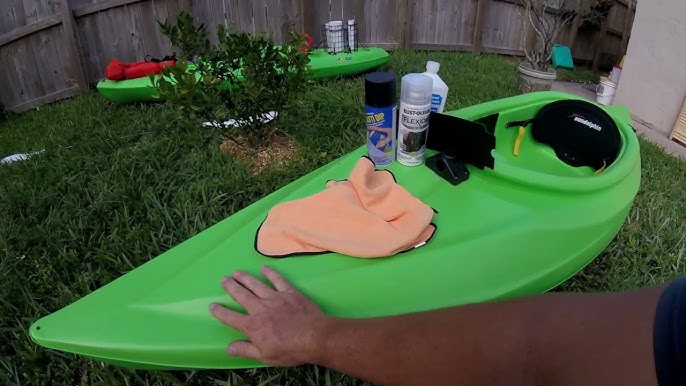
Spray painting offers a smooth and even finish. It is ideal for covering large areas quickly. Before starting, ensure the kayak’s surface is clean and dry. Use a primer suitable for plastic surfaces. This helps the paint stick better. Shake the spray can well before use. Hold the can about 12 inches from the surface. Apply the paint in light, even strokes. Overlapping each pass slightly ensures full coverage. Let each coat dry completely before adding another. Usually, two to three coats provide good coverage. Always work in a well-ventilated area.Brush Painting
Brush painting allows for more detailed work. It is perfect for adding designs or patterns. Choose a high-quality brush to avoid streaks. Start by cleaning the kayak thoroughly. Use a primer to prepare the surface. This ensures the paint adheres well. Dip the brush lightly into the paint. Apply in even strokes, following the kayak’s lines. Work in sections to maintain a wet edge. This prevents visible brush marks. Let the paint dry fully between coats. Two coats are typically sufficient for coverage. Brush painting may take longer but offers precision.Design Ideas And Inspiration
Transform your kayak with creative paint designs. Choose durable marine paint for vibrant colors and lasting effects. Express your style with unique patterns or themes.
Transforming your kayak into a vibrant piece of art can be an exhilarating project. Painting your kayak not only gives it a unique personality but also can boost your motivation to paddle more often. The key is drawing inspiration from your personal style, natural surroundings, or favorite designs. Once you decide to paint your kayak, the possibilities are endless. Below are some ideas to get your creative juices flowing.Color Schemes
Choosing the right color scheme is crucial. Think about the environment where you will use your kayak. Bright colors like neon green or orange can enhance visibility and safety on open waters. If you prefer a more subtle look, consider earth tones like olive green or sand. These colors blend beautifully with natural settings, giving you a more harmonious experience with nature. You could also opt for a gradient effect. By blending two or three complementary colors, you can create a stunning visual transition that will stand out on the water.Patterns And Graphics
Adding patterns can make your kayak truly unique. Stripes and geometric shapes add a modern touch, while wavy lines can mimic the flow of water. Consider incorporating graphics or decals. For example, a tribal design can add a sense of adventure, while nautical symbols like anchors or compass roses can enhance a maritime theme. Why not add a personal touch? Painting your initials or a personal logo can make your kayak feel like an extension of yourself. Let your imagination run wild, and think about how each design choice will impact your kayaking experience. What story do you want your kayak to tell?Protecting Your Paint Job
Painting a kayak offers a fresh look and personal touch. Yet, keeping that vibrant paint intact over time is a challenge. The water, sun, and outdoor elements can quickly wear it down. Protecting your paint job ensures your kayak stays visually appealing and functional. Proper care and protection extend the life of your kayak’s new coat.
Applying Sealant
Sealant acts as a protective shield for your kayak’s paint. It helps prevent chipping and fading. Choose a sealant that is UV-resistant. This will guard against sun damage. Apply the sealant in a thin, even layer. Ensure every painted area is covered. Allow it to dry completely before using the kayak.
Maintenance Tips
Regular maintenance is key to preserving your kayak’s paint. Always rinse your kayak with fresh water after use. This removes salt and debris. Store your kayak in a shaded area to avoid sun exposure. Use a soft cloth to clean the surface. Avoid harsh chemicals that can damage the paint.
- Inspect your kayak for scratches regularly.
- Touch up any damaged areas promptly.
- Consider using a kayak cover for extra protection.

Credit: www.instagram.com
Diy Vs Professional Help
Painting a kayak can be a rewarding DIY project for those who enjoy hands-on tasks. Professional help ensures a smooth finish and expert techniques, ideal for a polished look. Both options offer unique benefits depending on your skills and desired results.
When painting a kayak, deciding between DIY and professional help matters. Each option has pros and cons. DIY might save money, but professional help offers expertise. Let’s explore these choices.Cost Considerations
DIY painting can be budget-friendly. You buy paint and supplies. Professional services charge for labor and materials. The cost varies depending on the kayak’s condition. DIY is cheaper upfront. Professionals might offer warranties or guarantees. Weigh initial savings against potential long-term costs.Skill Level Required
Painting a kayak requires skill. DIY demands some knowledge. You need to prep the surface, select the right paint, and apply it evenly. Mistakes can affect the kayak’s performance. Professional painters have experience. They ensure a smooth, lasting finish. DIY is ideal for those confident in their skills. Professionals suit beginners or those seeking a flawless result.
Credit: www.instagram.com
Frequently Asked Questions
Can You Change The Color Of A Kayak?
Yes, you can change a kayak’s color using marine-grade paint or kayak wraps. Proper surface preparation is essential. Choose UV-resistant options for durability. This allows personalization and protection from elements. Always follow manufacturer guidelines for best results.
What Paint To Use On A Kayak?
Use marine-grade paint for a kayak. It’s designed to withstand water and UV exposure. Polyurethane or epoxy-based paints are ideal. Ensure the surface is clean and dry before application for best results. Choose a paint suitable for the kayak’s material, whether it’s plastic or fiberglass.
How To Paint A Polyethylene Kayak?
To paint a polyethylene kayak, first clean and sand the surface. Use a plastic primer for adhesion. Apply marine-grade paint in thin layers, allowing each coat to dry. Finish with a UV-protective clear coat for durability. Ensure adequate ventilation and follow safety guidelines while painting.
What Kind Of Paint Should I Use On Plastic?
Choose acrylic or spray paints specifically designed for plastic surfaces. Ensure proper cleaning and priming beforehand.
Conclusion
Painting a kayak can be a fun project. It lets you personalize and protect your kayak. Choose the right paint for lasting results. Clean the surface well before starting. Use a primer for better paint adhesion. Apply even coats and let it dry completely.
Consider adding a clear coat for extra durability. Always follow safety precautions when painting. With care, your kayak will look great and last longer. Enjoy your time on the water with your uniquely painted kayak. Feel free to get creative and make your kayak stand out.