
Imagine gliding across a tranquil lake, the gentle ripple of water beneath your kayak, surrounded by the beauty of nature. It sounds idyllic, doesn’t it?
But then, a question pops into your mind: “Is kayaking safe? ” You’re not alone in wondering. As you plan your next adventure, ensuring your safety is a top priority. You want to soak in every moment without worrying about what could go wrong.
This article is crafted just for you, aiming to ease your concerns and empower you with knowledge. By the end, you’ll feel more confident about stepping into that kayak and experiencing the thrill of paddling through the waters. Let’s explore the ins and outs of kayaking safety together, so you can enjoy every splash with peace of mind.
Kayaking Safety Basics
Kayaking offers excitement and a chance to connect with nature. Yet, safety should always be a priority. Understanding the basics of kayaking safety ensures a fun and secure adventure. These fundamentals help prevent accidents and enhance your kayaking experience.
Understanding Your Kayak
Each kayak type serves different purposes. Know your kayak’s features and limitations. This knowledge aids in navigating various water conditions safely.
Wearing A Personal Flotation Device (pfd)
A PFD is essential for safety on the water. Always wear one, regardless of your swimming skills. It can save your life in emergencies.
Checking Weather Conditions
Weather influences kayaking conditions greatly. Check forecasts before heading out. Avoid kayaking in storms or extreme winds.
Learning Basic Paddling Techniques
Mastering basic paddling skills enhances control over your kayak. Practice strokes and maneuvers in calm waters first.
Understanding Water Currents And Tides
Water currents and tides affect kayak stability. Learn how they work in your chosen area. This knowledge helps in planning your route.
Bringing Essential Safety Gear
Carry a whistle, flashlight, and first aid kit. These tools aid in emergencies. They also ensure you’re prepared for unexpected situations.
Staying Visible To Others
Wear bright clothing or attach reflective tape to your kayak. This increases visibility to other boaters and rescuers.
Knowing Your Limits
Be aware of your physical limits. Don’t attempt routes beyond your skill level. Safety lies in understanding your capabilities.
Informing Someone About Your Plans
Always tell a friend or family member your kayaking plans. Share your route and expected return time. This ensures help can reach you if needed.
Essential Gear For Safety
Kayaking can be safe with the right gear. A quality life jacket, helmet, and whistle are essential. These items protect and ensure quick assistance in emergencies.
Kayaking is an exhilarating way to explore nature, offering both tranquility and adventure. But, like any outdoor activity, safety is paramount. Essential gear not only enhances your kayaking experience but also ensures you stay safe on the water. Whether you’re a seasoned paddler or a beginner, having the right equipment can make all the difference. Let’s dive into what you need to bring along to guarantee safety while kayaking.Life Jackets And Personal Flotation Devices
Your life jacket is your most important piece of safety gear. It should be snug yet comfortable, allowing you to move freely. Imagine a sudden capsize; a well-fitted life jacket will keep you buoyant, giving you the confidence to navigate unexpected challenges. Choose one specifically designed for kayaking, featuring pockets for storing small essentials like a whistle or snacks.Appropriate Clothing And Footwear
Wearing the right clothing can keep you warm and dry, especially in unpredictable weather. Opt for moisture-wicking fabrics that dry quickly. Layering is key; it allows you to adapt to temperature changes. Consider lightweight shoes with a good grip — they’re perfect for slippery surfaces and protect your feet from sharp objects underwater.Safety Equipment And Tools
Safety tools are your backup plan. A waterproof pouch for your phone ensures you can call for help if needed. A small first-aid kit is invaluable for minor injuries. Don’t forget a multi-tool; its versatility can assist with repairs or adjustments on the go. Have you ever had your paddle slip away? A paddle leash can prevent that inconvenience, keeping your paddle secured to your kayak. Are you prepared for your next kayaking adventure? Equip yourself with these essentials, and you’ll paddle with peace of mind, ready for whatever nature throws your way.Choosing The Right Kayak
Choosing the right kayak enhances safety on the water. Consider stability, size, and material to ensure a secure experience. Always wear a life jacket and check weather conditions for a safe adventure.
Choosing the right kayak is key to a safe kayaking experience. A well-suited kayak offers stability and comfort, ensuring a pleasant journey. Let’s explore the essential factors to consider.Kayak Types And Their Stability
Kayaks come in various types, each with unique features. Recreational kayaks are wide and stable, ideal for calm waters. Touring kayaks are long and narrow, perfect for speed and long distances. Whitewater kayaks are short and maneuverable, designed for rough waters. Sit-on-top kayaks offer easy entry and exit, suitable for beginners. Tandem kayaks accommodate two people, providing a shared adventure. Understanding these types helps in choosing the right fit.Size And Weight Considerations
Size matters when selecting a kayak. A longer kayak tracks better but might be harder to turn. A wider kayak offers more stability but may reduce speed. Consider your weight and height for a comfortable fit. Heavier kayaks can be challenging to transport. Lightweight models are easier to carry but may cost more. Balance these factors for a kayak that meets your needs.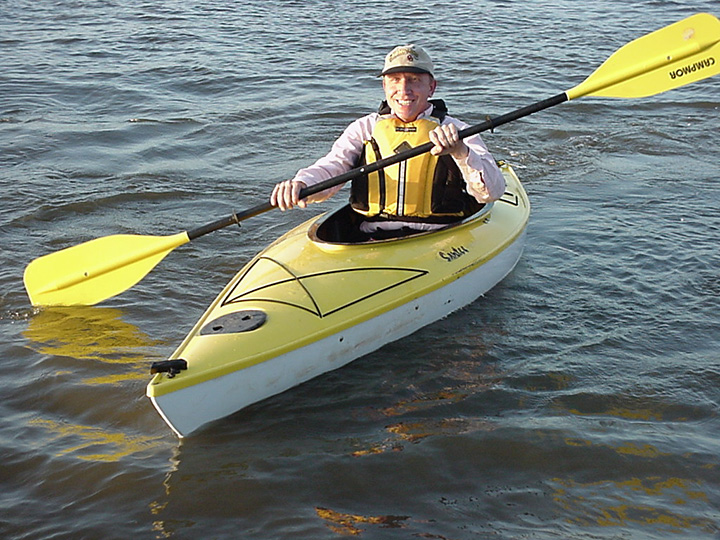
Credit: seniornewsandliving.com
Weather And Water Conditions
Assessing weather and water conditions is crucial for kayaking safety. Calm waters and clear skies enhance safety. Always check forecasts and water levels before setting out to ensure a safe adventure.
Weather and water conditions play a critical role in ensuring a safe and enjoyable kayaking experience. A sudden weather change or unexpected water current can transform a peaceful outing into a challenging situation. Understanding how to interpret these elements is key to staying safe on the water.Reading Weather Forecasts
Checking the weather forecast before heading out is a non-negotiable step for any kayaker. Modern technology has made this easier than ever with apps that provide real-time updates. Look for changes in wind speed, temperature, and precipitation. A clear, sunny morning can quickly turn into a windy afternoon, catching you off guard. Pay attention to any storm warnings or sudden temperature drops. Have you ever found yourself paddling against a strong wind? It can be exhausting and even dangerous.Understanding Water Currents And Tides
Knowing how to read water currents and tides can make a massive difference in your kayaking experience. Strong currents can pull you off course, while tides can dramatically alter water levels, exposing rocks or sandbanks. Imagine paddling in a serene bay only to realize the tide is going out, making it harder to return to shore. This is why studying tide charts and understanding local water patterns is crucial. Consider asking local experts or fellow kayakers about specific areas. They might offer insights you wouldn’t find in a guidebook. Do you know how to handle your kayak in a fast-moving current? Practicing in controlled environments can build your confidence and skills.Skill Development And Training
Kayaking is safe when proper skill development and training are prioritized. Learning techniques and safety measures greatly reduce risks. Equip yourself with knowledge and practice to enjoy kayaking responsibly.
Skill development and training are crucial for safe kayaking. Proper training ensures confidence on the water. Training helps paddlers avoid accidents and react to emergencies. It covers essential techniques and skills. Beginners can learn basic paddling. Experienced kayakers can refine advanced maneuvers. Let’s explore these skills further.Basic Paddling Techniques
Beginners should start with basic paddling techniques. These include forward stroke, reverse stroke, and sweep stroke. The forward stroke propels the kayak straight. The reverse stroke helps stop or move backward. The sweep stroke is for turning the kayak. Practicing these strokes improves balance and control. Proper posture is vital. Sit straight and relax shoulders. Use core muscles, not just arms. This prevents fatigue. Maintaining posture improves efficiency and reduces injury risk. Practice in calm water before advancing.Advanced Maneuvers And Skills
Advanced kayakers can learn complex skills. Eskimo rolls are crucial for capsizing situations. This technique lets kayakers right themselves without exiting the kayak. Requires practice and guidance. Edging is another advanced skill. It involves tilting the kayak to make sharp turns. Edging provides better control in rough waters. Combining strokes with edging enhances maneuverability. Bracing techniques help maintain balance. These include high and low braces. They prevent capsizing during sudden movements. Advanced skills require regular practice. It’s recommended to train under expert supervision.
Credit: www.youtube.com
Navigational Awareness
Kayaking can be safe with proper navigational awareness. Understanding water currents and weather conditions enhances safety on the water. Prioritize wearing a life jacket and stay alert to surroundings.
Navigational awareness is a crucial aspect of kayaking that ensures your safety on the water. Understanding your surroundings and knowing how to navigate effectively can prevent mishaps and enhance your kayaking experience. As you paddle through serene lakes or challenging rivers, being aware of your location and potential hazards is key to a safe adventure.Using Maps And Gps Devices
Maps and GPS devices are indispensable tools for kayakers. A detailed map can help you plan your route, identify rest stops, and locate emergency exits. GPS devices, on the other hand, provide real-time updates on your position, helping you stay on course. Before heading out, familiarize yourself with the map of the area. Mark key points and landmarks. This ensures you can find your way back, even if your GPS fails. A GPS device can also alert you to changes in weather or water conditions. This proactive approach keeps you informed and ready to adjust your plans if needed.Recognizing Landmarks And Hazards
Being able to recognize landmarks is vital for orientation. When kayaking, identify large rock formations, distinct trees, or buildings as reference points. These can guide you when natural or digital navigation aids aren’t available. Understanding hazards is equally important. Look out for signs of submerged rocks, swift currents, or low-hanging branches. These can pose risks to your safety and equipment. Ask yourself, what natural features do you see? Are there signs of potential danger? By sharpening your observational skills, you can navigate safely and enjoy your adventure without unnecessary surprises.Emergency Preparedness
Kayaking is an exhilarating adventure that lets you explore nature’s beauty from a unique perspective. However, safety should always be your top priority. One of the key components of kayaking safely is being prepared for emergencies. Knowing what to do in an unexpected situation can mean the difference between a minor hiccup and a dangerous ordeal. Are you ready to take your kayaking safety to the next level?
Creating An Emergency Plan
An emergency plan is your roadmap to handling unexpected situations. Start by identifying potential hazards specific to your kayaking route. Consider factors such as weather conditions, water currents, and local wildlife.
Next, establish clear steps for each potential emergency. If you’re kayaking with a group, assign roles to ensure everyone knows their responsibilities. Communication is crucial, so make sure you have a reliable way to signal for help.
Equip yourself with necessary gear like a whistle, waterproof map, and a signaling device. Practice your emergency plan regularly to ensure you and your group are ready to act swiftly and effectively.
First Aid And Rescue Techniques
Understanding basic first aid and rescue techniques is vital. Familiarize yourself with common kayaking injuries such as hypothermia, cuts, and bruises. Knowing how to treat these quickly can prevent further complications.
Always carry a well-stocked first aid kit in a waterproof bag. Make sure everyone in your group knows how to use its contents. You might be surprised how often a simple bandage can save the day.
Practice rescue techniques such as the “Eskimo Roll” to right yourself if your kayak capsizes. Participate in training sessions or watch instructional videos to build your skills. These techniques are not just for professionals; they can be life-saving for anyone on the water.
Are you prepared to face an emergency while kayaking? By creating a detailed plan and mastering first aid and rescue skills, you’ll be equipped to handle whatever comes your way. Safety doesn’t have to be a chore—it can enhance your kayaking experience, giving you peace of mind as you paddle through nature’s wonders.
Tips For Group Kayaking
Kayaking in groups enhances safety by allowing participants to watch out for each other. Communication and teamwork are key to a safe experience. Always wear a life jacket and stay aware of surroundings to ensure a fun adventure.
Kayaking is a thrilling adventure that many enjoy, especially when shared with friends. But as with any group activity, safety is paramount. Whether you’re a seasoned kayaker or a beginner, knowing how to navigate group dynamics can enhance both safety and enjoyment. Below are some essential tips to ensure your group kayaking experience is safe and fun.Communication And Signals
Effective communication can be a lifesaver on the water. Before setting out, agree on a set of hand signals for important messages like stopping, danger, or needing assistance. Imagine the wind picking up, making verbal communication impossible; clear hand signals can bridge the gap. Make sure everyone in your group understands these signals. Practice them a few times before hitting the water. It’s also wise to assign a lead kayaker who can make decisions if situations arise. This person should maintain visual contact with everyone and use signals to guide the group.Roles And Responsibilities
Assigning roles within the group can streamline decision-making and increase safety. Designate a navigator to keep everyone on course and a safety officer to monitor weather and water conditions. Having these roles in place ensures that everyone knows who to turn to for assistance. This can prevent confusion and keep the group cohesive. Consider the skills and comfort level of each member. Pair experienced kayakers with novices to foster learning and confidence. Encouraging shared responsibility can make the experience richer and more engaging for everyone involved. By focusing on these group kayaking tips, you’re not just ensuring safety; you’re enhancing the adventure. So, are you ready to paddle out with your crew and create unforgettable memories?Common Mistakes To Avoid
Choosing the wrong equipment can make kayaking dangerous. Ignoring weather conditions and not wearing a life jacket are common mistakes. Ensuring proper training and understanding water currents enhances safety.
Kayaking offers a thrilling water adventure. Yet, safety is key. Many beginners overlook important precautions. Avoiding common mistakes can enhance your kayaking experience. Understanding potential pitfalls helps prevent accidents. Let’s explore the common mistakes to avoid.Avoiding Life Jacket Use
Many skip wearing life jackets. It’s a risky mistake. Life jackets save lives. Always wear one when kayaking. It ensures safety if you fall in water.Ignoring Weather Conditions
Weather plays a big role in safety. Sudden storms can be dangerous. Always check the forecast before heading out. Plan your trip around safe weather conditions.Lack Of Proper Training
Training is essential for safe kayaking. Without it, handling the kayak becomes tough. Enroll in a basic kayaking course. Learn essential skills and techniques.Overloading The Kayak
Each kayak has a weight limit. Exceeding this limit affects balance. It increases the risk of capsizing. Keep your gear lightweight and within limits.Not Telling Others Your Plans
Inform someone about your kayaking plans. Share your route and expected return time. It ensures help can reach you if needed.Disregarding Safety Gear
Safety gear is crucial. Helmets, whistles, and flares enhance safety. They are vital in emergencies. Always carry them during your trip.Underestimating Water Currents
Water currents can be strong. They can swiftly change conditions. Assess the water carefully. Avoid areas with strong or unpredictable currents.Kayaking Alone
Solo kayaking increases risks. It’s best to kayak with a buddy. It provides assistance in emergencies. Team up for a safer adventure.Overestimating Abilities
Know your limits. Overconfidence can lead to danger. Choose routes matching your skill level. Gradually take on more challenging paths.
Credit: m.facebook.com
Frequently Asked Questions
What Are Some Risks Of Kayaking?
Kayaking risks include capsizing, drowning, hypothermia, and collisions. Strong currents and weather changes can increase danger. Always wear a life jacket and stay informed about local conditions to enhance safety.
How Likely Is It To Flip A Kayak?
Flipping a kayak is unlikely with proper technique and calm waters. Beginners may find it more challenging. Stability increases with wider kayaks and practice. Always wear a life jacket and take lessons to improve skills.
Is Kayaking Safe For Beginners?
Kayaking is generally safe for beginners with the right guidance. Always wear a life jacket and start in calm waters. Take a lesson from a certified instructor to learn basic skills. Check weather conditions before heading out. With proper preparation, kayaking can be an enjoyable and safe experience for novices.
Is It Hard To Fall Out Of A Kayak?
Falling out of a kayak is uncommon if you maintain balance and use proper techniques. Beginners might find it challenging initially. With practice and stability, it becomes easier to stay in. Choose a wider kayak for better stability, and always wear a life jacket for safety.
Conclusion
Kayaking offers fun and adventure on the water. Safety is key. Wear a life jacket always. Check your gear before heading out. Know the water conditions. Take a basic training course. Stay alert and aware of your surroundings. Avoid kayaking alone, especially in unfamiliar areas.
Respect nature and other water users. With the right precautions, kayaking becomes a safe and enjoyable activity. Enjoy the thrill responsibly and create lasting memories. Safe paddling leads to endless fun on the water.