
Ever found yourself eager for a solo adventure on the water but unsure how to get your kayak from the car to the shoreline? You’re not alone.
Many kayakers face the challenge of maneuvering this bulky piece of equipment by themselves. Imagine the freedom of gliding effortlessly across serene waters, your worries left on the shore. But first, you need to master the art of carrying your kayak independently.
This guide will walk you through simple, effective techniques to lift and transport your kayak without a hitch. By the end, you’ll feel empowered, ready to tackle your next solo paddling adventure with confidence. Stick around, and let’s make your kayaking experience smoother and more enjoyable.

Credit: www.tiktok.com
Choosing The Right Kayak
Carrying a kayak solo requires careful balance and technique. First, ensure the kayak is positioned properly. Lift one end and slide it onto your shoulder, maintaining control. Adjust the kayak’s weight for comfortable transport, preventing strain.
Choosing the right kayak can make your solo paddling adventures much more enjoyable and manageable. Selecting a kayak that suits your needs and abilities is crucial, especially when you’re handling it by yourself. The right choice will not only enhance your kayaking experience but also ensure you can carry it with ease.Weight Considerations
Weight plays a significant role in how easily you can carry a kayak by yourself. Lighter kayaks are generally easier to handle and won’t strain your back or arms. Consider models made from materials like fiberglass or carbon fiber, which are known for being lightweight yet durable. However, lighter doesn’t always mean better. You should also think about the kayak’s stability and performance. Sometimes, a slightly heavier kayak offers better balance on the water.Size And Design
The size and design of the kayak can greatly affect how you carry it. Compact designs or shorter kayaks are often easier to maneuver and transport solo. Check for kayaks with ergonomic handles or grips that make lifting more comfortable. Design features like adjustable straps or built-in carrying handles can also be a lifesaver. If you’ve ever struggled with a bulky kayak, you’ll appreciate these thoughtful design elements. Remember, the right size and design can transform a cumbersome task into a straightforward one. When choosing a kayak, what features matter most to you? Consider your physical strength and the typical conditions you’ll encounter. Balancing these factors will help you find the perfect kayak for your solo adventures.Essential Gear For Solo Kayak Carrying
Carrying a kayak solo requires essential gear like a kayak cart for easy transport. A shoulder strap or foam block can help distribute weight. Proper technique ensures safety and efficiency.
Carrying a kayak solo is a rewarding experience that offers a sense of independence and adventure. However, to ensure a safe and smooth journey, having the right gear is essential. Whether you’re navigating uneven terrain or simply trying to avoid a backache, the right equipment can make all the difference. Let’s dive into what you need for a successful solo kayak carry.Safety Equipment
Your safety is paramount when carrying a kayak by yourself. Invest in a pair of sturdy gloves to protect your hands from blisters and scratches. A personal flotation device (PFD) isn’t just for when you’re on the water; it can provide extra cushioning when you rest your kayak on your shoulder. Consider wearing a hat or sunglasses to shield yourself from the sun, especially if you’re carrying your kayak for a long distance. Have you thought about wearing supportive footwear? Hiking boots or durable sneakers can provide the grip and comfort needed to tackle challenging terrains.Carrying Accessories
Carrying a kayak alone can be made easier with the right accessories. A kayak cart is a lifesaver for those long treks from your vehicle to the shoreline. These carts allow you to wheel your kayak effortlessly over various surfaces. Straps or slings are another essential tool; they distribute the weight evenly and minimize strain on your body. If you’re looking for extra support, a kayak shoulder strap can make a huge difference. It allows you to carry your kayak comfortably over your shoulder, freeing up your hands for other gear. Have you considered testing different accessories to find what suits you best? Each item can significantly enhance your solo kayaking experience.Preparing For The Lift
Preparing for the Lift Stand beside the kayak and squat to grip the edge. Use your legs to lift, keeping the kayak steady. Once upright, balance it on your shoulder for easier transport.
Preparing for the Lift Getting ready to lift a kayak on your own can feel like a daunting task, but with some preparation, you can make it a seamless process. Before you dive into the actual lifting, it’s crucial to prepare yourself and the environment. This groundwork not only ensures safety but also makes the task much easier.Assessing The Environment
Before you lift, take a moment to assess your surroundings. Is the ground stable and free of obstacles? Uneven or slippery surfaces can make lifting hazardous, so clear any debris or potential tripping hazards. Consider the weather conditions as well. Wind or rain can complicate the process, making it harder to maintain your balance. If possible, choose a calm day to transport your kayak for a safer experience.Positioning The Kayak
The position of the kayak is key to an efficient lift. Place the kayak parallel to your body, ensuring it’s not too far away to cause strain but also not too close to hinder your movement. Align the kayak so that the cockpit is facing up, allowing you to easily grip the edge. This orientation provides a better balance point and helps distribute the weight more evenly across your body. By positioning your kayak correctly, you enhance your control, reducing the risk of injury. Have you ever tried lifting a kayak without proper positioning? It can feel like wrestling an unwieldy beast! Proper setup is half the battle. Remember, preparation is not just about the lift itself, but about ensuring every aspect is thought through for a smoother, safer experience.Effective Lifting Techniques
Carrying a kayak alone requires good technique to prevent injury. Position the kayak on its side and lift it using your legs. Hold the edge firmly and balance it on your shoulder for stability.
Carrying a kayak by yourself can be challenging. Using effective lifting techniques is essential. This ensures safety and prevents injuries. Proper methods can make the task easier and more efficient.Proper Body Mechanics
Maintain a straight back while lifting. Bend your knees, not your waist. This reduces strain on your back. Engage your core muscles for stability. Keep the kayak close to your body. This helps maintain balance and control. Use both hands to grip securely. Ensure your feet are shoulder-width apart. This provides a stable base for lifting.Balancing The Kayak
Find the kayak’s center of gravity. This is usually near the middle. Position your hands evenly on each side. Balance is key to prevent tipping. Lift the kayak gradually. Avoid sudden movements that can cause imbalance. Walk slowly and steadily. Watch your footing to prevent trips. If needed, take breaks to rest. Balance helps maintain control and safety.Transporting The Kayak Safely
Transporting a kayak safely by yourself is not just about getting from point A to point B; it’s about ensuring your kayak remains undamaged while maintaining your own safety. As you prepare to embark on your solo kayaking adventure, understanding the nuances of maneuvering your kayak through various terrains is essential. Whether you’re navigating rocky paths or sandy shores, mastering the art of transporting your kayak will make your journey smoother and more enjoyable.
Navigating Obstacles
Encountering obstacles is inevitable when transporting your kayak solo. The key is to approach each barrier with a strategy. Consider the terrain you’re traversing; is it uneven, slippery, or cluttered with debris? Use your surroundings to your advantage. If there’s a patch of grass or sand, leverage it to ease your kayak over tougher spots. Keep your eyes forward and plan your route in advance to minimize surprises.
Think about balance. A kayak can be awkward to maneuver, especially if you’re dealing with narrow trails or steep inclines. Position yourself to distribute the kayak’s weight evenly across your body. This ensures you maintain stability and avoid unnecessary strain. Remember, a moment’s distraction can lead to a stumble, so stay focused on your path.
Maintaining Control
Maintaining control is crucial when transporting your kayak solo. Grip is everything. Ensure your hands have a firm hold on the kayak, and if it feels too unwieldy, consider using a kayak cart for added stability. These handy tools can be a game-changer, especially over longer distances.
Consider your pace. Moving too quickly can compromise your control, leading to potential mishaps. Adopt a steady, deliberate pace that allows you to react to any shifts in your environment. It’s about finding a rhythm that balances speed with safety. Ask yourself: are you comfortable with your current speed, or do you need to adjust?
Visualize the path ahead. Anticipating the terrain can help you adjust your grip and stance as needed. This proactive approach ensures you remain in control of your kayak, reducing the risk of accidents. Stay alert, and you’ll find the journey manageable and even enjoyable.
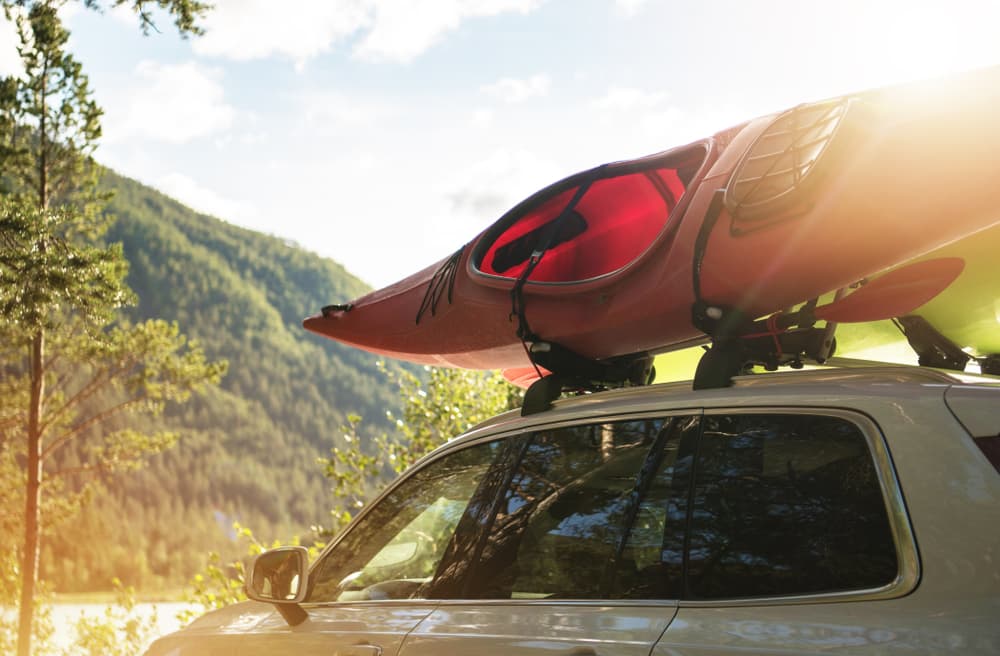
Credit: paddling.com
Storing The Kayak After Use
Carrying a kayak alone requires balance and technique. Position the kayak on its side, lifting from the cockpit. Keep your grip firm and walk steadily to avoid strain.
Storing the kayak after a fulfilling day on the water is crucial to preserving its lifespan and ensuring it’s ready for your next adventure. Proper storage not only protects your kayak from environmental damage but also maintains its performance. Let’s dive into how you can efficiently store your kayak to keep it in top shape.Cleaning And Maintenance
After a day of paddling, your kayak might collect dirt, sand, or saltwater residue, which can degrade its material over time. Rinse your kayak thoroughly with fresh water to remove any debris. Pay attention to hidden areas where grime might accumulate, such as the cockpit and storage hatches. Once rinsed, dry the kayak completely using a clean towel. Moisture can lead to mold and mildew, especially if stored indoors. A kayak cover can be useful to shield it from dust and sunlight, even when stored inside.Secure Storage Options
Choosing the right storage option for your kayak is essential to maintaining its condition. Storing the kayak indoors is ideal, as it protects from harsh weather conditions and potential theft. Consider hanging it on wall-mounted racks or suspending it from the ceiling to save space. If indoor storage isn’t possible, outdoor storage can work with a few precautions. Use a weather-resistant cover to protect it from UV rays and rain. Make sure the kayak is elevated off the ground to prevent moisture buildup and avoid direct contact with the elements. Have you thought about how your storage choices today could impact your kayaking experience tomorrow? Taking these steps ensures your kayak remains a reliable companion for many adventures to come.
Credit: www.facebook.com
Frequently Asked Questions
How Can I Lift A Kayak Alone?
To lift a kayak alone, position yourself at the center. Bend your knees to avoid strain. Use a shoulder strap or foam pad for comfort. Practice balancing the kayak before moving. Ensure clear surroundings to prevent accidents. Familiarize with your kayak’s weight and structure for easier handling.
What Equipment Helps Solo Kayak Carrying?
Using a kayak cart makes solo transport easier. Shoulder straps or pads provide comfort during lifting. Foam blocks can stabilize the kayak while carrying. Consider lightweight kayaks for easier handling. Regular practice can enhance your solo carrying efficiency and confidence.
Is It Safe To Carry A Kayak Solo?
Carrying a kayak solo is safe with precautions. Ensure your path is clear of obstacles. Use proper lifting techniques to prevent injury. Familiarize yourself with your kayak’s weight and structure. Regular practice can improve your balance and carrying skills.
How Do I Balance A Kayak Alone?
To balance a kayak alone, find its center point. Use a shoulder strap for better weight distribution. Practice lifting and adjusting your grip. Ensure clear surroundings to prevent accidents. Familiarizing with your kayak’s weight and structure aids in better balance.
Conclusion
Carrying a kayak alone is easier than you think. With the right technique, you can do it safely. Remember to lift with your legs, not your back. Use a shoulder strap for better weight distribution. Always check your path for obstacles.
Practice makes perfect, so try it a few times. Confidence will grow with experience. Stay patient and take breaks if needed. With these tips, solo kayaking adventures are within reach. Enjoy the freedom and peace of paddling alone. Safe travels on the water!