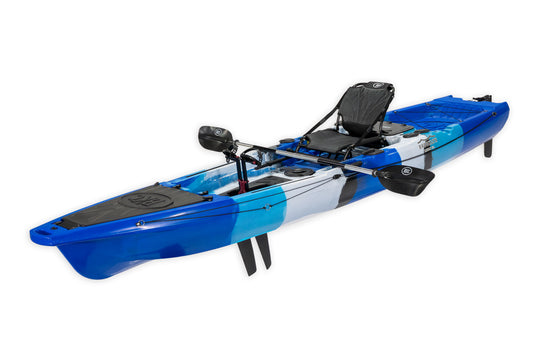
Curious about pedal kayaks? If you’ve ever wondered how they work and why so many outdoor enthusiasts are raving about them, you’re in the right place.
Imagine gliding across the water with ease, hands-free, while taking in the beauty around you. Sounds perfect, right? Pedal kayaks offer a unique experience that combines the tranquility of kayaking with the convenience of cycling. This means you can explore more, with less effort, and have your hands free for fishing or snapping photos.
But how exactly do these fascinating vessels operate? By the end of this article, you’ll not only understand the mechanics behind pedal kayaks but also discover why they could be your next favorite way to adventure on the water. Ready to dive in? Let’s get started!
Pedal Kayak Basics
Pedal kayaks offer a unique way to explore the water. They combine traditional kayaking with cycling. This method of propulsion allows you to use your legs. It can make kayaking more efficient and less tiring. Understanding the basics of pedal kayaks is essential for beginners.
Key Components
A pedal kayak has several key parts. The hull is the main body of the kayak. It provides buoyancy and stability on water. The pedal system is in the cockpit area. This is where you sit and operate the pedals. The drive mechanism connects the pedals to a propeller or fins. This part moves the kayak forward. Steering is done using a rudder system. It is controlled by foot pedals or a hand lever. These components work together for smooth navigation.
Types Of Pedal Systems
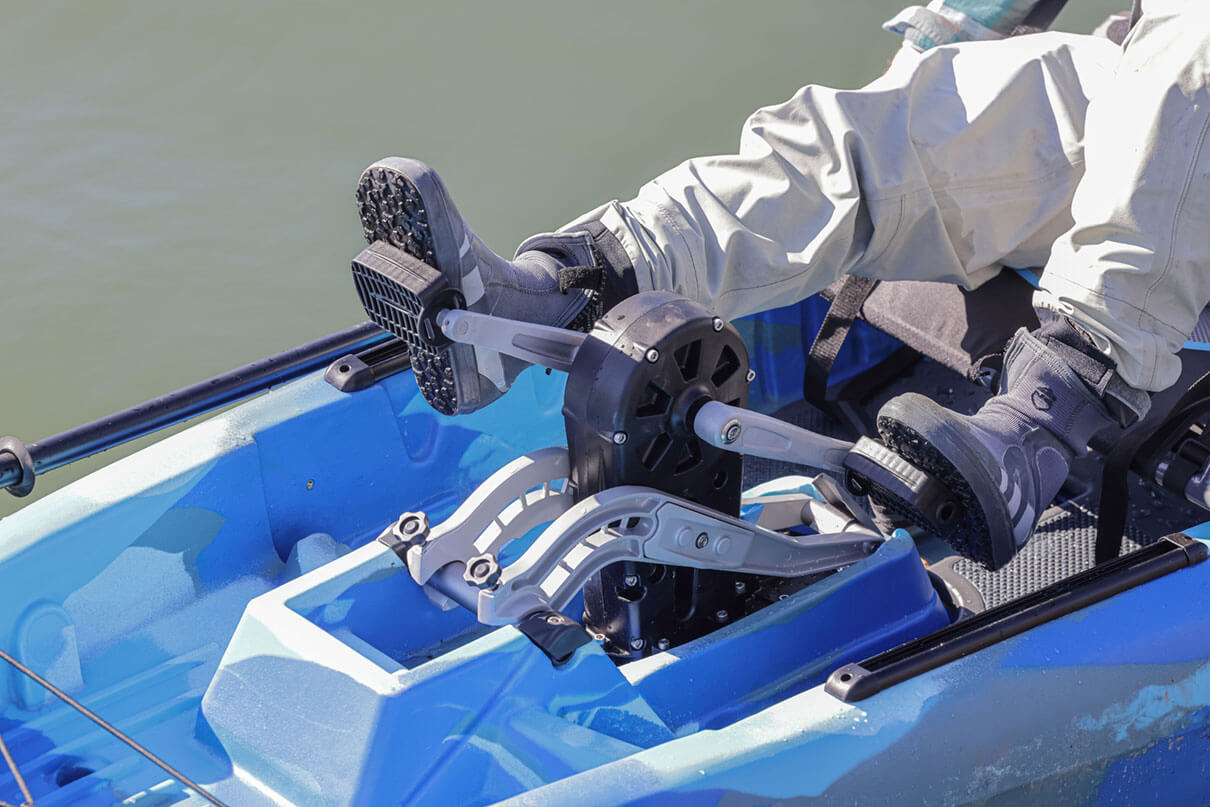
Pedal systems come in two main types. The first type is the push-pedal system. It uses a push motion, similar to walking. This system often involves fins that move side to side. The second type is the rotational pedal system. It mimics a bicycle pedaling motion. This system typically uses a propeller to move the kayak. Each system has its own advantages. Choosing depends on personal preference and kayaking needs.
Credit: kayakanglermag.com
Mechanics Of Movement
Pedal kayaks operate through a system of pedals connected to fins or a propeller. Pushing the pedals moves these parts, propelling the kayak forward. This design allows hands-free navigation, making it easier to fish or take photos.
Pedal kayaks offer a unique way to explore waterways. Their mechanics create a smooth, efficient experience. Understanding how these systems work can enhance your kayaking adventures.Pedal Drive Functionality
Pedal kayaks use a pedal drive system. This system includes pedals connected to a propeller or fins. As you pedal, these components move the kayak forward. The pedals operate much like a bicycle. They provide a hands-free way to navigate. This allows you to focus on your surroundings or fishing gear.Propulsion Techniques
Different kayaks use varied propulsion techniques. Some have a rotational pedal system. This system turns a propeller beneath the kayak. Others use a push-pull technique. This moves fins side to side for propulsion. Both systems deliver efficient movement. They let you reach higher speeds with less effort. Each style offers distinct benefits for different water conditions.Benefits Of Pedal Kayaks
Pedal kayaks offer a hands-free experience, making paddling easier and more efficient. They use foot pedals connected to a propeller or flippers, allowing smooth navigation through water. Ideal for fishing and exploring, they provide better control and speed, enhancing your outdoor adventures.
Pedal kayaks have gained popularity among water enthusiasts for their unique advantages over traditional paddle kayaks. These innovative watercrafts offer multiple benefits that enhance your kayaking experience. Whether you’re a seasoned kayaker or a beginner, understanding these benefits can help you make the most of your time on the water.Hands-free Operation
One of the most significant benefits of pedal kayaks is the ability to operate them hands-free. This feature allows you to engage in other activities like fishing, photography, or simply enjoying a snack as you glide through the water. Imagine the freedom of casting a line or capturing breathtaking views without having to manage a paddle. With your hands free, you can focus on what’s around you instead of constantly adjusting your paddle. This can lead to a more immersive and enjoyable kayaking experience. Plus, having your hands available can make it easier to navigate tight spots or respond quickly to changing conditions.Speed And Efficiency
Pedal kayaks are designed for speed and efficiency, making them ideal for covering longer distances without tiring. The pedal drive system allows you to harness the power of your legs, which are stronger and more resilient than your arms. As a result, you can maintain a steady pace with less effort. This increased speed and efficiency can open up new possibilities for exploration. You can venture further into lakes, rivers, or coastal areas, discovering hidden spots that might be out of reach with a traditional paddle kayak. The ability to travel faster also means you can spend more time enjoying your destination rather than focusing on getting there. Have you ever wondered how much more you could see if you could travel twice as fast? With a pedal kayak, that question becomes a reality, offering you the chance to explore like never before.Choosing The Right Pedal Kayak
Pedal kayaks operate through foot-powered pedals, offering hands-free navigation on water. They are efficient, allowing smooth movement with minimal effort. Perfect for fishing or exploring, these kayaks use a pedal-driven propeller system for propulsion.
Choosing the right pedal kayak can transform your water adventures into an exhilarating experience. You might be wondering how to select the perfect one amidst a sea of options. Whether you’re a seasoned paddler or a curious beginner, understanding what suits your needs is crucial.Considerations For Different Water Conditions
Different water conditions demand specific kayak features. If you’re tackling choppy ocean waves, stability is key. Look for a wider hull that can handle rougher waters. For calm lakes or rivers, a sleek, narrow design offers better speed and efficiency. You don’t need the same stability as in turbulent waters, allowing you to focus on a smooth glide. Think about where you’ll mostly be paddling. A versatile design can be beneficial if you plan to explore various water types.Features To Look For
Pedal kayaks come with a host of features, but which ones matter most? Focus on comfort first. Adjustable seats and footrests can make long hours on the water more enjoyable. Storage is another vital aspect. Consider kayaks with ample space for your gear, especially if you plan on fishing or camping. Durability can’t be overlooked. High-quality materials mean your kayak will withstand the elements and last longer. Look for UV-resistant finishes and corrosion-resistant components. With these insights, choosing a pedal kayak becomes less daunting. What’s your next destination on the water?Maintenance And Care
Pedal kayaks operate through foot pedals connected to a propeller or fins. This system propels the kayak forward. Regular maintenance ensures smooth functionality and prolongs the kayak’s lifespan.
Maintaining your pedal kayak ensures it performs optimally and lasts longer. Regular maintenance keeps the kayak in top shape, allowing you to enjoy smooth sailing on the water. A little care goes a long way in preventing unexpected troubles and costly repairs.Routine Checks
Performing routine checks is crucial for your pedal kayak’s longevity. Start by inspecting the pedal system for any signs of wear or damage. Check the cables and chains; they should be taut and free from rust. Ensure the hull is clean and free from debris. Dirt and grime can build up and affect the kayak’s performance. Regular cleaning not only keeps it looking good but also helps in spotting potential issues early. Lubricate moving parts with a suitable lubricant. This prevents friction and extends the life of the components. It’s a simple task that can save you from bigger headaches down the line.Troubleshooting Common Issues
Even with the best care, issues can arise. A common problem is the pedal system feeling stiff or not moving smoothly. This might be due to debris or lack of lubrication. Clean and lubricate the moving parts to restore smooth operation. If the kayak veers to one side, it could be due to uneven pedal pressure or misaligned rudders. Adjust the pedals and check the rudder alignment to correct the course. This ensures a balanced and enjoyable ride. Encountering unusual noises during pedaling? It might indicate loose components. Tighten any loose bolts or screws to eliminate the noise and ensure everything is secure. Regularly checking for these issues keeps your kayak running smoothly and safely.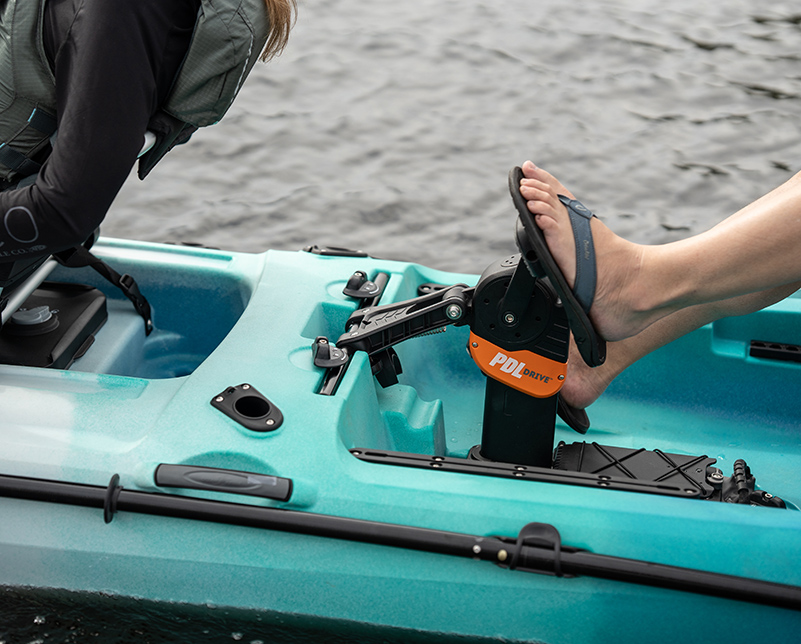
Credit: oldtownwatercraft.johnsonoutdoors.com
Popular Pedal Kayak Models
Pedal kayaks have surged in popularity, offering a unique blend of exercise, adventure, and hands-free convenience. This innovative design allows you to propel yourself through the water using a pedaling system, freeing up your hands for fishing, photography, or simply enjoying the view. But which pedal kayak model should you choose? Let’s dive into some of the most popular options available today.
Top Brands
Several brands have made a name for themselves in the pedal kayak market, each offering distinct features and designs. Hobie, for instance, is renowned for its MirageDrive technology, which mimics the efficient movement of flippers beneath the water. This design not only offers speed but also a smooth, quiet ride, perfect for sneaking up on fish or soaking in the serenity of nature.
Another standout brand is Native Watercraft, known for its Propel Pedal Drive System. This design allows for forward and reverse pedaling, giving you precise control over your kayak’s movement. The versatility is a game-changer for navigating tight spots or dealing with changing currents.
Old Town’s Topwater series offers excellent stability and comfort, featuring the PDL Drive system that promises long-lasting performance and easy maintenance. It’s an ideal choice for those who prioritize durability and ease of use.
User Reviews
Choosing the right pedal kayak often comes down to real-world experiences. Many users rave about the Hobie MirageDrive for its seamless gliding experience, noting how it makes long-distance travel effortless. A user shared, “I can pedal for hours without feeling fatigued, and the kayak’s speed is impressive.”
Feedback on Native Watercraft’s models often highlights the ease of maneuverability. One user commented, “Being able to pedal in reverse has saved me from many tricky situations. It’s like having a backup plan on the water.”
Old Town’s Topwater series receives praise for its stability. Users frequently mention how secure they feel while standing or casting. A review stated, “I never worry about tipping over, even in choppy water.”
As you evaluate these models, consider what features matter most to you. Is it speed, maneuverability, or stability? Your choice might just depend on how you plan to use your pedal kayak. What will you prioritize on your next water adventure?
Safety Tips For Pedal Kayaking
Pedal kayaking offers a fun and efficient way to explore the water. Understanding safety tips ensures a safe and enjoyable experience. Whether you’re a beginner or seasoned kayaker, knowing how to stay safe is crucial.
Essential Gear
Before heading out, gather essential gear for safety. A life jacket is a must-have. It keeps you buoyant and safe in emergencies. Choose one that fits comfortably and allows movement.
Wear sun protection like hats and sunscreen. They protect you from harmful UV rays. Water shoes provide grip and protect your feet from sharp objects. Carry a whistle for signaling in case of trouble.
Navigating Water Safely
Understand the water conditions before kayaking. Check the weather forecast for changes in wind or rain. Avoid kayaking in storms or strong currents.
Know the area you’re kayaking in. Familiarize yourself with local wildlife and potential hazards. Stay alert to other watercrafts nearby. Keep a safe distance to prevent collisions.
Practice good communication with your group. Agree on signals and keep each other in sight. This ensures everyone’s safety on the water.
Pedal Kayaking Adventures
Pedal kayaks offer hands-free navigation using foot pedals connected to a propeller or fins beneath the kayak. This mechanism allows easy control and efficient movement through water. Enjoy exploring nature while having your hands free for activities like fishing or photography.
Pedal Kayaking Adventures offer a unique blend of excitement and exploration. Unlike traditional kayaking, pedal kayaking lets you use your legs, freeing your hands for other activities. Imagine gliding across serene waters, effortlessly propelled by your own power, while soaking in the breathtaking scenery around you.Exploring New Locations
Pedal kayaking opens up a world of opportunities to discover new places. Picture yourself navigating through hidden coves or gently cruising down a winding river. Your pedal kayak allows you to cover more ground with less effort, making it easier to explore locations that might be out of reach with a traditional paddle kayak. Have you ever thought about the places you could reach if only you had more time or energy? With pedal kayaks, you’re not just limited to the usual spots. You can venture further into unexplored waters, uncovering hidden gems along the way.Community And Events
The pedal kayaking community is vibrant and welcoming. Joining a group outing or participating in pedal kayak events can be a fantastic way to meet like-minded adventurers. Sharing experiences, tips, and stories can enrich your journey and help you improve your skills. Communities often organize events that range from casual meet-ups to competitive races. Imagine the thrill of racing with your peers or simply enjoying a leisurely paddle with new friends. Whether you’re a seasoned kayaker or a beginner, there’s always something new to learn and someone new to meet in the world of pedal kayaking.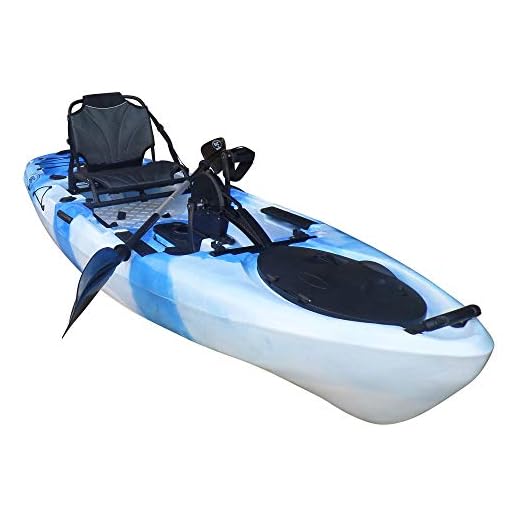
Credit: standuppaddleboardworld.com
Frequently Asked Questions
How Do Pedal Kayaks Work For Beginners?
Pedal kayaks use a foot-powered system to propel the kayak forward. Beginners sit comfortably and pedal using their legs. Steering is controlled by a hand-operated rudder. This setup offers easy navigation and stability, making it ideal for new users. Pedal kayaks are efficient, reducing fatigue during long trips.
How Do Pedals Work On A Kayak?
Kayak pedals connect to a rudder system, allowing easy steering. Push the pedals with your feet to turn. Adjust pressure on the pedals to navigate left or right. This system helps maintain balance and control while paddling in various water conditions.
How Well Do Pedal Kayaks Work?
Pedal kayaks offer efficient propulsion, combining speed with hands-free operation. They excel in various water conditions, providing stability and maneuverability. Ideal for fishing and long-distance paddling, pedal kayaks enhance user experience by reducing physical strain. Their user-friendly design appeals to both beginners and experienced paddlers, ensuring enjoyable water adventures.
How Does A Kayak Paddle Work?
A kayak paddle propels the kayak forward by pushing against water. Each stroke involves alternating sides. The blade catches water, and the paddler pulls back, moving the kayak. Proper technique ensures efficiency and reduces fatigue. Adjusting stroke rhythm helps maintain speed and control.
Conclusion
Pedal kayaks offer a fun way to explore water. Their design allows easy navigation. Paddling becomes less tiring with pedal systems. You can enjoy longer trips. Hands-free operation lets you fish or take photos. Great for nature lovers and adventure seekers.
Pedal kayaks are suitable for lakes, rivers, and seas. They provide stability and control. Safety is important; always wear a life jacket. Try a pedal kayak next time you’re on the water. Discover the joy of pedaling through waves. It’s simple and rewarding.
Enjoy your journey and stay safe!