Have you ever struggled with securing your kayak for transport? You’re not alone.
Many people find themselves puzzled by the process of strapping down a kayak properly. It’s a crucial step that ensures both your safety and the protection of your equipment. Imagine driving down the road with confidence, knowing that your kayak is securely fastened and ready for your next adventure.
In this guide, we’ll break down the steps on how to do kayak straps effectively. You’ll discover simple techniques and insider tips that make this task a breeze. Get ready to transform your kayaking experience and say goodbye to any travel-related worries. Stay with us, and you’ll soon master the art of kayak straping!
Choosing The Right Kayak Straps
Choosing the right kayak straps can make a world of difference in your kayaking adventures. The right strap ensures your kayak stays secure whether you’re transporting it on your vehicle or storing it at home. But how do you choose the perfect one for your needs? Let’s break it down into some key considerations.
Material And Durability
Kayak straps come in various materials, each offering different levels of durability and strength. Polyester is a popular choice because it is resistant to stretching, ensuring your kayak remains tightly secured during transport. Nylon, while strong, tends to stretch and might not be the best option for longer journeys.
Think about the conditions you’ll be using your straps in. If you’re kayaking in wet environments, opt for straps that are resistant to mildew and UV damage. This way, you won’t find yourself replacing them frequently.
Length And Width Considerations
The length and width of your kayak straps play a crucial role in their effectiveness. A strap that is too short won’t secure your kayak properly, while an excessively long one can be cumbersome to manage. Measure the width of your kayak and the distance across your vehicle to determine the optimal strap length.
Wider straps often provide more stability and distribute pressure more evenly. This reduces the risk of damage to your kayak’s surface. However, they may be bulkier to handle, so find a balance that works for you.
Types Of Buckles
Buckles are the unsung heroes of kayak straps, keeping everything locked in place. Cam buckles are a favorite for their ease of use and strong grip. They allow you to adjust the strap tension with minimal effort, which is perfect for quick setups.
Ratchet buckles offer even more security but can be overkill for lightweight kayaks. Consider what level of security you need and how much time you’re willing to spend securing your kayak. A friend once spent an extra 20 minutes fiddling with a ratchet buckle only to realize a simple cam buckle would have sufficed!
Remember, the right kayak strap not only makes transportation easier but also gives you peace of mind. What features are most important to you in choosing a kayak strap?

Credit: www.amazon.com
Preparing Your Kayak For Strapping
Strapping your kayak securely is essential for safe transport. Before you start, prepare your kayak properly. This ensures it travels well and avoids damage during the journey. Begin by cleaning and inspecting, then position it correctly on the vehicle.
Cleaning And Inspecting The Kayak
First, clean the kayak thoroughly. Remove dirt and debris to prevent scratches. Use a gentle soap and water solution. Dry it completely with a soft cloth. Inspect the kayak for any damage. Check for cracks or loose parts. Ensure all handles and fixtures are secure. A well-maintained kayak straps better and stays secure.
Positioning The Kayak On The Vehicle
Position the kayak evenly on the roof rack. Center it between the crossbars. Ensure both ends have equal overhang. This balances the weight and improves stability. Check the rack is tightly secured to the vehicle. Adjust the kayak if necessary. Proper positioning prevents shifting during travel. It keeps the kayak safe and reduces wind resistance.
Securing The Kayak With Straps
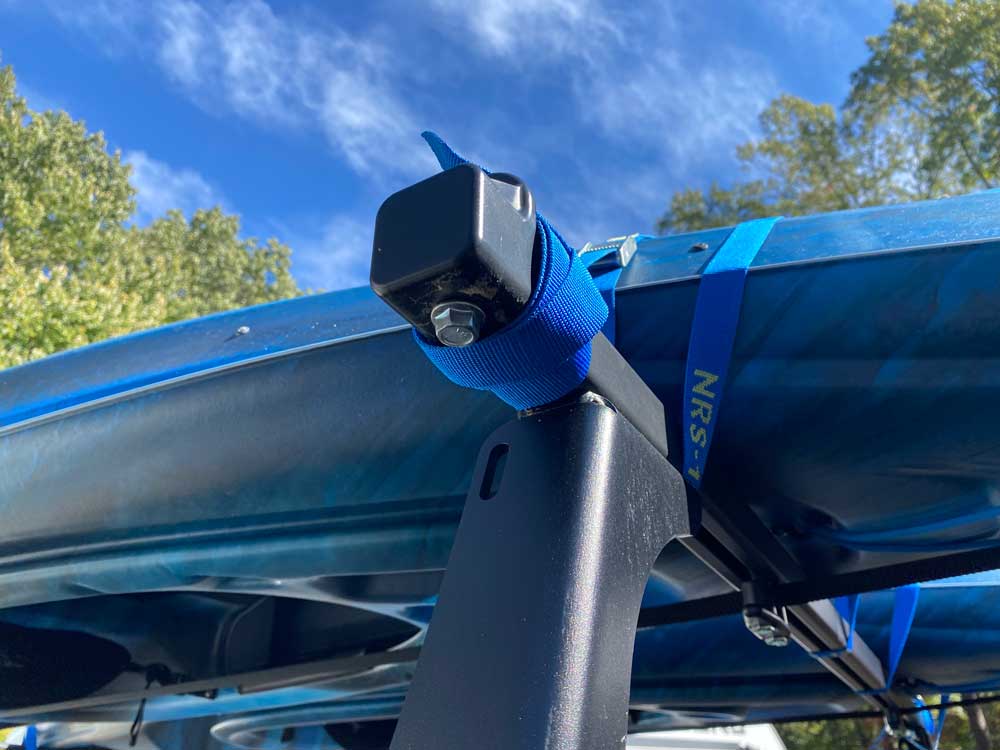
Securing your kayak with straps involves placing the straps over the kayak and tightening them firmly. Ensure the straps are evenly distributed and fastened securely to prevent movement during transport. This technique keeps your kayak stable and safe while on the road.
Securing your kayak with straps is essential for safe transportation. Properly securing the kayak ensures it doesn’t shift or fall during transit. This process involves placing, tightening, and checking the straps. Each step is vital for your kayak’s safety.Placing Straps Over The Kayak
Begin by placing the straps over your kayak. Use two straps for stability. Position one strap near the bow and the other near the stern. Ensure they are evenly spaced. This balance prevents tipping during travel.Tightening The Straps Correctly
Tighten the straps by pulling them snug. Avoid over-tightening to prevent damage. The straps should be firm but not cause dents. Use the buckle to secure the strap in place.Checking Strap Tension
Check the strap tension by gently shaking the kayak. It should not move or wobble. Adjust the straps if needed for a secure fit. Regular checks ensure everything stays in place.
Credit: tomoutdoors.com
Ensuring Safe Transport
Transporting your kayak safely is crucial for both the kayak and your vehicle. Properly securing the kayak prevents damage and ensures a smooth journey. Understanding the best practices will make your trip stress-free and safe.
Double-checking All Connections
Before hitting the road, inspect every strap and connection point. Ensure straps are tight and secure, minimizing the risk of slippage. Check that the kayak sits snugly, without wobbling or shifting. A quick walk around the vehicle can reveal any loose ends. Adjust as needed to maintain stability.
Monitoring During The Trip
Keep an eye on your kayak during travel. Periodically stop to check straps, especially on long trips. Look for any signs of loosening or shifting. Listen for unusual sounds indicating movement. Address any issues promptly to prevent accidents or damage.
Troubleshooting Common Issues
Kayak straps are essential for securing your kayak during transport, but sometimes they can be a source of frustration. From loose straps to wear and tear, there are several common issues you might encounter. Let’s explore how to troubleshoot these problems so you can enjoy a smooth and stress-free kayaking adventure.
Dealing With Loose Straps
Loose straps can be more than just an annoyance—they can pose a safety risk. Imagine cruising down the highway, only to realize your kayak is wobbling precariously on the roof. To prevent this, make sure you double-check the tightness of your straps before hitting the road.
One effective way is to use a ratchet strap, which provides a secure hold. If you’re using a traditional strap, pull it tight and then twist it once or twice to create tension. This simple trick can make a world of difference.
It’s also crucial to inspect the anchors where the straps connect to your vehicle. A secure anchor ensures the straps won’t loosen as you drive. Have you ever thought about using carabiners for added security? They can be a great solution to keep your straps steady.
Addressing Strap Wear And Tear
Straps are like the unsung heroes of your kayaking gear. However, over time, they can suffer from wear and tear. Regularly inspect your straps for fraying edges or weakened areas. These can compromise their strength and reliability.
Consider investing in high-quality straps made from durable materials like nylon or polyester. They tend to last longer and resist environmental damage. Are your straps showing signs of wear? It might be time to replace them before your next trip.
Storing your straps properly can also extend their lifespan. Keep them clean and dry, away from direct sunlight or harsh weather conditions. Treat them well, and they’ll serve you faithfully during many kayak journeys.

Credit: www.facebook.com
Maintenance And Storage Of Straps
Properly cleaning and drying kayak straps before storage prevents mildew and extends their lifespan. Keep them in a cool, dry place away from sunlight to maintain their strength.
Maintaining and storing kayak straps correctly ensures their durability and effectiveness. Regular care is crucial for extending their lifespan. Straps are essential in securing your kayak during transport. They must be kept in good condition to avoid mishaps. Proper maintenance involves cleaning and storing them adequately.Proper Cleaning Techniques
Cleaning kayak straps is simple but important. Dirt and salt can weaken them over time. Use mild soap and warm water to clean the straps. Scrub gently with a brush to remove grime. Rinse thoroughly to eliminate any soap residue. Allow them to dry completely before storing.Storing Straps For Longevity
Correct storage keeps straps in top shape. Store them in a cool, dry place away from sunlight. Sunlight can degrade the material. Avoid hanging straps on hooks, which can cause stretching. Coil them neatly to prevent tangling. Placing them in a storage bag can protect them from dust.Safety Tips For Kayak Transport
Transporting a kayak safely is crucial for a worry-free journey. Proper strapping techniques prevent accidents and damage. Ensure your kayak reaches its destination securely. Follow these safety tips to avoid common mistakes and handle emergencies.
Avoiding Common Mistakes
Check straps before hitting the road. Loose straps can cause shifts during travel. Double-check all connections. Secure straps tightly, but not too tight to damage the kayak. Use quality straps designed for heavy loads. Avoid tying knots that might unravel. Place the kayak on the roof rack carefully, ensuring it’s centered. Balance the weight to prevent tilting. Always inspect your setup after driving a short distance. Make adjustments if needed.
Emergency Situations On The Road
Be prepared for unexpected situations. Keep extra straps in your vehicle. In case of strap failure, quickly replace them. Carry a toolkit for quick fixes. If the kayak shifts, stop immediately. Check the straps and adjust as necessary. Use hazard lights to warn other drivers. Avoid sudden stops or sharp turns to maintain stability. If traffic conditions worsen, pull over safely. Ensure the kayak is secure before continuing.
Frequently Asked Questions
How To Properly Strap A Kayak?
Place the kayak on the roof rack. Loop the straps over the kayak. Secure them tightly. Ensure the kayak is centered. Check for movement and adjust if needed.
How Many Straps To Tie Down A Kayak?
Use at least two straps to securely tie down a kayak. Position them over the kayak’s body and tighten firmly. Ensure the kayak is stable and doesn’t shift during transport. Adjust as needed for different vehicle types or kayak sizes.
Properly secured straps prevent accidents and ensure safe travels.
What Straps Are Best For Tying Down A Kayak?
Cam buckle straps are best for tying down a kayak. They offer easy adjustment and secure grip. Always choose straps made of durable, weather-resistant materials. Ensure they are long enough to wrap around the kayak and secure it to the vehicle.
Avoid using bungee cords as they can stretch and loosen.
Are Bow And Stern Straps Necessary For A Kayak?
Bow and stern straps are essential for kayak transport. They prevent movement, ensuring safety and stability during travel. Using these straps minimizes risk of damage and enhances security, especially at high speeds. Always secure your kayak with these straps for a worry-free journey.
Conclusion
Mastering kayak straps is easier than it seems. Focus on securing your kayak firmly. This ensures safe transport every time. Practice tightening and loosening the straps. It builds confidence and skill. Remember, the right technique protects your kayak. Plus, it saves you time and effort.
Use quality straps for best results. They hold better under various conditions. Regular checks prevent unexpected problems. Enjoy your paddling adventures with peace of mind. Your kayak is secure and ready for the journey. Keep practicing, and you’ll strap like a pro.
Happy kayaking!