Imagine you’re gearing up for a perfect weekend adventure. The sun is shining, the water is calling, and your kayaks are ready to hit the road.
But there’s just one hurdle: how do you securely tie down not one, but two kayaks on your roof rack? It can seem daunting, but with the right approach, it’s easier than you think. In this guide, you’ll discover simple, step-by-step techniques to ensure your kayaks are snug and safe.
Plus, you’ll learn some insider tips that even seasoned kayakers swear by. By the end of this article, you’ll be ready to transport your kayaks with confidence, leaving you free to focus on what really matters—enjoying the great outdoors. Dive in to uncover the secrets to a secure and stress-free journey!

Credit: www.ascentforums.com
Choosing The Right Roof Rack
Securing two kayaks on a roof rack involves careful positioning and proper tie-down techniques. Use sturdy straps to anchor each kayak, ensuring they are tightly fastened. Make sure the kayaks are balanced and secure before hitting the road to prevent any accidents.
Choosing the right roof rack for your kayaks is crucial. It ensures they remain secure during transport. A good roof rack not only keeps your kayaks safe but also protects your vehicle. The selection process involves understanding your vehicle’s compatibility, the type of kayaks you have, and your budget.Understanding Different Types Of Roof Racks
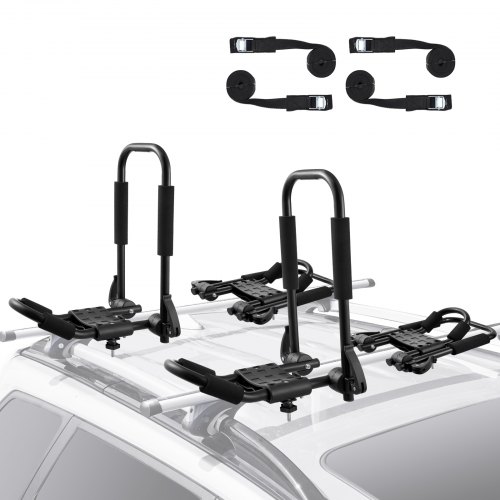
Roof racks come in various types. The most common are crossbars, J-cradles, and stackers. Crossbars run across the roof of your car. They offer a flat surface for your kayaks. J-cradles hold kayaks on their sides. They save space and are easy to load. Stackers allow multiple kayaks to be tied side-by-side. They’re great for families or groups.Assessing Compatibility With Your Vehicle
Not all racks fit every vehicle. Check your car’s roof type. Some cars have pre-installed rails. Others are bare-roofed. Ensure the rack suits your car’s design. Check the weight capacity. Your rack should support the weight of both kayaks.Considering Ease Of Installation
Some racks are easier to install than others. Look for racks that come with clear instructions. Some require tools, while others do not. A simple installation saves time and reduces frustration. It also ensures the rack is secure.Evaluating The Security Features
Security is important for peace of mind. Choose racks with locking systems. Locks prevent theft of your kayaks and rack. Check for secure straps or tie-downs. They keep your kayaks stable while driving.Weighing The Cost And Quality
Quality often reflects cost. Invest in a durable rack. It should withstand weather and regular use. Compare prices and read reviews. A good investment ensures long-term satisfaction. Consider these factors to select the best rack. Safe travels and happy kayaking!Gathering Essential Tools
Transporting kayaks on your vehicle’s roof rack can be a breeze if you start by gathering the essential tools. Having the right equipment will not only ensure the safety of your kayaks but also make the process seamless and stress-free. Imagine heading out for a peaceful day on the water, only to find your kayaks are not securely fastened. Avoid such mishaps by preparing ahead.
Straps And Tie-downs
Secure your kayaks with high-quality straps and tie-downs. Opt for cam buckle straps, as they offer adjustable tension and are easy to use. Avoid using bungee cords as they can stretch and fail to hold the kayaks in place.
Consider ratchet straps for extra security. They provide a tight hold and are excellent for long journeys. Always check the length of the straps to ensure they are suitable for your specific roof rack and kayak size.
How confident are you in the strength of your tie-downs? Investing in durable straps can save you from an unexpected detour to retrieve a fallen kayak.
Padding And Protection
Protect your kayaks and car with adequate padding. Foam blocks or inflatable pads can cushion your kayaks against the hard surface of the roof rack. This prevents scratches and minimizes movement during transit.
Don’t overlook the importance of protecting your car’s roof. Use towels or specialized roof protectors to prevent damage. This small step can keep your car looking pristine even after numerous kayaking adventures.
Have you ever arrived at your destination only to find scratches on your car? Proper padding ensures both your kayaks and vehicle remain in perfect condition.
Positioning The Kayaks
Positioning your kayaks on the roof rack is the first step to ensuring a safe and smooth journey to your water adventure. The way you place them affects not only your vehicle’s handling but also the security of the kayaks during transit. With the right positioning, you can minimize wind resistance and reduce the risk of damage to your kayaks and car.
Aligning Kayaks On The Rack
Start by placing one kayak on each side of the roof rack. This balanced approach helps in securing them tightly. Ensure the bow and stern are facing the same direction for both kayaks to maintain aerodynamics.
Align the kayaks so that the widest part of the hull sits directly on the crossbars. This provides maximum stability and support. If your rack has adjustable crossbars, position them to match the kayak’s width for an even better fit.
Balancing Weight Distribution
Weight distribution is crucial for safe travel. Place the heavier kayak closer to the center of your vehicle. This balances the load and reduces strain on one side of the car.
Consider the weight and size of each kayak. If they are similar, positioning them equidistant from the center of the roof rack often works best. Are you noticing any vehicle tilt or uneven handling? A quick adjustment in the kayaks’ positioning can make a big difference.
- Check that both kayaks are equally distanced from the car’s centerline.
- Ensure straps are placed on both the front and back of each kayak to maintain balance.
- Inspect the setup before hitting the road to make necessary adjustments.
Remember, the aim is not just to transport your kayaks but to do so safely and efficiently. With these positioning tips, you’re not only protecting your investment but also ensuring a stress-free journey. What changes can you make in your current setup to improve balance and stability?
Securing The First Kayak
Securing the first kayak is crucial for safe transport. Position the kayak evenly on the roof rack. Use sturdy straps to tie it down securely, ensuring it remains stable during the journey.
Securing your first kayak on a roof rack might seem daunting, but with the right approach, it becomes a straightforward task. The key is to ensure that the kayak is stable and secure, minimizing any risk during transit. Let’s dive into some effective techniques to keep your kayak snug and safe.Using Cam Straps Effectively
Cam straps are your best friend when securing a kayak. They are strong, easy to use, and provide a tight hold. Start by placing the strap over the kayak, ensuring it reaches both sides of the roof rack. Feed the strap through the cam buckle and pull it tight. Make sure the buckle is on the side of the kayak where you can easily access it. This accessibility ensures you can make adjustments without hassle. Avoid over-tightening the straps. While a snug fit is necessary, excessive tension can damage your kayak. Check the strap tension by gently shaking the kayak; it should move slightly but not shift significantly.Checking For Stability
After securing the kayak, it’s crucial to check its stability. Walk around your vehicle and inspect the kayak from different angles. Look for any areas where the kayak might be loose or unbalanced. Gently push the kayak from various sides to test its stability. It should remain firm and not wobble excessively. This step is vital for preventing accidents on the road. Consider the last time you drove with a kayak. Did it shift or make noise? Addressing these issues now will save you from stress during your journey. Remember, a stable kayak is a safe kayak.Securing The Second Kayak
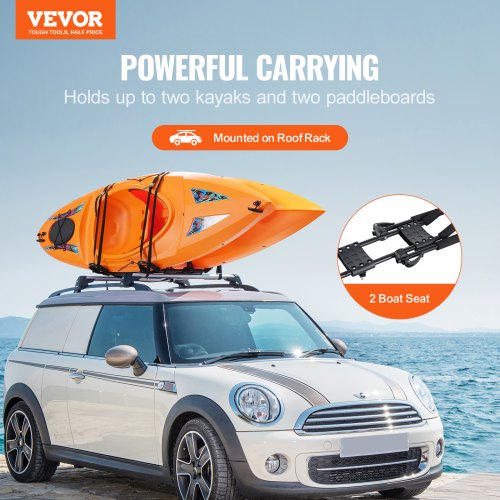
Position the first kayak securely on the roof rack, ensuring it is balanced. Place the second kayak beside it, leaving enough space. Use straps to tie down both kayaks, making sure they are tightly secured and won’t shift during transport.
Securing the second kayak on a roof rack can be tricky. With two kayaks, space is tight. Proper technique ensures safety and balance. Follow these simple steps for a secure fit.Avoiding Overlapping Straps
Straps should not cross each other. Overlapping can cause instability. Place straps parallel to each other. Ensure they lie flat against the kayak. This helps maintain even pressure.Ensuring Equal Tightness
Both kayaks need equal tightness. Uneven tension can lead to shifting. Check both sides for consistency. Tighten straps until snug, but not too tight. This prevents damage to the kayaks. Achieving balance keeps your kayaks secure during travel. Use these strategies for a safe trip.
Credit: gobiracks.com
Using Bow And Stern Tie-downs
Tying down kayaks on a roof rack securely is crucial for a safe journey, and using bow and stern tie-downs is an essential technique. These tie-downs provide additional stability, ensuring your kayaks stay in place even at high speeds. You might wonder why it’s necessary to use bow and stern tie-downs when the roof rack seems sturdy enough. The answer lies in the added security and peace of mind they offer, particularly on long trips or windy roads.
Attaching To Vehicle Anchors
To attach the bow and stern tie-downs, you need to find suitable anchor points on your vehicle. Look for sturdy parts, such as tow hooks or metal loops, where you can secure the straps. Using these anchors ensures that the tie-downs hold the kayaks firmly without damaging your car. Always double-check the anchor points for strength and reliability before hitting the road.
Have you ever thought about the role of your vehicle’s design in securing outdoor gear? Manufacturers often provide these anchors precisely for such purposes, so take advantage of them.
Preventing Wind Lift
Wind lift can be a significant concern when transporting kayaks, especially at highway speeds. Bow and stern tie-downs play a vital role in preventing this aerodynamic effect. By securing both the front and back of the kayaks, you minimize the risk of them lifting off the roof rack. This not only protects the kayaks from potential damage but also ensures your safety and the safety of other road users.
Imagine cruising down the highway with your kayaks securely fastened, free from the worry of wind lift. It’s a simple step that makes a world of difference in your travel experience.
- Ensure tie-downs are taut but not overly tight to avoid damaging the kayaks.
- Regularly inspect the tie-downs during stops to maintain security.
Final Safety Checks
Final safety checks ensure your kayaks are secure for travel. These checks prevent accidents and protect your equipment. Spend a few minutes on these steps before hitting the road.
Inspecting Strap Tension
Check the straps for proper tension. They shouldn’t be too loose or overly tight. Loose straps can cause kayaks to shift during transit. Over-tight straps may damage the kayaks. Adjust until you find the right balance.
Testing For Movement
Gently push and pull each kayak. There should be little to no movement. If a kayak shifts, tighten the straps again. Ensure both kayaks are stable and secure. This prevents accidents while driving.
Credit: www.vevor.com
Tips For Safe Transport
Secure two kayaks on a roof rack with sturdy straps. Place them evenly spaced and tighten the straps firmly. Ensure each kayak is stable by shaking them gently to test the hold.
Tying down two kayaks on your roof rack might seem daunting, but with the right tips, you can ensure a safe and secure transport. Properly securing your kayaks not only protects them but also keeps you and other road users safe. Let’s delve into some critical tips for transporting your kayaks safely, starting with what you need to consider while driving.Driving Considerations
Always be mindful of your added roof load. Kayaks can significantly alter your vehicle’s center of gravity, affecting handling, especially in windy conditions or during abrupt maneuvers. Reduce your speed to maintain control and reduce wind resistance. Accelerate gradually and take turns more cautiously. Anticipate braking earlier than usual to account for the extra weight and potential shifting of your kayaks.Regular Stop Checks
Make it a habit to check your roof rack and kayak ties at regular intervals during your journey. Pull over safely to ensure the straps are still tight and secure. Weather changes can cause straps to loosen, so it’s essential to check after driving through rain or high winds. Look for any signs of shifting or movement, as even a slight change can become hazardous over longer distances. These proactive steps can prevent accidents and ensure your kayaks reach your destination safely. Are there other strategies you use to keep your gear secure on the road?Frequently Asked Questions
Can You Strap Two Kayaks To A Roof Rack?
Yes, you can strap two kayaks to a roof rack. Use sturdy straps and position them securely. Ensure proper weight distribution to prevent damage. Check your vehicle’s load capacity and confirm the roof rack is compatible. Always verify local transportation regulations for safe and legal transport.
How To Properly Secure A Kayak On A Roof Rack?
Position the kayak centrally on the roof rack. Use straps to secure it tightly. Ensure straps are not twisted. Check the kayak’s stability before driving. Regularly inspect the straps during travel.
How Many Kayaks Can You Put On A Roof Rack?
Most roof racks can accommodate 2 to 4 kayaks, depending on their size and your vehicle’s capacity. Ensure proper weight distribution and use secure straps for safety. Always check your vehicle’s manual for specific guidelines and weight limits to prevent damage or accidents.
What Straps Are Best For Tying Down A Kayak?
Use cam buckle straps for tying down a kayak. They provide secure and adjustable tension. Opt for straps made of durable polyester or nylon. Ensure they are UV-resistant to withstand outdoor conditions. Avoid ratchet straps, as they may apply too much pressure, risking kayak damage.
Conclusion
Securing two kayaks on your roof rack is easy with practice. Use strong straps to keep them in place. Ensure they are balanced and tightly fastened. Remember, safety is crucial for a smooth journey. Check the straps often during long trips.
Practice makes perfect, so don’t worry if it takes time. Now, enjoy your kayaking adventure with peace of mind. Your kayaks will stay safe and secure. Happy paddling!