
Imagine gliding effortlessly over the water, the sun warming your skin, and the gentle sound of nature surrounding you. This is the magic of kayaking.
But before you can enjoy this serene experience, there’s an important decision to make: choosing the right kayak. Whether you’re a seasoned paddler or a first-time buyer, picking the perfect kayak can be overwhelming. With countless options available, how do you know which one is right for you?
Don’t worry; you’re not alone. Many face this exact challenge. This guide will help you navigate the sea of choices and find the kayak that fits your needs. By understanding what to look for, you’ll ensure every paddle stroke is one of comfort and satisfaction. Ready to unlock the secrets to a perfect kayaking experience? Let’s dive into what you need to know before making that purchase.
Types Of Kayaks
Consider the kayak’s purpose: touring, fishing, or whitewater. Check the material for durability and weight. Ensure the kayak’s size and shape match your skill level and water conditions.
When buying a kayak, understanding the different types is crucial. Each type serves a specific purpose and suits different environments. Knowing the types helps you choose the right one for your needs.Sit-in Vs. Sit-on-top
Sit-in kayaks have an enclosed cockpit. They offer better protection from water and wind. Ideal for colder climates and long paddles. They provide more storage space. Sit-on-top kayaks are open and user-friendly. Great for warm weather and calm waters. They offer easy entry and exit. Perfect for beginners.Recreational Vs. Touring
Recreational kayaks are short and wide. They provide stability and are easy to maneuver. Best for calm lakes and slow rivers. Touring kayaks are long and narrow. Designed for speed and straight tracking. Suitable for long trips on open waters. They often have ample storage for gear.Inflatable Vs. Hard-shell
Inflatable kayaks are lightweight and portable. Easy to store and transport. Made with durable materials, offering surprising resilience. Hard-shell kayaks are sturdy and robust. Provide better performance in rough waters. Require more storage space and are heavier. Ideal for serious kayakers seeking durability.
Credit: www.reddit.com
Materials And Construction
Durability and weight matter. Choose a kayak made from high-quality materials like polyethylene or fiberglass. These materials ensure long-lasting performance and easier maneuverability. Check the construction for sturdy seams and handles for better handling.
When deciding on the perfect kayak, understanding the materials and construction is crucial. Different materials offer varied benefits, from durability to weight, influencing your paddling experience. Choosing the right one can be the difference between an enjoyable adventure and a challenging outing. So, what should you consider when evaluating the materials of a kayak? Let’s dive in.Polyethylene
Polyethylene is a common choice for kayaks due to its durability and affordability. These kayaks can withstand impacts, making them ideal for rocky rivers or rugged coastal areas. I remember my first polyethylene kayak; its resilience allowed me to explore hidden coves without worrying about damaging the hull. However, polyethylene kayaks are heavier, which can be a drawback for solo paddlers who need to transport the kayak themselves. Consider whether the trade-off between durability and weight suits your paddling needs.Composite Materials
Composite materials, like fiberglass and carbon fiber, offer a lightweight option for kayakers. These kayaks are known for their speed and efficiency, perfect for longer trips where every stroke counts. On a recent expedition, my composite kayak glided effortlessly, allowing me to cover more ground with less fatigue. They do come with a higher price tag but are worth considering if performance is your priority. Are you willing to invest more for a faster ride?Inflatable Materials
Inflatable kayaks are gaining popularity due to their portability and ease of storage. Made from durable PVC or Hypalon, they can be packed into a backpack, making them ideal for travel or spontaneous trips. I once took an inflatable kayak on a hiking trip, and it opened up new paddling routes I would have otherwise missed. While they might not offer the same rigidity as hard-shell kayaks, modern designs have improved stability and performance. Think about whether the convenience of an inflatable kayak outweighs the need for a traditional structure in your adventures. Choosing the right material involves balancing your priorities—be it durability, speed, or portability. Which one resonates with your paddling style?Size And Weight Considerations
Choosing a kayak involves considering its size and weight. A compact kayak is easier to transport and store, while a larger one might offer more stability. Lightweight models are ideal for easy handling, but heavier kayaks can provide better performance in rough waters.
When buying a kayak, size and weight are crucial factors that significantly impact your experience on the water. The right dimensions can enhance stability, speed, and comfort. So, understanding how each aspect influences performance is key to making the best choice.Kayak Length
The length of a kayak affects its speed and maneuverability. Longer kayaks, typically over 12 feet, glide smoothly and are excellent for covering long distances. They’re perfect for touring or sea kayaking. In contrast, shorter kayaks, usually under 10 feet, are more agile and easier to turn. They are ideal for navigating rivers and small lakes. Consider where you’ll predominantly use your kayak when deciding on its length.Kayak Width
A kayak’s width contributes to its stability. Wider kayaks provide more stability, making them suitable for beginners or those who prefer calm waters. They offer a reassuring balance, especially for activities like fishing. Narrower kayaks, on the other hand, tend to be faster and are better suited for experienced paddlers. They cut through water with less resistance, offering a thrilling experience for those seeking speed.Kayak Weight
The weight of your kayak can influence both its portability and performance. Heavier kayaks often offer more durability and stability. However, consider how you will transport it to and from the water. Lighter kayaks are easier to carry and store, making them a convenient option if you plan to paddle alone. When choosing, think about your physical capabilities and how often you’ll need to move your kayak. Have you ever struggled to carry a kayak to the water, only to feel exhausted before you even start paddling? Ensuring your kayak’s weight suits your needs can make all the difference in your paddling adventures.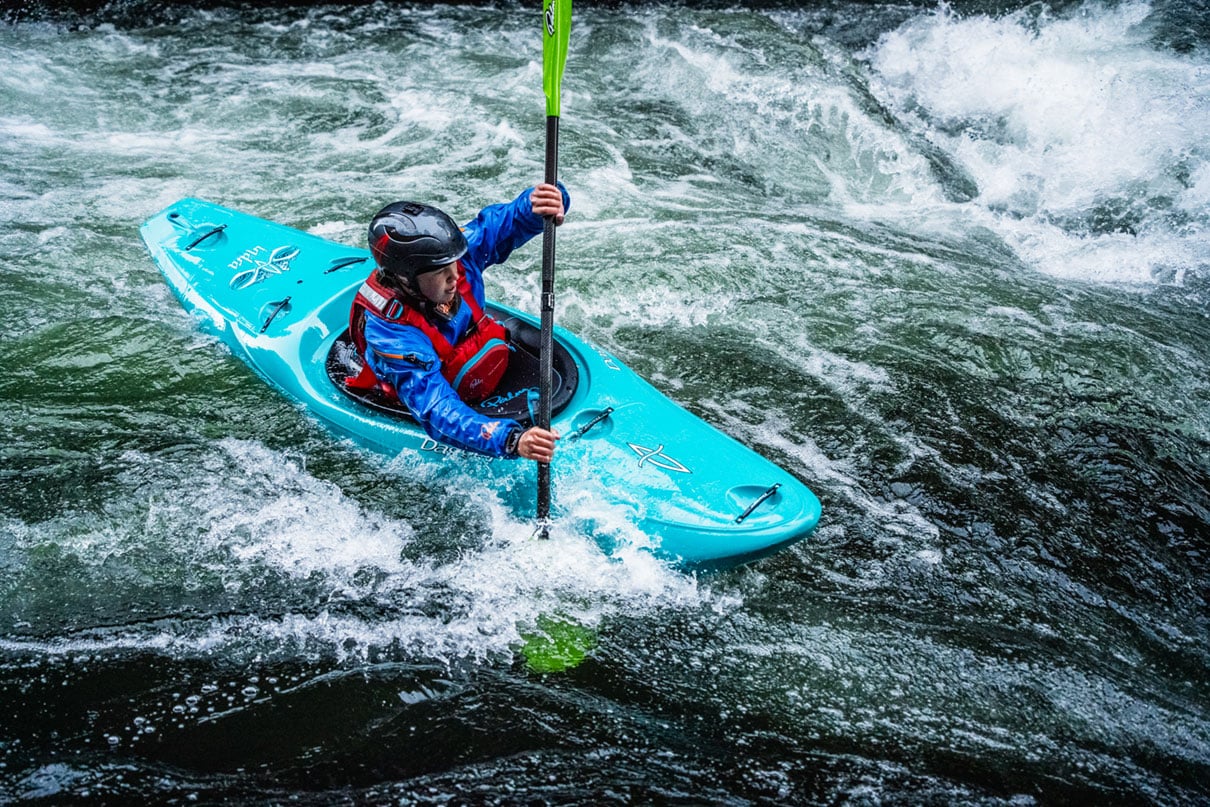
Credit: paddlingmag.com
Stability And Maneuverability
Choosing the right kayak involves considering stability and maneuverability. These factors greatly affect your paddling experience. A stable kayak ensures safety and comfort. Maneuverability determines how easily you can control your kayak.
Hull Design
The hull design impacts stability and maneuverability. Flat hulls offer great stability, perfect for beginners. They are steady on calm waters. Rounded hulls provide better maneuverability. These are ideal for experienced paddlers in swift waters. V-shaped hulls offer a balance. They ensure good speed and moderate stability.
Tracking Ability
Tracking ability refers to how straight a kayak moves. A kayak with good tracking requires less effort to stay on course. Longer kayaks generally have better tracking. They cut through water efficiently. Skegs or rudders can enhance tracking. These features help maintain direction in windy conditions.
Comfort And Features
When choosing a kayak, comfort and features can make or break your experience on the water. Whether you’re paddling through serene lakes or navigating wild rivers, having a kayak that’s tailored to your comfort can significantly enhance your journey. Dive into the essentials of what to look for when assessing seat comfort, storage options, and accessory mounts.
Seat Comfort
The seat in a kayak is more than just a place to sit—it’s where you’ll spend hours paddling. Look for seats with adjustable backrests and padded cushions to support your back during long trips. Some models even offer ergonomic designs to minimize discomfort.
Consider taking the kayak for a test paddle if possible. You’ll want to ensure the seat doesn’t leave you aching after a few hours. How does it feel when you shift your weight? A good seat should accommodate movement and flexibility.
Storage Options
Storage is crucial for keeping your essentials safe and accessible. Many kayaks come equipped with waterproof compartments and bungee cords for securing gear. Evaluate how easy it is to reach these storage areas while seated.
Think about the trips you plan to take. Do you need room for camping gear or just a small day pack? A kayak with versatile storage can adapt to different adventures, whether you’re off for a day trip or a multi-day excursion.
Accessory Mounts
Accessory mounts allow you to personalize your kayak with gadgets like GPS systems, cameras, or fishing rods. Check if the kayak offers built-in mounts or tracks for easy attachment. These features can transform a basic kayak into a customized vessel.
Consider what accessories are essential for your kayaking experience. Would a camera mount capture memorable moments? Or perhaps a fishing rod holder is more your speed? Accessory mounts give you the flexibility to tailor your kayak to your hobbies.
Safety Features
Safety features are crucial when buying a kayak. Check for adjustable footrests, secure hatch covers, and a durable hull. These features enhance stability and protect against water entry, ensuring a safer kayaking experience.
Kayaking is thrilling, yet safety should always come first. Choosing a kayak with essential safety features can make a huge difference. These features ensure a secure and enjoyable experience on the water. Prioritize safety to keep your kayaking adventures worry-free.Buoyancy Aids
Buoyancy aids are crucial for keeping your kayak afloat. They help maintain stability even in choppy waters. Look for kayaks with built-in buoyancy chambers. This provides extra support and balance. Some kayaks offer removable buoyancy aids. These can be adjusted based on your needs. Ensure the buoyancy aids are made from durable materials. Quality materials withstand wear and tear. They offer reliable performance over time.Reflective Elements
Reflective elements enhance visibility in low-light conditions. They make the kayak visible to others. This is important for evening or early morning paddles. Look for reflective strips or decals on the kayak. These should be placed on the sides and back. They catch light and improve visibility. This feature ensures safety by alerting others to your presence. Reflective elements are easy to maintain. They do not require much upkeep.Budget And Value
Finding the right kayak involves balancing your budget and the value you get. You want to make sure you invest wisely, ensuring quality that matches your spending limits. Evaluating cost and long-term worth can lead to smart purchasing decisions.
Price Range
Kayaks come in a variety of price ranges. You can find basic models starting at a few hundred dollars. Premium kayaks can cost several thousand. It’s essential to decide what features you need. Higher prices often include advanced materials and design. Consider what you will use the kayak for. A casual paddler may not need the top-tier options. Serious enthusiasts may benefit from investing more.
Resale Value
Resale value is important. Think about how long you plan to keep the kayak. High-quality kayaks often maintain value better. If you might sell in the future, a well-known brand can be a good choice. Check online marketplaces for similar models. Compare their resale prices. This can help guide your purchase and ensure you get a fair deal.

Credit: paddlingmag.com
Environmental Considerations
Choosing the right kayak involves more than just considering size and stability. As our world becomes increasingly aware of environmental impacts, your purchase can reflect your commitment to eco-conscious living. Let’s explore how you can make a green choice when buying a kayak.
Eco-friendly Materials
When selecting a kayak, check the materials used in its construction. Look for kayaks made from recycled plastics or biodegradable components. These materials reduce waste and the environmental footprint of your purchase.
Some manufacturers even offer kayaks built from natural fibers like hemp or bamboo, which are sustainable alternatives to traditional plastics. Such choices make a significant difference, supporting both your paddling adventures and the planet.
Have you ever thought about the impact of a single kayak? Imagine the positive change if every paddler opted for eco-friendly materials.
Sustainable Practices
Beyond materials, consider the practices of the kayak manufacturer. Brands that prioritize sustainability often implement energy-efficient production methods or use renewable energy sources. This can significantly reduce carbon emissions.
Research companies that offer take-back programs, allowing old kayaks to be returned for recycling or refurbishment. This not only extends the life of products but also promotes a circular economy.
Next time you shop, ask yourself: Is the brand committed to sustainability, or is it just a marketing gimmick? Your choice can influence industry standards.
Frequently Asked Questions
What To Consider When Buying A Kayak?
Consider kayak type, intended use, and weight capacity. Check durability, material, and portability. Ensure comfort and storage space.
What Is The 120 Rule For Kayaking?
The 120 rule for kayaking suggests combining air and water temperatures. Ensure their sum is at least 120°F for safe kayaking conditions. Always wear appropriate gear, like a wetsuit or drysuit, especially in colder water. This rule helps prevent hypothermia and ensures a safer kayaking experience.
What Are The Three Golden Rules Of Kayaking?
The three golden rules of kayaking are: keep your balance, use proper paddling techniques, and stay aware of surroundings. These rules ensure safety and efficiency on the water, enhancing your kayaking experience while minimizing risks.
What Is The 50-90 Rule In Sea Kayaking?
The 50-90 rule in sea kayaking suggests maintaining a speed of 50-90 strokes per minute. It helps conserve energy while ensuring efficient movement through water. This technique is crucial for long-distance paddling, balancing speed and endurance for optimal performance during sea kayaking adventures.
Conclusion
Choosing the right kayak makes every adventure better. Focus on comfort and stability. Check the material and weight. Consider storage space for gear. Think about your kayaking style. Explore options for different water conditions. Keep safety features in mind. Remember your budget and quality.
Test before buying if possible. Talk to experienced kayakers for advice. A good kayak enhances your experience. Enjoy the freedom of the water. Make memories with the perfect kayak. Happy paddling!