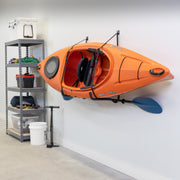
Are you tired of tripping over your kayak every time you step into your garage? Imagine a space where everything is organized and your kayak is safely stored, ready for your next adventure.
Hanging your kayak in the garage not only saves floor space but also protects your investment. In this guide, you’ll discover the simple steps to transform your cluttered garage into a tidy, efficient space. Picture yourself effortlessly accessing your kayak without hassle.
Stick around, and you’ll learn how to achieve this peace of mind and create the perfect home for your kayak.
Choosing The Right Space
Selecting the right space in your garage is crucial for hanging your kayak safely. Consider ceiling height and wall strength for secure installation. Ensure easy access to your kayak for convenient use.
Choosing the right space in your garage is crucial for hanging your kayak safely and efficiently. A well-chosen spot ensures your kayak remains undamaged and accessible. It’s essential to evaluate your garage’s layout and measure the available space correctly.Assessing Garage Layout
Start by examining the overall layout of your garage. Identify areas free from obstructions like shelves or tools. Look for spaces along walls or overhead where your kayak can fit comfortably. Consider the garage door’s path and ensure it won’t interfere with the kayak. Choose a location that allows easy access to your kayak without moving other items.Measuring Available Area
Measure the dimensions of the potential storage space. Use a tape measure to check the width, height, and depth. Compare these measurements with your kayak’s size. This ensures it fits without touching walls or the ceiling. Leave some extra space around the kayak for easy movement. Remember to account for the mounting hardware dimensions. Proper measurements prevent scratches and dents, keeping your kayak in top condition.Selecting Hanging Equipment
Securing your kayak in the garage not only frees up valuable floor space but also protects it from potential damage. Selecting the right hanging equipment is crucial to ensure your kayak is stored safely and conveniently. Are you ready to discover the best options for hanging your kayak?
Types Of Racks And Hoists
When choosing hanging equipment, you have several options. Wall-mounted racks are popular for their simplicity and space-saving design. They allow easy access to your kayak and can be installed at various heights to accommodate different kayak sizes.
Ceiling hoists offer another effective solution, especially if your garage has high ceilings. These systems use pulleys and ropes to lift the kayak off the ground, making it easy to store without heavy lifting. Consider the weight capacity to ensure it can support your kayak safely.
Alternatively, you might consider freestanding racks if wall space is limited or you prefer a more mobile storage solution. These can be easily moved around the garage and usually require no installation.
Material Considerations
The material of your hanging equipment plays a vital role in durability and safety. Steel racks are sturdy and can handle heavier kayaks, while aluminum racks offer a lightweight yet robust option.
Look for rubber or foam padding on the racks to prevent scratches and dents on your kayak. This is particularly important if you plan to store your kayak for extended periods.
For hoists, ensure the ropes or cables are made from durable materials that won’t fray or weaken over time. Nylon ropes are a popular choice for their strength and resistance to wear.
Before making a purchase, ask yourself: Will this equipment protect my kayak and make my life easier? Your answer will guide you to the best solution for your needs.
Preparing Your Kayak
Hanging your kayak in the garage saves space and keeps it safe. Use strong hooks and straps to secure it. Ensure the kayak is clean and dry before storing to prevent damage.
Preparing your kayak for storage is a crucial step in ensuring its longevity and performance. Before you start hanging it in your garage, taking the time to clean and position it properly can make a significant difference. This not only prevents damage but also ensures your kayak is ready for your next adventure. Let’s dive into the details.Cleaning And Maintenance
Begin with a thorough cleaning. Use fresh water to rinse off any salt, sand, or dirt that might have accumulated during your last trip. Don’t forget to check the crevices and seams, as these areas often trap debris. Once cleaned, inspect your kayak for any signs of wear or damage. Look for cracks, dents, or scratches, and address them promptly. A small crack today can become a bigger problem later. Applying a UV protectant can help maintain the kayak’s material, especially if it’s made of plastic or fiberglass. This simple step can prevent fading and cracking over time.Positioning For Hanging
Think about the best orientation for your kayak in the garage. Should it hang horizontally or vertically? The design of your garage and the type of kayak you own can influence this decision. Consider the balance and weight distribution of the kayak. Hanging it at an angle can help distribute the weight more evenly, reducing stress on any single point. Use foam blocks or padding on the hooks to prevent scratches or dents during storage. Ensuring it hangs securely will give you peace of mind, knowing it won’t come crashing down unexpectedly. By preparing your kayak properly, you can extend its life and ensure it’s always ready for your next water adventure. What’s your favorite way to prep your kayak for storage?
Credit: www.reddit.com
Installation Process
Securely hang your kayak in the garage using durable straps and sturdy wall mounts. Follow safety guidelines to prevent damage and ensure easy accessibility.
Installing your kayak in the garage is more than just about saving space. It’s about ensuring the longevity of your kayak while making your life easier. Hanging your kayak properly will prevent damage and keep it accessible whenever you’re ready for your next adventure. Let’s dive into the installation process, which is simpler than you might think.Mounting Racks Or Hoists
Choosing the right system is crucial. Racks are ideal for those who need a straightforward and stable option. They can be mounted on walls or ceilings and are generally affordable. On the other hand, hoists offer flexibility and are excellent for high ceilings. They let you lift the kayak out of the way with ease. When I first installed a hoist, I was amazed at how effortlessly I could lift the kayak, making use of vertical space I never thought possible. Consider your garage layout and choose what suits your needs best.Securing The Kayak
Once your rack or hoist is in place, securing the kayak is the next step. Use straps or bungee cords to hold the kayak firmly. Ensure they are tight but not overly so, as this can warp the kayak over time. Think about using foam pads on the rack to prevent scratches. A friend of mine learned this the hard way after noticing small scratches on his kayak. Double-check the kayak’s stability after securing it. Does it sway or seem unbalanced? Adjust the straps accordingly to keep it secure. Taking these steps seriously will protect your kayak and give you peace of mind. Are you ready to hang your kayak and enjoy more space in your garage?Safety Precautions
Ensure the kayak is secure with strong hooks and straps. Keep the area around the kayak clear to prevent accidents. Regularly check the hanging system for wear and tear to maintain safety.
Hanging your kayak in the garage is a fantastic way to save space and keep your gear organized. However, ensuring safety while doing so is crucial. Think about the consequences of a kayak crashing down unexpectedly. To avoid such mishaps, let’s dive into some essential safety precautions.Weight Limitations
Before you lift your kayak, consider its weight and your garage’s capacity to handle it. Most garage storage systems have a weight limit, and exceeding it can be dangerous. Check the specifications of your storage system and match them with your kayak’s weight. If your system is adjustable, set it to comfortably hold your kayak’s weight. It’s always better to err on the side of caution. A kayak may seem light when you’re paddling, but when suspended overhead, it can pose a risk.Regular Checks
Make it a habit to inspect your storage system regularly. Look for signs of wear and tear, such as frayed ropes or bent hooks. These can weaken the system and lead to accidents. A quick visual check each time you use your kayak can save you from unexpected surprises. Tighten any loose screws or bolts, and replace worn-out components immediately. Consider setting a reminder on your phone to perform a thorough inspection every few months. Consistency in maintenance ensures your kayak stays safely secured. Taking these precautions not only protects your kayak but also ensures the safety of everyone in your garage. Are there other safety steps you practice when storing heavy equipment?Maximizing Garage Space
Create more space by hanging your kayak in the garage. Utilize ceiling hooks or wall mounts to keep it secure. This setup not only saves floor space but also protects your kayak from damage.
Maximizing garage space is a common challenge for many homeowners, especially those passionate about outdoor activities like kayaking. Hanging your kayak in the garage is not only a practical solution but also a clever way to optimize your space. By efficiently organizing your gear, you can transform your garage into a functional and tidy area, making room for other equipment and activities.Organizing Other Gear
Properly organizing your gear can lead to a surprisingly spacious garage. Start by categorizing items based on frequency of use. Store seasonal items in harder-to-reach spots, while keeping regularly used equipment within easy access. Consider using wall-mounted racks or ceiling hooks for items like bicycles and fishing rods. A personal tip: I discovered that labeling boxes and bins not only saves time but also reduces the stress of searching for things. It’s a small trick that makes a big difference in maintaining order.Space-saving Tips
Finding clever ways to save space can be a game changer. Use vertical space to your advantage; install shelves or cabinets above head level to store smaller items. For larger equipment, like lawnmowers or snow blowers, try using a pulley system to hoist them out of the way. Reflect on the unused corners and nooks of your garage. Could they be transformed into storage goldmines? Sometimes, the most unexpected areas hold the potential for storage. How do you think a well-organized garage impacts your outdoor adventures? With everything in its place, you can spend more time on the water and less time searching for gear.Troubleshooting Common Issues
Troubleshooting common issues when hanging your kayak in the garage involves ensuring sturdy wall mounts and checking weight limits. Properly securing straps and hooks prevents accidental falls. Regular inspections help maintain safety and extend the life of your equipment.
Troubleshooting Common Issues Hanging your kayak in the garage can seem straightforward, but sometimes unexpected challenges arise. Whether dealing with uneven weight distribution or installation errors, these issues can affect the security and longevity of your setup. Addressing these problems not only ensures your kayak is safely stored but also makes accessing it smoother. Let’s dive into some common issues and how you can effectively troubleshoot them.Dealing With Uneven Weight
An uneven weight distribution can cause your kayak to tilt or even fall. It’s crucial to balance the weight by ensuring that the straps or hooks you use are equidistant from the kayak’s center. Consider using a balancing tool or asking a friend to help you adjust the kayak’s position. Sometimes, simply shifting the kayak a few inches can make a big difference. Remember that different kayaks have varying weight distributions, so what works for one might not work for another. Have you ever adjusted your kayak’s position and noticed a difference?Addressing Installation Errors
Installation errors can compromise the safety of your kayak storage. Double-check that all screws and bolts are securely fastened. Loose hardware can lead to accidents, especially in garages with frequent activity. If you’re unsure whether you’ve installed your rack correctly, consult the instruction manual or seek advice from online forums. Think about your own experiences — have you ever ignored a loose screw only to regret it later? Being proactive with installation can save you from future headaches.
Credit: us.amazon.com

Credit: www.reddit.com
Frequently Asked Questions
How Do I Hang My Kayak In My Garage?
Use wall-mounted racks or ceiling hoists designed for kayaks. Position them securely and evenly spaced. Ensure the kayak is clean and dry before storage. Follow manufacturer’s instructions for installation. Regularly check for wear and tear.
Is It Better To Store A Kayak Vertically Or Horizontally?
Storing a kayak horizontally is better. It distributes weight evenly and prevents warping. Use padded supports to avoid damage. Vertical storage can cause stress on the hull, leading to deformation over time. Always keep it sheltered from extreme weather to prolong its lifespan.
Can I Hang My Kayak By The Handles?
Hanging a kayak by the handles is not recommended. It can cause stress and damage the kayak’s structure. Use proper support systems like wide straps to distribute weight evenly and prevent warping. Always ensure the storage method is suitable for your kayak’s material and design.
How To Mount A Kayak Without A Roof Rack?
Use pool noodles or foam blocks to cushion the kayak on your car roof. Secure it with strong ratchet straps. Make sure the kayak is centered and the straps are tight to prevent movement. Regularly check for stability during your journey to ensure safety.
Conclusion
Hanging your kayak in the garage saves space and keeps it safe. Follow the steps carefully, and your kayak will hang securely. Use the right tools and materials for the best results. Remember to check the weight capacity of hooks or racks.
Secure the kayak properly to avoid damage. Regularly inspect your setup for safety. With practice, hanging your kayak becomes easy. Enjoy a tidy garage and quick access to your kayak. Happy paddling!