
Are you considering taking up kayaking, but find yourself wondering, “Are kayaks safe?” You’re not alone.
Whether you’re drawn to the tranquil allure of gliding through serene waters or the thrilling challenge of navigating rapids, safety is likely at the forefront of your mind. In this guide, we’ll dive into the world of kayaking safety, dispelling myths and providing you with the knowledge you need to enjoy this exciting activity with confidence.
Imagine the peace of mind you’ll have when you know you’re well-prepared and informed. So, grab your paddle and let’s explore how you can make your kayaking adventures as safe as they are exhilarating.
Kayak Safety Basics
Kayaks are generally safe with proper precautions. Wear a life jacket and check weather conditions before heading out. Understanding basic techniques and staying alert enhance safety on the water.
Kayaking is a thrilling adventure that connects you with nature. Yet, safety should always be your top priority. Understanding the basics of kayak safety ensures you enjoy the experience without unnecessary risks.Essential Gear
Your kayaking adventure begins with the right gear. A well-fitted kayak and paddle are crucial. Ensure your kayak suits the water conditions, whether it’s a calm lake or a choppy sea. Besides the kayak and paddle, a helmet is vital, especially in rocky areas. It protects you from unexpected bumps and falls. An emergency whistle is another must-have, allowing you to signal for help if needed.Personal Flotation Devices
Never underestimate the power of a personal flotation device (PFD). It’s not just a safety requirement; it’s a lifesaver. Even if you’re a strong swimmer, conditions can change quickly. Choose a PFD that fits snugly yet comfortably. You should be able to move freely without it riding up. Before setting off, double-check all straps and adjustments. Have you ever thought about how fast currents can change? That’s why wearing a PFD is non-negotiable. It keeps you buoyant and visible, giving rescuers a better chance to spot you. Incorporating these safety basics into your kayaking routine enhances your adventure. Next time you’re on the water, ask yourself: Is my safety gear complete?
Credit: www.youtube.com
Choosing The Right Kayak
Selecting the right kayak ensures safety on the water. Stability and design play crucial roles in preventing accidents. Always consider the type of water and your experience level when choosing a kayak.
Choosing the right kayak can make all the difference in ensuring your safety and enjoyment on the water. Picture yourself gliding through serene waters with confidence; the right kayak will be your trusty vessel. But how do you choose the best one for your needs? Let’s dive into the key aspects you need to consider.Types Of Kayaks
Kayaks come in various types, each suited for different activities. Are you planning a leisurely paddle on a calm lake, or are you gearing up for an adrenaline-packed whitewater adventure? – Recreational Kayaks: Perfect for beginners, these kayaks are stable and easy to maneuver. They excel in calm waters and offer a comfortable ride for short trips. – Touring Kayaks: Designed for longer distances, these kayaks are more streamlined and efficient. They handle well in diverse water conditions, making them ideal for exploring new territories. – Whitewater Kayaks: Built for thrill-seekers, these are shorter and more maneuverable, allowing quick turns in rapid waters. They provide a challenging yet exhilarating experience. Choosing a type that aligns with your intended use ensures your kayak feels like an extension of yourself rather than a cumbersome obstacle.Size And Stability
Size plays a crucial role in your kayak’s stability and performance. Is a smaller kayak the right fit, or do you need something larger for better balance? – Length: Longer kayaks often glide faster and track straighter, making them suitable for touring. However, shorter kayaks offer better control and are easier to transport. – Width: A wider kayak enhances stability, making it ideal for beginners or those who prioritize comfort. Narrower kayaks, on the other hand, are faster and more suited for seasoned paddlers. Imagine yourself in a kayak that matches your body size and skill level. It should feel snug yet spacious, providing you with the confidence to navigate various water conditions. Have you ever faced challenges choosing a kayak that suits your needs? Share your experiences and insights. Your story might help someone make the best choice for their next water adventure!Weather And Water Conditions
Kayaking offers adventure and tranquility on the water. Yet, weather and water conditions can change this experience. Understanding these factors ensures a safe and enjoyable outing. Always consider these elements before setting out on your kayak trip.
Checking Weather Forecasts
Check the weather forecast before kayaking. Sudden weather changes can be dangerous. Look for clear skies and calm winds. Avoid trips if storms are predicted. Use reliable weather apps or websites. Pay attention to local weather warnings. Dress appropriately for the conditions. Wear layers that can easily be added or removed.
Understanding Water Currents
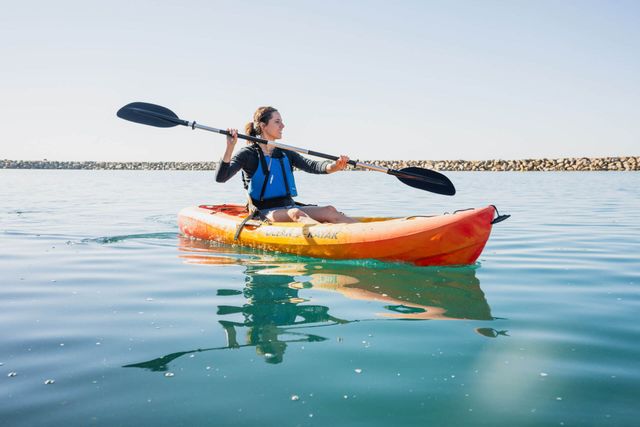
Water currents affect kayaking safety. Learn about the area’s water flow. Strong currents can lead to accidents. They may make paddling difficult. Check tide charts for coastal areas. High and low tides influence current strength. Calm waters are ideal for beginners. Experienced kayakers may handle stronger currents. Always wear a life jacket. Stay informed and prepared for any changes.
Credit: www.gulfshoresnews.com
Preparation And Planning
Proper preparation and planning enhance kayak safety. Inspect your kayak and gear thoroughly before setting out. Always check weather conditions and inform someone of your plans.
Preparation and planning are crucial steps in ensuring a safe and enjoyable kayaking experience. Whether you’re a seasoned paddler or new to the sport, taking the time to prepare can make all the difference. Thoughtful planning not only enhances your adventure but also keeps you safe on the water.Route Planning
Before you set out, choose a route that matches your skill level. Consider the water conditions, distance, and weather forecast. Are there areas where the current might be too strong, or is there a potential for sudden weather changes? Use maps and online resources to familiarize yourself with the area. In my last kayaking trip, I discovered a hidden cove that wasn’t marked on any map, simply by asking locals for advice. Always have a backup plan. Sometimes, the best-laid plans need to change, and having an alternative route can save you from unexpected hazards.Emergency Protocols
Establishing clear emergency protocols is vital. What will you do if you capsize or if someone in your group gets injured? Knowing the answers to these questions can prevent panic and ensure quick action. Carry essential safety gear like a whistle, a first-aid kit, and a personal flotation device. I once found myself in a situation where having a whistle helped alert nearby kayakers when our group needed assistance. Ensure everyone in your group knows the emergency plan. Consider practicing a few scenarios beforehand so everyone feels confident and prepared.Skill Development
Kayaks offer a thrilling adventure on water. Safety comes with understanding proper techniques and wearing essential gear. Training in kayaking skills reduces risks and enhances confidence.
Skill development is vital in ensuring your kayaking adventures remain safe and enjoyable. Whether you’re a beginner or have some experience, honing your skills can make a significant difference in how you navigate the waters. By understanding and practicing key techniques, you not only boost your confidence but also enhance your safety on the water.Basic Paddling Techniques
Mastering basic paddling techniques is your first step to becoming a proficient kayaker. Start with a comfortable grip on the paddle; your hands should be shoulder-width apart. This allows for efficient strokes and reduces fatigue. Focus on maintaining a straight posture and using your core muscles rather than just your arms. This not only gives you more power but also helps in preventing injuries. Practice forward strokes and sweep strokes in calm water to build your foundation. Don’t forget to practice wet exits in shallow water. Knowing how to safely exit your kayak in case of capsizing is an invaluable skill.Advanced Maneuvers
Once comfortable with the basics, you can challenge yourself with advanced maneuvers. Try mastering the Eskimo roll, a technique used to right your kayak without exiting it. It requires practice and is best learned under supervision. Edging is another useful skill that involves tilting your kayak to make tighter turns. This technique is particularly handy in rough waters or when navigating obstacles. Engage in mock rescue scenarios with fellow kayakers. Not only does this build camaraderie, but it also prepares you for real-life situations where quick decision-making is crucial. Are you ready to take your kayaking skills to the next level? Each new technique you learn adds to your toolkit, making every trip safer and more exhilarating.Safety Tips For Beginners
Kayaks are generally safe for beginners with proper precautions. Always wear a life jacket and learn basic paddling techniques. Check weather conditions and avoid kayaking in rough waters for a safe experience.
Kayaking is a thrilling way to explore nature, but safety should always be your top priority, especially if you’re a beginner. Taking the time to learn and practice safety tips can transform your experience from a potential risk to a delightful adventure. Whether you’re gliding through calm lakes or navigating gentle rivers, being aware of common mistakes and considering guided tours can significantly enhance your confidence and enjoyment on the water.Common Mistakes
Many beginners underestimate the importance of wearing a life jacket. It’s not just an accessory; it’s your lifeline. Ensure it fits snugly and securely. Another frequent error is overloading the kayak. Stick to recommended weight limits to maintain stability. Ignoring weather conditions can lead to trouble. Always check forecasts and be prepared for sudden changes. Balance and posture are crucial in kayaking. Leaning too far can lead to capsizing. Practice maintaining a centered position.Guided Tours And Classes
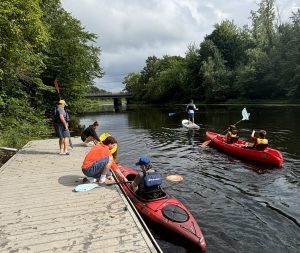
Consider joining a guided tour to learn the ropes from experienced instructors. They can offer insights into local water conditions and safety tips. Classes provide a structured environment to master paddling techniques. You’ll learn how to maneuver efficiently and safely. Interacting with other beginners on tours or in classes can boost your confidence. Sharing experiences often leads to helpful advice. Would you prefer learning solo or do you value expert guidance? Your choice can shape your kayaking journey and safety experience.Group Kayaking Vs Solo Adventures
Kayaking can be an exhilarating experience, whether alone or in a group. Both options offer unique advantages and challenges. Choosing between group kayaking and solo adventures depends on your personal preferences and skill level. Understanding the benefits and precautions associated with each can help you make informed decisions.
Benefits Of Group Kayaking
Group kayaking provides a sense of camaraderie. Sharing the adventure with friends can enhance the experience. You have support in case of emergencies. Experienced kayakers can offer guidance. Group outings often lead to discovering new locations. Safety in numbers is a key benefit. You can share gear and resources. Planning trips together can make logistics easier.
Solo Kayaking Precautions
Solo kayaking requires careful preparation. Ensure your equipment is in top condition. Tell someone your planned route. Check weather forecasts before heading out. Carry a reliable communication device. Familiarize yourself with the area you will explore. Be aware of water conditions. Trust your instincts if conditions seem unsafe. Always wear a life jacket. Know your physical limits and respect them.
Wildlife And Environmental Awareness
When you’re gliding through serene waters in your kayak, the beauty of nature surrounds you. But with this beauty comes a responsibility. Being aware of the wildlife and the environment is crucial for your safety and for preserving these natural habitats. As a kayaker, your actions can have a significant impact, both positive and negative.
Respecting Nature
Every paddle stroke brings you closer to nature. It’s essential to respect the environment by leaving no trace of your visit. Pack your trash and avoid disturbing the natural habitat. Remember, even small actions can make a big difference.
Have you ever paused to listen to the calls of birds or watch a fish leap from the water? These moments are a reminder of the delicate balance of nature. By keeping your distance and maintaining a respectful silence, you help protect the wildlife you’re there to enjoy.
Avoiding Dangerous Animals
While kayaking offers a unique opportunity to see wildlife up close, it’s vital to be aware of potential dangers. Certain animals can pose a threat if approached too closely. Educate yourself on the local wildlife and know which creatures to avoid.
Consider the thrill of spotting a dolphin or a seal from a distance. It’s exciting but getting too close can be harmful to both you and the animal. Keep your distance and respect their space to ensure a safe encounter.
Technology And Safety
Kayaking offers an exciting adventure on the water. Safety should always be a priority. With advancing technology, kayaking has become safer. Various devices and apps help ensure a secure experience. These tools assist kayakers in navigating and staying informed. They provide real-time updates and alerts. Let’s explore how technology boosts kayak safety.
Gps Devices
GPS devices are essential for kayakers. They help track your location. Knowing your position is crucial in unfamiliar waters. These devices offer maps and routes. They guide you back to safety if needed. Some GPS devices are waterproof. This ensures reliability on the water. Easy navigation enhances confidence and safety.
Safety Apps
Safety apps are valuable tools for kayakers. They provide weather updates and alerts. Knowing weather conditions helps in planning trips. Some apps offer emergency contact features. You can quickly reach out for help. Many apps include first-aid tips and guides. These can be vital in emergencies. Accessing information on your phone is convenient. It adds an extra layer of safety to your adventure.
Credit: boatinginboston.com
Frequently Asked Questions
Do Kayaks Tip Over Easily?
Kayaks can tip over if not balanced properly. Stability depends on the kayak type and paddler’s skill. Wider kayaks offer more stability and are less likely to tip. Practice and experience improve balance and control, reducing the risk. Always wear a life jacket for safety.
What Is The Risk For Kayaking?
Kayaking risks include drowning, hypothermia, and capsizing. Strong currents and weather changes can pose threats. Inexperience may increase accident chances. Wearing life jackets and understanding safety guidelines can help reduce risks. Always check equipment and conditions before kayaking.
Is Kayaking Safe For Beginners?
Kayaking is safe for beginners with proper guidance. Start with calm waters and wear a life jacket. Learn basic paddling techniques and safety tips. Always check weather conditions and water levels. Joining a beginner class can enhance your skills and confidence.
Enjoy kayaking with awareness and preparation.
Are Kayaks Safe Around Alligators?
Kayaking near alligators can be safe with precautions. Stay calm, maintain distance, and avoid provoking them. Alligators usually don’t attack kayaks. Stick to populated areas and be cautious during mating or nesting seasons. Always remain aware of your surroundings for a safe experience.
Conclusion
Kayaking offers both fun and adventure. Safety remains crucial. With proper precautions, kayaking is safe. Always wear a life jacket. Choose the right kayak for your skill level. Understand the water conditions before paddling. Learn basic paddling techniques. Stay informed about weather changes.
Respect nature and other water users. Practice makes you more confident. Safety gear and knowledge save lives. Kayaking can be enjoyed by all ages. Embrace the thrill, but stay cautious. Enjoy exploring waterways with peace of mind. Always prioritize safety on every journey.
Happy paddling!