
Are you ready to hit the water but unsure how to safely transport your kayak? Mounting a kayak on a roof rack might seem daunting at first, but with the right guidance, it can be a breeze.
Imagine the freedom of effortlessly loading your kayak onto your car, knowing it’s secure for the journey ahead. This guide is here to help you achieve just that, making your trip to the lake or river stress-free and enjoyable. By the end of this article, you’ll have all the tips and tricks you need to confidently mount your kayak on a roof rack, ensuring your outdoor adventure starts off smoothly.
Dive in to discover how to simplify this essential task and make the most of your kayaking experiences!
Choosing The Right Roof Rack
Mounting a kayak on a roof rack requires careful positioning and securing. Start by lifting the kayak onto the rack, ensuring it’s centered. Use straps to tightly secure it, looping them under and over the kayak for stability during travel.
Choosing the right roof rack is crucial for mounting your kayak safely and efficiently. It can be the difference between a smooth journey and a frustrating one. With so many options available, understanding what works best for you is key.Types Of Roof Racks
Roof racks come in various designs, each with its unique benefits. J-style racks are popular for their efficiency in holding kayaks at an angle, saving space. Saddle racks, on the other hand, offer a more secure fit as they cradle the kayak’s hull. If you prefer versatility, stacker racks allow you to carry multiple kayaks side by side. Consider what fits your lifestyle and kayaking needs.Compatibility With Your Vehicle
Not all roof racks fit every vehicle. Check your car’s specifications to see if it has pre-installed bars or a bare roof. If your car has rails, crossbars can be easily added for most rack types. Make sure the rack you choose is designed for your vehicle’s make and model to avoid complications. Have you ever tried fitting a rack only to find out it’s not compatible? Save yourself the hassle by double-checking before purchase.Assessing Weight Limits
It’s important to know how much weight your roof rack can safely support. Every roof rack and vehicle has a weight limit, often detailed in the user manual. Overloading can lead to damage or dangerous situations on the road. Calculate the combined weight of your kayak, rack, and any additional gear. Wouldn’t it be better to err on the side of caution than risk an accident? Always keep safety in mind and adhere to the recommended weight limits.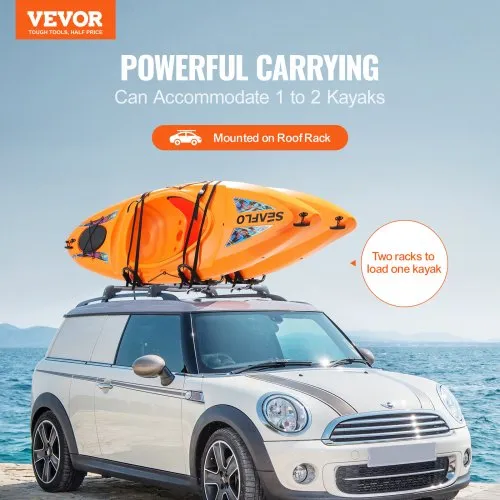
Credit: www.vevor.com.au
Preparing Your Kayak
Mounting a kayak on a roof rack requires secure placement and proper strapping techniques. Begin by lifting the kayak onto the rack. Ensure it is centered and balanced for safety during transport.
Preparing your kayak for transport is the first step to ensure a safe and hassle-free journey. A well-prepared kayak not only guarantees easier handling but also protects your vehicle and the kayak itself from potential damage during transit. Dive into the essentials of cleaning, inspecting, and securing loose accessories before you mount your kayak on the roof rack.Cleaning And Inspecting
Start by giving your kayak a thorough cleaning. Remove dirt, sand, and saltwater residue to prevent corrosion and damage. Use a gentle soap and water solution, scrubbing softly with a sponge or cloth. Pay special attention to any stubborn stains or spots that may need extra care. Inspect your kayak for any signs of wear and tear. Look for cracks, dents, or loose parts that might need repair. Addressing these issues beforehand saves you from unexpected surprises during your trip.Securing Loose Accessories
Ensure all accessories like paddles, seats, and waterproof bags are secured. Loose items can become hazards while driving. Consider using bungee cords or straps to tightly secure accessories inside the kayak. This prevents them from shifting or falling off during transport. Have you ever had a paddle fly off on the highway? It’s a startling experience! Securing everything properly avoids such incidents and ensures peace of mind. By preparing your kayak meticulously, you set the stage for a smooth and safe adventure. What’s your routine for prepping your kayak?Positioning The Kayak
Positioning the kayak correctly on a roof rack ensures safe transport. Center the kayak to balance the weight evenly.
Positioning the kayak on your roof rack is crucial for safe transport. Proper positioning ensures stability and security during travel. It also protects your kayak from damage. Let’s explore the key aspects of positioning your kayak correctly.Aligning The Kayak
Start by placing your kayak parallel to your vehicle. Ensure the bow faces forward. This reduces wind resistance while driving. Center the kayak on your roof rack. Check that it’s not tilted. Use the centerline of your vehicle as a guide. This helps maintain balance.Balancing Weight Distribution
Distribute the kayak’s weight evenly on the roof rack. This prevents your car from leaning to one side. Position the kayak so that its weight is centered. Avoid placing more weight on one end. If using additional gear, balance it equally. Double-check the kayak’s position before securing. An even balance enhances road safety.Securing The Kayak
Securing the kayak on your roof rack ensures a safe trip. Position the kayak carefully on the rack. Use straps to fasten it tightly, ensuring stability during travel.
Securing the kayak on your roof rack is crucial for safe transport. It ensures your kayak stays in place, avoiding any mishaps during your journey. Proper securing not only protects your kayak but also other road users. Let’s explore effective ways to secure your kayak.Using Straps And Tie-downs
Use high-quality straps for securing the kayak. Position the straps over the kayak, ensuring they are evenly spaced. Pass the straps under the crossbars of the roof rack. Tighten the straps securely, but avoid over-tightening. Over-tightening can damage the kayak hull. Use tie-downs for extra security, especially for longer trips.Double-checking Stability
Ensure the kayak does not wobble or shift. After strapping, give the kayak a gentle shake. It should remain stable and firm. Check the straps and tie-downs for any slack. Adjust them if necessary. A stable kayak ensures a safe and stress-free trip.Safety Checks Before Driving
Ensure the kayak is securely mounted on the roof rack before setting off. Check straps for tightness and stability. Inspect the rack and kayak for any signs of wear or damage.
Safety Checks Before Driving Ensuring your kayak is securely mounted on your roof rack is only part of the preparation. Safety checks before hitting the road are crucial to keep your kayak safe and your journey stress-free. Neglecting these steps can lead to mishaps or even damage to your vehicle and kayak.Inspecting Straps And Fastenings
Before you start your drive, take a moment to check the straps and fastenings. Look for any signs of wear and tear—frayed edges or weakened buckles can compromise security. Make sure each strap is tight, but not over-tightened, to prevent damage to your kayak. A quick tug on each strap can confirm their hold. Do they feel secure? If there’s any doubt, it’s better to adjust now than risk an issue later. Consider adding a backup strap for added peace of mind. It’s a small effort that can make a big difference.Testing Vehicle Handling
Once your kayak is mounted, take your vehicle for a short test drive around the block. Pay attention to how it handles. Does it feel different with the added weight on top? Listen for any unusual sounds. Squeaks or rattles might indicate a problem with your setup. Take a few turns and possibly a quick stop to assess if everything stays in place. This simple test can help avoid surprises on the road. Are you comfortable with how your vehicle handles now? If not, make adjustments before embarking on your journey. Your safety and peace of mind are worth the extra effort.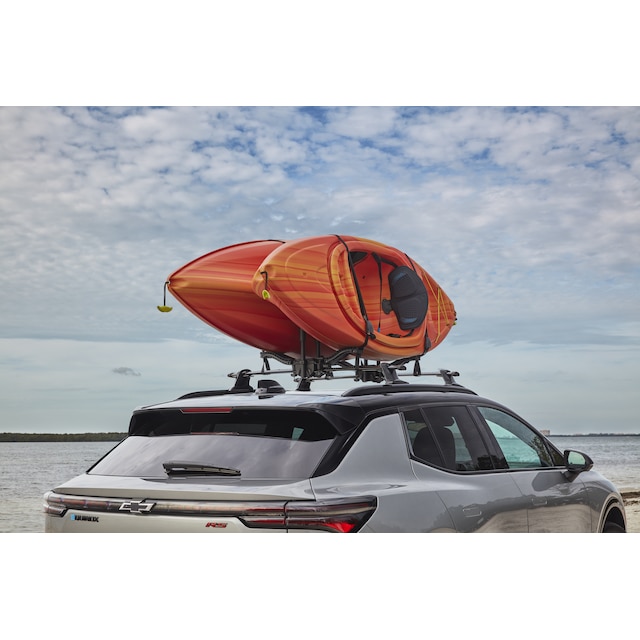
Credit: accessories.chevrolet.com
Tips For Long Drives
Mounting a kayak on a roof rack requires careful steps. First, ensure the roof rack is secure and clean. Use cam straps to hold the kayak in place, making sure it’s centered. Tighten the straps evenly to prevent shifting during the drive.
Mounting a kayak on your roof rack is a great way to explore new waters without the hassle of renting gear each time. But when you’re gearing up for a long drive, there are some crucial tips to ensure a safe and smooth journey. From monitoring weather conditions to regularly checking your kayak, these steps will help protect your equipment and ensure a worry-free adventure.Monitoring Weather Conditions
Before hitting the road, take a moment to check the weather forecast for your entire route. High winds, rain, or extreme temperatures can affect your kayak’s stability on the roof rack. Consider using weather apps that provide real-time updates and alerts. You might find yourself needing to adjust your travel plans to avoid adverse conditions. Also, think about how weather might impact your kayaking experience once you arrive. Is your destination prone to sudden storms or high tides? Planning ahead can save you from unexpected surprises.Regularly Checking The Kayak
Stop periodically during long drives to inspect the kayak’s security on the roof rack. Tighten straps if they’ve loosened, and examine the rack itself for any signs of wear or damage. Use these stops to stretch your legs and get a breath of fresh air. A quick visual check can prevent accidents and ensure everything is intact. Ask yourself: How confident are you in the kayak’s current positioning? If something seems off, it’s worth taking a few extra minutes to adjust and secure it properly. This peace of mind will enhance your travel experience.
Credit: www.thule.com
Frequently Asked Questions
Can I Put A Kayak Directly On A Roof Rack?
Yes, you can place a kayak directly on a roof rack. Ensure it’s secured tightly with straps. Consider using foam blocks or pads for added protection and stability. Always check weight limits and compatibility of your roof rack. Properly securing the kayak prevents damage during transport.
How Fast Can You Drive With A Kayak On The Roof?
Drive up to 65 mph with a kayak on the roof. Secure it properly to prevent damage or accidents. Check vehicle and kayak specifications for safe speed limits. Adjust speed for weather or road conditions. Regularly inspect straps and mounts during travel.
How To Put A Kayak On Top Of Your Car?
Place the kayak beside your car. Lift it from both ends onto the roof rack. Secure tightly using straps. Ensure it’s centered and stable. Check all fastenings before driving.
How To Strap A Kayak To A Roof Rack With J Hooks?
Position the kayak on J hooks. Secure it with cam straps over the kayak. Tighten straps evenly. Attach bow and stern lines to vehicle. Ensure all straps are secure before driving.
Conclusion
Securing your kayak on the roof rack is simple. Follow the steps carefully. Double-check straps for safety. A well-mounted kayak ensures safe travel. This knowledge boosts your outdoor adventures. You can now explore with confidence. Enjoy kayaking in new locations.
Remember, practice makes perfect. Each trip gets easier with experience. Happy paddling!